Finding Calm: Physical Therapy in Las Vegas
Las Vegas is known for its vibrant energy, bright lights, and constant activity. However, beneath the glittering surface, many residents and visitors struggle with pain, injury, and mobility challenges that can significantly impact their quality of life. Whether you’re dealing with chronic pain from a desk job, recovering from a sports injury, or managing age-related mobility issues, physical therapy in Las Vegas offers a scientifically-backed path to recovery and wellness. This comprehensive guide explores how physical therapy can help you find calm and regain control of your physical health in the entertainment capital of the world.
The desert climate, active lifestyle, and unique demands of living in Las Vegas create specific health challenges that physical therapists are well-equipped to address. From overuse injuries common in fitness enthusiasts to postural problems from sedentary work environments, the need for quality physical therapy services has never been greater. Understanding what physical therapy offers and how to find the right provider can transform your approach to pain management and injury recovery.

What is Physical Therapy and How Does It Work
Physical therapy is a healthcare discipline focused on restoring movement, function, and quality of life through evidence-based interventions. Licensed physical therapists (PTs) are highly trained professionals who assess musculoskeletal conditions, develop personalized treatment plans, and guide patients through therapeutic exercises and techniques. The fundamental principle underlying physical therapy is that the human body has remarkable capacity for healing and adaptation when given proper guidance and support.
The physical therapy process begins with a comprehensive evaluation. Your therapist will review your medical history, perform orthopedic tests, assess your range of motion, strength, balance, and functional abilities. This detailed assessment helps identify the root cause of your pain or dysfunction, not just the symptoms. For example, shoulder pain might originate from poor posture, weak stabilizer muscles, or underlying structural issues. By understanding the underlying cause, physical therapists can design targeted interventions that address the actual problem rather than merely masking symptoms.
Treatment plans typically include therapeutic exercises, manual therapy, modality-based interventions, and patient education. Research published in peer-reviewed journals consistently demonstrates that physical therapy produces superior outcomes compared to passive treatments alone. The active participation required in physical therapy—where you perform specific exercises and movements—activates neuroplasticity and promotes long-term healing.

Common Conditions Treated in Las Vegas
Physical therapists in Las Vegas treat a wide spectrum of conditions. One of the most prevalent is physical therapy for shoulder pain, which affects athletes, office workers, and aging adults. Shoulder pain can stem from rotator cuff injuries, impingement syndrome, frozen shoulder, or muscle imbalances. Physical therapy has shown remarkable effectiveness in treating these conditions without surgery in many cases.
Another common concern is physical therapy for plantar fasciitis, a painful condition affecting the foot that’s particularly prevalent in active individuals and those who spend extended periods on their feet—common in Las Vegas hospitality workers. Plantar fasciitis causes heel pain and can severely limit mobility if left untreated. Physical therapy addresses this through specific stretching protocols, strengthening exercises, and activity modification strategies.
Other frequently treated conditions include:
- Lower back pain and lumbar strain injuries
- Knee injuries including ACL tears and meniscus damage
- Hip pain and labral tears
- Neck pain and cervical strain
- Post-surgical rehabilitation following orthopedic procedures
- Sports-related injuries and overuse syndromes
- Balance disorders and fall prevention in older adults
- Arthritis and degenerative joint disease
The Las Vegas climate and lifestyle contribute to specific injury patterns. The dry desert heat can exacerbate muscle tightness, while the active recreation opportunities (hiking in Red Rock Canyon, gym training, recreational sports) create repetitive stress injuries. Physical therapists in the area develop specialized expertise in addressing these regional patterns.
Benefits of Physical Therapy for Pain Management
One of the most compelling reasons to seek physical therapy is its effectiveness as a pain management strategy. Unlike medications that mask symptoms, physical therapy addresses underlying causes while providing immediate pain relief through specific techniques. Research from leading healthcare organizations shows that physical therapy can reduce pain by 50% or more within the first few weeks of treatment.
Physical therapy offers several distinct pain management advantages. First, it reduces reliance on pain medications, which carry risks of dependency and side effects. Second, it addresses the neurobiological aspects of pain. Chronic pain involves not just tissue damage but also changes in the nervous system’s pain processing. Physical therapy, through movement, exercise, and education, helps normalize pain signaling and restore proper nervous system function.
The psychological benefits are equally important. Pain creates anxiety and avoidance behaviors that perpetuate the pain cycle. When you understand that movement is therapeutic rather than harmful, and when you experience measurable improvements, psychological resilience increases. This mind-body connection is fundamental to finding the calm that comes with being pain-free.
Additionally, physical therapy improves functional capacity—your ability to perform daily activities without pain. This might mean returning to work without discomfort, playing with grandchildren, or engaging in hobbies you’ve had to abandon. The restoration of function directly correlates with improved mental health, reduced depression, and better overall quality of life.
Finding the Right Physical Therapist
Las Vegas has numerous physical therapy clinics and practitioners. Selecting the right one requires considering several factors. First, verify that the therapist is licensed by the Nevada State Physical Therapy Board. Licensed Physical Therapists (PT) have completed extensive education including a doctoral degree and pass rigorous licensing exams. Some clinics also employ Physical Therapy Assistants (PTAs), who work under PT supervision. If you’re interested in the profession itself, resources on occupational therapy assistant jobs provide insight into related healthcare careers.
Second, consider specialization and experience. Some therapists specialize in sports medicine, orthopedics, neurological conditions, or geriatrics. Your condition determines which specialization is most relevant. A therapist experienced in treating your specific condition will design more effective protocols.
Third, evaluate the clinic’s approach to treatment. Evidence-based practice should be the foundation. Ask whether the clinic uses current research to guide treatment decisions. The clinic should also emphasize patient education and self-management strategies—the goal is to make you independent, not dependent on ongoing therapy.
Fourth, assess the clinic environment and equipment. Modern physical therapy requires access to appropriate equipment for therapeutic exercise. The clinic should be clean, organized, and professional. The therapist should spend adequate time with you—not rushing through sessions or treating multiple patients simultaneously.
Finally, consider logistics. Proximity to your home or workplace matters for consistency. If travel is difficult, you’re less likely to attend appointments. Many clinics now offer telehealth consultations for initial evaluations and follow-up discussions, which can increase accessibility.
Insurance and Cost Considerations
Understanding how much does physical therapy cost is essential for treatment planning. Costs vary based on your insurance coverage, the specific treatments required, and the clinic’s pricing structure. Most insurance plans cover physical therapy when prescribed by a physician, though coverage limits and copay requirements vary.
Medicare typically covers physical therapy with a copay of 20% after meeting your annual deductible. Many private insurance plans cover 80-90% of costs after deductibles. However, some plans impose visit limits or require prior authorization. Understanding your specific coverage before beginning treatment prevents unexpected expenses.
For uninsured patients, many clinics offer sliding scale fees or payment plans. Some clinics provide package pricing for common conditions. Direct-pay physical therapy, where you pay out-of-pocket without insurance, can sometimes be more affordable than the copays and deductibles required by insurance plans.
The investment in physical therapy is worthwhile when considering the costs of untreated conditions—ongoing pain, lost work productivity, progression to chronic conditions requiring surgery, and diminished quality of life. Physical therapy often prevents the need for more expensive interventions like surgery or long-term medication management.
Treatment Modalities and Techniques
Modern physical therapy in Las Vegas employs diverse treatment approaches. Therapeutic exercise is the cornerstone—specific movements designed to restore strength, flexibility, and neuromuscular control. These exercises are progressive, starting with gentle movements and advancing as your condition improves.
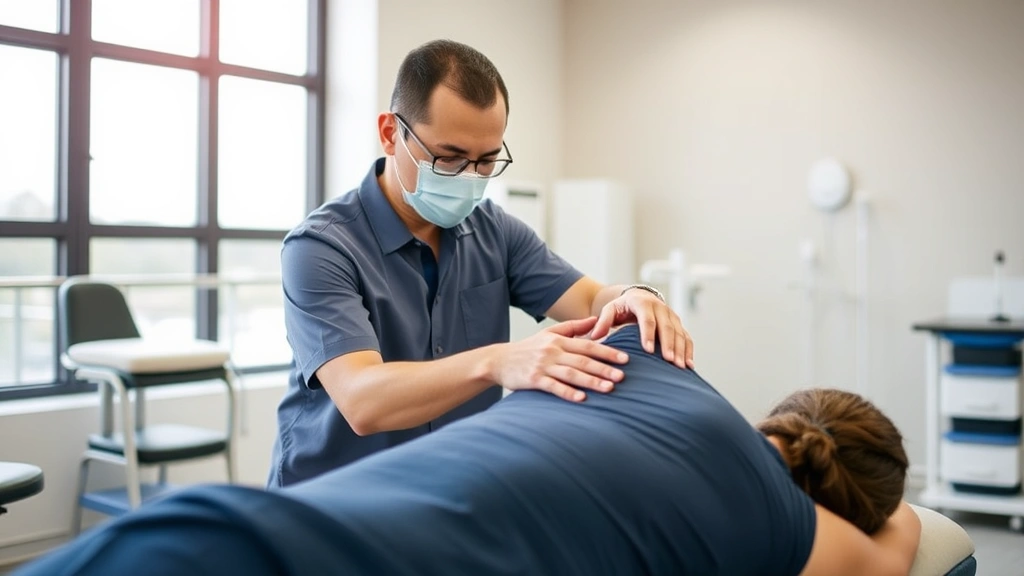
Manual therapy includes techniques like joint mobilization, soft tissue mobilization, and stretching. The therapist uses hands-on techniques to improve joint movement, reduce muscle tension, and promote healing. Manual therapy can provide immediate pain relief and improved mobility.
Modality-based treatments support recovery through various technologies. Therapeutic ultrasound uses sound waves to promote tissue healing. Electrical stimulation helps manage pain and stimulate muscle contraction. Heat and cold therapy address inflammation and muscle tension. While these modalities are helpful, they’re typically used alongside active exercise rather than as standalone treatments.
Complementary approaches like red light therapy are gaining evidence support for pain management and tissue healing. Information on red light therapy near me can help you explore additional recovery options that many Las Vegas clinics now integrate into comprehensive treatment plans.
Functional training helps you apply improvements in strength and mobility to real-world activities. If your goal is returning to work, sports, or specific hobbies, functional training bridges the gap between clinical improvement and life resumption.
Patient education is equally important as hands-on treatment. Understanding proper posture, body mechanics, ergonomics, and activity modification prevents reinjury and promotes long-term wellness. Many therapists provide written materials, videos, and demonstrations to reinforce learning.
Recovery Timeline and Expectations
Recovery timelines vary significantly based on the condition’s severity, your overall health, age, and adherence to the treatment plan. Acute injuries might show improvement within 2-4 weeks of consistent therapy. Chronic conditions may require 8-12 weeks or longer for substantial improvement. Post-surgical rehabilitation typically follows predictable timelines based on tissue healing biology.
Most patients notice initial improvements within the first few sessions—decreased pain, improved mobility, or better function. However, true healing requires consistent effort over weeks and months. This is why attendance and home exercise compliance are critical. Research shows that patients who perform prescribed home exercises achieve outcomes 30-50% better than those relying solely on clinic sessions.
Realistic expectations are important for maintaining motivation. Recovery is rarely linear—some days feel better than others. Setbacks occasionally occur. However, with proper guidance and consistent effort, most patients achieve their functional goals. The goal isn’t necessarily to return to a pain-free state (though this often happens) but to manage pain effectively and resume activities that matter to you.
Long-term success involves transitioning from active therapy to independent maintenance. Your therapist will teach you exercises and strategies to maintain improvements and prevent recurrence. Many people benefit from occasional “tune-up” sessions or ongoing preventive therapy, particularly if their work or activities create repetitive stress.
FAQ
Do I need a doctor’s referral for physical therapy in Las Vegas?
Nevada allows direct access to physical therapy, meaning you can seek treatment without a physician referral. However, if you want insurance to cover the cost, most plans require a physician’s prescription. Check your specific insurance policy for requirements.
How long are physical therapy sessions typically?
Most sessions last 45-60 minutes, including assessment, treatment, and exercise instruction. Initial evaluations may take longer to allow comprehensive assessment.
Can physical therapy help without surgery?
Many conditions respond excellently to physical therapy alone. Research from the National Institutes of Health shows that conservative treatment with physical therapy is often as effective as surgery for conditions like rotator cuff tears, meniscus tears, and arthritis. Surgery is reserved for cases where conservative treatment fails or structural damage is severe.
What should I wear to physical therapy?
Wear comfortable, loose-fitting clothing that allows free movement. You may need to expose the affected area, so avoid restrictive clothing. Wear shoes you can easily remove.
How often should I attend physical therapy?
Typical frequency is 2-3 times per week initially, with frequency decreasing as you improve. Your therapist will recommend a schedule based on your condition and recovery progress.
Is physical therapy painful?
Physical therapy should not cause significant pain. You might experience mild discomfort during stretching or when working with sore muscles, but your therapist should work within your tolerance. Communication about pain levels is essential.
Can older adults benefit from physical therapy?
Absolutely. Physical therapy helps older adults maintain independence, prevent falls, manage arthritis, and recover from injury or surgery. Age is not a barrier—treatment is modified to match individual capabilities.
What’s the difference between physical therapy and occupational therapy?
Physical therapy focuses on movement, strength, and mobility. Occupational therapy addresses how you perform daily activities and work tasks. Many conditions benefit from both. If you’re interested in these professions, learn more about occupational therapy assistant jobs.
Can I do physical therapy while working?
Yes, many people continue working during physical therapy. Your therapist can modify exercises and provide ergonomic advice to accommodate your work. Discuss your work demands with your therapist so treatment can be tailored accordingly.
How do I know if physical therapy is working?
Progress is measured through reduced pain, improved range of motion, increased strength, better functional ability, and decreased medication use. Your therapist should track measurable outcomes at regular intervals.