Hip Labrum Tear? Physical Therapy Benefits Explored
A hip labrum tear can be a frustrating injury that impacts mobility, athletic performance, and daily quality of life. The labrum is a ring of cartilage that surrounds the hip socket, providing stability and cushioning for the joint. When this structure tears—whether from sudden trauma, repetitive motion, or degenerative changes—pain and dysfunction often follow. Many patients wonder whether surgery is inevitable or if conservative approaches like physical therapy for hip labrum tear can provide meaningful relief and recovery.
The good news is that physical therapy has emerged as a cornerstone treatment option for labral injuries. Research demonstrates that structured rehabilitation programs can reduce pain, improve hip stability, restore range of motion, and help patients return to their desired activities without surgical intervention. This comprehensive guide explores the science behind physical therapy benefits for hip labrum tears, evidence-based treatment protocols, and what patients can realistically expect from their recovery journey.
Understanding Hip Labrum Tears: Anatomy and Causes
The hip labrum is a specialized piece of fibrocartilage that functions as a shock absorber and stability enhancer for the hip joint. Think of it as a gasket that helps create a seal around the femoral head (ball of the thighbone) within the acetabulum (hip socket). This structure is essential for load distribution during walking, running, jumping, and other dynamic movements. When the labrum tears, this protective function is compromised, leading to increased stress on surrounding tissues and joint instability.
Hip labrum tears develop through various mechanisms. Some occur acutely from a single traumatic event—such as a fall, motor vehicle accident, or sports injury involving hip flexion combined with external rotation. Others develop gradually from repetitive microtrauma, particularly common in athletes who perform activities requiring hip hyperextension or repetitive cutting movements. Certain anatomical variations, including femoroacetabular impingement (FAI) and hip dysplasia, increase tear susceptibility. Age-related degeneration can also contribute to labral breakdown, especially in individuals over 40.
Understanding your injury’s mechanism helps physical therapists tailor treatment appropriately. For instance, traumatic tears may require different initial management than degenerative tears. This personalized approach is fundamental to achieving optimal outcomes through conservative rehabilitation.
Symptoms and Diagnosis of Labral Injuries
Hip labrum tears present with characteristic symptoms that often prompt patients to seek medical evaluation. The most common complaint is anterior hip or groin pain that may be sharp, catching, or clicking in nature. Many patients describe a sensation of instability or the hip “slipping out.” Pain typically worsens with prolonged sitting, climbing stairs, or activities involving hip flexion and internal rotation.
Diagnosis requires a combination of clinical assessment and imaging. Physical therapists and physicians use special tests like the anterior labral tear test (ALTS) and the flexion-adduction-internal rotation (FADIR) test to identify labral pathology. Magnetic resonance imaging (MRI) with intra-articular contrast (MR arthrography) provides definitive confirmation of tear location and severity. However, research shows that not all labral tears on imaging cause symptoms, emphasizing the importance of correlating findings with clinical presentation.
Early recognition is valuable because it allows prompt initiation of physical therapy. Studies indicate that patients who begin structured rehabilitation soon after injury or diagnosis achieve better outcomes than those who delay treatment. This is where accessing comprehensive therapy resources becomes invaluable for understanding your treatment options.
Physical Therapy as First-Line Treatment
Current evidence-based practice guidelines recommend conservative physical therapy management as the initial treatment approach for most hip labrum tears. A landmark systematic review published in the Journal of Hip Preservation Surgery found that 50-80% of patients with labral tears achieve significant symptom improvement through structured physical therapy alone, without requiring surgery.
The fundamental goals of physical therapy for labral injuries include: (1) reducing pain and inflammation, (2) restoring hip stability through targeted strengthening, (3) improving neuromuscular control and proprioception, (4) restoring normal movement patterns, and (5) gradually returning to functional activities and sport-specific demands. These objectives are achieved through a progressive, phased approach that respects tissue healing timelines while challenging the patient appropriately.
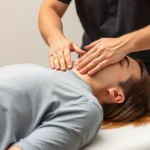
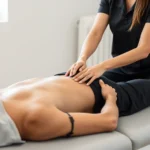
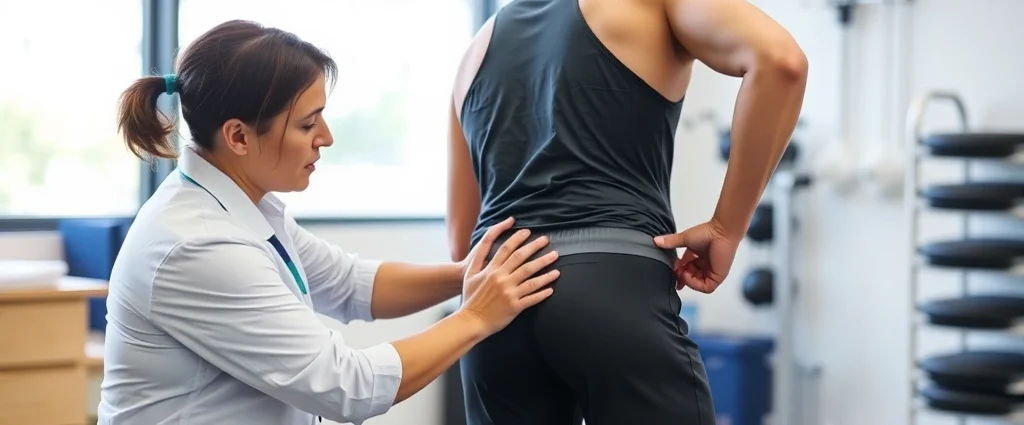
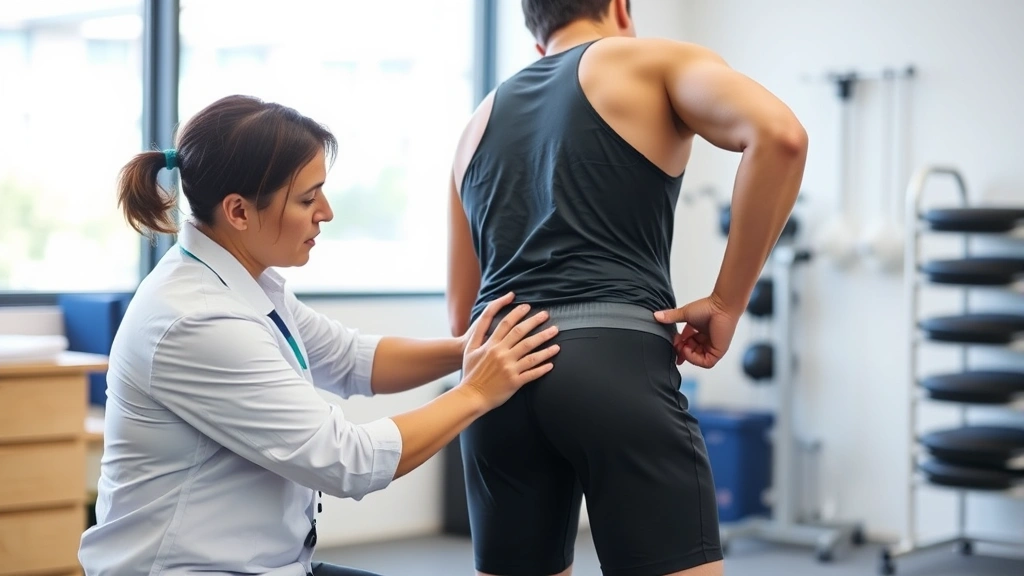
Physical therapists employ multiple treatment modalities in conjunction with exercise. Manual therapy techniques, including soft tissue mobilization and joint mobilization, can reduce pain and improve mobility. Modalities like ultrasound or electrical stimulation may provide temporary symptom relief, though exercise remains the cornerstone of recovery. For patients interested in complementary approaches, red light therapy for pain management represents an emerging option worth discussing with your therapist.
The success of conservative treatment depends heavily on patient adherence. Research demonstrates that patients who consistently perform home exercise programs achieve superior outcomes compared to those who rely solely on clinic sessions. This emphasizes the critical role of patient education and motivation throughout the rehabilitation process.
Core Exercises and Strengthening Protocols
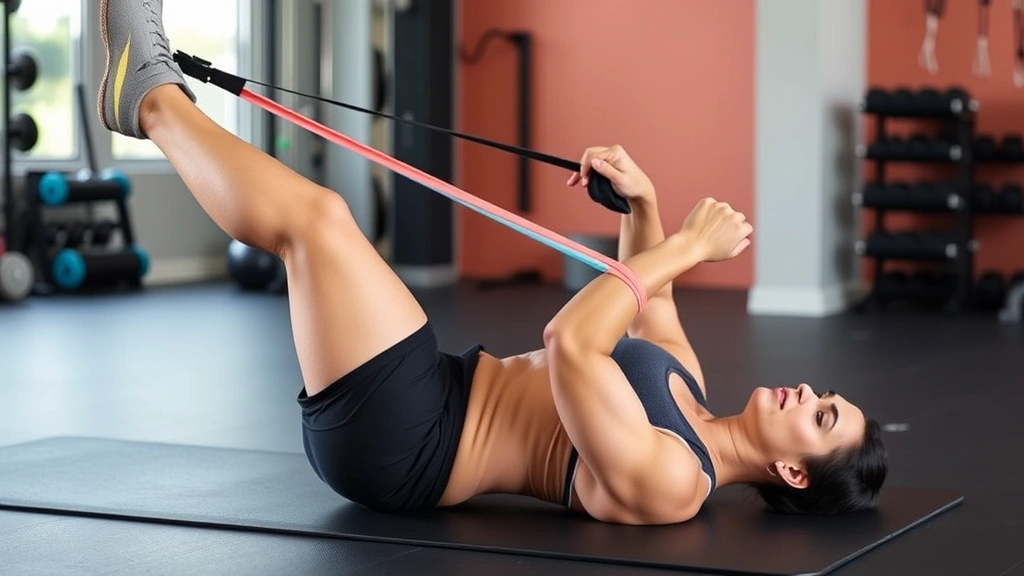
Hip stability fundamentally depends on core strength and hip musculature control. The gluteal muscles—particularly the gluteus medius and maximus—function as primary stabilizers during weight-bearing activities. Weakness in these muscles increases compensatory stress on the labrum. Effective physical therapy for labral tears therefore emphasizes progressive strengthening of the hip abductors, external rotators, and core stabilizers.
Initial phase exercises typically focus on isolated muscle activation without excessive joint loading. Clamshells, side-lying hip abduction, and supine hip external rotation exercises help patients reestablish neuromuscular control. These low-stress movements allow healing tissue to adapt while muscles “wake up” after injury-related inhibition.
As healing progresses, exercises advance in complexity and load. Lateral band walks, single-leg glute bridges, and quadruped hip extension movements challenge stability while building strength. Advanced progressions include single-leg deadlifts, lateral lunges, and resisted external rotation exercises performed in standing. Each progression should be pain-free or involve only minimal discomfort; sharp pain signals that an exercise is inappropriate for the current healing phase.
Core stabilization deserves special attention because spinal stability directly influences hip mechanics. Planks, dead bugs, bird dogs, and pallof presses develop the deep abdominal musculature and transverse abdominis, which function as a corset stabilizing the pelvis during movement. A stable pelvis allows hip muscles to function optimally, reducing compensatory stress on the labrum.
Research from PubMed Central demonstrates that progressive resistance training combined with neuromuscular control exercises produces superior outcomes compared to passive modalities alone. The specificity of training—matching exercise demands to functional goals—proves critical for long-term success.
Range of Motion and Flexibility Work
Hip labrum tears often result in restricted range of motion, particularly in flexion and internal rotation. This limitation develops partially from pain inhibition and partially from structural changes as the body protects the injured tissue. While some restriction initially serves a protective purpose, prolonged immobility leads to adaptive shortening and further dysfunction.
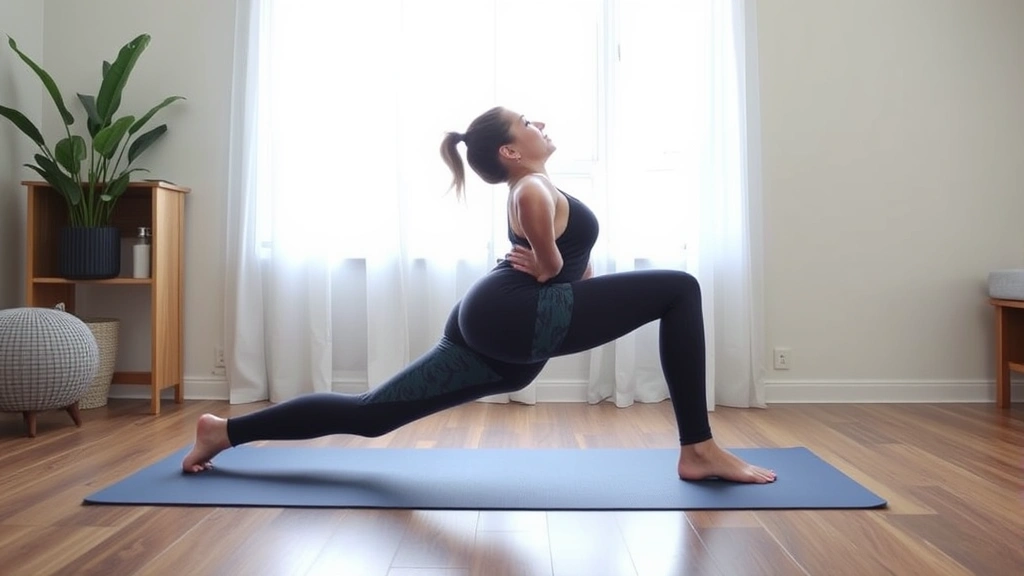
Physical therapy addresses mobility through progressive, controlled stretching and mobilization. Early phases emphasize gentle, pain-free range of motion within tolerated limits. Supine hip flexor stretches, piriformis stretches, and gentle internal/external rotation movements restore mobility gradually. As healing advances, more aggressive stretching and active-assisted range of motion exercises become appropriate.
Hip flexor tightness deserves particular attention because tight hip flexors increase anterior hip joint loading and can exacerbate labral symptoms. Prolonged sitting—increasingly common in modern life—contributes significantly to hip flexor shortening. Daily stretching of the rectus femoris and iliopsoas muscles helps restore normal hip mechanics and reduces compensatory stress on the labrum.
Mobility work extends beyond stretching to include movement quality. Hip internal rotation in particular requires attention, as limitations in this direction often persist after labral tears. Gentle, progressive internal rotation mobilization performed by the physical therapist, combined with patient self-mobilization techniques, gradually restores this critical motion. Importantly, mobility improvements must be paired with strengthening to create lasting change; flexibility without strength leads to instability.
Functional Movement Training
The ultimate goal of physical therapy extends beyond isolated strength and flexibility to encompassing functional movement patterns. Patients need to perform activities like walking, stairs, running, and sport-specific movements without pain or limitation. Functional movement training bridges the gap between clinic exercises and real-world demands.
Early functional work involves basic activities: walking with proper mechanics, sit-to-stand transitions, and step-ups. Physical therapists assess movement quality, identifying compensations like Trendelenburg gait (pelvis drop on the non-stance side) that indicate inadequate hip stability. Correcting these patterns through cueing and targeted exercises prevents long-term dysfunction.
Sport-specific training becomes increasingly important for athletes. A runner with a labral tear requires different progressions than a soccer player, who differs from a baseball player. Physical therapists design sport-specific drills that progressively challenge hip stability and control under conditions matching athletic demands. This might include lateral cutting drills, deceleration training, or sport-specific plyometrics performed at controlled intensity and volume.
Return-to-sport protocols typically follow progressive phases: pain-free walking, light jogging, sport-specific drills at submaximal intensity, and finally full-intensity participation. Advancement through these phases requires objective criteria—strength testing, hop testing, and movement quality assessment—rather than arbitrary timelines. This evidence-based approach reduces re-injury risk while optimizing recovery.
Pain Management Strategies
While exercise forms the foundation of physical therapy, pain management strategies enhance comfort and facilitate progression. Multimodal pain management approaches combining several techniques typically prove more effective than single interventions.
Activity modification represents the first line of pain management. Patients learn to avoid or modify movements that provoke pain—typically hip flexion combined with internal rotation (the FADIR position). This doesn’t mean complete avoidance but rather intelligent modification: crossing legs differently, adjusting sitting posture, or using pillows for positioning. Over time, as strength and stability improve, previously provocative activities become tolerable.
Manual therapy techniques including soft tissue mobilization and joint mobilization provide temporary symptom relief that allows patients to exercise more comfortably. Myofascial release of tight muscles—particularly the tensor fasciae latae, piriformis, and hip flexors—reduces local pain and improves mobility. Some patients benefit from cognitive behavioral approaches to managing pain-related anxiety, which can amplify physical symptoms.
Ice and heat represent simple yet effective modalities. Ice reduces inflammation and pain following exercise, particularly in acute phases. Heat improves tissue extensibility before stretching and provides comfort for chronic stiffness. Patients should experiment to determine which modality provides greatest relief for their specific situation.
Anti-inflammatory medications, prescribed by physicians, may facilitate early rehabilitation by reducing pain sufficiently to allow exercise participation. However, long-term reliance on medication without addressing underlying mechanical dysfunction typically leads to disappointing outcomes. The medication should enable rehabilitation, not replace it.
Timeline for Recovery and Expectations
Recovery timelines for hip labrum tears vary considerably based on tear severity, patient age, rehabilitation adherence, and other factors. Understanding realistic expectations helps maintain motivation during the recovery process.
Early phase (weeks 0-4): Pain management dominates this phase. Patients begin gentle range of motion and basic strengthening exercises while protecting the healing tissue from excessive stress. Most patients experience gradual pain reduction during this period, though some days are better than others. Returning to normal daily activities like walking and light household tasks typically becomes possible.
Intermediate phase (weeks 4-12): Strengthening intensifies during this phase as pain decreases and tissue healing progresses. Patients advance to more challenging exercises, including single-leg work and resisted movements. Functional activities like stairs and walking longer distances become more comfortable. Many patients return to sedentary work during this phase, though prolonged sitting still requires modifications.
Advanced phase (weeks 12-24+): Progressive return to sport and demanding activities characterizes this phase. Athletes begin sport-specific training, gradually increasing intensity and volume. Most patients achieve substantial functional improvement by 16-20 weeks, though complete return to prior activity levels may require longer. Some athletes require 4-6 months before resuming competitive participation.
Individual variation is substantial. Some patients progress faster, while others require extended rehabilitation. Factors affecting timeline include: tear severity, associated hip pathology (like FAI), age, overall fitness level, and rehabilitation adherence. Rather than fixating on specific timelines, patients should focus on progressive improvement and functional milestones.
When Surgery Might Be Necessary
While physical therapy succeeds for most patients with hip labrum tears, some individuals ultimately require surgical intervention. Understanding when conservative treatment is insufficient helps patients make informed decisions about their care.
Surgery becomes appropriate when: (1) patients complete a comprehensive physical therapy program (typically 3-6 months) without achieving functional improvement, (2) pain remains severe and functionally limiting despite conservative management, (3) imaging reveals associated pathology like femoral acetabular impingement or hip dysplasia requiring surgical correction, or (4) patients have specific occupational or athletic demands incompatible with conservative treatment timelines.
Arthroscopic labral repair or reconstruction represents the primary surgical approach. Modern arthroscopic techniques have improved considerably, with successful outcomes reported in 70-85% of patients. However, surgery carries inherent risks including infection, blood clots, and potential for re-injury. For this reason, surgery is typically reserved for patients who have exhausted conservative options or have specific indications.
It’s worth noting that therapy cost considerations sometimes influence treatment decisions. While physical therapy requires financial investment, it typically costs substantially less than surgical intervention and carries minimal risk, making it the logical first-line approach.
Patients considering surgery should seek evaluation from hip preservation specialists—orthopedic surgeons with specific expertise in labral pathology. These specialists can better assess whether surgery is truly necessary versus whether additional conservative treatment might succeed. Getting a second opinion before elective hip surgery is prudent.
FAQ
How long does physical therapy for hip labrum tear typically take?
Most patients require 12-16 weeks of consistent physical therapy to achieve substantial improvement. However, timelines vary based on tear severity, adherence, and individual healing capacity. Some patients progress faster, while others require extended rehabilitation. The key is progressive improvement rather than arbitrary timelines.
Can I return to running with a hip labrum tear?
Yes, most patients with labral tears successfully return to running through progressive physical therapy. Return-to-running protocols begin with walk-jog intervals and gradually increase running volume and intensity. This typically requires 4-12 weeks depending on individual factors. Working with a physical therapist experienced in running rehabilitation optimizes outcomes.
What exercises should I avoid with a hip labrum tear?
Avoid movements combining hip flexion with internal rotation (the FADIR position), as this position typically provokes labral pain. Additionally, avoid high-impact activities and heavy weightlifting until cleared by your physical therapist. Your therapist will provide specific modifications for your situation, as tolerance varies considerably between individuals.
Is surgery necessary for all hip labrum tears?
No. Current evidence indicates that 50-80% of patients with labral tears achieve functional improvement through physical therapy alone, without requiring surgery. Surgery is reserved for patients who don’t respond to comprehensive conservative treatment or have specific indications like significant femoroacetabular impingement.
Can physical therapy prevent labral tear recurrence?
Yes. By addressing underlying biomechanical issues—particularly hip weakness and movement pattern dysfunction—physical therapy reduces recurrence risk. Continuing a maintenance exercise program focusing on hip stability, core strength, and proper movement patterns helps prevent future injury.
What’s the difference between labral tear treatment and other hip conditions?
While labral tear rehabilitation shares some similarities with treatment for other hip conditions like other physical therapy approaches, labral-specific treatment emphasizes hip stability and controlled progressive loading. Treatment must account for labral healing timelines and avoid excessive stress during early phases. Working with therapists experienced specifically in labral pathology optimizes outcomes.
Should I use ice or heat for labral tear pain?
Ice works better for acute inflammation and pain immediately following exercise. Heat provides comfort for chronic stiffness and improves tissue extensibility before stretching. Many patients benefit from ice after activity and heat before morning stretches. Experiment to determine what provides greatest relief for your situation.
Can I do physical therapy at home, or do I need clinic sessions?
A combination of clinic sessions and home exercise produces optimal results. Clinic sessions allow proper exercise instruction, progression monitoring, and manual therapy. Home programs provide the high volume of repetition necessary for tissue adaptation and strength gains. Most successful rehabilitation involves 2-3 weekly clinic visits supplemented with daily home exercises.