Can Meditation Aid Patellofemoral Syndrome? Experts Weigh In
Patellofemoral syndrome, commonly known as runner’s knee, affects millions of people worldwide, causing pain around the kneecap that can significantly impact daily activities and athletic performance. While traditional physical therapy treatment approaches have long been the standard intervention, emerging research suggests that complementary practices like meditation may play a valuable role in managing this condition. The intersection of mind-body medicine and orthopedic rehabilitation represents a fascinating frontier in treating chronic pain conditions.
This comprehensive exploration examines whether meditation can genuinely aid patellofemoral syndrome management, drawing on scientific evidence, expert opinions, and clinical experience. We’ll investigate the mechanisms by which meditation might influence pain perception, muscle tension, and overall recovery outcomes in the context of patellofemoral syndrome physical therapy. Understanding these connections could revolutionize how patients approach their rehabilitation journey.
Understanding Patellofemoral Syndrome
Patellofemoral syndrome represents one of the most common knee complaints, particularly among active individuals and athletes. This condition involves pain in or around the patella (kneecap) that typically worsens with activities like running, climbing stairs, or prolonged sitting. The underlying causes are multifactorial, including muscle imbalances, tracking problems, biomechanical issues, and overuse.
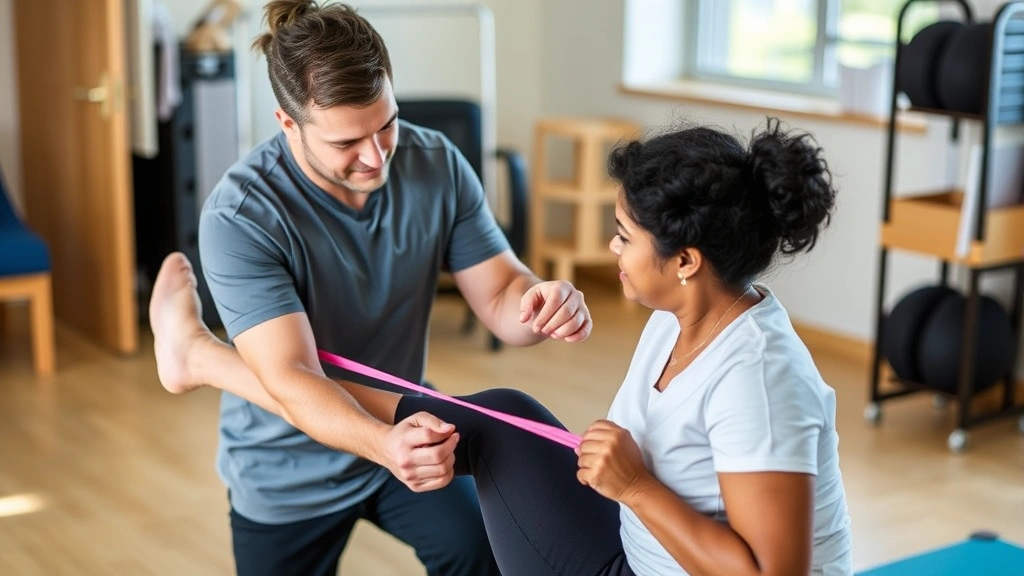
The traditional management of patellofemoral syndrome involves strengthening exercises, stretching, activity modification, and sometimes physical therapy interventions. However, many patients experience persistent pain despite conventional treatments, leading clinicians and researchers to explore adjunctive therapies. This is where meditation enters the picture as a potentially valuable complement to standard patellofemoral syndrome physical therapy protocols.
Understanding the pain component of this condition is crucial. Patellofemoral pain isn’t purely mechanical—it involves complex neurobiological processes where psychological factors, stress levels, and pain perception significantly influence symptom severity. This biopsychosocial understanding has prompted experts to investigate whether mind-based interventions could address these psychological dimensions.
The Science Behind Meditation and Pain Management
Meditation operates through multiple physiological pathways that directly influence pain perception and physical healing. When individuals practice meditation, their nervous system transitions from a sympathetic (fight-or-flight) state to a parasympathetic (rest-and-digest) state. This shift reduces cortisol and adrenaline levels, lowering overall inflammation and muscle tension—both significant contributors to patellofemoral pain.
Neuroimaging studies demonstrate that regular meditation practitioners show measurable changes in brain regions responsible for pain processing. The anterior cingulate cortex and insula, areas that process pain signals, show reduced activation in meditators experiencing pain. Additionally, meditation strengthens connections in the prefrontal cortex, enhancing the brain’s ability to regulate pain perception and emotional responses to discomfort.
Research from institutions studying mindfulness-based stress reduction reveals that meditation doesn’t eliminate pain signals but rather changes how the brain interprets and responds to them. This neuroplasticity—the brain’s ability to reorganize itself—represents a fundamental mechanism through which meditation could benefit patellofemoral syndrome sufferers. The practice essentially teaches the nervous system to process pain more efficiently.
Furthermore, meditation reduces muscle tension throughout the body, including the quadriceps, hamstrings, and hip muscles that directly influence knee mechanics. Chronic tension in these muscle groups can exacerbate patellofemoral tracking problems, so meditation-induced relaxation provides biomechanical benefits alongside psychological ones.
How Meditation Complements Physical Therapy
While physical therapy addresses the structural and biomechanical aspects of patellofemoral syndrome through targeted exercises, meditation addresses the neurological and psychological dimensions. This complementary relationship creates a more comprehensive treatment approach. Physical therapists increasingly recognize that patients who manage their pain perception through meditation often demonstrate better adherence to exercise programs and achieve superior outcomes.
Meditation enhances body awareness, a critical component of successful rehabilitation. When patients develop heightened proprioceptive awareness through meditative practice, they become more attuned to their body mechanics during daily activities and exercises. This awareness enables them to identify and correct movement patterns that aggravate their knee pain. Additionally, improved body awareness helps patients distinguish between therapeutic exercise discomfort and harmful pain, allowing them to progress their rehabilitation more confidently.
The stress-reduction benefits of meditation also support physical recovery. Chronic stress impairs tissue healing, increases inflammation, and reduces the effectiveness of rehabilitation exercises. By reducing stress through meditation, patients create a more favorable physiological environment for recovery. This synergy between mental and physical interventions makes meditation a logical addition to comprehensive patellofemoral syndrome management.
Many physical therapists now incorporate meditation and mindfulness into their treatment protocols. Some recommend specific meditation practices before or after therapy sessions to enhance the therapeutic effects. This integrated approach acknowledges that successful rehabilitation requires addressing not just the knee but the whole person—their stress levels, pain perception, and psychological relationship with their condition.
Evidence-Based Research on Meditation for Knee Pain
Scientific literature increasingly supports meditation’s effectiveness for chronic pain conditions, including knee pain. A seminal study published in JAMA Internal Medicine found that mindfulness meditation was as effective as medication for treating chronic pain. While this research wasn’t specific to patellofemoral syndrome, the implications are significant for knee pain sufferers.
Research on mindfulness-based stress reduction (MBSR) programs demonstrates consistent benefits for pain management across various conditions. Participants in MBSR programs report reduced pain intensity, improved functional capacity, and decreased reliance on pain medications. These outcomes suggest that meditation could substantially benefit those struggling with patellofemoral syndrome, particularly those who haven’t responded adequately to conventional physical therapy.
A study from the University of Massachusetts Medical School examined how meditation affects pain-related brain activity. Participants who completed an eight-week MBSR program showed significant reductions in pain-related neural activity, even when exposed to painful stimuli. This suggests that meditation creates lasting changes in how the nervous system processes pain signals—exactly what patellofemoral syndrome patients need.
While specific research directly examining meditation for patellofemoral syndrome remains limited, the broader evidence base for meditation in chronic musculoskeletal pain is compelling. Studies on conditions like fibromyalgia, chronic back pain, and arthritis consistently show meditation’s benefits. Given the similar pain mechanisms involved, these findings strongly suggest meditation would benefit patellofemoral syndrome sufferers.
Expert researchers from the Mind and Life Institute have conducted extensive investigations into meditation’s neurobiological effects, providing rigorous scientific support for mind-body interventions. Their work demonstrates that meditation isn’t merely a placebo but creates measurable physiological changes that reduce pain and promote healing.
Expert Perspectives on Mind-Body Integration
Leading orthopedic specialists and pain management experts increasingly advocate for integrated approaches combining physical therapy with mind-body practices. Dr. James Gordon, founder of the Center for Mind-Body Medicine, emphasizes that pain conditions like patellofemoral syndrome respond better when patients address both physical and psychological components simultaneously.
Physical therapists specializing in sports medicine note that patients who practice meditation alongside their rehabilitation exercises consistently achieve better outcomes. These practitioners report that meditative patients demonstrate improved pain tolerance during therapy, better exercise compliance, and faster return to athletic activities. The psychological resilience meditation builds appears to directly enhance rehabilitation effectiveness.
Pain psychologists emphasize that meditation addresses the catastrophizing and fear-avoidance patterns common in chronic pain conditions. When patellofemoral syndrome patients develop anxiety about their knee, this emotional response can actually amplify pain perception and limit physical activity. Meditation interrupts these maladaptive pain cycles, allowing patients to engage more fully in their rehabilitation.
Experts also highlight meditation’s role in managing the depression and anxiety that frequently accompany chronic pain conditions. Patellofemoral syndrome that persists despite treatment can significantly impact mental health, creating a vicious cycle where psychological distress exacerbates pain. Meditation breaks this cycle by directly addressing both pain perception and emotional wellbeing.
Many specialists recommend that patients explore meditation as part of a holistic treatment strategy. This perspective aligns with modern biopsychosocial models of pain management, which recognize that optimal outcomes require addressing physiological, psychological, and social dimensions of the condition. Meditation contributes meaningfully to this comprehensive approach.
Practical Meditation Techniques for Knee Pain Relief
Several meditation and mindfulness techniques have proven particularly effective for managing chronic pain, including patellofemoral syndrome. Body scan meditation involves systematically directing attention through different body regions, developing awareness of tension and relaxation patterns. This technique is especially valuable for knee pain sufferers because it enhances proprioceptive awareness while reducing muscular tension.
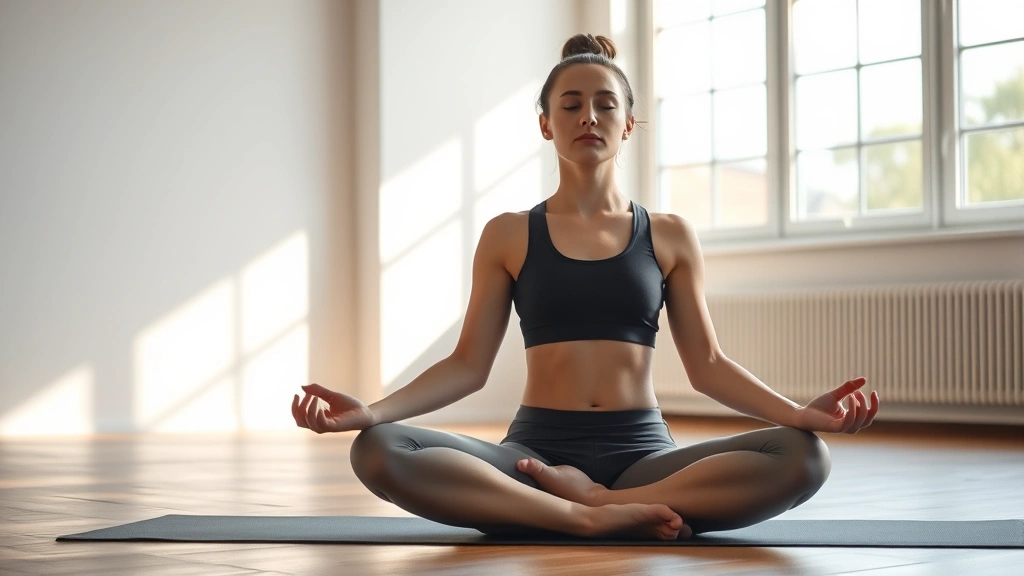
To practice body scan meditation, find a comfortable position, close your eyes, and systematically focus attention on different body parts, starting from your toes and moving upward. When you reach your knees, spend extra time observing any sensations without judgment. This practice typically requires 15-20 minutes and should be performed daily for optimal benefits.
Loving-kindness meditation cultivates compassion and reduces the emotional reactivity to pain. This technique involves directing well-wishes toward yourself and others, which can profoundly shift your relationship with chronic pain. Research shows that loving-kindness meditation reduces pain intensity and emotional suffering associated with chronic conditions.
Breath-focused meditation provides a simple yet powerful tool for immediate pain management. By focusing attention on breathing and using techniques like extended exhales, you activate the parasympathetic nervous system, reducing muscle tension and pain perception. This technique can be practiced for as little as five minutes multiple times daily.
Mindfulness meditation involves observing thoughts, emotions, and physical sensations without judgment or reaction. For patellofemoral syndrome, this practice helps patients develop a different relationship with pain—observing it as a sensation rather than a threat. This perspective shift often reduces pain intensity and improves psychological resilience.
Progressive muscle relaxation, often combined with meditation, involves systematically tensing and relaxing different muscle groups. This technique directly addresses the muscle tension that contributes to patellofemoral pain, particularly in the quadriceps, hamstrings, and hip muscles. The combination of physical relaxation and meditative awareness creates powerful pain-relieving effects.
Integrating Meditation Into Your Treatment Plan
Successfully incorporating meditation into patellofemoral syndrome treatment requires a structured, intentional approach. Begin by consulting with your physical therapist or healthcare provider about adding meditation to your treatment plan. Many therapists can recommend specific techniques or refer you to meditation instructors familiar with pain management.
Start with brief meditation sessions—even five to ten minutes daily—and gradually increase duration as you become more comfortable with the practice. Consistency matters far more than duration, so establishing a daily routine is crucial. Many patients find that meditating immediately after physical therapy sessions or during rest days enhances their overall treatment effectiveness.
Consider joining a structured program like mindfulness-based stress reduction (MBSR), which provides professional instruction and community support. These eight-week programs have strong research support and provide comprehensive training in various meditation techniques. Many hospitals and wellness centers now offer MBSR programs, and some insurance plans cover these interventions.
Explore resources available through the National Institute of Mental Health regarding meditation practice. Additionally, apps like Insight Timer, Calm, and Headspace offer guided meditations specifically designed for pain management. These tools make meditation more accessible for those new to the practice.
Track your progress carefully, noting changes in pain intensity, functional capacity, and emotional wellbeing. Many patients find that meditation’s benefits accumulate gradually over weeks and months. Maintaining a simple journal documenting your meditation practice and pain levels helps identify patterns and reinforces commitment to the practice.
If you’re exploring comprehensive rehabilitation approaches, reviewing physical therapy treatment options alongside meditation can provide valuable context for integrated care. Additionally, understanding therapy cost structures helps you plan your treatment financially, ensuring meditation practice doesn’t strain your budget.
Patience is essential when incorporating meditation into your treatment plan. While some patients notice immediate benefits, others require several weeks of consistent practice before experiencing significant improvements. This gradual approach actually supports long-term success, as it builds sustainable meditation habits that continue benefiting you well after your patellofemoral syndrome resolves.
FAQ
Can meditation alone cure patellofemoral syndrome?
Meditation should not replace physical therapy but rather complement it. While meditation effectively manages pain and supports healing, addressing the biomechanical issues underlying patellofemoral syndrome requires targeted exercises and potentially professional physical therapy guidance. The most effective approach combines both interventions.
How long before meditation helps patellofemoral pain?
Some patients notice immediate benefits from meditation, while others require several weeks of consistent practice. Most research suggests that regular meditation practice produces measurable pain reduction within 4-8 weeks. Consistency matters more than intensity—daily practice typically yields better results than occasional sessions.
What meditation technique is best for knee pain?
Different techniques work for different people. Body scan meditation, loving-kindness meditation, and breath-focused meditation all show promise for pain management. Experimenting with various techniques to identify what resonates with you is recommended. Many find combining multiple techniques most effective.
Can I meditate during physical therapy?
Absolutely. In fact, combining meditation with physical therapy sessions often enhances therapeutic outcomes. Some patients meditate before therapy to reduce anxiety and tension, while others meditate afterward to process the session and support recovery. Discuss timing with your physical therapist.
Are there any risks to meditation for patellofemoral syndrome?
Meditation is generally safe for most people. However, some individuals with trauma histories or certain mental health conditions may need guidance from qualified instructors. Consult with your healthcare provider before beginning meditation practice, especially if you have underlying psychological conditions.
How does meditation affect inflammation related to patellofemoral syndrome?
Meditation reduces stress hormones like cortisol, which directly decreases inflammation throughout the body. By lowering systemic inflammation, meditation creates a more favorable physiological environment for tissue healing. Additionally, reduced muscle tension from meditation decreases localized inflammation around the knee joint.
Should I stop physical therapy if I start meditating?
No—meditation complements rather than replaces physical therapy. Continue your prescribed physical therapy exercises while adding meditation as a supplementary practice. The combination of structural rehabilitation (physical therapy) and neurobiological healing (meditation) creates superior outcomes compared to either approach alone.