Can Physical Therapy Help Patellofemoral Syndrome? Expert Insights and Evidence-Based Solutions
Patellofemoral syndrome, commonly known as runner’s knee, affects millions of people worldwide and represents one of the most prevalent knee conditions in both athletic and sedentary populations. This painful condition occurs when the kneecap (patella) doesn’t track properly over the thighbone (femur), causing discomfort around or behind the kneecap. If you’re experiencing this type of knee pain, you might be wondering whether physical therapy for patellofemoral syndrome can genuinely help, or if it’s just another temporary solution.
The good news is that extensive research and clinical evidence strongly support physical therapy as a first-line treatment for patellofemoral syndrome. In fact, most healthcare professionals recommend conservative approaches like patellofemoral syndrome physical therapy before considering surgical interventions. This comprehensive guide explores how physical therapy works, what the evidence shows, and what you can expect from treatment.
Understanding Patellofemoral Syndrome
Patellofemoral syndrome develops when the patella experiences abnormal stress or tracking, leading to inflammation and pain. Unlike acute injuries, this condition typically develops gradually due to biomechanical issues, muscle imbalances, or training errors. The pain often worsens with activities like climbing stairs, squatting, running, or sitting with bent knees for extended periods.
Several factors contribute to the development of patellofemoral syndrome. Weak hip muscles, particularly the gluteus medius and maximus, allow the knee to collapse inward during movement. Tight quadriceps or hamstrings can alter the mechanics of knee tracking. Additionally, poor patellar alignment, excessive foot pronation, and improper training techniques play significant roles. Understanding these underlying causes is crucial because effective treatment must address the root problems rather than just managing symptoms.
The condition affects approximately 25% of the general population at some point in their lives, with higher prevalence among runners and athletes. However, sedentary individuals with poor posture and weak leg muscles also develop patellofemoral syndrome regularly. Age, sex, and previous knee injuries further increase vulnerability to this condition.
The Role of Physical Therapy in Treatment
Physical therapy serves as the cornerstone of patellofemoral syndrome management, addressing the biomechanical and muscular deficiencies that cause the condition. Unlike medications that merely mask pain, or surgery that carries inherent risks, physical therapy treatment approaches focus on correcting the underlying mechanisms driving pain and dysfunction.
A skilled physical therapist performs a comprehensive evaluation to identify specific impairments contributing to your symptoms. This assessment includes strength testing, flexibility evaluation, movement analysis, and postural assessment. Based on findings, the therapist develops a personalized treatment plan targeting your unique deficits.
The primary goals of PT for patellofemoral syndrome include: strengthening weak muscles, improving flexibility in tight areas, correcting movement patterns, reducing pain and inflammation, and preventing recurrence. Research published in the Journal of Orthopaedic & Sports Physical Therapy demonstrates that structured physical therapy programs achieve success rates exceeding 70-80% in resolving patellofemoral syndrome symptoms.
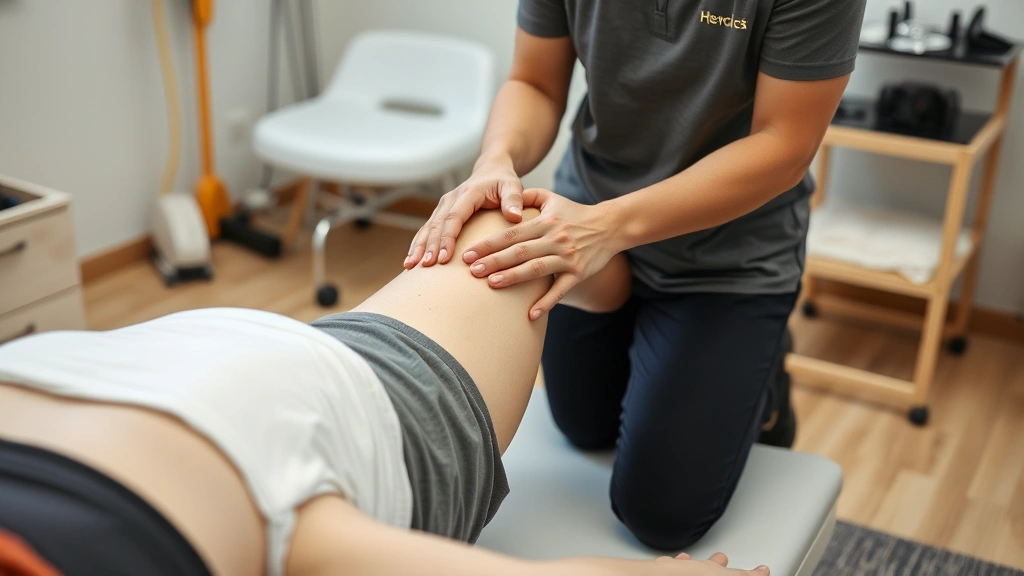
Physical therapists utilize various modalities and techniques to facilitate recovery. These include therapeutic exercise, manual therapy, neuromuscular re-education, and patient education regarding activity modification and proper biomechanics. The multimodal approach ensures comprehensive treatment addressing all contributing factors.
Evidence-Based PT Interventions
Scientific evidence overwhelmingly supports physical therapy effectiveness for patellofemoral syndrome. Multiple randomized controlled trials and systematic reviews confirm that structured PT programs significantly reduce pain and improve function. A landmark study from the National Institutes of Health found that patients receiving 6-8 weeks of targeted physical therapy experienced sustained pain reduction and improved activity tolerance.
Key evidence-based interventions include hip strengthening exercises, which address the primary biomechanical deficit in most patellofemoral syndrome cases. The gluteus medius functions as a critical stabilizer during single-leg activities, preventing dynamic knee valgus (inward collapse). When weak, the femur internally rotates excessively, causing the patella to track abnormally. Strengthening this muscle through targeted exercises dramatically improves patellar tracking and reduces pain.
Quadriceps strengthening, particularly the vastus medialis obliquus (VMO), also proves essential. This muscle component helps stabilize the patella medially, counteracting the natural lateral pull of the vastus lateralis. Selective VMO activation through specific exercises improves patellar stability and reduces compensatory stress.
Flexibility work targeting the quadriceps, hamstrings, calves, and hip flexors addresses muscle tightness that restricts normal knee mechanics. Tight muscles alter movement patterns and increase stress on the patellofemoral joint. Regular stretching combined with foam rolling provides substantial benefits.
Movement pattern correction represents another crucial intervention. Many people with patellofemoral syndrome demonstrate faulty movement patterns including excessive knee valgus during squats and lunges, overpronation during walking, and improper stair descent. Physical therapists use real-time feedback, mirrors, and video analysis to retrain these patterns, establishing new motor control strategies.
Common PT Exercises and Techniques
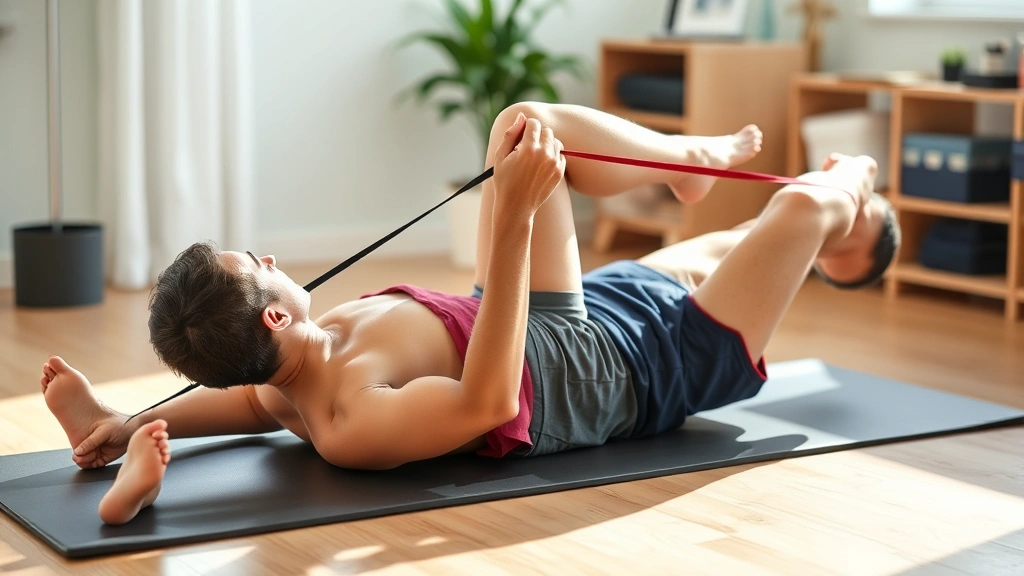
Effective physical therapy programs incorporate specific exercises addressing identified impairments. Common exercises for patellofemoral syndrome include:
- Clamshells: Lying on your side with knees bent, lift the top knee while keeping feet together. This isolates the gluteus medius, strengthening the primary hip abductor responsible for knee stability.
- Lateral band walks: Standing with a resistance band around your legs, walk sideways maintaining slight knee bend. This functional exercise strengthens hip abductors while training proper movement patterns.
- Single-leg squats: Performing squats on one leg challenges hip stability and quad strength simultaneously. This advanced exercise requires proper form to avoid dynamic knee valgus.
- Step-ups: Stepping up onto a platform engages the quadriceps and gluteal muscles in a functional movement pattern. Height progression allows for graduated difficulty.
- Terminal knee extensions: Using a resistance band looped around a door, extend the knee fully against resistance. This isolates the quadriceps, particularly the VMO.
- Monster walks: Walking forward with a resistance band around the legs above the knees. This exercise strengthens hip abductors and external rotators functionally.
- Wall sits: Maintaining an isometric squat position against a wall builds quadriceps endurance and pain tolerance. Duration gradually increases throughout recovery.
Physical therapists also employ manual therapy techniques including soft tissue mobilization, joint mobilizations, and myofascial release. These hands-on interventions reduce muscle tightness, improve tissue extensibility, and decrease pain through various physiological mechanisms. When combined with exercise, manual therapy enhances outcomes compared to either intervention alone.
Taping and bracing represent adjunctive interventions that provide immediate pain relief and proprioceptive feedback. Patellar taping techniques like McConnell taping improve patellar tracking and reduce symptoms during activities. Some patients benefit from knee braces that stabilize the patella, though bracing works best when combined with strengthening to address underlying deficits.
Timeline and Success Rates
Most patients experience meaningful improvement within 4-6 weeks of consistent physical therapy. However, complete resolution typically requires 8-12 weeks of dedicated treatment and home exercise compliance. The timeline varies based on symptom severity, underlying impairments, and adherence to the prescribed program.
Success rates for physical therapy in patellofemoral syndrome are impressive. Research indicates that 70-90% of patients achieve significant pain reduction and functional improvement through conservative treatment. These success rates increase further when patients actively participate in home exercises and lifestyle modifications, demonstrating the importance of patient engagement in recovery.
Importantly, physical therapy provides lasting benefits. Unlike temporary solutions that mask symptoms, PT-induced strength and movement pattern improvements persist long-term, reducing recurrence risk. Studies tracking patients 12 months post-treatment show sustained gains in most individuals who maintain exercise habits.
Factors influencing timeline and outcomes include symptom duration (chronic cases may require longer treatment), age (younger patients typically recover faster), activity level (athletes require more comprehensive training), and adherence (consistent home exercise completion dramatically accelerates progress). Your physical therapist can provide individualized timeline estimates based on your specific presentation.
Complementary Therapies and Lifestyle Modifications
While physical therapy forms the foundation of patellofemoral syndrome treatment, complementary approaches enhance outcomes. Activity modification proves essential—temporarily reducing or modifying activities that aggravate symptoms allows inflammation to decrease while PT addresses underlying causes. This doesn’t mean complete rest; rather, strategic activity adjustment maintains fitness while protecting the knee.
Footwear selection significantly impacts patellofemoral syndrome symptoms. Proper running shoes with appropriate arch support and stability features reduce abnormal foot pronation, which cascades into improved knee mechanics. Consulting with a shoe specialist or podiatrist can optimize this aspect of treatment.
Ice application following activities helps manage inflammation, particularly during initial recovery phases. Most physical therapists recommend ice for 15-20 minutes following exercise or activity. As inflammation decreases, ice becomes less necessary.
Weight management, if applicable, reduces stress on the patellofemoral joint. Each pound of body weight increases knee joint stress by approximately three pounds during weight-bearing activities. Even modest weight loss can substantially reduce symptoms and improve treatment outcomes.
Cross-training with low-impact activities like swimming, cycling, and elliptical training maintains cardiovascular fitness while protecting the knee during recovery. Your physical therapist can recommend specific activities compatible with your current symptoms and recovery stage.
Incorporating therapy into your wellness routine demonstrates commitment to long-term health. Beyond immediate patellofemoral syndrome resolution, physical therapy builds strength and movement competency that prevents future injuries across multiple body regions. Many patients find that complementary therapies like red light therapy enhance recovery when used alongside traditional PT approaches.
Sleep quality and stress management indirectly support recovery by promoting tissue healing and reducing inflammation. Adequate sleep (7-9 hours) optimizes recovery processes, while stress reduction techniques improve pain perception and overall wellbeing.
For individuals interested in broader therapy and wellness resources, comprehensive approaches addressing physical, mental, and emotional health often yield superior outcomes. Those considering career paths in therapeutic fields recognize how physical therapy exemplifies evidence-based, patient-centered care.
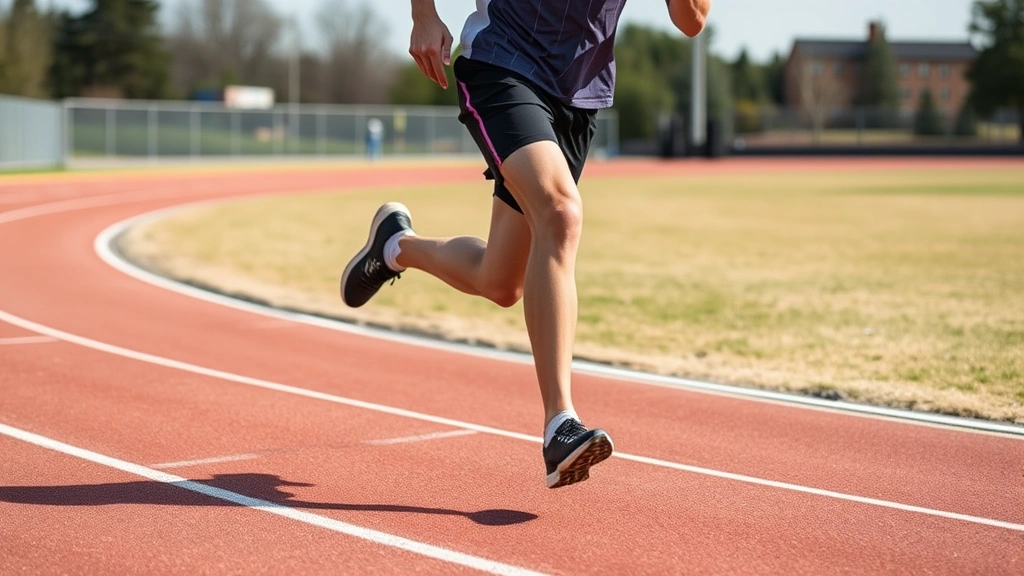
Return to sport or high-impact activities requires careful progression. Your physical therapist will establish criteria-based progression benchmarks ensuring adequate strength and movement competency before advancing intensity. Premature return to full activity represents a common cause of recurrence, making this phase critical.
Frequently Asked Questions
How long does physical therapy for patellofemoral syndrome typically last?
Most patients require 8-12 weeks of consistent physical therapy, attending 2-3 sessions weekly. However, timeline varies based on symptom severity and individual factors. Your therapist provides specific estimates after initial evaluation.
Can patellofemoral syndrome resolve without physical therapy?
Some mild cases may improve with rest and activity modification alone. However, without addressing underlying biomechanical deficits, recurrence is common. Physical therapy dramatically improves outcomes and prevents future episodes by correcting root causes rather than just resting.
Is physical therapy painful?
Quality physical therapy should not cause significant pain. Some muscle soreness following exercise is normal, similar to standard exercise soreness. Your therapist adjusts intensity if pain becomes problematic, ensuring treatment remains tolerable while promoting healing.
What exercises can I do at home for patellofemoral syndrome?
Your physical therapist prescribes specific home exercises based on your impairments. Common ones include clamshells, lateral band walks, step-ups, and quadriceps stretches. Consistency with home exercises is crucial—studies show patients completing home programs recover 30-50% faster than those relying solely on clinic sessions.
Can I continue running while receiving physical therapy for patellofemoral syndrome?
Modified running is often acceptable during treatment, depending on symptom severity. Your therapist guides appropriate activity levels, often recommending reduced distance or frequency initially while building strength. Gradual return to full running capacity follows criteria-based progression.
Do I need imaging studies like MRI for patellofemoral syndrome?
Most patellofemoral syndrome cases don’t require advanced imaging. Clinical evaluation typically suffices for diagnosis. Imaging becomes relevant if symptoms persist despite adequate PT or if other conditions are suspected, which your doctor determines.
What’s the success rate of physical therapy for patellofemoral syndrome?
Research demonstrates 70-90% success rates with structured physical therapy. Success depends heavily on patient compliance with exercises and activity modification. Those completing prescribed programs achieve superior outcomes compared to those with inconsistent participation.
How do I prevent patellofemoral syndrome recurrence?
Continue strengthening exercises indefinitely, maintain proper movement patterns, gradually progress training intensity, wear appropriate footwear, and address any muscle tightness through regular stretching. These habits developed during physical therapy prove essential for long-term prevention.