Can PT Help Patellofemoral Pain? Expert Insights on Physical Therapy Treatment
Patellofemoral pain syndrome (PFPS), commonly known as runner’s knee, affects millions of people worldwide, from competitive athletes to sedentary individuals. This condition causes pain around or behind the kneecap and can significantly impact daily activities, exercise performance, and quality of life. The good news is that physical therapy has emerged as one of the most effective treatment approaches for managing patellofemoral pain, with extensive research supporting its efficacy.
Understanding whether physical therapy can help your patellofemoral pain requires examining the underlying causes, evidence-based treatment protocols, and what you can realistically expect from a structured rehabilitation program. This comprehensive guide explores expert insights, scientific evidence, and practical strategies that make physical therapy a cornerstone of PFPS management.
Understanding Patellofemoral Pain Syndrome
Patellofemoral pain syndrome is a multifactorial condition with various contributing causes. The pain typically originates from abnormal tracking of the patella (kneecap) within the femoral groove, which can result from muscular imbalances, biomechanical issues, or overuse. Unlike acute injuries with a specific traumatic event, PFPS develops gradually, making prevention and early intervention crucial.
The syndrome commonly affects runners, cyclists, and individuals who engage in activities involving repetitive knee bending. However, sedentary lifestyles with poor postural habits can also contribute to PFPS development. Common risk factors include weak hip abductors, tight hip flexors, poor quadriceps strength, and altered movement patterns.
Physical therapists recognize that successful treatment requires identifying the specific underlying causes for each individual. This personalized approach distinguishes effective physical therapy from generic exercise programs, as it addresses root causes rather than merely treating symptoms.
Evidence Supporting Physical Therapy Effectiveness
Extensive scientific research demonstrates that physical therapy is highly effective for patellofemoral pain syndrome. A landmark study published in JAMA found that patients receiving structured physical therapy showed significant improvements in pain and function, with benefits comparable to surgical interventions in many cases.
Research from the National Center for Biotechnology Information indicates that approximately 70-80% of patients with PFPS respond favorably to conservative physical therapy treatment. The American Academy of Orthopaedic Surgeons (AAOS) recommends physical therapy as a first-line treatment option, emphasizing its role in long-term symptom management and prevention of recurrence.
The effectiveness of physical therapy stems from its ability to address multiple impairments simultaneously. Rather than relying on a single intervention, therapists employ a comprehensive approach combining strengthening, flexibility work, movement pattern correction, and activity modification. This multifaceted strategy produces superior outcomes compared to isolated treatments.
If you’re considering broader therapy options, understanding how much therapy costs can help you plan your treatment budget and explore coverage options.
Key Physical Therapy Treatments for PFPS
Successful physical therapy for patellofemoral pain involves several evidence-based treatment modalities:
- Movement Analysis and Correction: Physical therapists assess your movement patterns during walking, running, and functional activities. They identify compensatory movements and teach you proper biomechanics to reduce patellofemoral stress.
- Hip Strengthening: Weakness in hip abductors (particularly the gluteus medius) is a primary contributor to PFPS. Targeted hip strengthening exercises improve pelvic stability and reduce abnormal knee mechanics.
- Quadriceps Strengthening: Balanced quadriceps development, particularly the vastus medialis obliquus (VMO), helps stabilize patellar tracking and distribute forces appropriately.
- Flexibility and Soft Tissue Work: Addressing tightness in the hip flexors, iliotibial band, and calf muscles reduces compensatory stress on the knee.
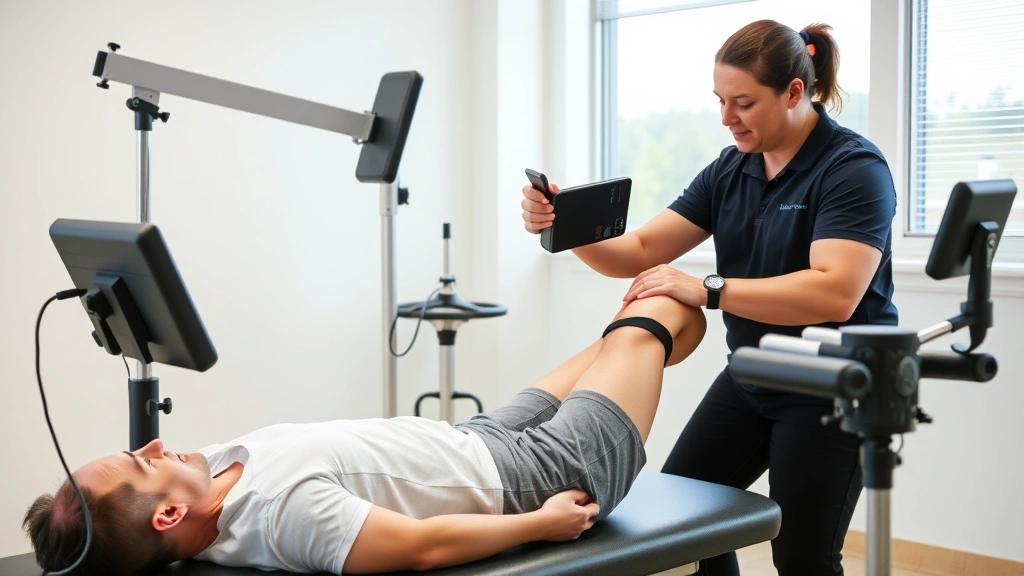
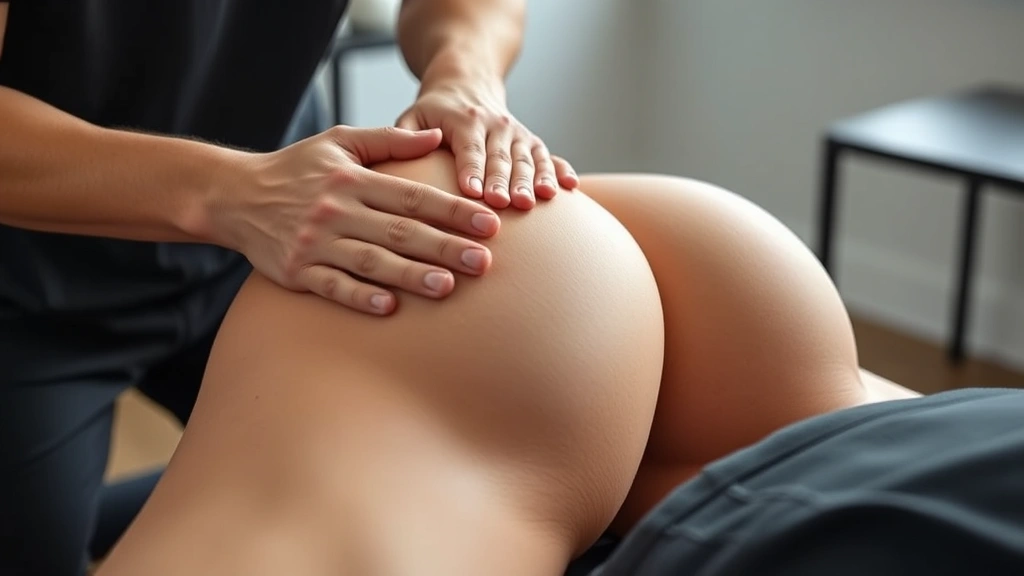
- Manual Therapy: Hands-on techniques including joint mobilization and soft tissue mobilization can reduce pain and improve mobility.
- Taping and Bracing: Temporary patellar taping or knee bracing can provide pain relief while you develop strength, though these are supplementary to exercise-based treatment.
The Journal of Orthopaedic & Sports Physical Therapy publishes clinical practice guidelines emphasizing that exercise-based interventions remain the cornerstone of PFPS management, with consistent adherence being essential for success.
Strengthening Exercises That Work
Effective strengthening programs for patellofemoral pain focus on hip and knee stabilizers. Research consistently demonstrates that targeted exercises produce measurable improvements in pain and function within 4-6 weeks of consistent training.
Essential hip strengthening exercises include:
- Clamshells: Lying on your side, keep your feet together while opening your top knee. This targets the gluteus medius effectively.
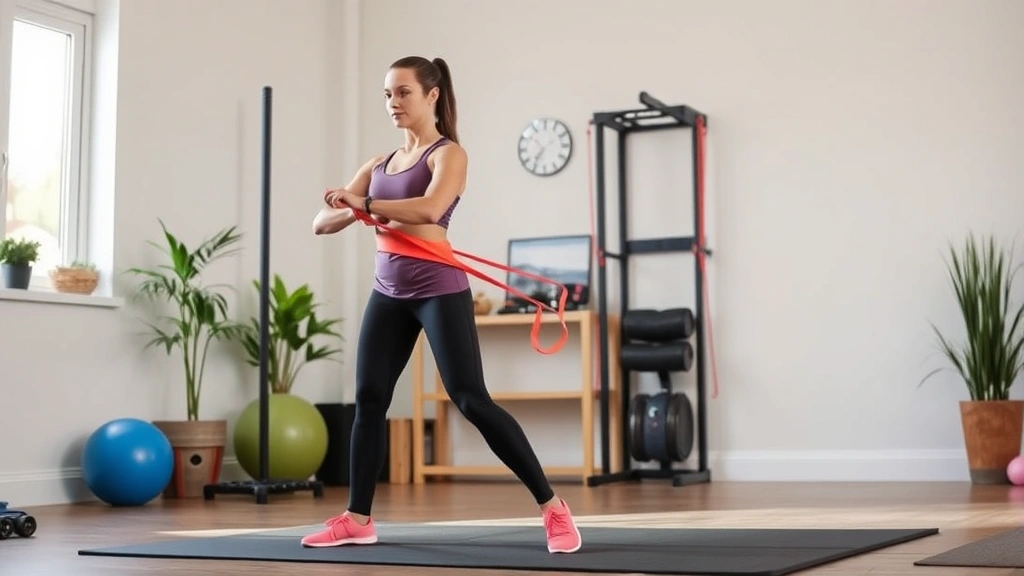
- Lateral Band Walks: Wearing a resistance band around your legs, walk laterally while maintaining slight knee bend. This exercise builds hip abductor strength with functional movement patterns.
- Single-Leg Glute Bridges: Lying on your back with one leg elevated, push through the standing leg to lift your hips. This strengthens glutes while improving stability.
- Monster Walks: Walking forward, backward, and laterally with a resistance band at your knees or ankles builds comprehensive hip strength.
- Step-Ups: Stepping onto a 6-8 inch platform with controlled movement strengthens quadriceps and glutes simultaneously.
Quadriceps strengthening exercises include:
- Straight Leg Raises: Lying on your back, keep your knee straight while lifting your leg to hip height. This isolates the quadriceps without stressing the knee joint.
- Wall Sits: Maintaining a seated position against a wall with knees bent at 60-90 degrees builds quadriceps endurance.
- Terminal Knee Extensions: Using a resistance band, perform the final 30 degrees of knee extension. This targets the VMO specifically.
- Step-Downs: Stepping down from a platform with controlled motion strengthens the quadriceps eccentrically.
Physical therapists emphasize that progressive overload is essential. Starting with lighter resistance and higher repetitions, you gradually increase difficulty as strength improves. This systematic progression prevents re-injury while building functional strength that translates to daily activities.
Recovery Timeline and Expectations
Understanding realistic recovery timelines helps you maintain motivation and comply with your rehabilitation program. Most patients begin experiencing pain reduction within 2-4 weeks of initiating physical therapy, provided they adhere to their prescribed exercises and activity modifications.
Typical recovery progression:
- Weeks 1-2: Initial pain reduction through activity modification and gentle strengthening. You’ll learn proper exercise technique and movement patterns.
- Weeks 3-6: Noticeable improvement in pain levels and functional capacity. Most patients can resume modified versions of their preferred activities.
- Weeks 6-12: Significant strength gains and substantial pain reduction. Return to sport or high-level activities becomes realistic for many patients.
- Beyond 12 weeks: Continued progression and optimization of strength and movement patterns. Long-term success depends on maintaining your strengthening program.
Complete resolution typically takes 3-6 months for most patients, though some may recover faster or slower depending on severity, compliance, and individual factors. Consistency matters more than intensity—performing prescribed exercises regularly produces better outcomes than sporadic intense efforts.
If you’re exploring other therapeutic approaches alongside physical therapy, you might consider red light therapy options as complementary treatments, though physical therapy remains the evidence-based primary intervention.
Prevention Strategies
Once you’ve recovered from patellofemoral pain, maintaining your strength and movement quality prevents recurrence. Expert recommendations emphasize that long-term success requires ongoing maintenance exercises, particularly the strengthening routines that resolved your initial pain.
Effective prevention strategies include:
- Consistent Strengthening: Maintain hip and quadriceps strengthening exercises 2-3 times weekly indefinitely. These exercises should become part of your regular fitness routine rather than temporary rehabilitation measures.
- Proper Running Technique: If you’re a runner, focus on cadence (aim for 170-180 steps per minute), midfoot striking, and avoiding overstriding. Running gait analysis by a physical therapist can identify problematic patterns before they cause pain.
- Gradual Training Progression: Follow the 10% rule when increasing running volume or intensity. Avoid sudden increases that overwhelm tissue adaptation capacity.
- Cross-Training Variety: Incorporate low-impact activities like swimming and cycling to maintain fitness while reducing repetitive knee stress.
- Regular Flexibility Work: Maintain hip and ankle flexibility through consistent stretching and mobility work.
- Weight Management: Maintaining a healthy weight reduces compressive forces through the patellofemoral joint.
- Proper Footwear: Wear shoes appropriate for your foot type and activity. Replace athletic shoes every 300-500 miles to maintain adequate cushioning and support.
For comprehensive information about therapy options and resources, explore the MindLift Daily Blog, which provides extensive therapy-related information and guidance.
FAQ
How long does physical therapy for patellofemoral pain typically take?
Most patients require 8-12 weeks of consistent physical therapy to achieve significant improvement, with complete resolution often taking 3-6 months. Individual timelines vary based on pain severity, adherence to exercises, and specific contributing factors.
Can I return to running during physical therapy?
Yes, but strategically. Physical therapists typically recommend modified running activities early in rehabilitation, gradually increasing volume and intensity as strength improves. Many patients resume pain-free running within 4-8 weeks of starting therapy.
What if physical therapy doesn’t help my patellofemoral pain?
Approximately 20-30% of patients may require additional interventions. If conservative therapy doesn’t produce improvement after 8-12 weeks, your physician may recommend imaging studies, injections, or in rare cases, surgical evaluation. However, most cases respond well to proper physical therapy.
Do I need a prescription to see a physical therapist?
Requirements vary by location and insurance. Many states allow direct access to physical therapy without physician referral, though some insurance plans require prescriptions. Contact your insurance provider or local physical therapy clinic for specific requirements.
How often should I do my home exercises?
Most physical therapists recommend performing prescribed exercises 5-7 days per week initially, gradually reducing frequency as symptoms resolve and maintenance becomes the goal. Consistency matters more than duration—even 15-20 minutes daily is more effective than longer, sporadic sessions.
Can physical therapy prevent patellofemoral pain from returning?
Yes. Maintaining the strengthening exercises that resolved your pain significantly reduces recurrence risk. Continued hip and quadriceps strengthening, proper movement patterns, and gradual training progression prevent most recurrences.
Is physical therapy better than surgery for patellofemoral pain?
For most patients, yes. Research demonstrates that physical therapy produces outcomes comparable to surgery, with the added benefit of avoiding surgical risks and recovery time. Surgery is typically reserved for patients who don’t respond to conservative treatment.
What should I look for in a physical therapist for PFPS?
Seek therapists with experience treating runners or athletes, expertise in lower extremity mechanics, and a focus on functional movement patterns. Board-certified specialists in orthopedic physical therapy (OCS credential) have advanced training in managing musculoskeletal conditions like PFPS. Exploring physical therapy treatment approaches can provide additional perspective on specialized therapy techniques.