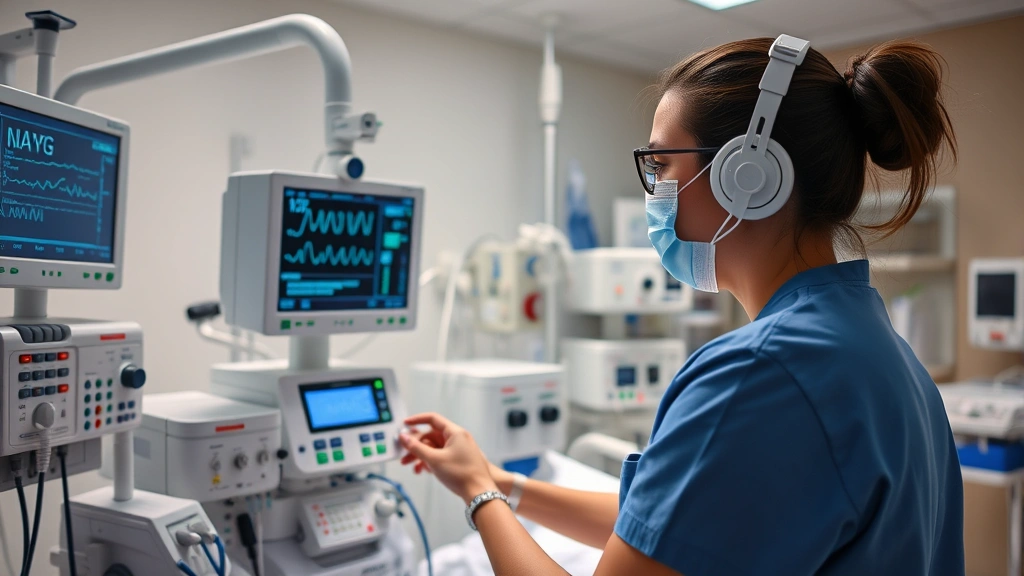
Are Online Respiratory Therapy Programs Effective?
The healthcare landscape has undergone significant transformation in recent years, with online education becoming increasingly prevalent across medical and therapeutic disciplines. Respiratory therapy, a critical healthcare profession requiring specialized knowledge of pulmonary function and patient care, now offers numerous online program options for aspiring professionals. However, the question of effectiveness remains paramount for students considering this educational pathway and employers evaluating graduate competency.
Online respiratory therapy programs combine theoretical instruction with practical clinical requirements, creating a hybrid learning model that differs substantially from traditional on-campus education. Understanding the effectiveness of these programs requires examining accreditation standards, student outcomes, curriculum quality, and the balance between online coursework and hands-on clinical experience that respiratory therapists must master.
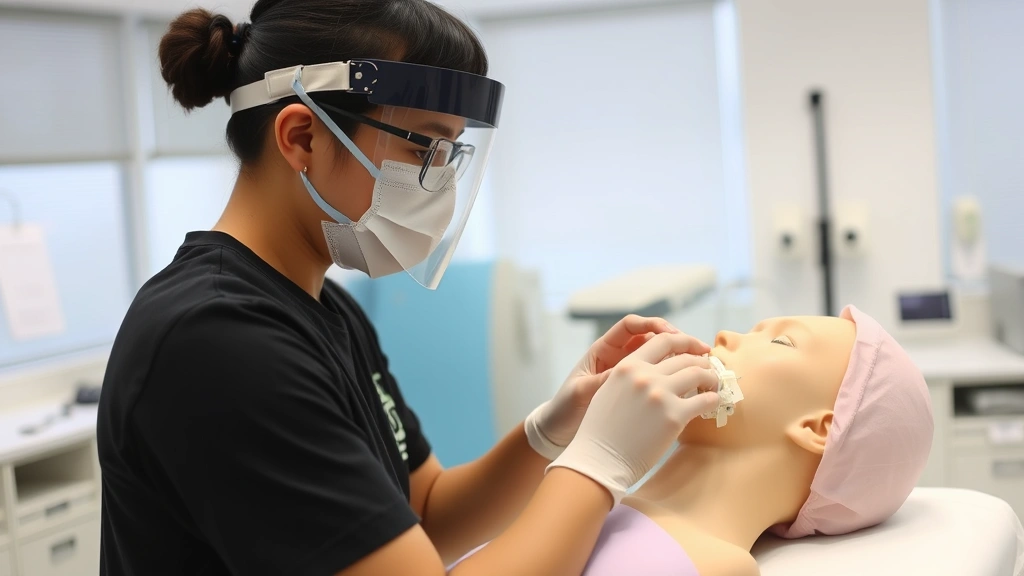
Understanding Respiratory Therapy Education
Respiratory therapy represents a specialized healthcare profession requiring comprehensive knowledge of respiratory physiology, pharmacology, medical equipment operation, and patient care protocols. Respiratory therapists work directly with patients experiencing breathing difficulties, managing ventilators, administering treatments, and collaborating with physicians to optimize patient outcomes. This clinical nature makes the educational preparation particularly important, as inadequately trained therapists could compromise patient safety.
The profession demands competency in multiple domains: theoretical understanding of respiratory disease processes, practical skills in equipment operation and patient assessment, and professional judgment in clinical decision-making. Traditional respiratory therapy programs have historically emphasized classroom instruction combined with extensive clinical rotations in hospital settings. Online programs must therefore maintain educational rigor while adapting delivery methods to accommodate distance learning constraints.
Prospective students exploring therapy resources and educational information will find that respiratory therapy differs significantly from related fields like occupational therapy masters programs, which may offer more flexibility in online delivery. The clinical intensity of respiratory therapy necessitates careful program design to ensure competency development.
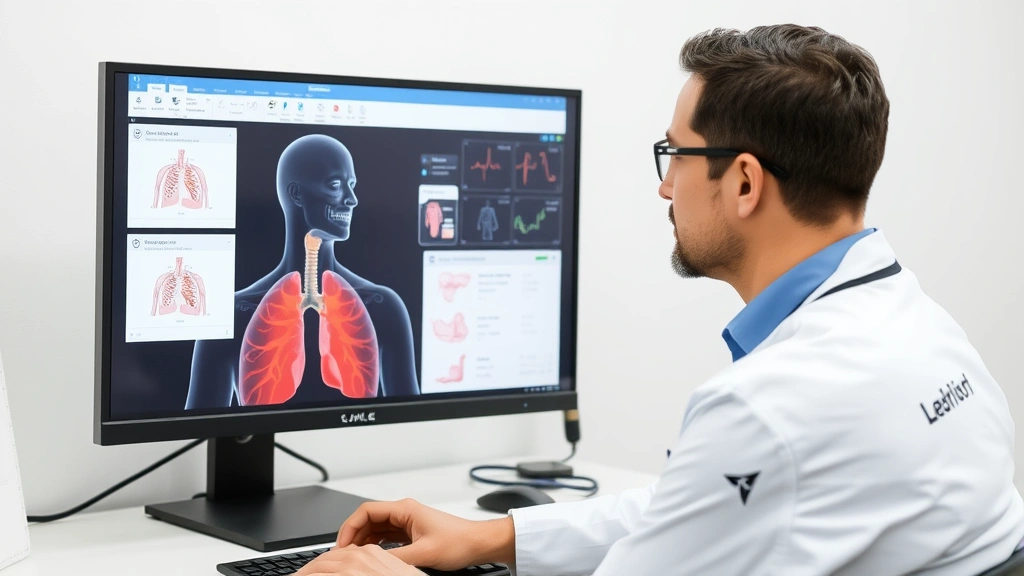
Accreditation and Program Standards
The Commission on Accreditation for Respiratory Care (CoARC) establishes rigorous standards for all respiratory therapy programs, whether delivered online or on-campus. These accreditation requirements ensure that programs meet minimum educational benchmarks, maintain adequate faculty qualifications, provide sufficient clinical experience, and produce graduates capable of passing the Certified Respiratory Therapist (CRT) examination.
CoARC standards mandate specific content areas including cardiopulmonary pathophysiology, therapeutic procedures, equipment operation, patient assessment, and professional practice standards. Accredited online programs must demonstrate how their curriculum delivers this content effectively despite distance delivery. The accreditation body evaluates whether online components maintain educational quality equivalent to traditional delivery methods.
According to the Commission on Accreditation for Respiratory Care, programs must provide evidence of student learning outcomes, graduate success rates, and employer satisfaction. This external oversight provides assurance that online programs meeting accreditation standards have undergone rigorous evaluation. Students should prioritize programs holding active CoARC accreditation, as this credential significantly impacts job prospects and professional credibility.
Accreditation specifically addresses the clinical education component, requiring programs to document adequate clinical hours, qualified clinical instructors, and appropriate clinical sites. This regulatory framework helps prevent the proliferation of inadequate programs while maintaining profession-wide standards.
Online Learning Components and Effectiveness
Online respiratory therapy programs utilize various technological platforms and instructional methods to deliver theoretical content. Video lectures, interactive simulations, virtual laboratories, and discussion forums comprise the typical online learning environment. Research on online education effectiveness indicates that well-designed online instruction can achieve learning outcomes comparable to face-to-face classroom instruction, particularly for content-heavy theoretical material.
Interactive simulations represent a particularly valuable component of online respiratory therapy education. These digital tools allow students to practice ventilator management, equipment troubleshooting, and patient assessment scenarios in a controlled environment before encountering real patients. Studies published in respiratory care education journals demonstrate that simulation-based learning significantly improves student confidence and clinical competency.
Video demonstrations of clinical procedures, recorded by experienced respiratory therapists, provide visual models that students can review repeatedly. This asynchronous learning approach accommodates different learning paces and allows students to master complex technical procedures at their own speed. Compared to online massage therapy school programs, respiratory therapy programs require more intensive technical skill development, necessitating high-quality video and simulation resources.
Discussion forums and virtual office hours create opportunities for student-faculty interaction and peer learning. These synchronous and asynchronous communication channels help maintain academic community despite physical distance. Effective online programs intentionally foster engagement through structured discussion assignments, group projects, and regular feedback mechanisms.
Clinical Requirements and Hands-On Training
The critical component distinguishing respiratory therapy education from purely theoretical online programs involves clinical experience. Online respiratory therapy programs cannot deliver hands-on patient care entirely through distance learning; students must complete substantial clinical rotations in actual healthcare settings. Accreditation standards typically require 1,200 or more clinical hours, completed at approved clinical sites such as hospitals, clinics, and specialty care facilities.
Online programs typically coordinate clinical placements with healthcare facilities in students’ geographic areas, allowing learners to remain in their home communities while completing required clinical hours. This model enables working professionals to pursue respiratory therapy credentials without relocating. However, students bear responsibility for securing clinical placements and managing the logistics of clinical education alongside online coursework.
Clinical preceptors—experienced respiratory therapists supervising student practice—assess hands-on skill development, professional behavior, and clinical judgment. The quality of clinical education depends substantially on preceptor expertise and the clinical site’s commitment to student education. Students in online programs may encounter variation in clinical supervision quality depending on their assigned facilities.
The integration of online theoretical instruction with clinical practice creates a blended learning model that many educators consider ideal for respiratory therapy. Students develop conceptual understanding through online study, then apply knowledge during clinical rotations, reinforcing learning through real-world application. This approach mirrors how speech therapy near me services often combine theoretical training with practical patient interaction.
Student Outcomes and Certification Rates
Evaluating online respiratory therapy program effectiveness requires examining concrete outcome metrics. Certification examination pass rates represent the most objective measure of program quality. The National Board for Respiratory Care (NBRC) administers the CRT and Registered Respiratory Therapist (RRT) examinations, which assess competency across respiratory therapy domains.
Programs with CoARC accreditation typically report certification pass rates exceeding 80%, with many established programs achieving rates above 90%. These statistics suggest that accredited online programs successfully prepare students for credentialing examinations. However, pass rate variation exists among programs, reflecting differences in curriculum quality, student support services, and admission standards.
Employment outcomes provide another effectiveness indicator. Graduates from accredited respiratory therapy programs generally experience strong employment prospects, with job placement rates typically exceeding 85% within six months of graduation. Online program graduates report employment rates comparable to traditional program graduates when graduating from accredited institutions. The respiratory care profession faces persistent workforce shortages, creating favorable employment conditions for qualified graduates.
Student satisfaction surveys reveal generally positive perceptions among online respiratory therapy program participants. Many students appreciate the flexibility of online coursework combined with clinical experience on their schedule. However, some students report challenges with time management, isolation, and the intensity of balancing online coursework with clinical rotations.
Comparing Online vs Traditional Programs
Comparative research examining online and traditional respiratory therapy programs reveals more similarities than differences in graduate outcomes when programs maintain equivalent accreditation standards. Studies published in peer-reviewed respiratory care journals indicate that program format (online versus traditional) does not significantly predict certification examination performance or employment success.
Key differences between online and traditional programs center on convenience, scheduling, and learning environment rather than educational quality. Traditional on-campus programs provide daily face-to-face classroom instruction, immediate access to campus facilities, and structured cohort experiences. Online programs offer scheduling flexibility, reduced relocation requirements, and self-paced learning opportunities for theoretical content.
Both program formats require equivalent clinical hours, clinical competency assessments, and certification examination preparation. The theoretical instruction delivery method appears less consequential than the program’s overall quality, faculty expertise, and clinical education coordination. Students succeeding in online respiratory therapy programs typically demonstrate strong self-direction, time management, and motivation—characteristics that may matter more than program format.
Cost differences frequently favor online programs, which eliminate on-campus housing requirements and often feature lower tuition rates. However, students must factor in clinical site accessibility, travel costs, and potential lost work income during intensive clinical rotations. The total cost-benefit calculation varies significantly based on individual circumstances.
Employer Perspectives on Online Graduates
Healthcare employers generally evaluate respiratory therapy graduates based on certification status, clinical competency, and professional credentials rather than program format. Hospitals and clinical facilities hiring respiratory therapists prioritize candidates holding current CRT or RRT certification, as this credential demonstrates standardized competency assessment. Program format (online or traditional) rarely appears in hiring criteria when certification status is equivalent.
Employers do recognize variation among programs, with CoARC accreditation serving as a quality indicator. Some larger healthcare systems preferentially hire graduates from well-known traditional programs, but this preference reflects institutional familiarity rather than systematic quality differences. As online respiratory therapy programs become increasingly established and produce successful graduates, employer recognition and acceptance continue growing.
Clinical competency assessments during employment orientation reveal whether new graduates possess necessary skills regardless of educational background. Employers report that well-prepared online program graduates demonstrate clinical competency equivalent to traditional program graduates. However, some employers note that online graduates may require additional orientation regarding specific institutional equipment and procedures, a distinction applicable to all new graduates.
Professional networking and mentorship opportunities may differ between online and traditional programs, potentially affecting long-term career development. Traditional on-campus programs facilitate peer relationships and faculty mentorship more naturally through daily interaction. Online program graduates must intentionally build professional networks through clinical placements, professional organizations, and continuing education activities.
Challenges and Limitations
Despite their effectiveness, online respiratory therapy programs present specific challenges that prospective students should understand. Time management represents a significant hurdle, as students juggle online coursework with clinical rotations, often while maintaining employment. The asynchronous nature of online learning requires substantial self-discipline and motivation.
Technical proficiency demands exceed traditional programs, as students must navigate learning management systems, video conferencing platforms, and simulation software. Students lacking technological comfort may experience frustration and struggle with platform navigation, diverting attention from content learning.
Clinical placement coordination can prove challenging in online programs, particularly for students in rural areas or regions with limited respiratory therapy clinical sites. Students bear greater responsibility for identifying and securing clinical placements, which requires initiative and planning. Some students encounter inadequate clinical site options in their geographic areas.
Limited face-to-face interaction with faculty and peers may disadvantage students preferring collaborative learning environments. While online programs provide discussion forums and virtual office hours, these asynchronous interactions differ qualitatively from in-person classroom discussion. Some students report feelings of isolation or difficulty building academic community.
Quality variation exists among online programs, with some institutions investing substantially in instructional design and student support while others offer minimal online resources. Students must carefully evaluate program quality, accreditation status, and support services rather than assuming all online programs maintain equivalent standards.
Cost-Benefit Analysis
Online respiratory therapy programs typically cost less than traditional programs, with tuition ranging from $15,000 to $35,000 depending on program length and institution type. This cost advantage reflects reduced campus infrastructure expenses and lower overhead. However, students must account for additional expenses including clinical site travel, equipment, textbooks, and examination fees.
The flexibility of online programs enables many students to maintain employment while studying, offsetting educational costs through continued income. This financial advantage proves particularly valuable for students unable to relocate or leave the workforce. However, the intensity of clinical rotations may necessitate reduced work hours during certain program periods.
Return on investment calculations favor respiratory therapy education generally, as respiratory therapists earn median salaries around $64,000 annually according to labor statistics. With strong job growth projected through 2032, the profession offers solid career prospects justifying educational investment. Online program graduates experience equivalent salary outcomes as traditional program graduates when holding equivalent credentials.
Long-term career development may differ between online and traditional graduates due to networking differences. However, professional growth depends substantially on individual initiative, continuing education engagement, and clinical experience rather than educational program format. Online graduates can build robust professional networks through clinical placements and professional organization participation.
FAQ
Are online respiratory therapy programs accredited?
Accredited online respiratory therapy programs hold Commission on Accreditation for Respiratory Care (CoARC) accreditation, meeting the same standards as traditional programs. Students should verify accreditation status before enrollment, as accreditation ensures program quality and supports certification examination eligibility. Non-accredited programs may not prepare students adequately for professional credentialing.
How long do online respiratory therapy programs take?
Most online respiratory therapy programs require 18 to 24 months to complete, depending on whether students pursue associate or bachelor degrees and program structure. Some accelerated programs compress content into 12-15 months, while others extend to 30 months for students attending part-time. Clinical rotation scheduling significantly influences program length.
Can I work while completing an online respiratory therapy program?
Many online respiratory therapy students maintain part-time employment while studying, though the intensity of clinical rotations may necessitate reduced work hours during certain semesters. Program schedules vary; some programs coordinate clinical placements to allow continued work, while others require full-time clinical engagement. Prospective students should evaluate program schedules against employment commitments.
Do employers prefer graduates from traditional or online respiratory therapy programs?
Employers typically do not differentiate between online and traditional program graduates, instead evaluating candidates based on certification status, clinical competency, and professional credentials. CoARC-accredited program graduation from either format provides equivalent professional standing. Employer preferences generally reflect institutional familiarity rather than systematic quality differences.
What is the certification pass rate for online respiratory therapy programs?
Accredited online respiratory therapy programs typically report CRT certification pass rates exceeding 80%, with many programs achieving rates above 90%. Pass rates vary among programs, reflecting differences in curriculum quality and student support. Students should research specific program pass rates when comparing options.
How many clinical hours do online respiratory therapy programs require?
CoARC-accredited programs require a minimum of 1,200 clinical hours, completed at approved clinical facilities. Some programs require additional hours, with total clinical requirements ranging from 1,200 to 1,500 hours. These hours must be completed under qualified clinical preceptor supervision in actual healthcare settings.