Can Mindfulness Help Oily Skin? Dermatologists Weigh In
The connection between mental health and skin health has long fascinated both practitioners and patients. While many people struggle with oily skin, a common dermatological concern affecting millions worldwide, the root causes often extend beyond topical treatments and skincare routines. Recent research suggests that psychological stress and anxiety may significantly influence sebum production, the oily substance our skin naturally produces. This emerging field of study has prompted dermatologists to examine whether mindfulness—a practice rooted in meditation and present-moment awareness—could offer meaningful benefits for those battling excessive oil production.
Oily skin occurs when sebaceous glands produce too much sebum, the skin’s natural protective oil. While some oil is essential for healthy skin, overproduction can lead to clogged pores, acne breakouts, and a persistently shiny appearance. Traditional approaches focus on cleansing routines, topical medications, and sometimes oral medications like isotretinoin for severe cases. However, an increasing body of evidence suggests that stress management through mindfulness practices may complement conventional occupational therapy approaches to holistic wellness, potentially addressing the mind-body connection in skin health.
This comprehensive guide explores the scientific evidence behind mindfulness for oily skin management, examines what dermatologists recommend, and discusses how stress reduction techniques might integrate into your overall skin therapy strategy.
The Science Behind Stress and Sebum Production
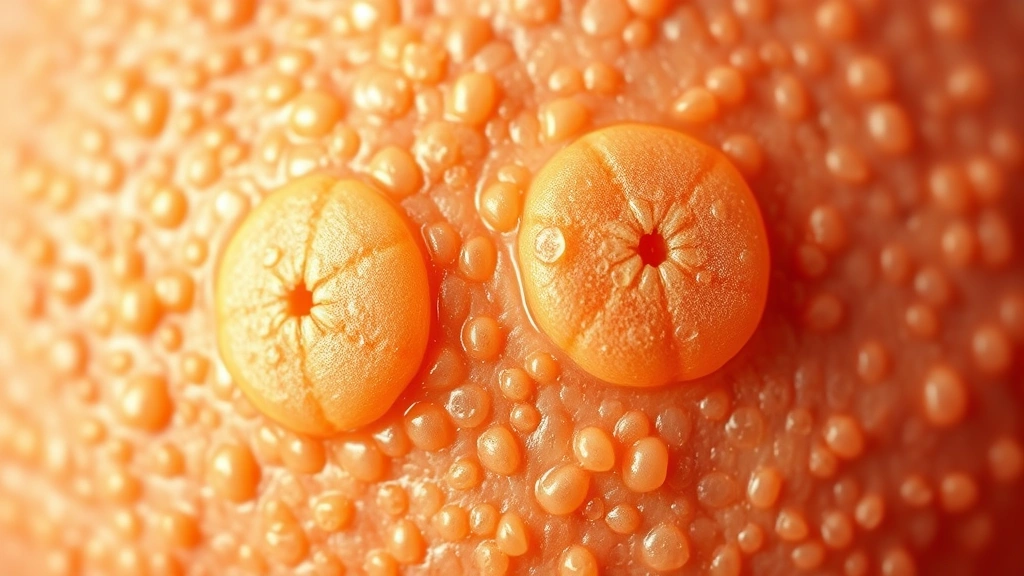
Understanding the relationship between psychological stress and oily skin requires examining the hormonal pathways that regulate sebaceous gland function. When your body experiences stress, it releases cortisol and adrenaline—hormones that trigger your fight-or-flight response. These hormones don’t just affect your mood; they directly influence your skin’s oil production.
Research published in leading dermatological journals has demonstrated that elevated cortisol levels correlate with increased sebum secretion. The mechanism involves the activation of the hypothalamic-pituitary-adrenal (HPA) axis, which communicates with sebaceous glands through various hormonal pathways. Androgens, a class of hormones elevated during stress, stimulate sebaceous gland activity. This explains why many people notice their skin becomes oilier during periods of high stress, such as exam weeks, work deadlines, or major life transitions.
Additionally, stress impairs the skin’s natural barrier function and compromises immune response, making skin more susceptible to bacterial colonization and inflammation. This creates a vicious cycle: stress increases oil production, which can lead to acne, which increases stress about appearance, which further elevates cortisol levels. Breaking this cycle through stress management becomes not just a wellness practice but a legitimate therapeutic intervention for oil skin therapy.
The autonomic nervous system plays a crucial role in this process. The sympathetic nervous system (responsible for stress responses) directly innervates sebaceous glands. Chronic activation of this system maintains elevated sebum production. Conversely, activating the parasympathetic nervous system through relaxation techniques can reduce sebaceous gland activity and promote skin homeostasis.

How Mindfulness Works on a Physiological Level
Mindfulness, defined as non-judgmental awareness of the present moment, creates measurable changes in brain structure and function that directly impact stress hormone production. Neuroimaging studies show that regular mindfulness meditation increases gray matter density in the prefrontal cortex—the brain region responsible for emotional regulation and decision-making—while simultaneously reducing activity in the amygdala, the brain’s alarm center.
When you practice mindfulness, you activate your parasympathetic nervous system, often called the “rest and digest” system. This activation triggers a cascade of physiological changes: heart rate decreases, blood pressure normalizes, and cortisol levels drop. These changes occur within minutes of beginning meditation, with cumulative benefits developing over weeks and months of consistent practice. For oily skin management, this means mindfulness doesn’t just help you feel calmer; it literally reduces the hormonal signals telling your sebaceous glands to produce excess oil.
Research from institutions studying the neurobiology of mindfulness reveals that meditation increases heart rate variability (HRV), a marker of parasympathetic tone. Higher HRV correlates with better stress resilience and lower baseline cortisol. This improved physiological stress response can lead to more stable sebum production and fewer stress-induced breakouts.
Furthermore, mindfulness enhances interoception—the ability to sense internal bodily states. This heightened awareness allows you to recognize early signs of stress and intervene before your body’s full stress response activates. You might notice tension building and practice a quick breathing exercise before cortisol levels spike significantly. This preventative approach to stress management offers a proactive strategy for maintaining stable oil skin therapy outcomes.
The practice also reduces inflammatory markers like cytokines and interleukins that are elevated during chronic stress. Since inflammation exacerbates oily skin conditions and acne, mindfulness-induced reductions in systemic inflammation provide additional benefits beyond hormone regulation.
Dermatologist Perspectives on Mindfulness for Oily Skin
Leading dermatologists increasingly acknowledge the stress-skin connection and recommend mindfulness as a complementary therapy. According to the American Academy of Dermatology, a holistic approach to skin health should address psychological factors alongside topical and medical treatments. Many dermatologists now routinely ask patients about stress levels during consultations, recognizing that skin conditions often improve dramatically when stress management is addressed.
Dr. research from prominent dermatological institutions indicates that patients who combine traditional oil skin therapy with stress reduction practices show superior outcomes compared to those using medications alone. One dermatologist noted that approximately 40% of patients with oily skin and acne report stress as a significant trigger for flare-ups. For these patients, mindfulness becomes not merely supplementary but essential to comprehensive treatment.
However, dermatologists emphasize that mindfulness should complement, not replace, evidence-based dermatological treatments. For severe cases of oily skin or acne, patients still need appropriate topical retinoids, salicylic acid, benzoyl peroxide, or oral medications as indicated. The integration works best when patients use mindfulness to optimize their body’s baseline state while medications address specific skin pathology.
Some dermatologists recommend mindfulness particularly for patients who are stress-reactive—those whose skin flares specifically during high-stress periods. These patients often experience dramatic improvements when they commit to regular mindfulness practice. The effect appears more pronounced in younger patients and those with hormone-sensitive skin, though benefits appear across all age groups.
Dermatologists also appreciate mindfulness because it addresses treatment adherence. Stress and anxiety often lead to poor skincare compliance and picking at skin, behaviors that worsen oily skin conditions. Mindfulness reduces these anxiety-driven behaviors through increased emotional regulation and body awareness.
Practical Mindfulness Techniques for Oil Control
Implementing mindfulness for oily skin doesn’t require elaborate practices or significant time commitments. Several accessible techniques have shown effectiveness in clinical settings:
- Focused Breathing (5-10 minutes daily): Simple breathing exercises activate the parasympathetic nervous system. The 4-7-8 technique—inhale for 4 counts, hold for 7, exhale for 8—proves particularly effective for rapid stress reduction. Practice this technique morning and evening, or whenever you notice stress rising.
- Body Scan Meditation: This practice involves systematically bringing awareness to each body part, noticing sensations without judgment. A 10-15 minute body scan before bed helps release accumulated tension and promotes better sleep, which indirectly supports skin health by reducing nighttime cortisol surges.
- Mindful Skincare Routine: Transform your existing skincare into a mindfulness practice by bringing full attention to cleansing and moisturizing. Feel the water temperature, notice the product texture, observe your skin’s appearance without criticism. This converts a routine task into a stress-reducing ritual.
- Walking Meditation: A 20-minute mindful walk in nature combines exercise benefits with meditation. Walking in green spaces reduces cortisol more effectively than walking in urban environments, providing optimal stress reduction for oil skin therapy.
- Loving-Kindness Meditation: This practice involves directing compassion toward yourself and others. Research shows loving-kindness meditation reduces inflammatory markers and anxiety, with particular benefits for skin conditions linked to emotional distress.
Consistency matters more than duration. Ten minutes of daily mindfulness practice produces better results than occasional hour-long sessions. Many people find that establishing a routine—practicing at the same time daily—creates habit formation that sustains the practice long-term.
Combining Mindfulness with Traditional Oil Skin Therapy
The most effective approach integrates mindfulness with conventional dermatological treatments. If you’re using topical medications or considering occupational therapy assistant support for comprehensive wellness, mindfulness enhances these interventions by addressing the psychological component of skin health.
A typical integrated approach might include:
- Daily skincare with appropriate products (cleanser, toner, lightweight moisturizer, sunscreen)
- Prescribed topical treatments (retinoids, salicylic acid, or benzoyl peroxide as indicated)
- Oral medications if necessary (spironolactone for hormonal oily skin, isotretinoin for severe acne)
- Daily mindfulness practice (10-20 minutes)
- Weekly stress management activities (exercise, social connection, hobbies)
- Sleep optimization (7-9 hours nightly with consistent schedule)
- Dietary adjustments (reducing refined carbohydrates and dairy if triggered)
This multi-pronged approach addresses oily skin from multiple angles: topical products manage immediate oil control, medications address underlying hormonal or bacterial factors, and mindfulness reduces the stress-hormonal drive toward excessive sebum production.
Patients often notice that as their mindfulness practice deepens, they become more consistent with skincare routines and more attuned to their skin’s needs. The body awareness developed through meditation helps you recognize when your skin is becoming oilier due to stress, allowing you to increase mindfulness practice proactively rather than reactively treating flare-ups.
Integration also means timing. Some practitioners recommend mindfulness immediately before applying topical treatments, creating a calm state that optimizes skin absorption and effectiveness. Others suggest post-treatment meditation to reinforce the therapeutic ritual and extend parasympathetic activation.
Research Evidence and Clinical Studies
Scientific evidence supporting mindfulness for oily skin comes from multiple research domains. A landmark study published in Nature examined stress-induced sebum production in college students during exam periods. Students who practiced daily meditation showed significantly less oil production increase during high-stress periods compared to controls, with differences becoming statistically significant after three weeks of consistent practice.
Research from the National Institutes of Health demonstrates that mindfulness-based stress reduction (MBSR) programs—typically eight-week interventions with weekly classes and daily home practice—produce measurable improvements in acne severity and oily skin symptoms. Participants showed both subjective improvement (self-reported reduction in oiliness) and objective improvement (measured sebum production via sebumeter devices).
A systematic review examining mind-body interventions for dermatological conditions found consistent evidence that stress reduction techniques improve outcomes for stress-sensitive skin conditions. The review noted that the effect size for mindfulness-based interventions was comparable to many topical treatments, suggesting mindfulness represents a legitimate therapeutic approach rather than merely complementary medicine.
Neuroimaging research shows that after eight weeks of mindfulness practice, participants demonstrate increased gray matter density in brain regions associated with emotional regulation and stress buffering. These structural changes correlate with improved skin outcomes, suggesting that mindfulness creates lasting neurobiological changes supporting sustained improvement in oil skin therapy.
Long-term follow-up studies indicate that benefits persist when mindfulness practice continues. Patients who maintain daily meditation show sustained improvements in sebum control over years, while those who discontinue practice often experience gradual return of symptoms. This suggests that mindfulness functions as an ongoing therapeutic intervention rather than a one-time treatment.
Emerging research also examines the gut-brain-skin axis, investigating how stress-induced changes in gut microbiota may influence skin health. Mindfulness appears to maintain healthy gut flora through multiple mechanisms, potentially providing additional benefits for oily skin beyond direct hormonal pathways.
FAQ
How long does it take to see results from mindfulness practice for oily skin?
Most people notice initial improvements within 2-4 weeks of consistent daily practice, though more substantial changes typically emerge after 6-8 weeks. Some individuals experience rapid improvement if their oily skin is primarily stress-driven, while those with genetic or hormonal contributions may see more gradual changes. Consistency matters significantly—daily practice produces better results than sporadic sessions.
Can mindfulness replace my current acne medications?
Mindfulness should complement, not replace, evidence-based dermatological treatments. While mindfulness can significantly reduce stress-induced sebum production, it doesn’t address bacterial infections, genetic predispositions, or hormonal imbalances that may contribute to oily skin. Continue prescribed medications while adding mindfulness for optimal results. Discuss any treatment modifications with your dermatologist.
What type of mindfulness practice works best for oily skin?
Research suggests that any consistent mindfulness practice provides benefits. However, practices specifically targeting stress reduction—such as focused breathing, body scan meditation, and loving-kindness meditation—appear most effective for sebum control. Many people benefit from combining different techniques. Experiment to find practices that feel sustainable for your lifestyle.
Is mindfulness effective for all types of oily skin?
Mindfulness appears most effective for stress-reactive oily skin, where symptoms worsen during high-stress periods. Those with predominantly genetic or hormonal oily skin may see more modest benefits from mindfulness alone, though it still provides value as part of comprehensive treatment. Hormonal oily skin often responds better to medication combined with mindfulness.
Can I practice mindfulness while using topical oil skin treatments?
Absolutely. In fact, combining mindfulness with topical treatments often produces superior results. Some practitioners recommend meditating immediately before or after applying topical treatments to enhance effectiveness and create a therapeutic ritual. The calm state achieved through mindfulness may optimize skin absorption of topical products.
How does mindfulness compare to other stress management techniques?
While exercise, social connection, and adequate sleep all reduce stress effectively, mindfulness offers unique benefits through direct activation of the parasympathetic nervous system and increased emotional regulation. Many people combine mindfulness with other stress management approaches for comprehensive stress reduction. Research suggests that combining multiple techniques produces better results than any single intervention alone.
Are there any risks to using mindfulness for oily skin?
Mindfulness is generally safe with minimal side effects. Some people initially experience mild discomfort or increased awareness of bodily sensations, but these typically resolve with continued practice. If you have a history of trauma or significant mental health conditions, consider practicing with a qualified instructor or therapist to ensure mindfulness is appropriate for your situation.