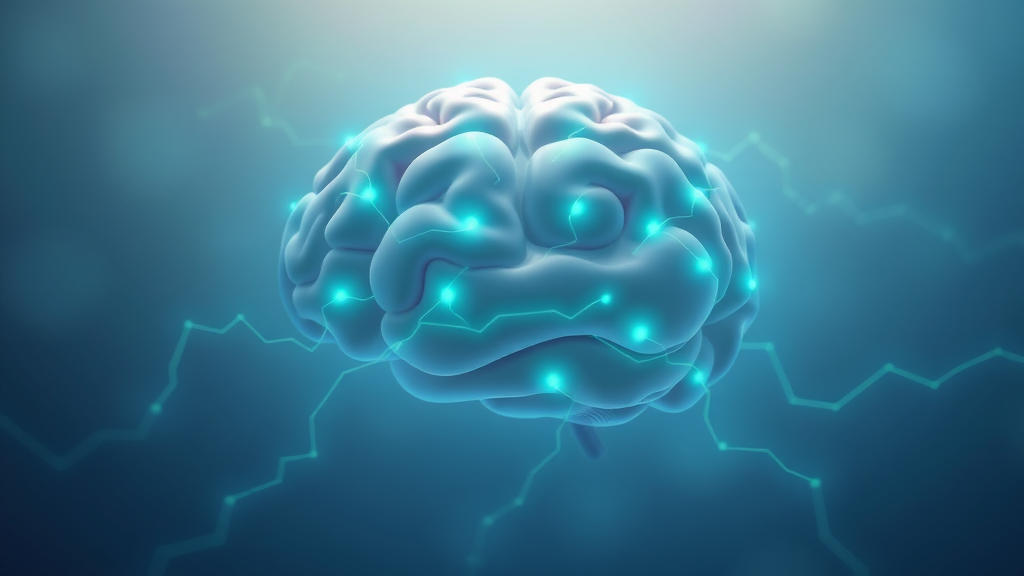
In our increasingly fast-paced world, finding effective ways to achieve mental calm and emotional balance has become more important than ever. If you’ve been struggling with anxiety, stress, ADHD, or other mental health challenges, you may have heard about neurofeedback therapy as a promising, non-invasive treatment option. This innovative approach to mental wellness is gaining recognition for its ability to help individuals retrain their brains and achieve lasting improvements in their emotional well-being.
Neurofeedback therapy offers a unique path to mental health recovery by working directly with your brain’s natural ability to change and adapt. Unlike traditional talk therapy or medication, this cutting-edge treatment uses real-time monitoring of brain activity to help you learn how to regulate your mental states more effectively. As you search for “neurofeedback therapy near me,” you’re taking an important step toward discovering a treatment that could transform your relationship with stress, anxiety, and emotional regulation.
What Is Neurofeedback Therapy?
Neurofeedback therapy, also known as EEG biofeedback, is a form of biofeedback that uses real-time displays of brain activity to teach self-regulation of brain function. This non-invasive treatment involves placing sensors on the scalp to monitor brainwave patterns, which are then displayed on a computer screen in the form of visual or auditory feedback.
During a neurofeedback session, you’ll engage in activities like watching a movie, listening to music, or playing a simple computer game. The unique aspect is that the feedback you receive—whether the screen brightens, the music plays clearly, or the game responds—is directly controlled by your brain activity. When your brain produces the desired patterns, you receive positive feedback, gradually training your brain to maintain these healthier patterns.
This therapeutic approach is based on the principle of neuroplasticity, which is the brain’s remarkable ability to reorganize and form new neural connections throughout life. By providing immediate feedback about brain activity, neurofeedback helps individuals learn to consciously influence their brainwave patterns, leading to improved mental states and emotional regulation.
The National Center for Biotechnology Information has published numerous studies supporting the efficacy of neurofeedback for various mental health conditions, establishing it as an evidence-based treatment option that complements traditional therapeutic approaches.
How Neurofeedback Works for Mental Wellness
The human brain operates using electrical impulses that create distinct patterns called brainwaves. These patterns correspond to different mental states: beta waves are associated with focused attention, alpha waves with relaxed awareness, theta waves with deep relaxation and creativity, and delta waves with sleep. When these patterns become dysregulated due to stress, trauma, or neurological conditions, it can lead to various mental health challenges.
Neurofeedback works by identifying problematic brainwave patterns and providing real-time feedback to help normalize them. For example, individuals with ADHD often show excessive theta waves and insufficient beta waves in areas responsible for attention and focus. Through neurofeedback training, they can learn to increase beta activity and decrease excessive theta activity, leading to improved concentration and reduced hyperactivity.
The process involves several key components:
- Assessment: Initial brain mapping (qEEG) identifies specific areas of dysregulation
- Protocol Development: Customized training protocols target individual needs
- Training Sessions: Regular sessions where real-time feedback guides brain activity
- Progress Monitoring: Continuous assessment ensures optimal treatment outcomes
- Integration: Skills learned during sessions transfer to daily life situations
Unlike medication, which provides temporary symptom relief, neurofeedback creates lasting changes in brain function. The skills learned during treatment become permanent, as the brain maintains its newly acquired ability to self-regulate. This makes neurofeedback particularly appealing for individuals seeking long-term solutions without ongoing medication dependence.
Conditions Successfully Treated with Neurofeedback
Research has demonstrated neurofeedback’s effectiveness for a wide range of mental health and neurological conditions. The American Psychological Association recognizes neurofeedback as an evidence-based treatment for several conditions, making it an increasingly popular choice among healthcare providers and patients alike.
ADHD and Attention Disorders: Neurofeedback has shown remarkable success in treating ADHD, with studies indicating improvement rates comparable to medication but with lasting effects. Children and adults with ADHD often experience significant improvements in attention, impulse control, and hyperactivity after completing neurofeedback training.
Anxiety and Stress Disorders: By training the brain to produce calmer brainwave patterns, neurofeedback helps individuals develop better stress management skills. Many people report reduced anxiety levels, improved sleep, and enhanced emotional regulation after treatment.
Depression: Neurofeedback can help rebalance brain activity in areas associated with mood regulation. Combined with traditional therapy approaches like somatic therapy near me, it offers a comprehensive treatment approach for depression.
Trauma and PTSD: For individuals who have experienced trauma, neurofeedback can help calm an overactive nervous system and reduce symptoms like hypervigilance, flashbacks, and emotional dysregulation. This makes it a valuable complement to trauma-focused therapies, though it’s important to understand the dangers of EMDR therapy when considering treatment options.
Sleep Disorders: By training the brain to produce appropriate sleep-related brainwave patterns, neurofeedback can significantly improve sleep quality and help establish healthy sleep cycles.
Autism Spectrum Disorders: Many individuals on the autism spectrum benefit from neurofeedback training, showing improvements in social interaction, communication, and behavioral regulation.
Key Benefits of Neurofeedback Therapy
Neurofeedback therapy offers numerous advantages that make it an attractive treatment option for individuals seeking alternatives to traditional approaches. Understanding these benefits can help you make an informed decision about whether this treatment aligns with your wellness goals.
Non-Invasive and Drug-Free: One of the most significant advantages of neurofeedback is that it doesn’t require medication or invasive procedures. This makes it suitable for individuals who prefer natural approaches or who have experienced side effects from psychiatric medications.
Long-Lasting Results: Unlike treatments that provide temporary relief, neurofeedback creates permanent changes in brain function. Once your brain learns to self-regulate more effectively, these skills typically persist long after treatment ends.
Personalized Treatment: Each neurofeedback protocol is tailored to your specific brain patterns and needs. This individualized approach ensures that you receive the most effective treatment for your unique situation.
Minimal Side Effects: Most people experience no negative side effects from neurofeedback training. Some individuals may feel slightly tired after initial sessions as their brain adapts to the training, but these effects are typically mild and temporary.
Improved Overall Brain Function: Beyond addressing specific symptoms, neurofeedback often leads to improvements in cognitive function, creativity, and overall mental clarity. Many people report enhanced focus, better memory, and increased emotional resilience.

Complementary to Other Treatments: Neurofeedback works well alongside other therapeutic approaches. Whether you’re considering therapy for teens near me or exploring options like MERT therapy, neurofeedback can enhance the effectiveness of your overall treatment plan.
Finding Quality Neurofeedback Providers Near You
Locating qualified neurofeedback practitioners in your area requires careful research and consideration of several important factors. The quality of your treatment depends heavily on the expertise and experience of your provider, making this selection process crucial to your success.
Certification and Training: Look for practitioners who have completed comprehensive training programs and hold certifications from recognized organizations such as the Biofeedback Certification International Alliance (BCIA) or the International Society for Neurofeedback and Research (ISNR). These certifications ensure that your provider has met rigorous standards for education and clinical experience.
Experience and Specialization: Consider providers who have specific experience treating your particular condition. Some practitioners specialize in ADHD, while others focus on anxiety, trauma, or peak performance training. Ask about their success rates and request references from previous clients when appropriate.
Equipment and Technology: Quality neurofeedback requires sophisticated equipment and software. Ensure that your provider uses FDA-approved devices and stays current with technological advances in the field. Modern systems should provide clear, real-time feedback and comprehensive progress tracking.
Treatment Approach: Different providers may use various neurofeedback protocols and approaches. Some focus on traditional frequency-based training, while others use newer approaches like LORETA or real-time fMRI neurofeedback. Discuss these options to understand which approach might be best for your needs.
Initial Assessment: Reputable providers typically conduct thorough initial assessments, often including quantitative EEG (qEEG) brain mapping. This assessment helps identify specific areas of dysfunction and guides the development of your personalized treatment protocol.
To find providers in your area, consider starting with online directories from professional organizations, consulting with your healthcare provider for referrals, or contacting local mental health clinics that offer integrative treatment approaches.
What to Expect During Treatment
Understanding what happens during neurofeedback therapy can help alleviate any anxiety about the process and set appropriate expectations for your treatment journey. Most people find the experience relaxing and engaging, though the specific details may vary depending on your provider and treatment protocol.
Initial Consultation: Your first visit typically involves a comprehensive intake interview where you’ll discuss your symptoms, medical history, and treatment goals. Your provider will explain how neurofeedback works and answer any questions you may have about the process.
Brain Mapping (qEEG): Many providers begin with quantitative EEG testing, which creates a detailed map of your brain’s electrical activity. This non-invasive procedure involves wearing a cap with sensors while your brain activity is recorded. The results help identify specific areas of dysregulation and guide treatment planning.
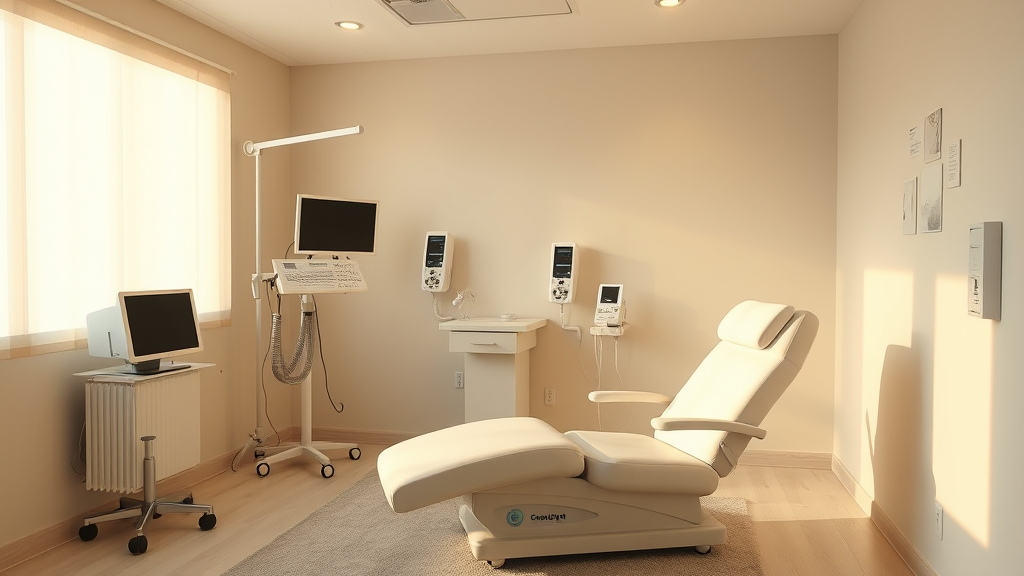
Treatment Sessions: During actual neurofeedback sessions, you’ll sit comfortably in a chair while sensors are placed on your scalp. These sensors simply monitor your brain activity—they don’t deliver any electrical stimulation. You’ll then engage in activities like watching movies, listening to music, or playing simple games while receiving real-time feedback about your brain activity.
Session Frequency and Duration: Most treatment protocols involve 20-40 sessions, with 2-3 sessions per week being typical. Each session usually lasts 30-60 minutes, depending on the specific protocol and your individual needs. Some people notice improvements within the first few sessions, while others may require more time to see significant changes.
Progress Monitoring: Throughout treatment, your provider will regularly assess your progress through symptom tracking, follow-up qEEGs, and feedback about your daily functioning. This ongoing monitoring allows for protocol adjustments to optimize your results.
Home Practice: Some providers may recommend home practice activities or provide portable neurofeedback devices for additional training between sessions. While not always necessary, these supplements can accelerate progress for motivated individuals.
Cost and Insurance Considerations
Understanding the financial aspects of neurofeedback therapy is essential for planning your treatment. While costs can vary significantly based on location, provider experience, and treatment duration, being informed about pricing and insurance coverage will help you make the best decision for your situation.
Typical Costs: Neurofeedback sessions generally range from $75 to $200 per session, with most providers charging between $100-150. Initial assessments and brain mapping may cost additional fees, typically ranging from $300-500. Given that most treatment protocols require 20-40 sessions, the total investment can range from $2,000 to $8,000.
Insurance Coverage: Insurance coverage for neurofeedback varies widely among providers and plans. Some insurance companies cover neurofeedback when it’s provided by licensed healthcare professionals for specific conditions like ADHD or epilepsy. Others may require prior authorization or consider it experimental. It’s essential to check with your insurance provider before beginning treatment to understand your coverage options.
Payment Options: Many neurofeedback providers offer flexible payment plans or package deals for multiple sessions. Some also accept Health Savings Accounts (HSA) or Flexible Spending Accounts (FSA) for payment. When comparing costs, consider asking about package deals, which often provide significant savings compared to individual session rates.
Value Considerations: While the upfront cost may seem significant, many people find neurofeedback to be cost-effective in the long term. Unlike ongoing therapy or medication costs, neurofeedback typically provides lasting results after the treatment series is complete. When considering how much is therapy over time, neurofeedback may offer better long-term value for certain conditions.
Comparing Alternatives: When evaluating costs, it’s helpful to compare neurofeedback with other treatment options. For instance, understanding TMS therapy cost can provide perspective on various mental health treatment investments.
The Mayo Clinic provides additional information about biofeedback therapies and their applications, which can help you understand the broader context of these treatments.
Frequently Asked Questions
How long does it take to see results from neurofeedback therapy?
Most people begin noticing subtle changes within the first 5-10 sessions, with more significant improvements typically appearing after 15-20 sessions. However, the timeline varies based on individual factors such as the severity of symptoms, consistency of training, and specific condition being treated. Some individuals may experience rapid improvements, while others require the full protocol of 30-40 sessions to achieve optimal results. It’s important to maintain realistic expectations and trust the process, as brain training requires time and repetition to create lasting changes.
Is neurofeedback therapy safe for children and teenagers?
Yes, neurofeedback is considered very safe for children and teenagers. In fact, younger individuals often respond more quickly to treatment due to their brain’s enhanced neuroplasticity. The therapy is completely non-invasive, involving only the monitoring of brain activity through sensors placed on the scalp. No electrical stimulation is applied to the brain, making it a safe alternative to medication for conditions like ADHD, anxiety, and behavioral issues. Many parents choose neurofeedback as a first-line treatment before considering pharmaceutical interventions.
Can neurofeedback replace medication for mental health conditions?
While neurofeedback has shown significant success in reducing or eliminating the need for medication in many cases, it’s essential to work with your healthcare provider when making any changes to prescribed medications. Some individuals are able to reduce or discontinue medications after successful neurofeedback training, while others may use it as a complementary treatment alongside medication. The decision should always be made collaboratively with your prescribing physician, who can monitor your progress and adjust medications safely as your symptoms improve.
What conditions does neurofeedback NOT treat effectively?
While neurofeedback is effective for many conditions, it’s not appropriate for all mental health issues. Severe psychiatric conditions such as active psychosis, bipolar disorder in manic phases, or severe personality disorders may require other forms of treatment. Additionally, neurofeedback cannot address conditions caused by structural brain damage or genetic disorders. It’s most effective for functional brain dysregulation rather than structural abnormalities. A qualified provider will assess your specific situation and recommend whether neurofeedback is appropriate for your needs.
How do I know if my neurofeedback provider is qualified?
Look for providers who hold certifications from recognized organizations such as BCIA (Biofeedback Certification International Alliance) or ISNR (International Society for Neurofeedback and Research). They should have completed extensive training programs and maintain continuing education requirements. Additionally, qualified providers should conduct thorough initial assessments, use FDA-approved equipment, provide clear explanations of their treatment approach, and offer regular progress monitoring. Don’t hesitate to ask about their credentials, experience with your specific condition, and success rates with previous clients.
Are there any side effects from neurofeedback therapy?
Neurofeedback therapy has minimal side effects compared to many other treatments. The most commonly reported effects include temporary fatigue after sessions, particularly in the beginning as your brain adapts to the training. Some people may experience mild headaches or feel slightly “different” as their brain patterns change. These effects are typically mild and short-lived, usually resolving within a few hours after sessions. Serious side effects are extremely rare, making neurofeedback one of the safest mental health treatments available.
How does neurofeedback compare to other brain stimulation therapies?
Unlike treatments such as TMS (Transcranial Magnetic Stimulation) or ECT (Electroconvulsive Therapy), neurofeedback doesn’t involve any external stimulation of the brain. Instead, it works by training your brain to self-regulate more effectively through feedback about its own activity. This makes it gentler and often more acceptable to individuals who are hesitant about brain stimulation procedures. While other treatments may work faster, neurofeedback typically provides more lasting results because it teaches your brain new patterns rather than temporarily altering brain chemistry or activity. The choice between treatments depends on your specific condition, preferences, and treatment goals, and should be discussed with qualified healthcare providers.