Nature Therapy: Can It Boost Mental Health? Experts Say Yes
The human connection to nature runs deeper than appreciation for scenic landscapes. For centuries, cultures worldwide have recognized the therapeutic power of natural environments, yet modern science is only now quantifying what many intuitively know: spending time in nature significantly improves mental health outcomes. Recent research from leading institutions confirms that nature therapy—also called ecotherapy or green therapy—offers measurable benefits for anxiety, depression, stress, and overall psychological well-being.
As mental health challenges continue to rise globally, nature therapy presents an accessible, evidence-based complement to traditional treatment approaches. Whether through forest bathing, outdoor meditation, or simply walking in parks, the natural world provides a powerful healing mechanism that costs nothing and requires no special equipment. This comprehensive guide explores the science behind nature therapy, its proven benefits, and how you can incorporate it into your wellness routine.

What Is Nature Therapy and How Does It Work
Nature therapy encompasses any therapeutic practice that harnesses the healing power of natural environments. This can range from structured programs conducted by certified practitioners to informal personal practices like hiking, gardening, or sitting in parks. The core principle is straightforward: intentional engagement with nature produces measurable improvements in mental and physical health.
The mechanisms behind nature therapy’s effectiveness involve multiple biological and psychological pathways. When you immerse yourself in natural settings, your nervous system shifts from sympathetic dominance (the stress response) to parasympathetic activation (the relaxation response). This shift reduces cortisol levels, lowers blood pressure, and decreases heart rate variability—all markers of reduced stress.
Nature therapy also engages what researchers call attention restoration theory. Natural environments require minimal directed attention, allowing your prefrontal cortex—the brain region responsible for executive function and rumination—to rest and recover. This differs fundamentally from urban environments that demand constant directed attention from visual stimuli, traffic, and noise.
Additionally, nature exposure increases production of serotonin and dopamine, neurotransmitters essential for mood regulation. Sunlight exposure triggers vitamin D synthesis, which research links to improved mood and reduced depression risk. The combination of physical activity often involved in nature therapy, combined with these neurochemical changes, creates a comprehensive mental health intervention.
Scientific Evidence Supporting Nature Therapy
The scientific foundation for nature therapy has strengthened considerably over the past two decades. A landmark study published in Nature found that spending just 120 minutes per week in nature correlated with good health and well-being. This research analyzed data from nearly 20,000 participants across diverse populations and geographic regions.
Research from Stanford University demonstrated that a 90-minute walk in nature significantly reduced activity in the prefrontal cortex region associated with rumination—a key factor in depression. Brain imaging showed measurable differences in neural activity between participants who walked in natural settings versus those who walked in urban environments.
The Japanese practice of shinrin-yoku (forest bathing) has generated substantial peer-reviewed research. Studies show that forest environments contain phytoncides—airborne chemicals released by trees—that enhance immune function when inhaled. Regular forest bathing participants demonstrated increased natural killer cell activity, a crucial component of immune response, with benefits persisting for up to 30 days after exposure.
The American Psychological Association recognizes nature-based interventions as evidence-based treatments for various mental health conditions. Research consistently shows that nature exposure reduces symptoms across multiple diagnostic categories, from generalized anxiety disorder to major depressive disorder.
A comprehensive review in Frontiers in Psychology analyzed 143 studies examining nature’s psychological effects. Results indicated consistent, significant improvements in mood, stress reduction, and cognitive function across diverse participant populations and intervention types. The evidence base now rivals that of many conventional therapeutic approaches.
Mental Health Benefits You Should Know About
Nature therapy addresses multiple dimensions of mental health simultaneously. Understanding these specific benefits helps you recognize improvements in your own practice and stay motivated to maintain consistent engagement.
Anxiety Reduction
Nature exposure produces rapid anxiety reduction through multiple mechanisms. The calming effect occurs within minutes of entering natural environments, with continued benefits as exposure duration increases. For individuals managing cognitive behavioral therapy for generalized anxiety disorder, adding nature therapy creates a complementary approach that addresses physiological anxiety responses nature therapy cannot fully address through cognitive work alone.
Depression and Mood Enhancement
Regular nature engagement correlates with sustained mood improvements. The combination of sunlight exposure, physical activity, and parasympathetic activation creates conditions favorable for antidepressant response. Some research suggests nature therapy produces effects comparable to pharmaceutical interventions for mild to moderate depression, though it works best as a complement to professional therapy for breakups and other life stressors.
Stress and Cortisol Reduction
Cortisol, the primary stress hormone, decreases measurably after nature exposure. Studies tracking cortisol levels found that even 20 minutes in parks reduced this marker of chronic stress. This becomes particularly valuable for individuals managing ongoing life challenges who need accessible stress management tools.
Improved Attention and Cognitive Function
Nature restores cognitive resources depleted by sustained directed attention. This explains why people often report feeling mentally refreshed after time in natural settings. Students show improved concentration and academic performance following nature exposure, while adults demonstrate enhanced problem-solving abilities and creativity.
Sleep Quality Enhancement
Nature exposure regulates circadian rhythms through natural light exposure and parasympathetic activation. People who spend regular time outdoors report improved sleep quality, faster sleep onset, and reduced insomnia symptoms. This creates a positive feedback loop—better sleep improves daytime mood and energy, facilitating more consistent nature engagement.
Social Connection and Reduced Loneliness
Group nature activities combat isolation while providing therapeutic benefits. Community gardens, hiking groups, and nature-based wellness programs create social connection opportunities that enhance mental health outcomes beyond nature exposure alone.
Nature Therapy vs Traditional Therapy Methods
Nature therapy works optimally as a complement to traditional psychological treatment rather than a replacement. Understanding the relationship between these approaches helps you create a comprehensive mental health strategy.
Traditional talk therapy, including cognitive behavioral therapy approaches, excels at addressing thought patterns, beliefs, and behavioral habits. Therapists help you identify cognitive distortions, develop coping strategies, and process emotional experiences. This cognitive work remains essential for many mental health conditions.
Nature therapy addresses different but equally important dimensions. While traditional therapy works primarily through cognitive and emotional processing, nature therapy operates through physiological regulation, sensory engagement, and environmental healing. The parasympathetic activation from nature exposure creates an optimal neurological state for processing difficult emotions and implementing behavioral changes learned in traditional therapy.
Research on combined approaches shows superior outcomes compared to either intervention alone. Individuals receiving both traditional therapy and regular nature exposure report faster symptom improvement, greater gains in well-being, and better long-term maintenance of progress. This synergistic effect suggests the two approaches address complementary aspects of mental health.
For individuals exploring therapy resources and information, nature therapy represents an evidence-based addition to your toolkit rather than a substitute for professional mental health care. Your therapist can help you integrate nature practices into your overall treatment plan.
Practical Ways to Start Your Nature Therapy Journey
Beginning nature therapy requires no special training, equipment, or financial investment. These practical strategies help you build a sustainable practice.
Forest Bathing Practice
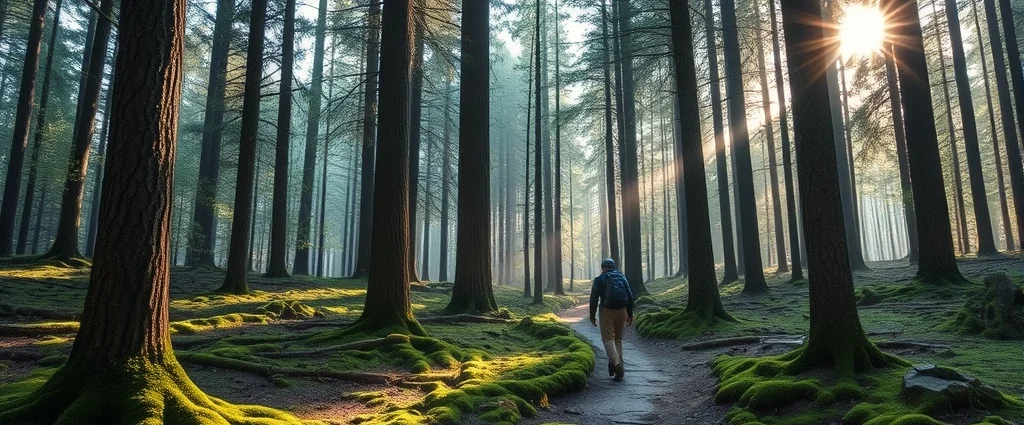
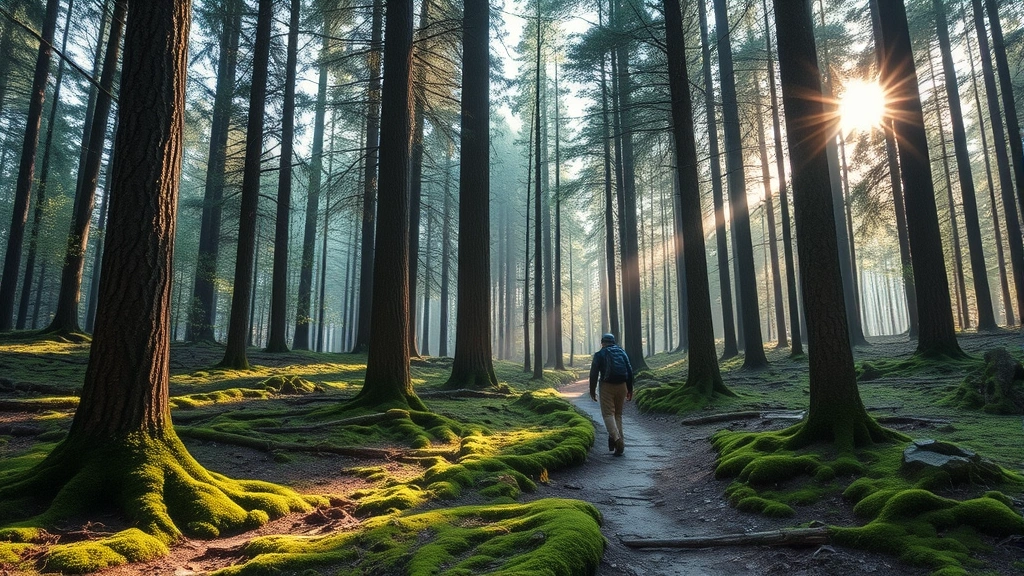
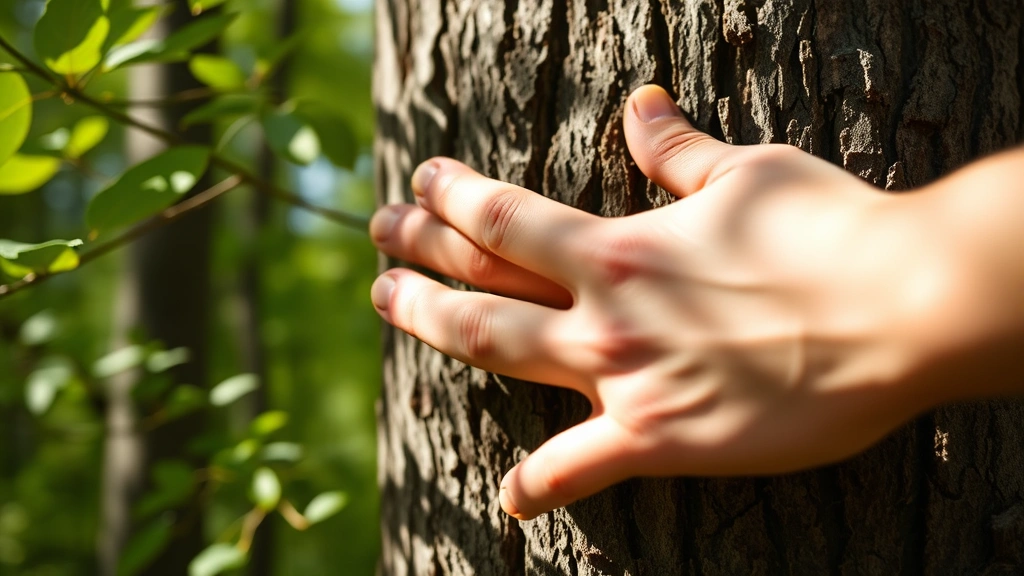
Forest bathing involves slow, mindful immersion in forest environments. Unlike hiking focused on physical exertion or destination achievement, forest bathing emphasizes sensory awareness. Spend 20-30 minutes in a wooded area, engaging all senses: notice the texture of tree bark, listen to bird songs and wind through leaves, smell the earth and vegetation, observe light filtering through canopy.
Park Walking and Sitting
If forests aren’t accessible, parks provide significant therapeutic benefits. Regular park visits—even brief 15-minute sessions—produce measurable mental health improvements. Sitting quietly on benches, observing natural elements like water, trees, and wildlife creates restorative experiences accessible to people with mobility limitations.
Gardening and Plant Care
Gardening combines nature engagement with purposeful activity and sense of accomplishment. Growing plants, whether in gardens or indoor spaces, creates ongoing connection with natural cycles. Research shows gardening reduces stress hormones and depression symptoms, with benefits increasing with frequency.
Water Exposure
Natural water environments—oceans, lakes, rivers—produce particularly strong therapeutic effects. The combination of negative ions from water, rhythmic water sounds, and visual engagement with water creates optimal conditions for stress reduction and mood enhancement. Even viewing water scenes produces benefits, though direct immersion proves more effective.
Nature-Based Mindfulness
Combine mindfulness meditation with natural settings. Find a comfortable outdoor location and practice breath awareness while engaging your senses with natural surroundings. This integration amplifies benefits of both practices, creating deeper relaxation and mental clarity.
Outdoor Exercise
Physical activity in nature combines exercise benefits with nature therapy effects. Running, cycling, or hiking outdoors produces greater mood improvement and stress reduction than equivalent exercise in indoor environments. The combination addresses multiple mental health dimensions simultaneously.
Nature Therapy for Specific Conditions
While nature therapy benefits overall mental health, research demonstrates particular effectiveness for specific conditions.
Anxiety Disorders
For individuals managing anxiety, nature exposure provides rapid symptom relief without medication side effects. The parasympathetic activation from natural environments directly counteracts anxiety’s sympathetic nervous system activation. Regular practice helps reset your baseline stress response, making anxiety episodes less frequent and severe.
Depression
Nature therapy addresses multiple depression dimensions: reduced rumination, improved mood through neurochemical changes, increased physical activity, and enhanced sense of meaning and connection. For mild to moderate depression, nature therapy alone produces measurable improvement. For severe depression, it complements professional treatment and medication effectively.
PTSD and Trauma
Nature environments create safe spaces for nervous system regulation, particularly important for trauma survivors. The absence of human threat cues in natural settings allows the nervous system to downregulate threat response. Many trauma-informed therapists incorporate nature-based work into treatment protocols.
Attention and Concentration Issues
Nature’s restorative effects on attention make it particularly valuable for ADHD and concentration difficulties. Regular nature exposure improves sustained attention, working memory, and executive function—benefits that persist into subsequent activities.
Sleep Disorders
Circadian rhythm regulation through natural light exposure addresses sleep issues at their physiological root. Morning nature exposure proves particularly effective for regulating sleep-wake cycles and treating insomnia.
Barriers and Solutions for Regular Practice
Understanding common obstacles helps you develop sustainable nature therapy habits despite real-world constraints.
Urban Living and Limited Green Space
City residents can access parks, street trees, and green corridors. Even viewing natural elements through windows provides measurable benefits. Community gardens, rooftop spaces, and indoor plants create nature engagement opportunities in urban environments. Research shows that urban green space access significantly predicts mental health outcomes.
Mobility Limitations
Physical limitations don’t preclude nature therapy. Window gardening, accessible park areas, and nature viewing provide benefits for people with mobility challenges. Virtual nature exposure through high-quality videos and VR produces measurable improvements for those unable to access physical environments.
Time Constraints
Even brief nature exposure produces benefits. Fifteen-minute park visits, lunch-hour walks in green spaces, and morning window time with plants create cumulative therapeutic effects. Consistency matters more than duration—regular short exposures outperform occasional extended sessions.
Weather and Seasonal Changes
Different seasons offer distinct therapeutic benefits. Cold weather nature exposure triggers beneficial stress responses that strengthen resilience. Appropriate clothing allows year-round practice. Indoor plant care and window viewing bridge seasons when outdoor access feels limited.
Safety Concerns
Group nature activities address safety concerns while providing social connection benefits. Community-organized nature programs, walking groups, and guided nature experiences create safe engagement opportunities. Urban parks with good visibility and foot traffic offer accessible alternatives to remote natural areas.
Frequently Asked Questions
How often should I practice nature therapy for mental health benefits?
Research suggests 120 minutes weekly provides optimal benefits, though meaningful improvements occur with less frequent exposure. Even 15-20 minutes several times weekly produces measurable mental health improvements. Consistency matters more than duration—regular brief sessions outperform occasional longer visits.
Can nature therapy replace psychiatric medication?
Nature therapy complements medication but shouldn’t replace it without professional guidance. For severe mental illness, medication often remains essential. Discuss integrating nature therapy with your psychiatrist or therapist. Many people benefit from combined approaches where nature therapy reduces medication requirements while maintaining stability.
What types of natural environments work best?
Forest environments produce the strongest documented effects, though parks, water settings, and gardens all provide significant benefits. The most effective environment is one you’ll visit consistently. Urban parks accessible near your home often prove more therapeutic than distant pristine wilderness you visit infrequently.
Do I need special training or certification to practice nature therapy?
Self-directed nature engagement requires no training and produces measurable benefits. Professional nature therapists and certified ecotherapists provide structured programs for those preferring guided experiences. Exploring therapy resources and information helps you determine whether self-directed or professional-guided approaches suit your needs.
How long until I notice mental health improvements?
Many people report feeling calmer within minutes of entering natural environments. Measurable improvements in anxiety and mood appear within weeks of regular practice. Sleep quality improvements typically emerge within 1-2 weeks. Long-term benefits including sustained mood enhancement and improved resilience develop over months.
Can nature therapy help with work-related stress?
Absolutely. Regular nature exposure reduces work stress and prevents burnout. Many workplaces now incorporate outdoor spaces and green elements to support employee mental health. Even brief nature breaks during work days significantly improve focus, mood, and productivity.
Is nature therapy effective for children and adolescents?
Research shows nature therapy benefits children and teens as effectively as adults, often with faster results. Nature engagement supports healthy development, reduces anxiety and depression, and improves academic performance. Outdoor play remains one of the most effective interventions for childhood mental health.