
Music Therapy: A Path to Mental Wellness? Facts Inside
Music has been intertwined with human healing practices for centuries, yet only in recent decades has music therapy emerged as a formally recognized clinical discipline. Today, music therapy represents a legitimate healthcare profession backed by scientific research, regulatory standards, and growing demand for practitioners. Whether you’re exploring therapy resources and information or investigating music therapy job listings, understanding this field’s evidence base is essential.
The convergence of neuroscience, psychology, and musicology has created unprecedented opportunities for music therapists to address mental health challenges, trauma recovery, and neurological conditions. Unlike casual music listening, clinical music therapy involves structured interventions designed and delivered by credentialed professionals to achieve measurable therapeutic outcomes. This comprehensive guide explores the scientific foundation of music therapy, career pathways, job market trends, and the evidence supporting its effectiveness in mental wellness.

What Is Music Therapy and How Does It Work?
Music therapy is a clinical use of music to accomplish individualized goals within a therapeutic relationship by a credentialed professional who has completed an approved music therapy program. According to the American Music Therapy Association (AMTA), music therapists work with diverse populations across the lifespan, including children with autism, adults recovering from stroke, seniors with dementia, and individuals managing anxiety disorders.
The discipline operates on several foundational principles. First, music engages multiple brain systems simultaneously—auditory, motor, emotional, and cognitive pathways all activate during musical engagement. Second, music provides a non-verbal medium for expression when traditional talk therapy proves ineffective or insufficient. Third, the rhythmic and structural properties of music create predictability that can be therapeutically grounding for individuals experiencing chaos or trauma.
Music therapy interventions span diverse techniques: improvisation on instruments, songwriting, listening to curated music, singing, movement to music, and music-assisted relaxation. A music therapist might use rhythmic drumming to help a trauma survivor regulate their nervous system, collaborative songwriting to facilitate emotional expression in adolescents, or familiar music from a dementia patient’s past to access memories and improve mood.
The Neuroscience Behind Music Therapy
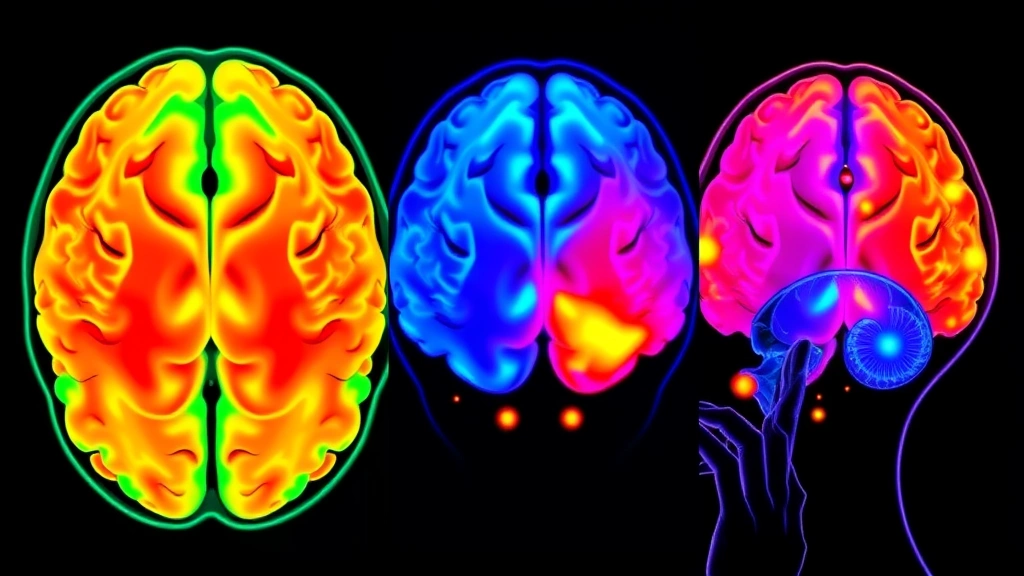
Recent neuroimaging studies have illuminated precisely how music affects brain function and structure. Research published in Frontiers in Psychology and NeuroImage demonstrates that music listening and performance activate the prefrontal cortex, amygdala, hippocampus, and striatum—regions critical for emotion regulation, memory formation, and reward processing.
When individuals engage with music, the brain releases dopamine, the neurotransmitter associated with pleasure and motivation. This neurochemical response explains why music can be as effective as certain pharmaceutical interventions for mood disorders. Additionally, music synchronizes brainwave activity, promoting coherence between hemispheres and facilitating the integration of emotional and cognitive processing.
For individuals with depression, research from The Lancet Psychiatry found that music therapy combined with standard care produced superior outcomes compared to standard care alone. The mechanism appears to involve music’s ability to interrupt rumination patterns and activate reward pathways that depression typically suppresses. In anxiety disorders, music’s predictable structure and rhythmic qualities activate the parasympathetic nervous system, reducing heart rate, blood pressure, and cortisol levels.
The neuroplasticity research is particularly compelling. Musicians show structural differences in brain regions associated with auditory processing, motor control, and emotional regulation. Remarkably, music therapy can induce similar neuroplastic changes in non-musicians, suggesting that therapeutic music engagement rewires neural pathways supporting mental health and resilience.
Evidence-Based Applications for Mental Health
Music therapy demonstrates empirical support across multiple mental health conditions. Here are the most extensively researched applications:
- Depression: Meta-analyses show music therapy reduces depressive symptoms with effect sizes comparable to psychotherapy. Active music-making appears more effective than passive listening for clinical populations.
- Anxiety Disorders: Music’s anxiolytic effects have been documented in generalized anxiety, social anxiety, and performance anxiety contexts. Slower tempos (60 beats per minute) and minor keys prove particularly effective for anxiety reduction.
- Post-Traumatic Stress Disorder (PTSD): Rhythm-based interventions help trauma survivors regulate their nervous systems and process traumatic memories in a contained, safe manner.
- Attention-Deficit/Hyperactivity Disorder (ADHD): Structured music activities improve focus, impulse control, and executive function in children and adolescents with ADHD.
- Autism Spectrum Disorder: Music therapy facilitates social communication, emotional expression, and sensory integration in individuals on the autism spectrum.
- Dementia and Cognitive Decline: Familiar music activates memory networks and improves behavioral symptoms, quality of life, and social engagement in dementia populations.
Research from the American Psychological Association emphasizes that music therapy’s effectiveness depends on proper assessment, individualized treatment planning, and ongoing outcome monitoring—the same standards applied to other clinical interventions.
Music Therapy Job Listings and Career Opportunities
The job market for music therapists has expanded significantly. Music therapy job listings appear across diverse settings, reflecting the field’s broadening clinical integration. Current employment opportunities span:
- Mental Health Facilities: Psychiatric hospitals, residential treatment centers, and community mental health clinics increasingly employ music therapists as core treatment team members.
- Healthcare Settings: General hospitals, rehabilitation centers, palliative care units, and specialized neurological facilities utilize music therapy for pain management, post-surgical recovery, and end-of-life care.
- Educational Institutions: Schools and special education programs employ music therapists to support students with emotional, behavioral, and developmental needs.
- Senior Living Communities: Assisted living facilities and nursing homes recognize music therapy’s efficacy for dementia management and quality of life enhancement.
- Private Practice: Growing numbers of music therapists establish independent practices, offering teletherapy and in-person services to diverse clientele.
- Correctional Facilities: Prisons and juvenile justice programs employ music therapists for rehabilitation, anger management, and trauma recovery.
- Veterans Services: VA medical centers and military-affiliated organizations specifically recruit music therapists for PTSD and traumatic brain injury treatment.
The U.S. Bureau of Labor Statistics projects steady growth in healthcare professions, with music therapy positioned to benefit from increased recognition of mental health treatment and holistic wellness approaches.
Educational Requirements and Credentials
Becoming a credentialed music therapist requires substantial education and training. The typical pathway involves:
- Bachelor’s Degree: A four-year program accredited by the Commission on Accreditation of Rehabilitation Facilities (CARF) covering music theory, psychology, human anatomy, neuroscience, and clinical music therapy techniques.
- Clinical Internship: A minimum 1,200-hour supervised internship in an approved clinical setting, typically lasting 6-12 months.
- Board Certification: Passing the Music Therapist-Board Certification (MT-BC) exam administered by the Certification Board for Music Therapists (CBMT).
Many practitioners pursue advanced credentials through master’s programs, which provide specialized training in specific populations or techniques. Some music therapists also obtain licensure in states with regulated music therapy practice, though regulation varies geographically. This educational rigor ensures that practitioners possess both musical competency and clinical knowledge necessary for safe, effective practice. If you’re exploring related therapeutic professions, reviewing occupational therapy jobs and physical therapy treatment approaches reveals similar credentialing standards across allied health professions.
Salary and Employment Outlook
Music therapy represents a viable career with competitive compensation. Current data indicates:
- Entry-Level Positions: Music therapists fresh from certification typically earn $32,000-$40,000 annually, with rapid increases after the first 2-3 years.
- Experienced Practitioners: Established music therapists with 5-10 years experience earn $45,000-$65,000, with senior positions reaching $75,000+.
- Private Practice: Self-employed music therapists often command higher rates ($50-$150 per session), though income variability requires careful business management.
- Geographic Variation: Metropolitan areas and regions with robust healthcare infrastructure offer higher salaries and greater job availability.
Employment outlook remains positive, with the field experiencing 10-15% growth over the next decade. This expansion reflects several factors: increased insurance coverage for music therapy, growing integration into hospital systems, rising awareness among healthcare providers, and expanding research demonstrating clinical efficacy.
How Music Therapy Complements Other Therapeutic Approaches
Music therapy functions optimally within integrated treatment models. It complements traditional psychotherapy, medication management, and other interventions rather than replacing them. For individuals receiving speech therapy, music therapy can reinforce communication goals through melodic and rhythmic speech patterns. Similarly, music therapy integrates effectively with counseling, cognitive-behavioral therapy, and mindfulness-based interventions.
The synergistic effect occurs because music addresses different neural systems and learning pathways than talk therapy alone. A client might gain intellectual understanding of anxiety triggers through cognitive-behavioral therapy while simultaneously developing embodied nervous system regulation through music therapy. This multi-modal approach accelerates healing and creates more robust, durable changes.
Additionally, music therapy offers unique advantages when other approaches plateau. Individuals who resist traditional talk therapy often engage readily with music-based interventions. Non-verbal populations, individuals with severe trauma, and those with communication disorders access therapeutic benefits through music that might otherwise remain inaccessible.
Finding and Evaluating Music Therapy Positions
For those interested in music therapy job listings, strategic job search approaches yield the best results:
- Specialty Job Boards: The AMTA website maintains a job board specifically for music therapy positions, ensuring positions meet professional standards.
- Healthcare Recruitment Agencies: Agencies specializing in allied health professions often have exclusive listings for music therapy positions.
- Networking: Professional conferences, alumni networks, and clinical supervisor connections frequently lead to unadvertised positions.
- Direct Outreach: Identifying target organizations and contacting their human resources departments directly can uncover emerging positions.
- Credential Verification: When evaluating positions, confirm employers value MT-BC certification and support ongoing professional development.
Salary negotiation matters significantly in this field. Entry-level positions sometimes undervalue music therapists’ credentials and clinical contribution. Understanding market rates in your geographic region and facility type enables informed negotiation. Consider total compensation packages including health insurance, continuing education support, and schedule flexibility, as these factors substantially impact career satisfaction.
Frequently Asked Questions
Is music therapy covered by insurance?
Coverage varies by insurance provider and state regulations. Medicare covers music therapy in certain settings when prescribed by a physician. Many private insurers increasingly cover music therapy, particularly when integrated into treatment plans for diagnosed mental health conditions. Verification with individual insurance providers is essential before beginning treatment.
How long does music therapy treatment typically last?
Treatment duration depends on the client’s goals, condition severity, and therapeutic progress. Some clients benefit from short-term intensive work (8-12 sessions), while others engage in longer-term therapy (6 months to several years). Music therapists conduct regular outcome assessments to determine appropriate treatment duration and modifications.
Do music therapists need to be musicians?
Yes, music proficiency is a fundamental requirement. Accredited music therapy programs require demonstrated musical competency across multiple instruments. However, music therapy training develops clinical application skills beyond typical music education, emphasizing therapeutic technique, assessment, and outcome measurement.
Can music therapy help with severe mental illness?
Yes, music therapy demonstrates efficacy across the severity spectrum. Research supports its use in schizophrenia, bipolar disorder, major depression, and anxiety disorders. Music therapy functions as both a primary intervention and a valuable adjunct to medication and psychotherapy.
What’s the difference between music therapy and music lessons?
Music lessons focus on skill development and musical proficiency, while music therapy uses music strategically to achieve non-musical therapeutic goals. A music therapist assesses clients’ needs, designs individualized interventions, monitors progress toward specific outcomes, and adjusts treatment based on response—clinical practices distinct from music instruction.
Are there specializations within music therapy?
Yes, music therapists may specialize in pediatrics, geriatrics, neurological rehabilitation, psychiatric care, medical music therapy, or community mental health. Advanced training and certifications support these specializations, enhancing career prospects and earning potential. Exploring related specialties like therapy cost structures reveals how specialization affects service pricing across therapeutic disciplines.
Is music therapy regulated as a profession?
Music therapy regulation varies by location. The MT-BC credential provides national standardization, though licensure requirements differ by state. Some states regulate music therapy through specific licensing laws, while others integrate it under broader allied health regulations. Prospective practitioners should verify requirements in their intended practice location.