Lymphedema Therapy: Expert Insights & Benefits
Lymphedema affects millions of people worldwide, causing swelling in the limbs due to impaired lymphatic system function. This chronic condition requires specialized treatment approaches that go beyond standard medical interventions. Therapy resources and expert guidance play a crucial role in managing symptoms and improving quality of life for those living with this condition.
Lymphedema therapy specialists have developed comprehensive treatment protocols that combine manual techniques, compression therapy, exercise, and patient education. Understanding these evidence-based approaches helps patients make informed decisions about their care and recognize the transformative benefits that professional lymphedema management can provide.
Understanding Lymphedema and Its Impact
Lymphedema develops when the lymphatic system cannot effectively transport lymph fluid, resulting in accumulation in soft tissues. This condition typically occurs after cancer treatment, surgery, or injury, though some individuals experience primary lymphedema from birth. The swelling can be mild or severe, affecting mobility, function, and emotional well-being.
The lymphatic system is a network of vessels and nodes that removes excess fluid from tissues and supports immune function. When this system is compromised, fluid accumulates faster than it can be removed, leading to progressive swelling. Understanding this mechanism is essential for appreciating why specialized physical therapy approaches require time and expertise to show results.
Secondary lymphedema, which accounts for approximately 90% of cases, often follows breast cancer treatment, affecting the upper extremity. Lower extremity lymphedema can develop after gynecological cancer treatment or trauma. The psychological impact of visible swelling frequently accompanies the physical symptoms, making comprehensive therapy essential.

The Role of Lymphedema Therapy Specialists
Lymphedema therapy specialists are healthcare professionals with advanced training in managing this complex condition. These practitioners typically hold certifications such as Certified Lymphedema Therapist (CLT) or Certified Lymphedema Therapist-Oncology (CLT-LANA), ensuring they meet rigorous educational and practical standards.
Specialists conduct thorough assessments using circumferential measurements, volumetric calculations, and functional evaluations to determine disease severity. This detailed evaluation guides treatment planning and establishes baseline measurements for tracking progress. Similar to physical therapy approaches for shoulder pain, lymphedema management requires personalized protocols tailored to individual needs and circumstances.
The expertise of these specialists encompasses multiple treatment modalities, patient education, and long-term management strategies. They work collaboratively with oncologists, surgeons, and other healthcare providers to ensure comprehensive care. Specialists also provide emotional support, addressing the psychological aspects of living with chronic lymphedema.
Manual Lymphatic Drainage Techniques
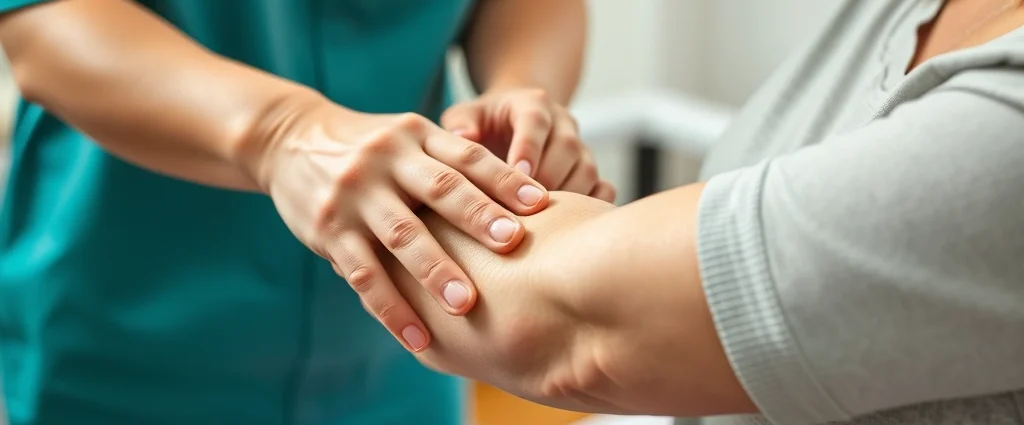
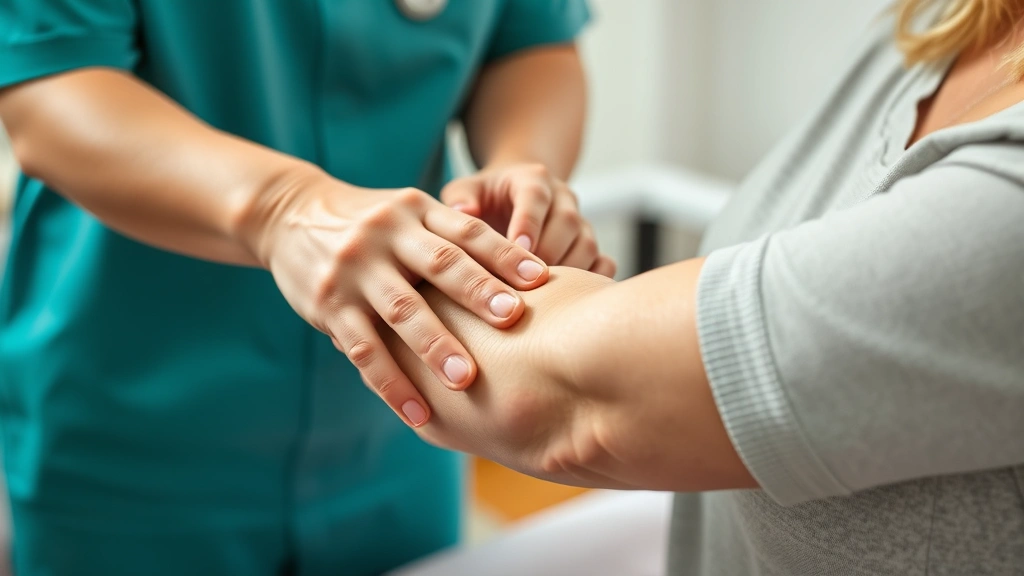
Manual lymphatic drainage (MLD) is a cornerstone technique in lymphedema therapy, utilizing gentle, rhythmic movements to stimulate lymph flow through intact lymphatic vessels. The Vodder method, Foldi method, and Lympressotherapy represent evidence-based approaches that have demonstrated efficacy in clinical research. These techniques require specialized training to perform correctly and safely.
MLD works by applying light pressure in specific patterns that follow lymphatic anatomy, encouraging fluid movement toward functioning lymph nodes. The technique is remarkably gentle, using pressure equivalent to the weight of a coin, making it appropriate for sensitive or fragile tissues. Sessions typically last 45 to 60 minutes, with frequency depending on disease severity and treatment phase.
Research published in leading medical journals demonstrates that MLD combined with other therapeutic interventions produces superior outcomes compared to compression therapy alone. Studies on lymphedema management show consistent improvements in limb volume and function with properly executed manual drainage techniques.
Compression Therapy and Garments
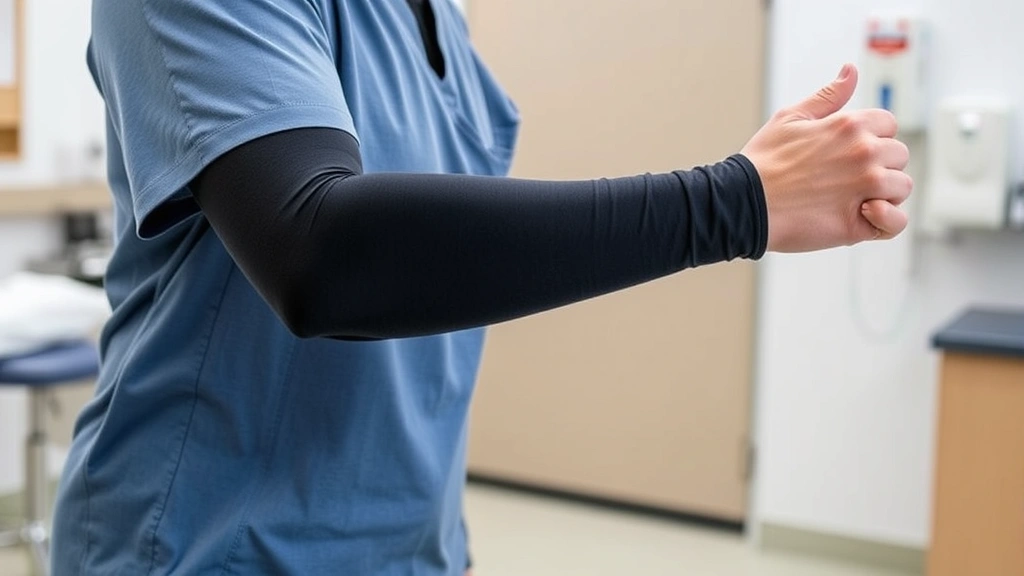
Compression therapy represents a fundamental component of lymphedema management, providing external pressure that facilitates fluid movement and prevents accumulation. Compression garments range from standard off-the-shelf sleeves to custom-fitted options designed specifically for individual anatomy and needs.
Compression classes are measured in millimeters of mercury (mmHg), with higher values indicating greater pressure. Class I compression (15-20 mmHg) suits mild cases, while Class III or IV compression (30-40+ mmHg) addresses more severe lymphedema. Specialists determine appropriate compression levels based on disease severity, skin condition, and patient tolerance.
Modern compression technology has evolved significantly, offering garments that are more comfortable, aesthetically pleasing, and functional than previous generations. Brands now provide fashionable options that encourage consistent wear, which is crucial for treatment success. Proper fitting is essential, as ill-fitting garments reduce efficacy and may cause complications.
Exercise and Rehabilitation Programs
Therapeutic exercise plays a vital role in lymphedema management, promoting muscle contraction that facilitates lymph movement and improving overall function and fitness. Specialized programs incorporate resistance training, range-of-motion exercises, and cardiovascular activities adapted for lymphedema management.
Decongestive exercises combined with compression enhance lymph transport through the muscle pump mechanism. When muscles contract, they compress adjacent lymphatic vessels, propelling fluid centrally. This physiological principle underlies the effectiveness of movement-based interventions in lymphedema therapy.
Lymphedema therapy specialists design individualized exercise programs that progress gradually, monitoring for adverse effects while maximizing therapeutic benefit. Patients learn proper techniques to perform independently at home, promoting long-term management success. Group exercise classes provide additional benefits through social support and motivation.
Skin Care and Prevention Strategies
Meticulous skin care prevents complications associated with lymphedema, including cellulitis and other infections that can exacerbate swelling. Specialized skin care protocols address the unique challenges of lymphedematous tissues, which are prone to infection due to impaired immune function.
Lymphedema therapy specialists educate patients on infection prevention, including proper hygiene, nail care, and wound management. They provide guidance on recognizing early signs of infection, such as increased warmth, redness, or fever, enabling prompt medical intervention. This preventive approach significantly reduces hospitalizations and disease progression.
Skin care recommendations extend beyond basic hygiene to include appropriate moisturizing agents, avoiding trauma, and protecting affected limbs from environmental hazards. Patients learn to identify and avoid activities that increase lymphedema risk, such as prolonged sun exposure or extreme temperature changes.
Advanced Treatment Modalities
Contemporary lymphedema therapy incorporates advanced technologies alongside traditional approaches. Pneumatic compression devices deliver sequential compression that mimics the muscle pump, providing additional benefit when combined with other interventions. These devices vary in complexity and cost, from simple home units to sophisticated clinical systems.
Aquatic therapy leverages water’s hydrostatic pressure and buoyancy to facilitate lymph movement while supporting therapeutic exercise. Like red light therapy approaches for managing pain, water-based interventions offer non-pharmacological benefits that complement standard lymphedema treatment.
Cancer organizations acknowledge that comprehensive lymphedema management combines multiple therapeutic modalities for optimal outcomes. Emerging technologies, including low-level laser therapy and microcurrent stimulation, show promise in clinical trials, though more research is needed to establish definitive efficacy.
Surgical interventions, such as lymph node transfer or vascularized lymph node transplantation, offer options for patients with severe lymphedema unresponsive to conservative treatment. These advanced procedures require evaluation by specialized surgeons and should be considered only after thorough conservative therapy trials.
Patient Success Stories and Outcomes
Clinical outcomes demonstrate that specialized lymphedema therapy produces significant improvements in limb volume, function, and quality of life. Studies consistently show volume reductions ranging from 30% to 60% in patients completing comprehensive treatment programs. These improvements translate to better mobility, reduced pain, and enhanced psychological well-being.
Patient testimonials reveal transformative experiences, with individuals reporting renewed confidence, improved function, and reduced anxiety about their condition. Many patients successfully return to activities they abandoned due to lymphedema symptoms, including exercise, work, and social engagement.
Long-term success requires ongoing commitment to self-management strategies, including consistent compression garment wear, regular exercise, and meticulous skin care. Lymphedema therapy specialists provide the education and support necessary for patients to maintain improvements and prevent disease progression.
The psychological benefits of successful lymphedema therapy extend beyond physical improvements. Mental health support integrated with physical treatment addresses anxiety and depression commonly associated with chronic conditions. This holistic approach recognizes that effective lymphedema management encompasses physical, emotional, and social dimensions.
FAQ
What qualifications should lymphedema therapy specialists have?
Qualified specialists should hold certification from recognized organizations such as the Lymphatic Therapy Association or the National Lymphedema Network. Look for credentials like CLT (Certified Lymphedema Therapist) or CLT-LANA (Certified Lymphedema Therapist-Oncology). Most specialists complete specialized training programs beyond basic physical therapy or nursing education.
How long does lymphedema therapy treatment typically last?
Treatment duration varies based on disease severity and individual response. Initial intensive phase typically lasts 2-4 weeks with frequent sessions, followed by maintenance therapy. Some patients require ongoing periodic treatment, while others achieve stable control with self-management alone.
Can lymphedema be cured through therapy?
While lymphedema cannot be cured, specialized therapy can significantly reduce symptoms and prevent progression. Many patients achieve excellent control, with minimal swelling and full functional recovery. Consistent self-management is essential for maintaining improvements.
Are there risks associated with lymphedema therapy?
When performed by qualified specialists, lymphedema therapy is very safe. Potential minor side effects include temporary increased swelling or mild skin irritation. Serious complications are rare when therapists follow proper protocols and screen for contraindications.
How much does lymphedema therapy cost?
Costs vary based on location, therapist credentials, and treatment intensity. Many insurance plans cover lymphedema therapy with physician referral, though coverage policies differ. Uninsured patients may find community programs or specialized clinics offering reduced-cost services.
Can I perform lymphatic drainage on myself?
Self-lymphatic drainage is possible after proper training from a specialist. However, professional manual lymphatic drainage provides superior results due to therapist expertise and ability to assess tissue response. Self-drainage complements professional treatment but should not replace it entirely.
What should I expect during my first lymphedema therapy session?
Your initial session includes comprehensive assessment, medical history review, and measurement of affected limb. The therapist explains lymphedema pathophysiology and treatment options, then typically begins gentle manual drainage. Expect detailed education on compression garments, exercise, and self-care strategies.