
Living with chronic pain, swelling, or compromised immune function can feel overwhelming and isolating. Whether you’re dealing with lymphedema, post-surgical recovery, or seeking ways to optimize your body’s natural healing processes, finding effective relief often seems like an uphill battle. The good news is that innovative therapeutic approaches are emerging, offering hope and tangible results for those seeking non-invasive healing solutions.
Lymph therapy machines represent a breakthrough in wellness technology, providing targeted support for your body’s lymphatic system – the often-overlooked network responsible for immune function, detoxification, and fluid balance. Understanding how these devices can support your healing journey is the first step toward reclaiming your health and well-being. Let’s explore how lymphatic therapy can become a cornerstone of your wellness routine, offering both immediate relief and long-term benefits.
Understanding Your Lymphatic System
Your lymphatic system is a complex network of vessels, nodes, and organs that plays a crucial role in maintaining your health. Often called the body’s “drainage system,” it works tirelessly to remove toxins, excess fluids, and cellular waste while supporting immune function. When this system becomes sluggish or compromised, you may experience swelling, fatigue, frequent infections, or delayed healing.
The lymphatic system differs from your circulatory system in that it lacks a central pump like the heart. Instead, it relies on muscle contractions, breathing, and physical movement to circulate lymph fluid throughout your body. This is where lymph therapy machines become invaluable – they provide the gentle, rhythmic stimulation needed to enhance lymphatic flow and optimize system function.
Understanding the connection between lymphatic health and overall well-being is essential. Research published by the National Institutes of Health highlights how proper lymphatic function supports everything from immune response to cardiovascular health, making targeted therapy increasingly important for comprehensive wellness care.
How Lymph Therapy Machines Work
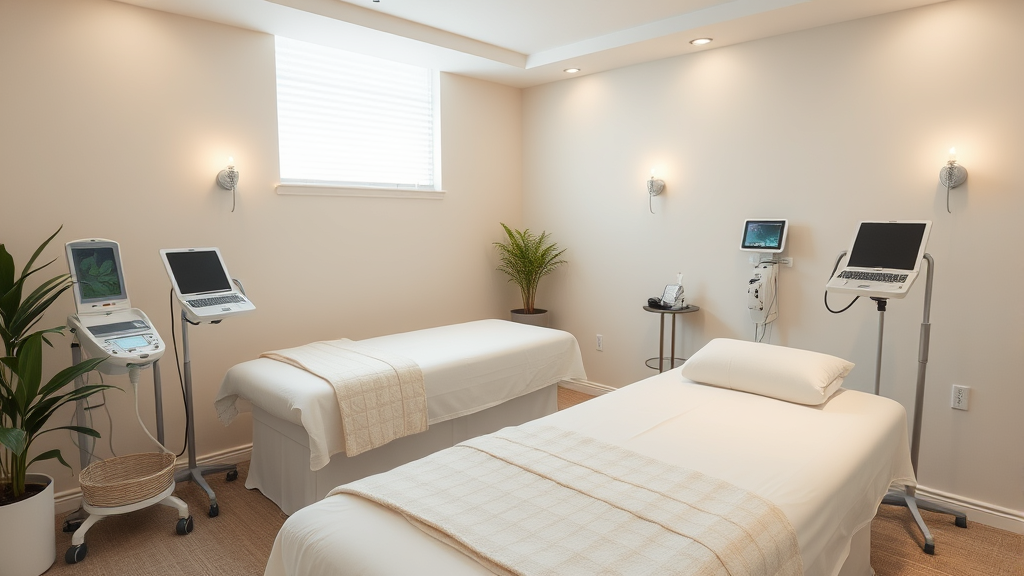
Lymph therapy machines utilize various mechanisms to stimulate lymphatic flow and promote healing. Most devices employ pneumatic compression, delivering gentle, wave-like pressure that mimics the natural muscle contractions your body uses to move lymph fluid. This mechanical stimulation helps break up blockages, reduce inflammation, and accelerate the removal of metabolic waste.
The therapeutic process typically involves wearing specialized garments connected to the machine, which inflate and deflate in carefully programmed sequences. These pressure waves create a milking action that encourages lymph fluid to move toward lymph nodes, where toxins and cellular debris can be processed and eliminated. The treatment is generally painless and deeply relaxing, making it an excellent complement to other wellness practices.
Modern lymph therapy machines often incorporate advanced features such as adjustable pressure settings, customizable treatment programs, and sequential compression patterns. Some devices combine lymphatic stimulation with other therapeutic modalities, similar to how cold therapy machines integrate multiple healing approaches for enhanced results.
Key Health Benefits and Applications
The therapeutic benefits of lymph therapy extend far beyond simple fluid drainage. Regular treatments can significantly improve circulation, reduce inflammation, and enhance your body’s natural detoxification processes. Many users report decreased swelling, improved skin tone, reduced cellulite appearance, and enhanced overall energy levels following consistent lymphatic therapy sessions.
For individuals dealing with lymphedema, post-surgical swelling, or chronic venous insufficiency, lymph therapy machines offer substantial relief. The gentle compression helps redistribute accumulated fluids, reducing discomfort and improving mobility. Athletes and fitness enthusiasts also benefit from lymphatic therapy as it accelerates recovery, reduces muscle soreness, and optimizes performance by enhancing nutrient delivery and waste removal.
The immune-boosting properties of lymphatic therapy are particularly noteworthy. By improving lymph flow, these treatments help your body more effectively identify and eliminate pathogens, potentially reducing the frequency and severity of infections. This makes lymphatic therapy an excellent preventive health measure, especially during times of increased stress or seasonal immune challenges.
Similar to other therapeutic modalities like mls laser therapy and softwave therapy, lymph therapy machines provide non-invasive treatment options that support your body’s natural healing mechanisms without the risks associated with pharmaceutical interventions.

Types of Lymph Therapy Machines
The market offers various types of lymph therapy machines, each designed to meet specific therapeutic needs and preferences. Professional-grade devices, commonly used in medical facilities and spas, provide the most comprehensive treatment options with multiple pressure settings, extensive garment options, and sophisticated programming capabilities. These machines typically offer full-body treatment possibilities and are ideal for addressing complex lymphatic conditions.
Home-use devices have become increasingly popular, offering convenience and cost-effectiveness for regular maintenance therapy. While generally less powerful than professional units, quality home devices still provide significant therapeutic benefits. Many feature simplified controls, portable designs, and targeted treatment options for specific body areas such as legs, arms, or torso.
Some lymph therapy machines specialize in specific applications, such as post-surgical recovery or athletic performance enhancement. These specialized devices often incorporate unique pressure patterns or timing sequences optimized for particular therapeutic goals. When selecting a device, consider your specific needs, treatment frequency, and available space, much like choosing between different therapeutic options such as shockwave therapy near me or acoustic wave therapy.
Choosing the Right Device for Your Needs
Selecting the appropriate lymph therapy machine requires careful consideration of your specific health goals, budget, and lifestyle factors. Begin by identifying your primary therapeutic objectives – whether you’re seeking post-surgical recovery support, chronic condition management, or general wellness enhancement. This clarity will guide you toward devices with the most relevant features and capabilities.
Pressure range and adjustability are crucial factors to evaluate. Look for machines offering multiple pressure levels, allowing you to customize treatments based on your comfort level and therapeutic needs. Sequential compression patterns that simulate natural lymphatic flow are generally more effective than simple uniform pressure applications.
Consider the availability and quality of treatment garments, as these directly impact treatment effectiveness and comfort. High-quality garments should fit properly, distribute pressure evenly, and be constructed from durable, easy-to-clean materials. Some manufacturers offer specialized garments for different body areas or specific conditions, providing more targeted treatment options.
Professional consultation can be invaluable when selecting lymph therapy equipment. Healthcare providers, physical therapy technicians, or certified lymphatic therapists can provide insights into which devices and treatment protocols would be most beneficial for your specific situation.
Treatment Protocols and Best Practices
Effective lymphatic therapy requires consistent application and proper technique. Most protocols recommend starting with shorter, gentler sessions to allow your body to adapt to the treatment. Initial sessions of 20-30 minutes at lower pressure settings help establish tolerance and prevent potential discomfort or adverse reactions.
Treatment frequency varies based on individual needs and therapeutic goals. For acute conditions like post-surgical swelling, daily sessions may be appropriate initially, gradually reducing frequency as symptoms improve. For maintenance and general wellness, 2-3 sessions per week often provide optimal benefits without overwhelming the lymphatic system.
Timing your treatments strategically can enhance effectiveness. Many practitioners recommend lymphatic therapy in the evening, as the relaxing nature of the treatment can promote better sleep quality. However, morning sessions can be energizing and help reduce overnight fluid accumulation. According to research from the Mayo Clinic, consistency is more important than specific timing, so choose a schedule you can maintain long-term.
Proper hydration before and after treatments is essential for optimal results. Drinking adequate water helps facilitate toxin elimination and prevents the sluggish feeling some people experience after intensive lymphatic stimulation. Light physical activity following treatments can also enhance benefits by maintaining the improved lymphatic flow achieved during the session.
Integrating Lymph Therapy into Your Wellness Routine
Lymphatic therapy works synergistically with other wellness practices, creating a comprehensive approach to health optimization. Combining regular lymph therapy sessions with proper nutrition, adequate hydration, and regular exercise amplifies the benefits of each individual practice. The improved circulation and detoxification support from lymphatic therapy can enhance your body’s response to other therapeutic interventions.
Many individuals find that lymphatic therapy complements stress management practices beautifully. The gentle, rhythmic nature of the treatment promotes relaxation and can serve as a form of moving meditation. This stress-reduction benefit is particularly valuable, as chronic stress negatively impacts lymphatic function and overall immune health.
Creating a dedicated space for lymphatic therapy treatments can enhance the therapeutic experience. A quiet, comfortable environment with appropriate temperature control and minimal distractions allows for maximum relaxation and treatment effectiveness. Some people incorporate aromatherapy, gentle music, or mindfulness practices during their sessions to create a more holistic healing experience.
According to the American Psychological Association, the mind-body connection plays a crucial role in healing outcomes. Approaching lymphatic therapy with positive intentions and viewing it as an act of self-care can enhance both the physical and psychological benefits of the treatment.
Frequently Asked Questions
How often should I use a lymph therapy machine for optimal results?
Treatment frequency depends on your specific needs and goals. For acute conditions like post-surgical swelling or lymphedema management, daily sessions may be recommended initially. For general wellness and maintenance, 2-3 sessions per week typically provide excellent results. Always consult with a healthcare provider to determine the most appropriate frequency for your situation, and start with shorter, less frequent sessions to allow your body to adapt to the treatment.
Are there any contraindications or people who should avoid lymph therapy?
While lymph therapy is generally safe for most people, certain conditions require caution or professional supervision. Individuals with active infections, blood clots, severe heart conditions, or certain cancers should consult their healthcare provider before beginning treatment. Pregnant women and people with kidney or liver dysfunction should also seek medical guidance. The National Institutes of Health emphasizes the importance of proper screening before beginning any therapeutic intervention affecting circulation and fluid balance.
What’s the difference between professional and home-use lymph therapy machines?
Professional machines typically offer more power, versatility, and treatment options compared to home devices. They often feature multiple pressure chambers, extensive programming capabilities, and a wider range of specialized garments. Home devices prioritize convenience, affordability, and ease of use while still providing significant therapeutic benefits. Professional treatments may be more appropriate for complex conditions, while home devices excel for maintenance therapy and general wellness support.
Can lymph therapy help with weight loss and cellulite reduction?
While lymph therapy isn’t primarily a weight loss treatment, it can support body contouring efforts by reducing fluid retention, improving circulation, and enhancing the appearance of cellulite. The improved lymphatic drainage helps eliminate metabolic waste and excess fluids, which may contribute to a more toned appearance. However, sustainable weight management requires a comprehensive approach including proper nutrition, regular exercise, and healthy lifestyle choices alongside lymphatic therapy.
How long does it take to see results from lymph therapy treatments?
Results vary based on individual factors and treatment goals. Some people notice immediate improvements in comfort and reduced swelling after their first session. For chronic conditions or general wellness goals, consistent improvements typically become apparent after 2-4 weeks of regular treatment. Long-term benefits, such as enhanced immune function and improved energy levels, may take several months of consistent therapy to fully manifest.
Is lymph therapy covered by health insurance?
Insurance coverage for lymph therapy varies depending on your specific plan, the medical necessity of treatment, and whether it’s prescribed by a healthcare provider. Treatments for diagnosed conditions like lymphedema are more likely to receive coverage than general wellness applications. Contact your insurance provider directly to understand your specific coverage options, and consider obtaining a prescription or referral from your healthcare provider to improve approval chances.
Can I combine lymph therapy with other therapeutic treatments?
Lymph therapy generally complements other therapeutic modalities very well. It can be safely combined with physical therapy, massage, exercise programs, and other wellness practices. However, timing and coordination may be important for optimal results. For example, lymphatic therapy might be most effective when performed after exercise or massage to help process the metabolic byproducts generated by these activities. Always inform all your healthcare providers about the various treatments you’re receiving to ensure safe and effective coordination of care.