Does Laser Nail Therapy Work? Expert Insights and Evidence-Based Analysis
Laser nail therapy has emerged as a promising treatment option for fungal nail infections, attracting significant attention from dermatologists and patients seeking alternatives to traditional oral medications. This innovative approach uses concentrated light energy to target and eliminate fungal pathogens beneath the nail surface, offering a non-invasive solution with minimal systemic side effects. As more clinics adopt this technology, understanding its efficacy, mechanisms, and limitations becomes essential for anyone considering this treatment.
The prevalence of nail fungus affects approximately 12% of the global population, with rates climbing to 20% among individuals over 60 years old. Traditional treatments like terbinafine and itraconazole, while effective, carry potential liver complications and drug interactions. Consequently, laser nail therapy represents a significant advancement in dermatological treatment options, prompting extensive clinical research and real-world applications across leading medical facilities.
How Laser Nail Therapy Works
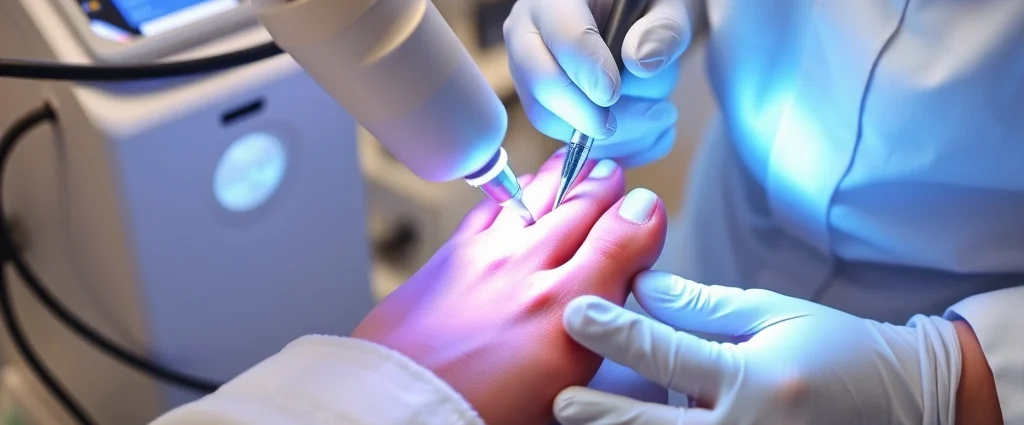
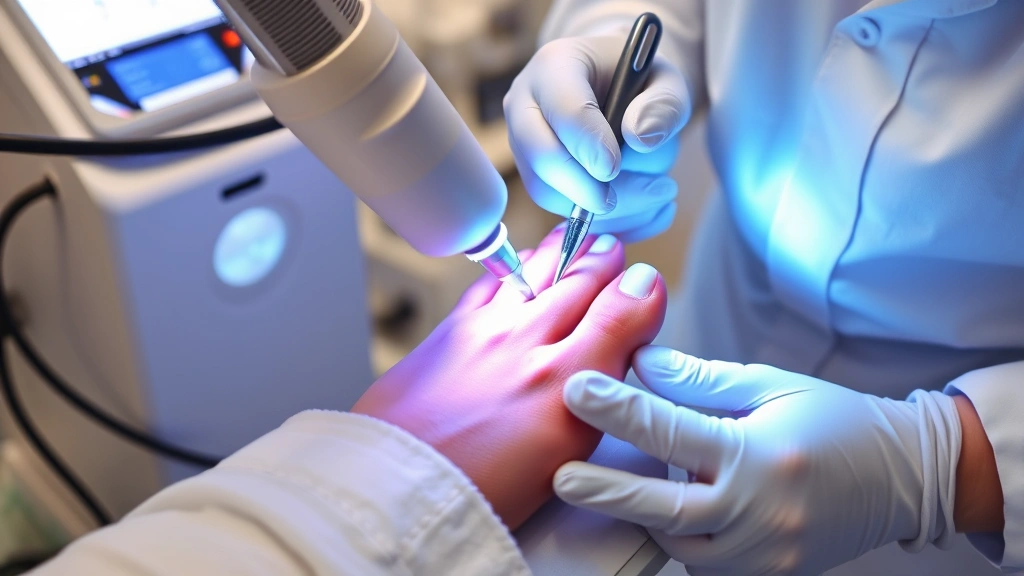
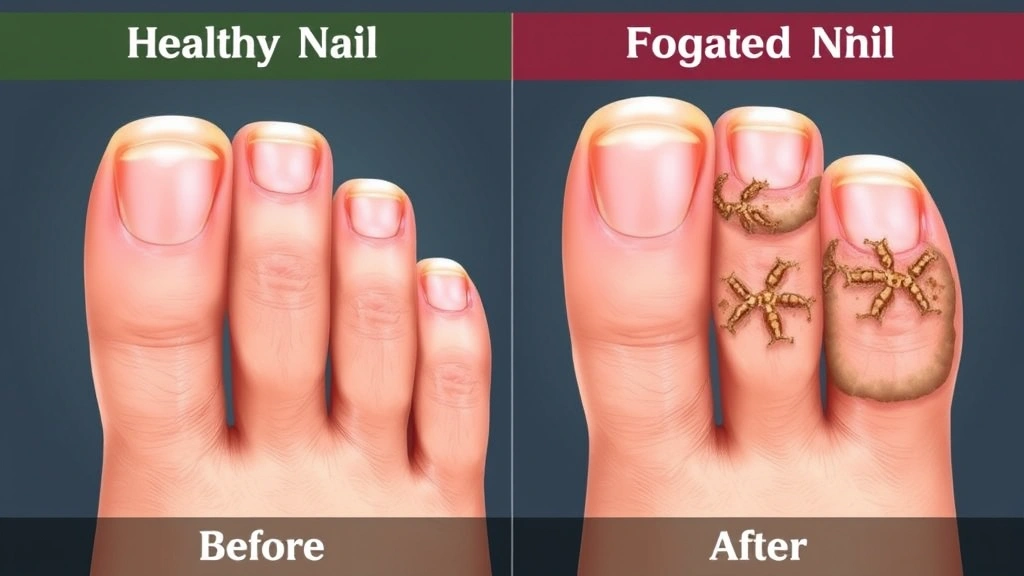
Laser nail therapy operates on a straightforward yet sophisticated principle: concentrated light energy penetrates the nail and nail bed, generating heat that damages fungal cell membranes and disrupts their metabolic processes. The laser wavelength is carefully calibrated to pass through the nail plate while being absorbed by pigmented fungal organisms, creating a thermal environment hostile to fungal survival. This selective targeting minimizes damage to surrounding healthy tissue, distinguishing laser therapy from broader systemic treatments.
The mechanism involves photothermolysis, where light energy converts to heat in the presence of fungal chromophores. Different laser systems employ varying wavelengths—typically ranging from 1064 nanometers to 1550 nanometers—each with distinct penetration depths and absorption characteristics. The red light therapy for back pain field has demonstrated similar light-based mechanisms, providing foundational understanding for how wavelength-specific energy affects biological tissues.
Multiple treatment sessions are necessary because laser energy may not reach all fungal organisms in a single application, particularly in thick or severely infected nails. The cumulative thermal effect across sessions gradually eradicates the infection while allowing healthy nail tissue to regenerate. Understanding this gradual process helps patients maintain realistic expectations about treatment duration and outcomes.
Clinical Evidence and Success Rates
Peer-reviewed research demonstrates laser nail therapy effectiveness ranging from 65% to 90% depending on the laser system, treatment protocol, and patient adherence to follow-up care. A comprehensive analysis published in the Journal of Drugs in Dermatology revealed that newer laser systems achieved mycological cure rates (complete fungal elimination) in approximately 85% of treated patients after three to six sessions. These results represent significant improvement compared to older laser generations that achieved only 40-50% success rates.
The FDA has cleared several laser systems specifically for onychomycosis treatment, lending clinical credibility to the approach. However, FDA clearance indicates safety and efficacy in clinical settings rather than guaranteed outcomes for every patient. Individual results vary based on infection severity, fungal species involved, patient immune function, and adherence to complementary care recommendations.
Long-term recurrence rates present a more nuanced picture. Studies tracking patients for 12-24 months post-treatment show recurrence in 10-20% of cases, which is lower than some oral medication recurrence rates but higher than others expect. This variation highlights the importance of understanding that laser therapy provides excellent but not absolute protection against reinfection. Environmental factors, nail hygiene practices, and exposure to fungal sources significantly influence long-term outcomes.
Research from PubMed Central databases shows emerging evidence supporting combination therapy approaches, where laser treatment is paired with topical antifungal agents or oral medications for resistant infections. This integrated strategy appears to enhance success rates, particularly for severe or chronic cases that haven’t responded to monotherapy approaches.
Types of Lasers Used in Treatment
The laser nail therapy landscape includes several distinct systems, each with unique characteristics affecting treatment outcomes. The Nd:YAG laser operating at 1064 nanometers represents the most widely adopted platform, offering excellent nail penetration and proven efficacy in clinical settings. Its longer wavelength allows deeper tissue penetration compared to shorter wavelengths, making it particularly suitable for treating infections in the nail matrix and bed.
Diode lasers, typically operating at 808 or 980 nanometers, provide an alternative approach with different thermal characteristics. These systems often deliver treatment more rapidly, sometimes requiring fewer sessions than Nd:YAG alternatives. However, comparative studies show similar overall efficacy between well-executed diode and Nd:YAG protocols, suggesting that treatment parameters matter as much as laser type.
Fractional laser systems represent emerging technology in this space, creating microscopic channels in the nail plate to enhance penetration of subsequently applied topical antifungal agents. This innovation addresses a fundamental limitation of standard laser therapy—incomplete fungal eradication in thick, heavily infected nails. Early results suggest fractional approaches may improve outcomes for challenging cases, though long-term data remains limited.
Excimer lasers, traditionally used in dermatology for psoriasis and vitiligo, are being investigated for onychomycosis treatment. Their 308-nanometer wavelength differs substantially from infrared systems, potentially offering different mechanisms of fungal disruption. Research into excimer applications continues, with preliminary findings suggesting promise for specific infection types.
Treatment Process and Timeline
A typical laser nail therapy course involves three to six treatment sessions spaced four to six weeks apart, allowing time for healthy nail growth between applications. Each session lasts 15-30 minutes depending on the number of nails treated and the laser system employed. Patients can resume normal activities immediately post-treatment, though temporary nail sensitivity or mild discomfort occasionally occurs.
The treatment timeline extends considerably beyond the active laser sessions. Visible clinical improvement typically emerges after 2-3 months as infected nail tissue grows out and healthy nail replaces it. Complete resolution may require 6-12 months as the entire nail plate cycles through its growth period. This extended timeline reflects biological reality rather than treatment failure, as nails grow slowly and infected tissue must physically shed.
During treatment, patients should maintain meticulous nail hygiene, keeping nails trimmed short and dry. Many dermatologists recommend applying prescribed topical antifungal agents between laser sessions to maximize efficacy. Understanding how long does physical therapy take provides useful perspective on the patience required for medical treatments involving tissue regeneration and gradual improvement.
Post-treatment care significantly influences outcomes. Patients must avoid environments promoting fungal growth—warm, moist settings like communal pools, locker rooms, and shared showers. Wearing breathable footwear, maintaining dry feet, and using antifungal powder in shoes reduces reinfection risk. These behavioral modifications, while simple, substantially impact long-term treatment success.
Comparing Laser Therapy to Traditional Methods
Oral antifungal medications like terbinafine and itraconazole achieve cure rates of 60-70%, comparable to laser therapy in many studies. However, oral medications carry potential hepatotoxicity, requiring baseline liver function tests and periodic monitoring during treatment. Patients with liver disease, taking multiple medications, or with compromised immune systems face contraindications or require careful medical supervision. Laser therapy avoids these systemic concerns entirely, making it attractive for medically complex patients.
Topical antifungal agents demonstrate lower efficacy—typically 10-20% cure rates—because the nail plate creates a formidable barrier limiting drug penetration. They work best for mild infections or as adjunctive therapy alongside more aggressive treatments. The psychological benefit of active treatment sometimes outweighs modest clinical efficacy for patients preferring topical approaches.
Direct comparisons between laser therapy and oral medications show similar efficacy timelines but different side effect profiles. Oral medications risk gastrointestinal upset, headaches, and liver complications affecting 5-10% of users. Laser therapy’s primary drawback is cost and accessibility rather than systemic toxicity. When evaluating physical therapy cost, similar financial considerations apply to laser nail therapy, as multiple sessions accumulate significant expense.
Combination approaches—pairing laser therapy with topical agents or short courses of oral medications—increasingly represent best-practice protocols for resistant infections. This integrated strategy leverages each modality’s strengths while minimizing reliance on any single approach, improving overall cure rates to 85-95% in clinical studies.
Cost Considerations and Insurance Coverage
Laser nail therapy typically costs between $1,000 and $3,000 per treatment course, depending on the number of nails treated, laser system used, and geographic location. Urban centers and specialized dermatology practices charge premium rates, while community clinics often offer more affordable options. Most patients require three to six sessions, resulting in total out-of-pocket expenses of $3,000 to $18,000 for comprehensive treatment.
Insurance coverage remains inconsistent. Many plans classify laser nail therapy as cosmetic rather than medically necessary, denying coverage entirely. Medicare and some commercial insurers cover laser treatment when documented fungal infection causes functional impairment or pain, but prior authorization and specific medical criteria typically apply. Patients should contact their insurance provider before pursuing treatment to understand coverage status.
Comparing costs to oral medications reveals interesting economics. A full course of oral terbinafine costs $200-500, making it dramatically less expensive than laser therapy. However, laser therapy’s lack of systemic effects eliminates ongoing monitoring costs and potential complications requiring additional medical intervention. For patients unable to tolerate or contraindicated for oral medications, laser therapy’s higher upfront cost may represent better overall value.
Financing options including payment plans, health savings account eligibility, and medical credit cards help patients manage laser therapy costs. Some dermatology practices offer discounted rates for multiple nail treatment or bundled packages encouraging comprehensive therapy. Exploring MindLift Daily Blog – Therapy Resources and Information provides context for understanding how various treatment modalities compare in cost-effectiveness.
Potential Side Effects and Safety Profile
Laser nail therapy demonstrates an excellent safety profile with minimal adverse effects in clinical practice. Temporary nail discoloration, slight discomfort during treatment, and transient nail bed sensitivity represent the most common minor effects, typically resolving within days. Serious complications remain exceptionally rare when performed by qualified practitioners using appropriate settings.
Some patients experience temporary nail brittleness or slight nail dystrophy immediately post-treatment as damaged fungal tissue sheds and healthy nail regenerates. These effects are self-limited and resolve as normal nail growth continues. Patients should avoid trauma to treated nails during the recovery period, though normal daily activities pose no risk.
Thermal injury to surrounding tissue represents a theoretical risk if excessive laser energy is applied or if the practitioner lacks proper technique. Qualified dermatologists and trained laser technicians mitigate this risk through appropriate power settings, treatment duration, and protective measures. This emphasizes the importance of seeking treatment from experienced providers rather than unqualified practitioners.
Pregnancy represents a relative contraindication, not because of proven fetal effects but due to limited safety data in pregnant populations. Most practitioners defer non-urgent laser nail therapy until after pregnancy and breastfeeding conclude. Patients with photosensitizing medications or conditions should inform their provider, as rare interactions may occur.
Comparative safety analysis consistently favors laser therapy over oral antifungal medications regarding systemic toxicity. While oral medications carry hepatotoxicity, drug interaction, and gastrointestinal risks affecting 5-15% of users, laser therapy’s safety concerns remain localized and minimal. This safety advantage particularly benefits elderly patients, those with multiple comorbidities, or individuals taking numerous medications.
Who Makes the Best Candidate
Ideal laser nail therapy candidates have confirmed fungal nail infections—confirmed through KOH preparation, fungal culture, or dermoscopy—affecting one to several nails. Patients with mild to moderate infection severity achieve excellent outcomes, while those with severe, long-standing infections may require extended treatment courses or combination therapy. Nail thickness, infection duration, and fungal species all influence candidacy assessment.
Patients unable to tolerate or contraindicated for oral antifungal medications represent excellent candidates. Those with liver disease, taking hepatotoxic medications, or with compromised immune systems benefit substantially from laser therapy’s systemic-free approach. Pregnant women or those planning pregnancy within the treatment timeline should discuss alternatives with their dermatologist.
Individuals with realistic expectations about treatment timelines and outcomes make better candidates than those anticipating rapid, guaranteed cures. Understanding that improvement emerges gradually over months and that complete resolution requires extended nail growth cycles helps ensure satisfaction with outcomes. Patients committed to post-treatment hygiene and preventive measures achieve superior long-term results.
Those with significant fungal exposure—athletes, healthcare workers, or individuals with household members harboring fungal infections—benefit from laser therapy’s low recurrence rates when combined with environmental modifications. However, continuous exposure to fungal sources may necessitate periodic maintenance treatments or combination approaches for optimal long-term control.
Contraindications include active infections on the treatment site, certain medications causing photosensitivity, and inability to follow post-treatment care recommendations. Patients with dark skin tones should seek providers experienced with treating darker skin, as laser settings require adjustment to optimize efficacy while minimizing hyperpigmentation risks.
FAQ
How many laser treatments do I need for nail fungus?
Most patients require three to six laser treatment sessions spaced four to six weeks apart. The exact number depends on infection severity, nail thickness, number of affected nails, and individual healing response. Your dermatologist will assess progress and recommend additional sessions if needed.
Is laser nail therapy painful?
Laser nail therapy causes minimal discomfort for most patients, though some experience slight warmth or mild tingling during treatment. Temporary sensitivity may occur post-treatment but typically resolves within hours. Discuss pain management options with your provider if you have concerns about treatment tolerance.
How long does it take to see results from laser nail therapy?
Visible improvement typically emerges 2-3 months after treatment initiation as infected nail grows out and healthy nail replaces it. Complete resolution may require 6-12 months as the entire nail plate cycles through its growth period. This extended timeline reflects normal nail biology rather than treatment failure.
Can laser nail therapy cure fungal nails permanently?
Laser therapy achieves high cure rates (65-90%) with relatively low recurrence rates (10-20%). However, permanent immunity doesn’t develop; reinfection can occur with continued fungal exposure. Maintaining excellent nail hygiene and avoiding fungal sources significantly reduces reinfection risk.
Is laser nail therapy covered by insurance?
Coverage varies significantly. Many insurers classify laser nail therapy as cosmetic and deny coverage, while others cover it when documented infection causes functional impairment. Contact your insurance provider and request information about coverage criteria and prior authorization requirements before treatment.
What’s the difference between laser and oral antifungal medications?
Oral medications achieve similar efficacy (60-70%) but carry systemic risks including hepatotoxicity and drug interactions. Laser therapy avoids these systemic effects but costs significantly more and requires multiple sessions. Combination approaches increasingly represent optimal therapy for resistant infections.
Can I use laser therapy if I’m pregnant?
Most practitioners defer non-urgent laser nail therapy during pregnancy and breastfeeding due to limited safety data, though no proven fetal risks exist. Discuss timing and alternatives with your dermatologist if you’re pregnant or planning pregnancy. Treating fungal nails after pregnancy is generally recommended.
How do I prevent reinfection after laser treatment?
Maintain excellent nail hygiene by keeping nails trimmed short, dry, and clean. Avoid warm, moist environments like communal pools and locker rooms. Wear breathable footwear, use antifungal powder in shoes, and avoid sharing nail care tools. Consider prophylactic topical antifungal agents during high-risk periods.