Keratin Smoothing Therapy: Safe for Mental Health?
Keratin smoothing therapy has become increasingly popular as a cosmetic hair treatment, with millions of people seeking out these services annually to achieve sleeker, more manageable hair. However, as with any widely-used treatment involving chemical exposure, questions about safety—particularly regarding mental health implications—have emerged. This comprehensive guide examines the relationship between keratin smoothing therapy and mental wellbeing, exploring both the physical and psychological dimensions of this popular salon treatment.
The intersection of cosmetic treatments and mental health is often overlooked, yet it represents an important area of discussion. When we consider keratin smoothing therapy, we must evaluate not only the direct chemical effects on the body but also the psychological impacts, potential stress responses, and long-term health considerations that could influence emotional and mental wellbeing. Understanding these connections helps individuals make informed decisions about their personal care choices.

What Is Keratin Smoothing Therapy?
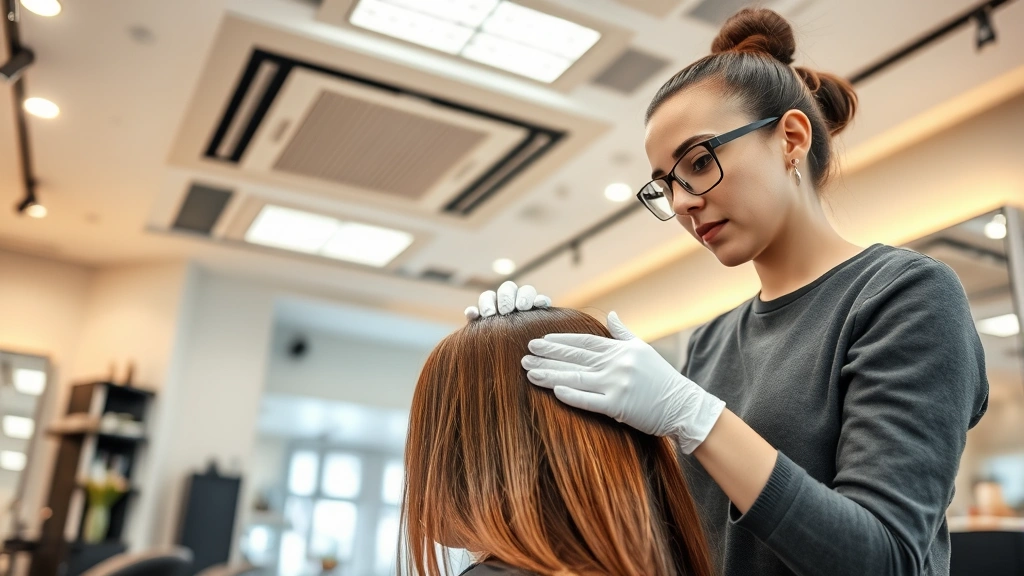
Keratin smoothing therapy, commonly referred to as a keratin treatment or keratin blowout, is a cosmetic procedure designed to reduce frizz, add shine, and create smoother hair texture. The treatment involves applying a keratin-based product to the hair, which is then sealed with heat using a flat iron at high temperatures, typically ranging from 300 to 450 degrees Fahrenheit. This process creates a protective protein coating around the hair shaft, temporarily altering its structure and appearance.
The procedure typically lasts between 1.5 to 4 hours, depending on hair length and thickness, and results can persist for 2 to 6 months with proper maintenance. Various brands offer different formulations, with some containing formaldehyde or formaldehyde-releasing compounds, while others market themselves as formaldehyde-free alternatives. Understanding what specifically is being applied to your hair is crucial for assessing potential health risks.
The popularity of keratin treatments has grown exponentially over the past decade, with salons worldwide offering specialized services and at-home kits becoming increasingly accessible. This widespread adoption makes it essential to understand the full spectrum of safety considerations, including those related to mental health.
Chemical Composition and Safety Concerns
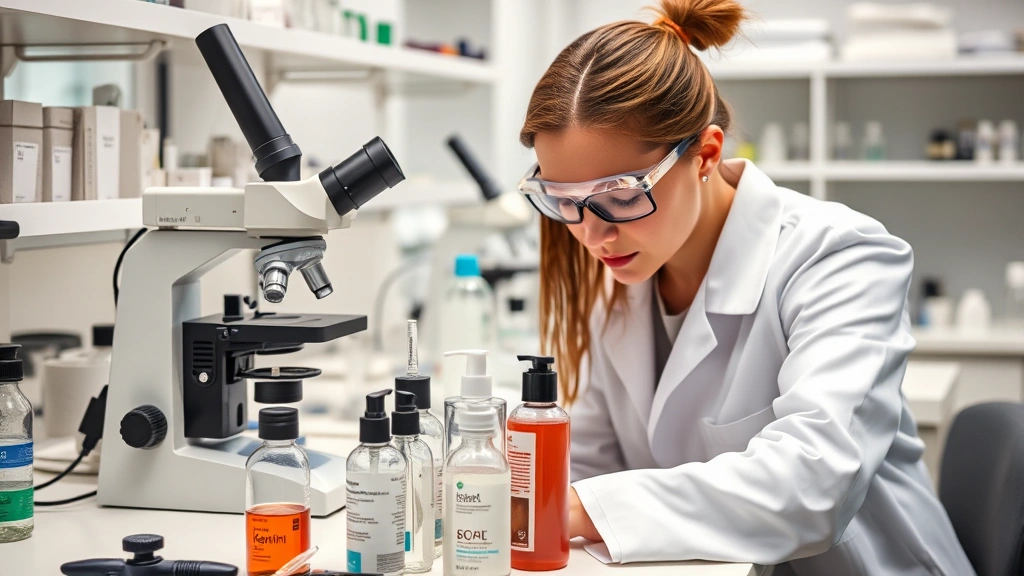
The primary concern regarding keratin smoothing therapy centers on the chemical composition of the products used. Many traditional keratin treatments contain formaldehyde or formaldehyde-releasing preservatives, which are used to stabilize the product and enhance its effectiveness. When heated during application, these chemicals can release formaldehyde gas, creating potential respiratory exposure concerns.
Formaldehyde exposure has been linked to various health issues in occupational settings, particularly among salon professionals who experience repeated exposure. The International Agency for Research on Cancer (IARC) classifies formaldehyde as a Group 1 carcinogen, meaning there is sufficient evidence of its carcinogenic potential in humans. However, the risk level from occasional consumer use differs significantly from occupational exposure.
Beyond formaldehyde, keratin treatments may contain other chemical compounds including:
- Heavy metals such as lead and mercury in some formulations
- Parabens used as preservatives
- Phthalates that may affect endocrine function
- Various botanical extracts and proteins
- Silicones for shine and smoothness
The cumulative effect of these chemicals, particularly with repeated treatments, raises questions about systemic absorption and long-term health implications. This is where the connection to mental health becomes relevant—chronic chemical exposure can trigger inflammatory responses and affect neurological function, potentially influencing mood and emotional wellbeing.
Mental Health Considerations
The relationship between keratin smoothing therapy and mental health operates on multiple levels. First, there is the direct physiological pathway: chemical exposure can trigger inflammatory responses in the body that affect brain function and neurotransmitter production. Formaldehyde and other volatile organic compounds can cross the blood-brain barrier, potentially affecting cognitive function and emotional regulation.
Second, there is the psychological dimension related to the anticipatory anxiety surrounding potential health risks. Individuals who become aware of possible dangers associated with keratin treatments may experience health anxiety or worry about past exposures, which can negatively impact mental wellbeing. This anxiety can be particularly pronounced for individuals with pre-existing anxiety disorders or health anxiety conditions.
Third, the social and environmental factors play a role. Salon workers, who experience repeated chemical exposure, report higher rates of respiratory issues, headaches, and fatigue—symptoms that can contribute to depression and anxiety. Consumers should be aware that their choice to use these services affects not only their own health but also the wellbeing of salon professionals.
Research from the Occupational Safety and Health Administration (OSHA) has documented health concerns among salon workers exposed to multiple chemical treatments throughout their workdays. These findings underscore the importance of proper ventilation and safety protocols in salon environments.
Psychological Benefits and Self-Esteem
While we must acknowledge the potential risks, it is equally important to recognize the psychological benefits that keratin smoothing therapy can provide. For many individuals, achieving desired hair aesthetics contributes positively to self-esteem, confidence, and overall psychological wellbeing. This relationship between appearance and mental health is well-documented in psychological literature.
The confidence boost from improved hair appearance can have cascading positive effects on mental health, including:
- Enhanced self-esteem and body image satisfaction
- Increased social confidence and reduced social anxiety
- Improved mood and reduced depressive symptoms
- Greater motivation for self-care and personal wellness
- Positive reinforcement of personal identity expression
For individuals with certain hair types prone to frizz and damage, keratin treatments can reduce the daily stress and frustration associated with hair management. This reduction in daily stressors can have meaningful impacts on overall mental health. Additionally, the ritual of salon visits and self-care practices contributes to psychological wellbeing through dedicated time for relaxation and self-nurturing.
The key is finding balance—recognizing these psychological benefits while simultaneously maintaining awareness of potential health risks and making informed choices about safety precautions. Exploring how much therapy costs and considering professional mental health support can help individuals process any health-related anxieties related to cosmetic treatments.
Anxiety and Stress Factors
Keratin smoothing therapy can become a source of anxiety for several reasons. First, the chemical smell during application can trigger discomfort and respiratory symptoms, which naturally activates the body’s stress response system. Individuals with chemical sensitivities, asthma, or respiratory conditions may experience heightened anxiety in salon environments.
Second, awareness of potential health risks—whether from media coverage, scientific studies, or word-of-mouth—can create anticipatory anxiety. This is particularly true for individuals already prone to health anxiety, who may obsessively research potential dangers and ruminate about past exposures. Such anxiety can interfere with daily functioning and quality of life.
Third, the decision-making process itself can be stressful. Weighing the desired aesthetic benefits against potential health risks requires careful consideration and can create internal conflict, particularly for individuals who value both appearance and health equally. This decision-making burden can contribute to stress and anxiety.
For individuals experiencing significant anxiety around keratin treatments, exploring speech therapy options or other therapeutic interventions may help develop coping strategies and process health-related concerns. Mental health professionals can provide evidence-based approaches to managing health anxiety.
Safe Practices and Precautions
If you choose to pursue keratin smoothing therapy, implementing safety precautions can significantly reduce potential risks. These evidence-based practices help minimize chemical exposure and associated health concerns:
- Choose formaldehyde-free formulations: Select products explicitly labeled as formaldehyde-free and independently tested. Research brands that have undergone third-party safety verification.
- Ensure proper ventilation: Verify that your salon has adequate ventilation systems, including exhaust fans and open windows. Poor ventilation dramatically increases chemical concentration in the air.
- Limit frequency: Avoid excessive treatments. Space keratin treatments at least 8-12 weeks apart to minimize cumulative chemical exposure.
- Protect your scalp: Request that the stylist apply petroleum jelly or protective barrier products to your scalp to minimize direct contact with treatment chemicals.
- Follow post-treatment instructions: Adhere to waiting periods before washing hair and use sulfate-free shampoos to extend treatment longevity without requiring frequent reapplication.
- Consider professional credentials: Ensure your stylist is properly trained and experienced in keratin application, as improper technique can increase chemical exposure.
- Patch testing: If you have sensitive skin or chemical sensitivities, request a patch test before full application.
Additionally, individuals with certain medical conditions should consult healthcare providers before pursuing keratin treatments, as some conditions may increase vulnerability to chemical exposure effects.
Alternative Treatments
For individuals concerned about the safety of keratin smoothing therapy, several alternative approaches can achieve similar aesthetic results with potentially lower health risks:
- Protein-based treatments: Natural protein treatments using ingredients like hydrolyzed silk, collagen, or plant-based proteins provide smoothing benefits without formaldehyde exposure.
- Oil-based treatments: Coconut oil, argan oil, and other natural oils can reduce frizz and add shine through regular deep conditioning.
- Blow-drying techniques: Professional blow-drying with ionic technology can create smooth, frizz-free results without chemical treatments.
- Hair masks and serums: Weekly intensive treatments using clean-label products can improve hair texture and appearance over time.
- Scalp treatments: Addressing underlying scalp health through specialized treatments can improve overall hair quality and reduce frizz naturally.
- Lifestyle modifications: Dietary improvements, stress reduction, and proper hydration contribute to healthier hair from within.
These alternatives may require more frequent application or maintenance but can provide peace of mind regarding chemical exposure. Exploring red light therapy and other wellness modalities may also support overall hair and scalp health through non-chemical means.
For those in the beauty industry, understanding career options is important. Exploring occupational therapy jobs or other healthcare careers might appeal to individuals interested in wellness but concerned about chemical exposure in traditional salon work.
FAQ
Is keratin smoothing therapy safe for pregnant women?
Pregnant individuals should exercise particular caution with keratin treatments due to increased sensitivity and the developing fetus’s vulnerability to chemical exposure. Most healthcare providers recommend avoiding keratin treatments during pregnancy, especially in the first trimester. Formaldehyde exposure during pregnancy has been associated with developmental concerns in some studies. Consulting with an obstetrician before pursuing any chemical treatments is essential.
Can keratin treatments cause hair loss?
While keratin treatments themselves do not directly cause hair loss, improper application, excessive heat, or allergic reactions can damage hair and potentially contribute to hair breakage. Additionally, some individuals may experience scalp irritation or allergic responses to treatment chemicals, which could indirectly affect hair health. Using high-quality products and professional application minimizes these risks.
How often is it safe to get keratin treatments?
Safety guidelines generally recommend spacing keratin treatments 8-12 weeks apart to minimize cumulative chemical exposure. Frequent treatments increase the risk of chemical accumulation in the body and can damage hair through excessive heat exposure. Consulting with a dermatologist or experienced stylist can help determine appropriate frequency based on individual factors.
What are signs of chemical sensitivity to keratin treatments?
Signs of chemical sensitivity may include respiratory irritation, headaches, dizziness, nausea, skin rashes, or eye irritation during or after treatment. Some individuals experience delayed reactions including fatigue, joint pain, or cognitive fog. If you experience any of these symptoms, discontinue use and consult a healthcare provider.
Are salon workers at higher risk from keratin treatments?
Yes, salon professionals experience significantly higher health risks due to repeated, prolonged exposure to keratin treatment chemicals throughout their workdays. Studies have documented elevated rates of respiratory issues, headaches, reproductive concerns, and other health problems among salon workers. Proper ventilation, personal protective equipment, and chemical-free product choices are crucial for occupational safety in salons.
Can I do keratin treatments at home safely?
While at-home keratin kits exist, professional salon application is generally safer due to proper ventilation systems, experienced application techniques, and controlled environments. At-home treatments increase risks of improper heat application, inadequate ventilation, and accidental chemical exposure. If pursuing at-home treatments, ensure excellent ventilation, use formaldehyde-free products, and follow instructions carefully.