Is Red Light Therapy Safe for Eyes? Expert Insights on Benefits and Risks
Red light therapy has emerged as one of the most popular wellness trends in recent years, with millions of people using devices ranging from handheld panels to full-body beds. However, as this technology gains mainstream adoption, a critical question persists: is red light therapy bad for your eyes? The answer is more nuanced than a simple yes or no, requiring an examination of the science, wavelengths involved, and proper usage protocols that determine safety outcomes.
The concern about eye safety is understandable given that we’re discussing light directed at or near one of our most sensitive organs. Yet research suggests that when used appropriately, red light therapy poses minimal risk to ocular health. In fact, emerging evidence indicates potential therapeutic benefits for certain eye conditions. Understanding the distinction between safe and unsafe exposure requires knowledge of wavelength ranges, intensity levels, and duration of treatment—factors that separate therapeutic use from potential harm.
Understanding Red Light Therapy Wavelengths
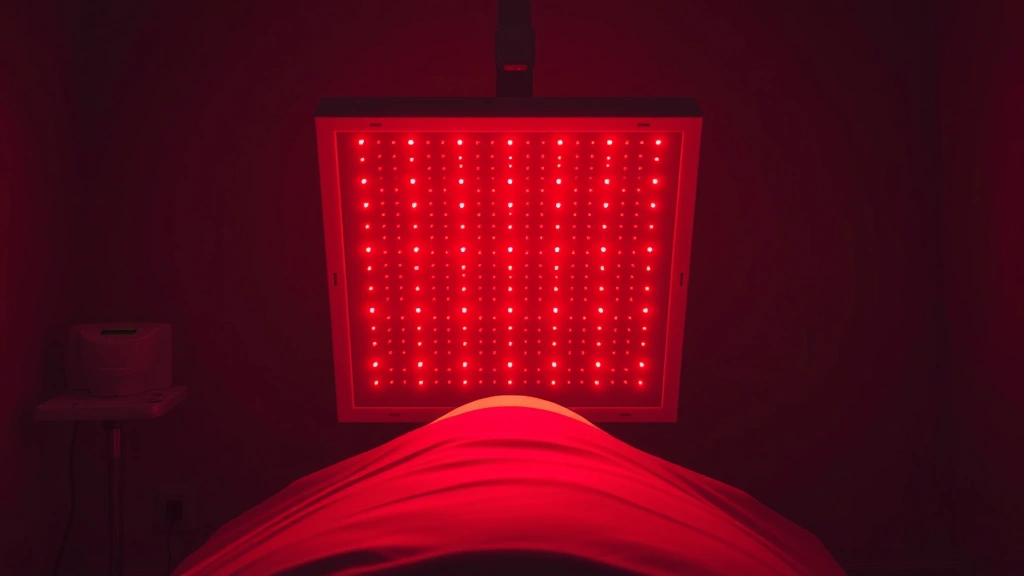
Red light therapy operates within specific wavelength ranges, typically between 600 and 1000 nanometers (nm), with most therapeutic devices concentrated between 630-700 nm for visible red light and 700-1100 nm for near-infrared light. This distinction matters significantly for eye safety because different wavelengths penetrate tissue differently and interact with ocular structures in unique ways.
The visible red light spectrum (630-700 nm) is generally considered safer for direct eye exposure because these wavelengths don’t penetrate as deeply into the retina and can be perceived by the eye, allowing for natural aversion responses. Near-infrared wavelengths (700-1100 nm), conversely, are invisible to the human eye, meaning we cannot instinctively avoid overexposure through blinking or turning away. This invisibility doesn’t inherently make near-infrared dangerous, but it does necessitate more rigorous adherence to safety protocols and device specifications.
Professional medical devices used in clinical settings typically operate at precisely calibrated wavelengths and intensities that have been tested for safety. These differ substantially from unregulated consumer devices that may claim therapeutic benefits without proper validation. The FDA regulates certain red light therapy devices as medical instruments, providing some assurance of safety standards, though many consumer products remain unregulated.
The Science Behind Eye Safety
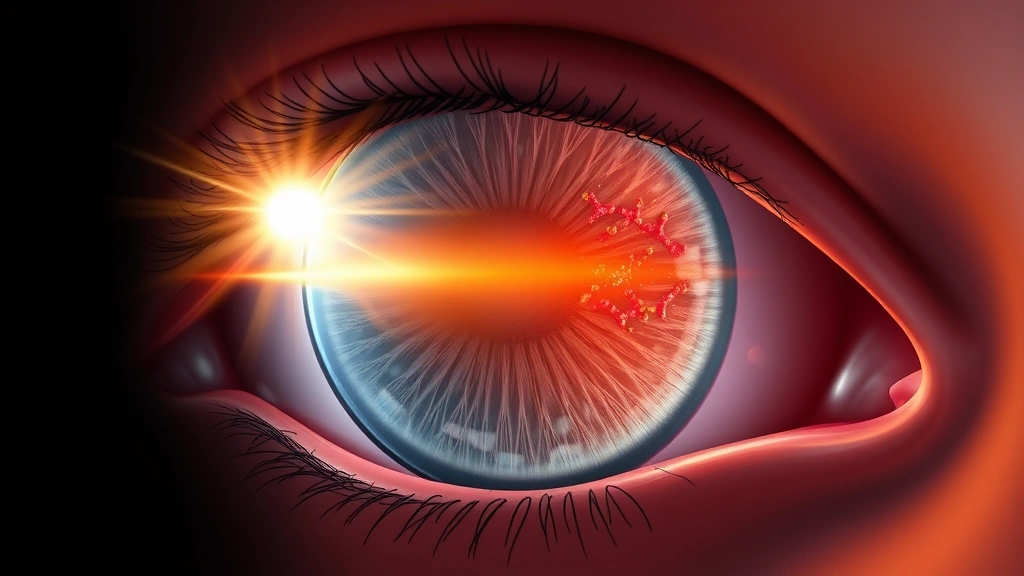
The human eye contains multiple protective mechanisms that shield internal structures from light damage. The cornea and lens act as natural filters, absorbing much of the ultraviolet and infrared radiation before it reaches the sensitive photoreceptor cells in the retina. Red and near-infrared light, existing outside the harmful UV spectrum, pass through these structures with minimal absorption, which is precisely why they can penetrate to deeper tissue layers where therapeutic effects may occur.
Research published in peer-reviewed journals examining photobiomodulation demonstrates that red light wavelengths do not cause the DNA damage associated with UV exposure or the thermal damage associated with high-intensity infrared radiation. Instead, red light interacts with mitochondrial chromophores, particularly cytochrome c oxidase, which generates cellular energy without inducing photochemical reactions that damage cellular structures.
The critical safety parameter is irradiance—the power of light per unit area—measured in milliwatts per square centimeter (mW/cm²). Most therapeutic red light devices operate at irradiances between 10-100 mW/cm², well below levels that would cause thermal damage to ocular tissues. For context, the sun delivers approximately 1000 mW/cm² of total radiation at Earth’s surface, and direct sunlight exposure poses genuine retinal hazard risks that red light therapy devices do not replicate.
When examining red light therapy near me providers, inquire about device specifications and irradiance levels. Reputable clinics maintain documentation of their equipment’s safety certifications and can explain the specific wavelengths and intensities their devices employ. This transparency indicates commitment to proper safety standards.
Potential Benefits for Ocular Health
Interestingly, red light therapy shows promise for treating specific eye conditions rather than harming vision. Age-related macular degeneration (AMD), one of the leading causes of vision loss in aging populations, has demonstrated improvement in preliminary studies using red light stimulation at 670 nm wavelengths. Research from Nature Scientific Reports indicates that red light may rejuvenate mitochondrial function in photoreceptors, potentially slowing degenerative processes.
Dry eye syndrome, affecting millions worldwide, may also benefit from red light therapy’s anti-inflammatory effects. By reducing inflammatory markers in ocular tissues and enhancing tear production through improved glandular function, red light exposure could provide therapeutic value for this common condition. Additionally, some research suggests benefits for diabetic retinopathy management, though clinical applications remain experimental.
Myopia progression in children represents another area of investigation, with some studies indicating that increased red light exposure during critical developmental periods may slow axial elongation of the eye. This potential application has generated significant research interest, particularly given the global epidemic of childhood myopia in recent decades.
These potential benefits underscore an important principle: red light therapy is not inherently harmful to eyes, and under proper conditions, may offer therapeutic applications. The distinction lies between appropriate therapeutic use and inappropriate overexposure or misapplication.
Risk Factors and Contraindications
While red light therapy appears safe for most people, certain conditions and circumstances warrant caution or avoidance. Individuals with photosensitivity conditions, including some forms of porphyria or those taking photosensitizing medications, should consult healthcare providers before using red light therapy. Similarly, people with known retinal conditions like retinitis pigmentosa should exercise caution, as their compromised photoreceptor function may respond unpredictably to light therapy.
Cancer patients undergoing photodynamic therapy should avoid red light therapy devices, as the interaction between therapeutic photosensitizing agents and external light sources could produce unexpected effects. Those with thyroid conditions should also exercise caution, as some evidence suggests red light therapy affects thyroid function, and direct neck exposure might interfere with treatment protocols.
Eye conditions involving retinal detachment, severe macular edema, or recent eye surgery represent relative contraindications requiring medical consultation before proceeding. Pregnant women, particularly those with gestational complications, should discuss red light therapy with their healthcare providers before use, though evidence of harm remains limited.
The most common risk factor associated with red light therapy is simply user error—using devices at excessive intensities, for extended durations, or directly staring into high-powered devices without appropriate protective measures. Most reported adverse effects stem from improper use rather than inherent device danger.
Safe Usage Guidelines
Establishing proper usage protocols substantially reduces any theoretical risks associated with red light therapy. Professional recommendations suggest starting with shorter sessions—typically 5-15 minutes—and gradually increasing duration only if well-tolerated. Most therapeutic benefits appear with 15-30 minute sessions, 3-5 times weekly, making longer exposures unnecessary and potentially counterproductive.
When using red light therapy near the eyes, maintain appropriate distance from the device. Most manufacturers recommend positioning panels 6-12 inches from the face, depending on device specifications. Closer distances increase irradiance exponentially, potentially exceeding safe exposure levels. Always consult device-specific instructions before use.
For direct ocular application—such as red light therapy targeting eye conditions—professional medical supervision is essential. Clinical applications typically employ specialized devices calibrated for precise wavelengths and intensities, administered by trained practitioners. Self-treating eye conditions with consumer-grade devices risks inappropriate dosing and potential complications.
Eye protection represents another important consideration. While not necessary for peripheral exposure during general red light therapy sessions, those concerned about direct retinal exposure can employ specialized red light therapy glasses designed to filter unwanted wavelengths while permitting therapeutic wavelengths to reach target tissues. These represent a reasonable precaution for those with existing eye conditions or heightened sensitivity concerns.
Understanding the relationship between physical therapy treatment approaches and light-based interventions helps contextualize red light therapy within broader therapeutic frameworks. Like any therapeutic modality, proper application matters more than the intervention itself.
Comparing Red Light to Other Light Therapies
Red light therapy occupies a unique position within the light therapy spectrum. Unlike blue light therapy, which operates at shorter wavelengths (460-495 nm) and shows stronger effects on circadian rhythm regulation but greater potential for photochemical damage with overexposure, red light therapy’s longer wavelengths penetrate deeper with lower photochemical reactivity.
UV light therapy, used for psoriasis and other dermatological conditions, operates at substantially shorter wavelengths that cause direct DNA damage when absorbed by cellular nuclei. This makes UV therapy genuinely hazardous for eye exposure and requires specific protective equipment. Red light therapy poses none of these DNA-damaging risks.
Infrared saunas and heat lamps, while sometimes confused with red light therapy, operate differently. These devices primarily generate heat through infrared radiation, with therapeutic effects stemming from temperature elevation rather than photobiomodulation. This distinction matters for safety considerations, as excessive heat exposure poses different risks than light exposure.
LED light therapy devices generally prove safer than laser-based alternatives because LEDs produce divergent light with lower peak intensities, while lasers concentrate coherent light into narrow beams capable of producing higher irradiances. Both can be used safely when properly calibrated, but laser-based systems require stricter adherence to safety protocols.
Understanding these distinctions helps clarify why red light therapy specifically has gained acceptance in clinical settings while other light therapies carry greater caution. The specific wavelength range of red light appears to offer an optimal balance between therapeutic penetration and safety margins.
Research Evidence and Clinical Studies
The scientific evidence base for red light therapy safety has expanded substantially over the past decade. A comprehensive review in the Journal of Biomedical Optics synthesized findings from hundreds of studies examining photobiomodulation effects across multiple tissues, with ocular applications receiving particular attention due to safety concerns.
Clinical trials examining red light therapy for age-related macular degeneration have shown promising results without serious adverse events. A notable study published in Investigative Ophthalmology & Visual Science followed patients receiving 670 nm red light treatment, documenting improvements in visual acuity and photoreceptor function without any reported retinal damage or complications. Participants tolerated treatments well with minimal side effects.
Research from The Lancet and other leading medical journals increasingly validates photobiomodulation mechanisms, demonstrating that red light therapy activates mitochondrial respiratory chain components, enhancing ATP production and reducing oxidative stress. These mechanisms explain therapeutic benefits while clarifying why the therapy doesn’t damage tissues—it energizes them.
Long-term safety studies, though still limited compared to the therapy’s recent popularity surge, have not identified cumulative damage from appropriately-dosed red light exposure. Animal studies examining chronic red light exposure at therapeutic wavelengths and intensities show no retinal degeneration or structural damage, even with extended treatment periods.
The absence of adverse events in the clinical literature, combined with mechanistic understanding of how red light interacts with cellular structures, provides substantial reassurance regarding safety. However, this doesn’t mean all red light therapy devices are equally safe—quality, calibration, and adherence to usage guidelines remain critical variables.
For those interested in understanding broader therapy landscapes, exploring occupational therapy versus physical therapy differences provides context for how various therapeutic modalities integrate into comprehensive wellness approaches.
Best Practices for Safe Red Light Therapy Use
Implementing evidence-based best practices substantially enhances red light therapy safety and efficacy. Begin by selecting devices from reputable manufacturers who provide transparent specifications including wavelength ranges, irradiance levels, and safety certifications. FDA clearance, while not guaranteeing therapeutic efficacy, does indicate that devices meet basic safety standards.
Maintain consistent documentation of your red light therapy sessions, recording duration, distance from device, and any subjective responses. This record-keeping enables pattern recognition and helps identify whether you’re experiencing benefits or any adverse effects. If problems develop, this documentation proves invaluable for healthcare providers assessing causation.
Consult with healthcare providers before initiating red light therapy if you have existing eye conditions, take photosensitizing medications, or have concerns about personal risk factors. This professional guidance ensures your specific circumstances receive appropriate consideration rather than assuming general safety guidelines apply universally.
Start conservatively with shorter sessions and lower frequencies, gradually increasing as tolerated. This conservative approach allows your individual response to emerge before committing to intensive protocols. Some people experience excellent results with minimal exposure, while others may benefit from more frequent use.
Avoid staring directly into high-powered red light therapy devices, particularly near-infrared devices that produce invisible radiation. While these wavelengths don’t cause the acute damage that visible laser staring produces, unnecessary direct retinal exposure remains inadvisable. Position devices to illuminate target areas without requiring direct eye exposure.
If using red light therapy for specific eye conditions, professional medical supervision becomes essential. Self-treating ocular pathology risks missing appropriate diagnoses, applying inappropriate dosing, or delaying necessary conventional treatments. Red light therapy should complement, not replace, evidence-based medical care for eye diseases.
FAQ
Can red light therapy damage your retina?
Red light therapy at therapeutic wavelengths and intensities does not damage the retina based on current scientific evidence. The wavelengths used (typically 600-1000 nm) don’t cause photochemical damage like UV light, nor do therapeutic irradiance levels generate harmful heat. However, extremely high-intensity devices or inappropriate direct staring could theoretically cause damage, making proper device selection and usage essential.
Is it safe to look directly at red light therapy devices?
Looking directly at low-to-moderate intensity red light therapy devices poses minimal risk, though it’s not necessary for therapeutic benefit. Near-infrared devices (invisible) should never be viewed directly, as you cannot perceive the radiation and therefore cannot judge appropriate exposure. Positioning devices to illuminate target areas without requiring direct eye exposure represents best practice.
How long can you safely use red light therapy?
Most therapeutic protocols employ 15-30 minute sessions, 3-5 times weekly. Sessions exceeding 30 minutes don’t typically produce additional benefits and may increase theoretical risks. Chronic daily use at high intensities remains inadequately studied, making conservative approaches advisable until more long-term data emerges.
What wavelength of red light is safest?
Visible red light wavelengths (630-700 nm) are generally considered safest for direct eye exposure because they allow natural aversion responses and don’t penetrate as deeply as near-infrared wavelengths. However, both visible red and near-infrared light appear safe when devices are properly calibrated and used according to specifications.
Can red light therapy help with vision problems?
Emerging research suggests red light therapy may benefit certain vision problems, particularly age-related macular degeneration and potentially myopia progression in children. However, these applications remain largely experimental, and red light therapy should not replace conventional vision correction or medical treatment for diagnosed eye diseases.
Should I wear eye protection during red light therapy?
Eye protection is generally unnecessary for peripheral red light therapy exposure during general wellness use. However, those with existing eye conditions, heightened sensitivity concerns, or using near-infrared devices may choose specialized red light therapy glasses as a precautionary measure. For clinical applications treating specific eye conditions, follow professional guidance regarding protective equipment.
Are consumer red light therapy devices as safe as clinical devices?
Clinical devices typically undergo more rigorous testing and calibration than consumer products. However, many reputable consumer manufacturers produce genuinely safe devices. The key distinction lies in transparency—reputable manufacturers provide detailed specifications and safety certifications, while questionable producers make vague claims without supporting documentation. Research specific device specifications before purchasing.