
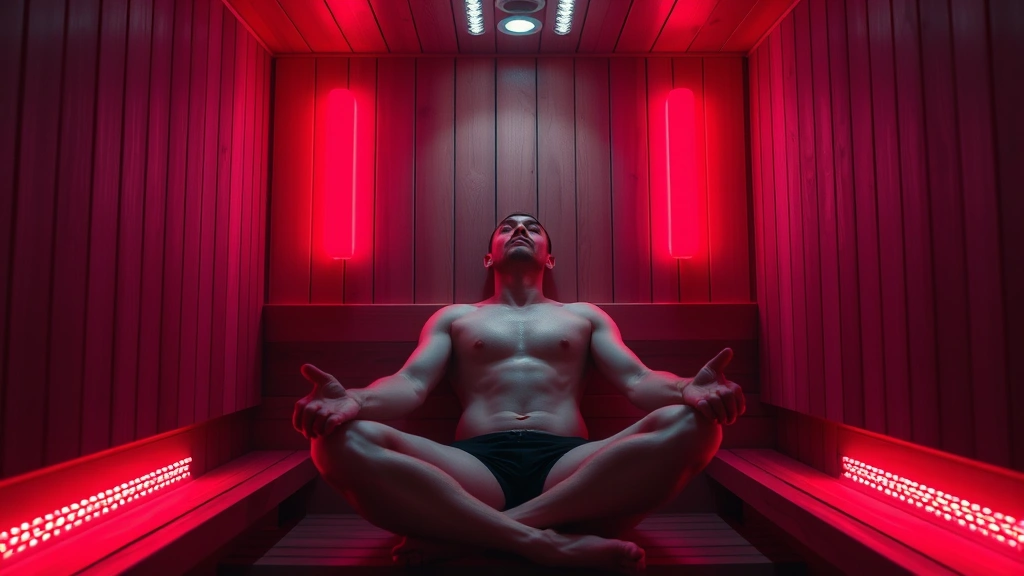
Red Light Therapy Benefits: Expert Insights
Red light therapy has emerged as one of the most researched non-invasive wellness interventions in recent years, with scientific evidence supporting its applications across multiple health domains. When combined with infrared sauna technology, this therapeutic approach offers a synergistic effect that amplifies benefits for cellular regeneration, pain management, and overall physiological optimization. This comprehensive guide explores the mechanisms, evidence, and practical applications of red light therapy, particularly within the context of infrared sauna integration.
The convergence of red light therapy and infrared sauna technology represents a paradigm shift in how individuals approach preventive health and therapeutic recovery. Understanding the science behind these modalities enables informed decision-making about their incorporation into wellness routines.
Understanding Red Light Therapy Mechanisms
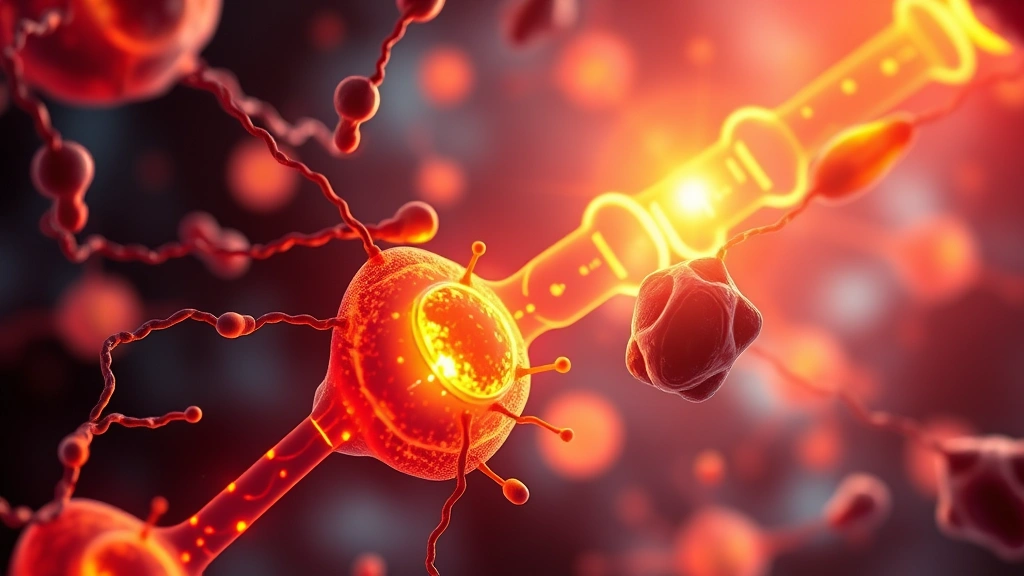
Red light therapy, also known as photobiomodulation, operates through a fascinating biological mechanism centered on the interaction between light photons and cellular mitochondria. The wavelengths typically used in therapeutic applications range from 600 to 1000 nanometers, penetrating tissue layers more effectively than visible light while avoiding the damaging effects of ultraviolet radiation.
The primary mechanism involves stimulation of cytochrome c oxidase, an enzyme complex within the mitochondrial electron transport chain. When photons at specific wavelengths interact with this enzyme, they enhance the production of adenosine triphosphate (ATP), the universal energy currency of cells. This increased ATP production cascades through multiple physiological systems, improving cellular function and resilience.
Research from the National Center for Biotechnology Information demonstrates that red light therapy reduces oxidative stress and inflammation at the cellular level. The therapy also triggers increased production of reactive oxygen species in controlled amounts, activating the body’s endogenous antioxidant defense systems—a process called hormesis.
Unlike pharmaceutical interventions, red light therapy works with the body’s natural biological processes rather than against them. This fundamental distinction explains why adverse effects remain minimal even with prolonged use, making it an attractive option for individuals seeking sustainable wellness solutions.
Infrared Sauna Integration with Red Light
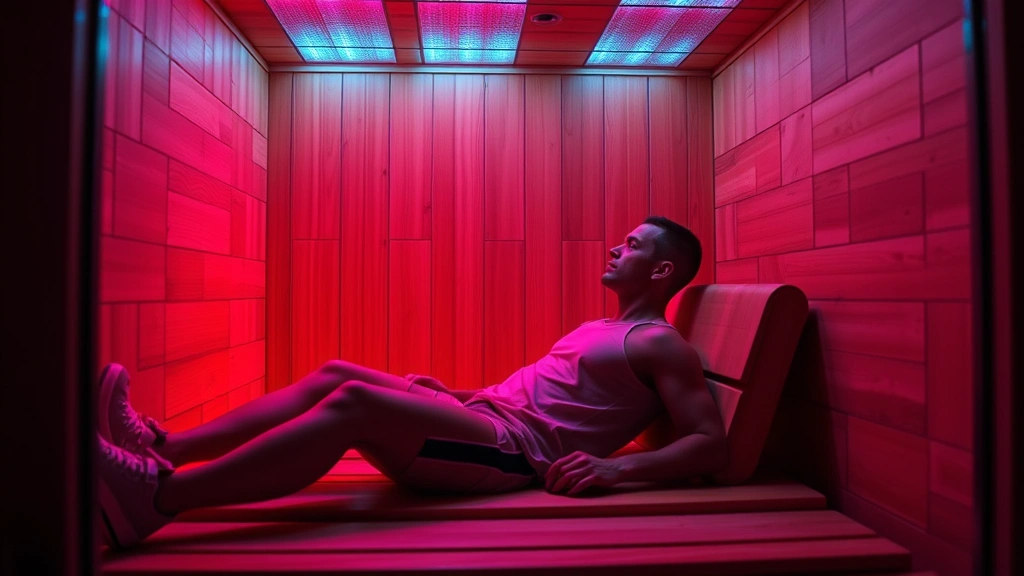
The combination of infrared sauna with red light therapy creates a synergistic therapeutic environment that maximizes health benefits. Infrared saunas operate by emitting infrared radiation that penetrates the skin and underlying tissues, generating heat from within rather than simply heating the surrounding air.
When red light therapy is integrated into the infrared sauna experience, several complementary mechanisms activate simultaneously. The heat from the sauna increases blood flow and tissue oxygenation, which enhances the delivery of photons to cellular structures and improves the efficiency of ATP production triggered by red light stimulation. This combination amplifies mitochondrial function beyond what either modality achieves independently.
The temperature elevation within an infrared sauna typically ranges from 120 to 150 degrees Fahrenheit, creating an optimal environment for cellular adaptation. Heat shock proteins are upregulated during sauna use, providing cellular protection and promoting longevity pathways. When combined with red light exposure, these heat shock proteins work synergistically with the enhanced ATP production to create a comprehensive cellular regeneration response.
For individuals exploring recovery modalities, understanding how red light therapy for back pain operates provides context for broader applications. The infrared sauna with red light therapy combination proves particularly effective for musculoskeletal conditions because it addresses pain through multiple pathways simultaneously.
Duration and frequency recommendations suggest 20-30 minute sessions, 3-4 times weekly, for optimal results without inducing excessive thermal stress. Consistency matters more than intensity when establishing a sustainable red light and infrared sauna routine.
Cellular and Mitochondrial Benefits
The mitochondria serve as the powerhouse of every cell, and their optimal function determines overall health status. Red light therapy’s primary action occurs at this cellular level, making it a foundational intervention for systemic health improvement.
Studies demonstrate that photobiomodulation increases mitochondrial membrane potential, the electrical gradient that drives ATP synthesis. This enhancement results in improved energy availability for all cellular processes, from protein synthesis to cellular repair mechanisms. Over time, cells exposed to regular red light therapy demonstrate increased resilience and enhanced stress adaptation capacity.
The effects extend beyond ATP production. Red light therapy influences gene expression patterns, activating pathways associated with longevity and cellular defense. Specifically, pathways involving NAD+ metabolism and sirtuin activation—key regulators of aging processes—show enhanced activity with consistent photobiomodulation exposure.
Mitochondrial dysfunction underlies numerous age-related conditions, including neurodegenerative diseases, metabolic dysfunction, and chronic inflammation. By addressing mitochondrial health directly, red light therapy offers a preventive approach to age-related decline. Research indicates that individuals who incorporate regular red light therapy demonstrate improved markers of mitochondrial function, including enhanced oxygen utilization and reduced cellular stress indicators.
The combination with infrared sauna amplifies these effects by creating sustained metabolic demand. As the body works to thermoregulate during sauna exposure, cellular energy requirements increase, and the enhanced ATP production from red light stimulation meets these increased demands more efficiently. This repeated cycle of demand and enhanced supply appears to condition mitochondria for improved baseline function.
Pain Management and Recovery
Chronic pain affects millions globally, and conventional pain management approaches often carry significant side effect burdens. Red light therapy offers evidence-based pain reduction through anti-inflammatory and tissue-regenerative mechanisms.
The inflammatory response, while necessary for initial injury healing, often becomes pathologically prolonged in chronic conditions. Red light therapy modulates inflammatory cytokine production, reducing excessive inflammatory signaling while preserving the constructive aspects of the healing process. Studies demonstrate measurable reductions in inflammatory markers like TNF-alpha and IL-6 following consistent photobiomodulation exposure.
For individuals managing musculoskeletal pain, the infrared sauna with red light therapy combination proves particularly effective. The heat component increases collagen synthesis in connective tissues, improving structural integrity and resilience. Simultaneously, red light stimulation accelerates cellular repair processes and reduces pain signaling through multiple pathways.
Athletes and active individuals report accelerated recovery times when incorporating red light therapy into post-exercise routines. Muscle soreness decreases, strength recovery improves, and injury incidence reduces compared to standard recovery protocols. This makes red light therapy particularly valuable for individuals pursuing physical therapy for shoulder pain or other repetitive strain injuries.
Clinical evidence supports red light therapy for conditions ranging from arthritis to tendinopathy. The therapy’s multi-mechanism approach—simultaneously reducing inflammation, enhancing cellular repair, and modulating pain signaling—provides comprehensive pain management without pharmaceutical dependencies.
Skin Health and Anti-Aging Effects
The skin represents the body’s largest organ and serves as a visible indicator of overall health status. Red light therapy produces remarkable effects on skin physiology, making it increasingly popular in dermatological and aesthetic applications.
Collagen, the primary structural protein in skin, degrades through cumulative oxidative damage and inflammation. Red light therapy stimulates fibroblasts—the cells responsible for collagen synthesis—increasing production of new collagen and elastin. Clinical studies demonstrate measurable improvements in skin thickness, elasticity, and hydration following consistent red light exposure.
The mechanism extends beyond simple collagen stimulation. Red light therapy reduces oxidative stress in skin cells, decreasing the rate of collagen degradation while simultaneously increasing synthesis. This dual action produces more dramatic anti-aging effects than interventions addressing only one pathway.
Wrinkle reduction, improved skin texture, and enhanced radiance represent commonly reported benefits. Individuals using infrared sauna with red light therapy report accelerated skin improvements compared to red light therapy alone. The heat component increases blood flow to the skin, delivering enhanced oxygen and nutrient supply while red light stimulation drives cellular regeneration at the mitochondrial level.
Acne, rosacea, and other inflammatory skin conditions also respond to red light therapy. The anti-inflammatory effects reduce lesion severity and frequency, while improved cellular function enhances the skin’s natural defense mechanisms. This makes red light therapy valuable for individuals seeking evidence-based approaches to skin health optimization.
Athletic Performance Enhancement
The athletic performance applications of red light therapy have generated substantial interest within sports medicine and performance optimization communities. The mechanisms underlying these benefits center on enhanced energy production, improved recovery, and reduced oxidative stress from intense training.
During intense exercise, muscles generate reactive oxygen species and accumulate metabolic byproducts. Red light therapy accelerates the clearance of these byproducts while simultaneously enhancing the ATP availability necessary for recovery processes. Athletes report improved power output, enhanced endurance capacity, and reduced fatigue perception when incorporating red light therapy into training protocols.
Research indicates that photobiomodulation applied before exercise enhances performance metrics, while post-exercise application accelerates recovery. The infrared sauna with red light therapy combination optimizes both aspects simultaneously, making it an efficient recovery modality for serious athletes.
Muscle protein synthesis, the process underlying strength development, increases with red light exposure. The enhanced mitochondrial function provides the ATP necessary for this energy-intensive process, while improved blood flow delivers amino acids and oxygen. Over training cycles, athletes incorporating red light therapy demonstrate superior strength gains and improved body composition changes.
Safety Considerations and Best Practices
While red light therapy demonstrates excellent safety profiles, certain considerations optimize outcomes and minimize any potential risks. Understanding proper application protocols ensures maximum benefits with minimal complications.
Eye safety represents the primary consideration when using red light therapy devices. Direct exposure to intense red light can potentially damage retinal tissue. Most reputable devices include appropriate safety features, but users should never stare directly into red light sources. Protective eyewear, when recommended by device manufacturers, should always be utilized.
Thermal safety with infrared saunas requires attention to hydration status, duration, and frequency. Individuals with cardiovascular conditions should consult healthcare providers before beginning sauna protocols. Pregnant individuals should exercise caution and seek professional guidance, as elevated core body temperature may pose risks during certain pregnancy stages.
Medication interactions deserve consideration, as some pharmaceuticals increase photosensitivity. Individuals taking medications like doxycycline or certain antipsychotics should consult healthcare providers before beginning red light therapy. Similarly, those with contraindications to sauna use should explore red light therapy as a standalone intervention.
The importance of understanding whether therapy works and evidence of effectiveness extends to red light therapy. Establishing realistic expectations and understanding the timeline for benefits optimizes adherence and satisfaction. Most individuals observe noticeable improvements within 4-12 weeks of consistent use, though some effects appear more rapidly.
Device quality significantly impacts outcomes. Higher-irradiance devices with appropriate wavelengths (660-850 nanometers for optimal penetration) produce more dramatic results than lower-quality alternatives. Investment in evidence-based, clinically-validated devices ensures optimal safety and efficacy.
For individuals considering comprehensive wellness approaches, exploring therapy cost considerations helps contextualize red light therapy investment within broader health expenditure frameworks. The long-term cost-benefit analysis often favors red light therapy investment, particularly when considering reduced pharmaceutical dependencies and improved quality of life.
Frequently Asked Questions
How long before red light therapy produces noticeable results?
Most individuals observe measurable improvements within 4-12 weeks of consistent use, though some effects—particularly energy and recovery improvements—may appear within days. Skin health changes typically require 8-12 weeks of regular exposure. Consistency matters significantly; sporadic use produces minimal results compared to regular protocols.
Can red light therapy replace traditional medical treatments?
Red light therapy works optimally as a complementary intervention rather than a replacement for evidence-based medical treatments. Individuals with serious health conditions should maintain conventional medical care while incorporating red light therapy as an adjunctive approach. Always consult healthcare providers before modifying treatment protocols.
What wavelengths prove most effective for therapeutic applications?
Research supports wavelengths between 600-1000 nanometers, with particular effectiveness in the 660-nanometer (red) and 850-nanometer (near-infrared) ranges. These wavelengths penetrate tissue effectively while optimally stimulating cytochrome c oxidase. Device specifications should clearly indicate wavelength ranges.
How does infrared sauna with red light therapy compare to red light therapy alone?
The combination produces synergistic effects exceeding either modality alone. Infrared sauna heat increases blood flow and tissue penetration, while red light stimulation enhances mitochondrial function. Together, they create comprehensive cellular regeneration with improved outcomes for pain management, recovery, and skin health.
Are there populations who should avoid red light therapy?
Individuals with light-sensitive medications should consult healthcare providers. Those with thyroid conditions may require caution, as some evidence suggests excessive heat exposure affects thyroid function. Pregnant individuals should seek professional guidance before beginning sauna protocols. Otherwise, red light therapy demonstrates excellent safety across diverse populations.
What maintenance protocols optimize long-term benefits?
Consistent use—typically 3-5 sessions weekly—maintains benefits more effectively than sporadic intensive use. Many individuals establish sustainable routines by incorporating red light therapy into existing wellness practices. Seasonal adjustments may prove helpful, with some individuals increasing frequency during winter months when natural light exposure decreases.
Establishing a comprehensive wellness approach through therapy resources and information helps contextualize red light therapy within broader health optimization frameworks. The technology continues evolving, with emerging research constantly expanding our understanding of its applications and mechanisms.
Red light therapy represents a remarkable convergence of ancient wisdom about light’s healing properties and modern scientific validation. The infrared sauna with red light therapy combination offers accessible, evidence-based wellness enhancement suitable for diverse populations seeking sustainable health optimization. As research continues advancing our understanding of photobiomodulation, the therapeutic applications expand, positioning red light therapy as a cornerstone intervention in contemporary preventive and regenerative health approaches.