Can Hyperbaric Therapy Boost Mental Health? Experts Weigh In
Hyperbaric oxygen therapy (HBOT) has gained significant attention in recent years, with proponents claiming it can enhance mental health outcomes alongside its established medical applications. This emerging intersection between oxygen therapy and psychiatric wellness raises important questions about efficacy, safety, and the neurobiological mechanisms that might support such claims. While traditional medicine has long recognized HBOT’s role in treating conditions like decompression sickness and non-healing wounds, the mental health community is now examining whether increased oxygen saturation in the brain could provide therapeutic benefits for depression, anxiety, and other psychological conditions.
Understanding the potential connection between hyperbaric oxygen therapy and mental health requires examining both the scientific evidence and expert perspectives. Mental health professionals, neurologists, and oxygen therapy specialists are actively investigating whether HBOT could complement conventional treatments or serve as an adjunctive therapy. For individuals in Mount Vernon, Washington, and other regions exploring alternative wellness approaches, understanding what research actually supports—and what remains speculative—is essential for making informed healthcare decisions.
Understanding Hyperbaric Oxygen Therapy
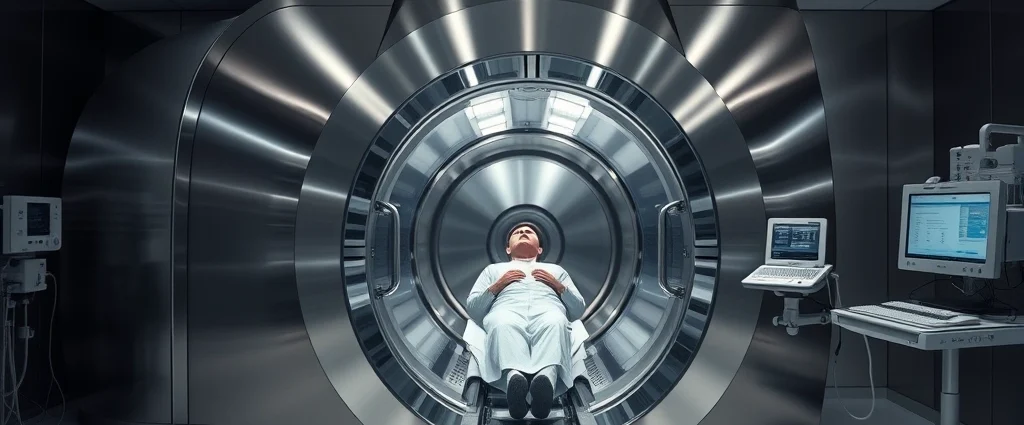
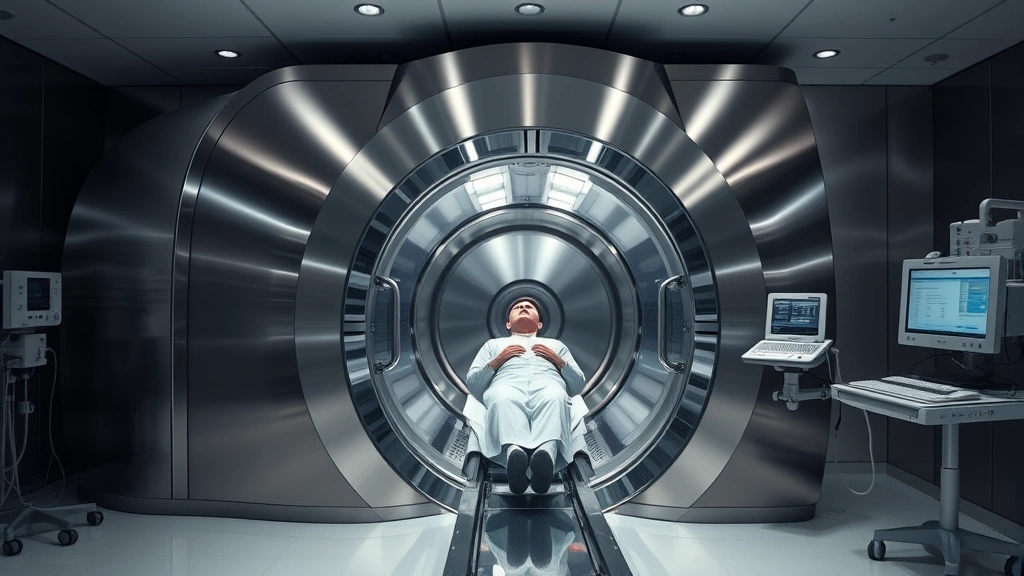
Hyperbaric oxygen therapy involves breathing pure oxygen in a pressurized chamber, typically at pressures greater than sea level atmospheric pressure. During a standard HBOT session, patients enter a specialized chamber where the air pressure is gradually increased to 2-3 times normal atmospheric pressure. This increased pressure allows the lungs to absorb significantly more oxygen than would be possible at normal atmospheric conditions, potentially increasing oxygen levels in the blood and tissues by up to 20 times.
The therapy was first developed in the 1600s but gained modern clinical acceptance in the mid-20th century. The FDA has approved hyperbaric oxygen therapy for 14 specific medical conditions, including carbon monoxide poisoning, non-healing diabetic wounds, severe infections, and radiation tissue damage. Each approved indication has robust clinical evidence demonstrating therapeutic benefit. The standard treatment protocol typically involves sessions lasting 60-120 minutes, with patients usually receiving multiple sessions over several weeks or months depending on their condition.
The mechanics of HBOT are straightforward: increased atmospheric pressure forces more oxygen molecules into the bloodstream and tissues. This enhanced oxygenation can promote healing, reduce inflammation, and stimulate the formation of new blood vessels. However, the leap from these established physical healing mechanisms to mental health benefits requires careful scientific examination rather than assumption.

The Neuroscience Behind Oxygen and Mental Health
The brain is extraordinarily oxygen-dependent, consuming approximately 20% of the body’s oxygen supply despite representing only 2% of body weight. Neurons require consistent oxygen delivery to maintain proper function, generate energy through ATP production, and regulate neurotransmitter synthesis. Theoretically, increasing cerebral oxygenation could potentially enhance cognitive function and mood regulation. This neurobiological foundation provides a plausible mechanism for why researchers have begun investigating HBOT’s potential mental health applications.
Depression and anxiety have been associated with various neurobiological abnormalities, including reduced cerebral blood flow, decreased neuroplasticity, and altered neurotransmitter regulation. Some researchers hypothesize that enhanced oxygen delivery could address these underlying mechanisms. Additionally, chronic stress and depression can impair mitochondrial function and increase oxidative stress in brain tissue. Theoretically, improved oxygenation might support mitochondrial efficiency and reduce cellular stress, potentially benefiting mood regulation.
Neuroinflammation has emerged as a significant factor in depression and other mental health conditions. Elevated levels of pro-inflammatory cytokines like TNF-alpha and IL-6 have been documented in individuals with major depressive disorder. Since hyperbaric oxygen therapy has demonstrated anti-inflammatory effects in various medical conditions, some researchers propose that these anti-inflammatory mechanisms could extend to the central nervous system, potentially benefiting psychiatric symptoms.
However, it’s crucial to note that theoretical mechanisms don’t automatically translate to clinical efficacy. The brain’s remarkable complexity means that increasing oxygen alone may not address the multifactorial causes of mental illness, which involve genetics, trauma, life circumstances, and learned patterns of thinking and behavior.
Current Research on HBOT and Mental Health
Research examining hyperbaric oxygen therapy’s effects on mental health remains limited compared to its extensive documentation in medical applications. A comprehensive literature review reveals that most studies examining HBOT and psychiatric conditions are small, preliminary, or lack rigorous control groups. Several studies have investigated HBOT for depression, post-traumatic stress disorder (PTSD), and cognitive impairment, but results have been mixed and often inconclusive.
One area showing modest promise involves HBOT’s potential role in treating traumatic brain injury (TBI), which frequently co-occurs with depression and anxiety. Some research suggests that HBOT may improve cognitive function and mood in TBI patients, though larger, well-controlled studies are needed. The mechanism may involve promoting neuroplasticity and reducing inflammation rather than directly treating psychiatric symptoms.
A study published in research literature examining HBOT for depression found that some patients reported mood improvements, but the sample sizes were small and lacked appropriate control conditions. Without comparing outcomes to placebo or standard depression treatments, it’s impossible to determine whether improvements resulted from the therapy itself or from placebo effects, therapeutic attention, or natural recovery.
Research from institutions studying oxygen therapy’s neurological effects has documented that HBOT can increase cerebral blood flow and promote angiogenesis (new blood vessel formation) in brain tissue. However, translating these physiological changes into measurable mental health improvements remains challenging. The relationship between increased blood flow and psychological symptom reduction is not straightforward, and many other factors influence mental health outcomes.
Expert Perspectives from Mental Health Professionals
Mental health experts and psychiatrists generally approach HBOT for mental health with cautious skepticism. While acknowledging the theoretical neurobiological rationale, most established mental health organizations have not endorsed HBOT as a primary or even adjunctive treatment for depression, anxiety, or other psychiatric conditions. The American Psychiatric Association and American Psychological Association have not included HBOT in their evidence-based treatment guidelines for mental health disorders.
Dr. perspectives from leading neuroscience institutions suggest that while oxygen is essential for brain function, simply increasing oxygen availability is unlikely to resolve the complex psychological and neurobiological processes underlying mental illness. Most experts emphasize that therapy effectiveness for mental health depends on addressing underlying causes—whether psychological, social, or biochemical—rather than optimizing a single physiological parameter.
Some integrative medicine practitioners view HBOT as a potential complementary approach that might support overall brain health when combined with evidence-based treatments. However, even these practitioners typically recommend HBOT only after establishing conventional treatment foundations. The concern among mainstream mental health professionals is that promoting HBOT as a mental health treatment could divert resources and attention from proven interventions like cognitive-behavioral therapy, medication, lifestyle changes, and social support.
Neurologists studying brain injury recovery have been more receptive to investigating HBOT, particularly for TBI-related mood disturbances. These experts recognize that improving underlying neurological function might secondarily benefit mood, but they carefully distinguish this from treating primary psychiatric disorders. This nuanced perspective acknowledges potential benefits in specific contexts while avoiding overgeneralization.
Potential Benefits and Limitations
If hyperbaric oxygen therapy does provide mental health benefits, the most likely mechanisms would involve supporting overall brain health and neurological function rather than directly treating psychiatric symptoms. Improved cerebral oxygenation could theoretically enhance cognitive clarity, support energy production in neurons, and reduce neuroinflammation. These general improvements in brain function might provide marginal benefits for mood and anxiety, though such benefits would likely be modest compared to targeted psychological interventions.
The main limitation of current HBOT research for mental health is the absence of large, randomized controlled trials with appropriate comparison groups. Most studies lack the methodological rigor required to establish efficacy. Additionally, HBOT is expensive and time-consuming, typically costing thousands of dollars for a complete treatment course. Given limited research support, recommending HBOT as a mental health treatment raises questions about cost-effectiveness compared to evidence-based alternatives.
Another significant limitation involves the difficulty of isolating HBOT’s specific effects from placebo effects and therapeutic context. Mental health conditions are particularly susceptible to placebo effects, meaning that patients receiving HBOT might experience mood improvements that result from expectation and therapeutic attention rather than the therapy itself. Rigorous research requires carefully controlled comparisons to distinguish genuine treatment effects from placebo responses.
Safety considerations are important as well. While HBOT is generally considered safe for approved medical indications, it’s not without risks. Potential side effects include ear barotrauma, sinus barotrauma, oxygen toxicity, and claustrophobia-related anxiety. For individuals with certain psychiatric conditions, the confined chamber environment might exacerbate anxiety or trigger trauma-related responses. Additionally, recommending HBOT as a mental health treatment could delay individuals from pursuing established, evidence-based therapies that have proven effectiveness.
Complementary Approaches to Mental Wellness
Rather than relying on HBOT, individuals seeking to optimize brain health and mental wellness should prioritize approaches with substantial scientific support. Regular aerobic exercise is one of the most robust interventions for depression and anxiety, improving cerebral blood flow, promoting neurogenesis, and regulating neurotransmitters. Even moderate physical activity produces measurable mental health benefits comparable to some medications.
Cognitive-behavioral therapy and other psychotherapies have extensive research demonstrating effectiveness for depression, anxiety, PTSD, and numerous other conditions. Therapy for specific life challenges provides targeted interventions addressing the psychological roots of distress. For individuals considering therapy investments, understanding how long therapy typically takes and therapy cost considerations helps with realistic planning.
Nutritional approaches supporting brain health—including omega-3 fatty acids, B vitamins, antioxidants, and adequate protein—provide physiological support for mental health. Sleep optimization, stress management practices like meditation or yoga, and maintaining strong social connections all have robust evidence supporting mental health benefits. These foundational interventions address multiple aspects of wellbeing and should form the basis of any mental health approach.
For individuals interested in innovative treatments, approaches like transcranial magnetic stimulation (TMS) and ketamine-assisted therapy have emerging research support and FDA approval for treatment-resistant depression. These interventions have undergone more rigorous scientific evaluation than HBOT for mental health and may offer benefits for specific populations.
Hyperbaric Oxygen Therapy in Mount Vernon, Washington
For residents of Mount Vernon, Washington, seeking hyperbaric oxygen therapy for medical purposes, several facilities in the Pacific Northwest provide HBOT services. These centers typically focus on FDA-approved indications like wound healing, infection treatment, and decompression sickness. Individuals in Mount Vernon interested in hyperbaric oxygen therapy Mount Vernon WA should consult with their primary care physician or wound care specialist to determine if HBOT is appropriate for their specific medical condition.
If considering HBOT for mental health purposes in Mount Vernon or elsewhere, individuals should approach such decisions with careful consideration of the limited research evidence. Speaking with both a mental health professional and a hyperbaric medicine specialist can help clarify whether HBOT might be appropriate as a complementary approach within a broader treatment plan. However, mental health treatment should primarily focus on evidence-based interventions like therapy and, when appropriate, medication.
The MindLift Daily Blog provides comprehensive therapy resources and information for individuals exploring mental health treatment options. Local mental health providers in Mount Vernon can discuss evidence-based approaches tailored to individual needs and circumstances. For couples or family-related mental health concerns, understanding couples therapy cost and availability helps with treatment planning.
FAQ
Is hyperbaric oxygen therapy FDA-approved for mental health conditions?
No. The FDA has approved HBOT for 14 specific medical conditions, none of which are primary psychiatric disorders. While HBOT is approved for conditions like decompression sickness and non-healing wounds, it has not received FDA approval for depression, anxiety, PTSD, or other mental health conditions. Any use of HBOT for mental health remains experimental and off-label.
Can HBOT replace traditional therapy or medication for depression?
No. HBOT should not be considered a replacement for evidence-based mental health treatments. Psychotherapy and medication have extensive research demonstrating effectiveness for depression. If HBOT were ever to play a role in mental health care, it would only be as a complementary approach alongside established treatments, not as a substitute.
What does the research actually show about HBOT and mental health?
Current research is limited and inconclusive. Most studies examining HBOT for mental health conditions are small, lack appropriate control groups, and don’t meet rigorous scientific standards. While theoretical mechanisms exist suggesting HBOT could potentially benefit brain function, these theories haven’t translated into proven mental health treatments. Larger, well-controlled studies would be needed to establish any genuine benefits.
How much does hyperbaric oxygen therapy cost?
HBOT costs typically range from $1,000 to $3,000 per session, with complete treatment courses often requiring 20-40 sessions, totaling $20,000-$120,000. Insurance may cover HBOT for FDA-approved medical indications but typically does not cover off-label use for mental health purposes. This significant expense should be considered alongside the limited evidence for mental health benefits.
Are there side effects associated with HBOT?
Yes. Common side effects include ear barotrauma, sinus barotrauma, temporary vision changes, and fatigue. Serious but rare complications include oxygen toxicity and pulmonary barotrauma. For individuals with anxiety or claustrophobia, the chamber environment itself might be distressing. These risks should be weighed against potential benefits, particularly given the limited evidence for mental health applications.
What evidence-based alternatives exist for mental health treatment?
Numerous evidence-based approaches have strong research support: cognitive-behavioral therapy, psychodynamic therapy, medication, exercise, sleep optimization, nutritional support, mindfulness practices, and social connection. These interventions address multiple aspects of mental health and have documented effectiveness. Mental health professionals can help determine which approaches best suit individual circumstances and needs.
Could HBOT help with trauma-related mental health conditions?
While HBOT might theoretically support brain healing after traumatic brain injury, which can co-occur with PTSD and depression, there is no established evidence that HBOT treats PTSD itself. Evidence-based trauma treatments like trauma-focused cognitive-behavioral therapy and Eye Movement Desensitization and Reprocessing (EMDR) have documented effectiveness for PTSD. These should be prioritized over experimental approaches like HBOT.