Hyperbaric Oxygen Therapy: Does It Aid Mental Health?
Hyperbaric oxygen therapy (HBOT) has gained significant attention in recent years as a potential treatment for various conditions, from wound healing to neurological disorders. However, one of the most intriguing questions emerging in the medical community is whether this oxygen-rich treatment can meaningfully impact mental health outcomes. Jacksonville residents and individuals nationwide are increasingly curious about whether hyperbaric oxygen therapy in Jacksonville and other locations might offer therapeutic benefits beyond traditional psychiatric interventions.
The premise is compelling: by saturating the body with pressurized oxygen, HBOT theoretically enhances cellular function, reduces inflammation, and promotes neurogenesis. But does the science support its use for depression, anxiety, PTSD, and other mental health conditions? This comprehensive guide explores the evidence, mechanisms, and current state of research surrounding hyperbaric oxygen therapy as a complementary mental health intervention.
Understanding the intersection of oxygen therapy and psychiatric wellness requires examining both the physiological mechanisms and the clinical evidence. While HBOT remains primarily indicated for approved medical conditions, emerging research suggests potential applications in mental health that warrant careful investigation.
How Hyperbaric Oxygen Therapy Works
Hyperbaric oxygen therapy involves breathing pure oxygen in a pressurized chamber, typically at pressures 2.4 to 3 times greater than atmospheric pressure at sea level. During a standard HBOT session, patients enter a specialized chamber where the pressure gradually increases while they breathe 95-100% oxygen through a mask or hood. Sessions typically last 60 to 120 minutes, and treatment protocols usually involve 20 to 40 sessions depending on the condition being treated.
The fundamental mechanism relies on Henry’s Law, which states that the amount of gas dissolved in a liquid is directly proportional to the pressure of that gas above the liquid. When breathing pressurized oxygen, significantly more oxygen dissolves into the bloodstream and body tissues compared to breathing normal air at standard pressure. This increased oxygen availability at the cellular level creates the therapeutic foundation upon which HBOT’s purported benefits rest.
The pressurized environment triggers several physiological responses: increased oxygen diffusion into tissues, enhanced mitochondrial function, reduced inflammation markers, improved blood flow, and stimulation of angiogenesis (new blood vessel formation). These mechanisms theoretically support cellular repair and regeneration throughout the body, including neural tissue. Understanding these processes is essential for evaluating HBOT’s potential role in mental health treatment, particularly when considering how it might complement existing therapy resources.
The Connection Between Oxygen and Brain Health
The brain represents approximately 2% of body weight but consumes roughly 20% of the body’s oxygen supply, making it extraordinarily sensitive to oxygen availability fluctuations. Neuroimaging studies have demonstrated that reduced cerebral blood flow and oxygen delivery correlate with various psychiatric conditions, including depression, anxiety disorders, and post-traumatic stress disorder.
Hypoxia—insufficient oxygen at the tissue level—has been implicated in the pathophysiology of several mental health conditions. When brain regions receive inadequate oxygen, neuronal metabolism becomes compromised, leading to reduced neurotransmitter synthesis, impaired synaptic plasticity, and increased oxidative stress. HBOT theoretically addresses this by dramatically increasing oxygen availability, potentially restoring optimal neuronal function.
Furthermore, chronic inflammation represents a significant factor in depression and other psychiatric disorders. Research published in Nature journals demonstrates that elevated inflammatory cytokines correlate with depressive symptoms. HBOT’s anti-inflammatory effects—mediated through reduced reactive oxygen species production and modulation of inflammatory pathways—could theoretically ameliorate inflammatory-driven mental health symptoms.
Neuroplasticity, the brain’s capacity to reorganize and form new neural connections, also benefits from enhanced oxygen availability. This property becomes particularly relevant for conditions like PTSD, where maladaptive neural patterns perpetuate traumatic memories. By supporting neurogenesis in the hippocampus and promoting synaptic remodeling, HBOT might facilitate therapeutic neural reorganization when combined with evidence-based psychotherapy.
HBOT and Specific Mental Health Conditions
Depression and Mood Disorders
Depression involves complex neurobiological changes including reduced cerebral blood flow in the prefrontal cortex and anterior cingulate cortex, decreased neurogenesis in the hippocampus, and dysregulated neurotransmitter systems. Some preliminary research suggests HBOT might address these abnormalities through enhanced oxygen delivery and neurogenic stimulation.
A small pilot study examining HBOT in treatment-resistant depression found modest improvements in mood scores and increased activity in brain regions associated with emotional regulation. However, these findings remain preliminary and haven’t been replicated in larger randomized controlled trials. The evidence base remains insufficient to recommend HBOT as a primary depression treatment, though it might warrant investigation as an adjunctive intervention alongside established therapies.
Anxiety Disorders and PTSD
Post-traumatic stress disorder involves hyperactivity in the amygdala (fear center) and reduced activity in prefrontal regions responsible for emotional regulation. This neural imbalance perpetuates hypervigilance, intrusive memories, and anxiety symptoms. Theoretically, HBOT’s capacity to enhance prefrontal function while reducing amygdala reactivity could support PTSD recovery.
Some clinicians report anecdotal improvements in PTSD symptoms following HBOT, particularly when combined with trauma-focused psychotherapy. However, rigorous clinical trials remain limited. Veterans’ affairs medical centers in some locations have explored HBOT for combat-related PTSD, but definitive evidence supporting its efficacy remains elusive.
Traumatic Brain Injury and Cognitive Function
Traumatic brain injury frequently results in both cognitive impairment and psychiatric complications including depression and anxiety. HBOT has received FDA approval for certain TBI indications, and some research demonstrates improved cognitive function following treatment. These cognitive improvements might secondarily benefit mental health outcomes by restoring executive function, emotional regulation capacity, and social functioning.
The relationship between brain injury recovery and mental health improvement suggests that HBOT’s primary benefit in TBI might indirectly support psychiatric symptom reduction. This distinction remains important when evaluating HBOT’s role in mental health treatment—it may be most relevant as an adjunct to primary treatments for conditions involving neurological compromise.

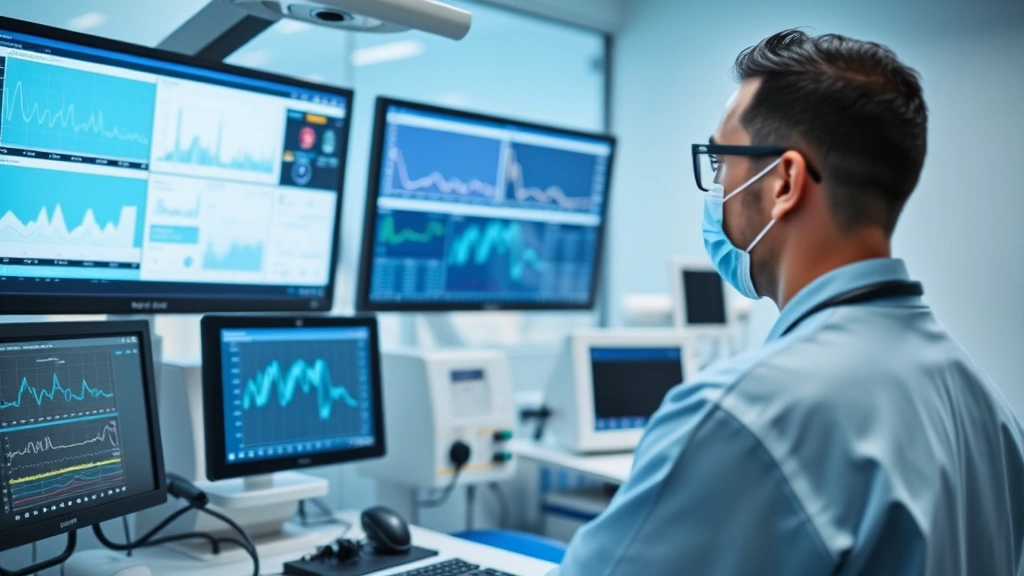
” alt=”Advanced hyperbaric chamber facility with medical monitoring equipment”>
Current Research and Evidence
The scientific literature regarding HBOT and mental health reveals a significant evidence gap. While numerous studies examine HBOT for approved indications like decompression sickness, diabetic foot ulcers, and carbon monoxide poisoning, psychiatric applications remain understudied. The National Center for Biotechnology Information database contains relatively few randomized controlled trials specifically investigating HBOT for primary psychiatric disorders.
Most evidence suggesting mental health benefits comes from small pilot studies, case reports, and mechanistic research demonstrating HBOT’s effects on relevant biological pathways. While these preliminary findings prove intriguing, they don’t constitute sufficient evidence for clinical recommendation. The gold standard—large, well-controlled randomized trials—remains absent for psychiatric applications.
Research from The Lancet and other prestigious journals demonstrates HBOT’s efficacy for approved medical conditions, but mental health remains largely outside these established indications. This distinction matters clinically: HBOT’s approved status for certain conditions doesn’t automatically extend to psychiatric use.
However, several promising avenues warrant future investigation. Studies examining HBOT’s effects on neuroinflammation, neuroplasticity, and cerebral blood flow provide mechanistic support for mental health applications. Additionally, research in animal models demonstrates HBOT-induced neurogenesis and enhanced synaptic density, suggesting theoretical benefits for conditions characterized by neuroplastic dysfunction.
The emerging field of neuroimmunology increasingly recognizes inflammation’s role in psychiatric disorders, positioning HBOT’s anti-inflammatory mechanisms as potentially relevant. Future research combining HBOT with neuroimaging, inflammatory biomarkers, and standardized psychiatric assessments could clarify whether observed benefits represent genuine therapeutic effects or placebo responses.
” alt=”Brain imaging scan showing neural connectivity and oxygen perfusion patterns”>
Safety Considerations and Side Effects
While HBOT is generally considered safe when administered by trained professionals, potential adverse effects warrant consideration. Barotrauma—pressure-related injury to air-filled body spaces—represents the most common complication, typically affecting the middle ear. Patients experience ear discomfort during pressure changes, managed through equalization techniques or preventive medications.
Oxygen toxicity, though rare at therapeutic pressures, can cause central nervous system symptoms including visual changes, tinnitus, nausea, and rarely, seizures. Claustrophobia affects some patients, particularly in monoplace chambers where individuals occupy small enclosed spaces. Temporary myopia (nearsightedness) may develop during treatment courses, typically resolving post-therapy.
More serious complications including pulmonary barotrauma and decompression sickness are exceptionally rare when treatment follows established protocols. However, certain populations require careful screening: patients with uncontrolled seizure disorders, those taking chemotherapy agents like cisplatin, and individuals with severe claustrophobia may not be suitable candidates.
For psychiatric patients specifically, additional considerations apply. Individuals with active suicidal ideation require careful evaluation before HBOT to ensure they can safely tolerate chamber confinement. Patients with severe anxiety disorders might experience exacerbation in the enclosed chamber environment. Comprehensive psychiatric and medical screening should precede any HBOT consideration for mental health purposes.
Insurance coverage remains limited for psychiatric HBOT applications since most insurance companies only reimburse for FDA-approved indications. Out-of-pocket costs typically range from $200-$500 per session, making extended treatment courses financially prohibitive for many patients. This economic barrier, combined with limited evidence, means HBOT remains inaccessible to most individuals seeking mental health treatment.
Comparing Treatment Options
When evaluating HBOT as a mental health intervention, comparison with established evidence-based treatments proves essential. Physical rehabilitation approaches and psychotherapy represent gold-standard treatments for many psychiatric conditions, supported by decades of rigorous research.
Psychotherapy—including cognitive-behavioral therapy, dialectical behavior therapy, and trauma-focused approaches—demonstrates robust efficacy for depression, anxiety, PTSD, and other conditions. These treatments address maladaptive thought patterns, behavioral responses, and emotional regulation directly. Pharmacological interventions including selective serotonin reuptake inhibitors provide additional evidence-based options for many patients.
Emerging treatments like ketamine-assisted therapy, transcranial magnetic stimulation, and psilocybin-assisted therapy show promise for treatment-resistant conditions. These interventions have undergone rigorous clinical investigation and received FDA breakthrough therapy designations where appropriate. In comparison, HBOT for psychiatric use remains largely investigational.
That said, HBOT might potentially serve as adjunctive therapy alongside established treatments rather than replacement therapy. For individuals with comorbid conditions—such as those with PTSD and chronic pain—HBOT’s effects on both conditions might prove beneficial when integrated into comprehensive treatment plans. Additionally, individuals with treatment-resistant symptoms who have exhausted conventional options might reasonably explore HBOT under medical supervision, particularly in research contexts.
Understanding treatment costs and accessibility becomes crucial when comparing options. Established therapies including psychotherapy and medication management typically cost less and remain more accessible than HBOT. Geographic availability also matters: while hyperbaric oxygen therapy in Jacksonville and other major cities provides some access, rural populations face significant barriers.
Frequently Asked Questions
Is hyperbaric oxygen therapy FDA-approved for mental health conditions?
No. The FDA has approved HBOT for specific medical conditions including decompression sickness, diabetic foot ulcers, carbon monoxide poisoning, and certain types of bone infection. Psychiatric disorders are not FDA-approved HBOT indications. While research exploring mental health applications continues, clinical use for psychiatric purposes remains off-label and experimental.
Can HBOT replace traditional psychiatric medications?
No. HBOT should never replace evidence-based psychiatric medications or psychotherapy. While HBOT might theoretically complement established treatments, discontinuing proven psychiatric interventions in favor of experimental HBOT would be clinically inappropriate and potentially dangerous. Any consideration of HBOT should occur within comprehensive psychiatric care involving collaboration between mental health providers and medical specialists.
How many HBOT sessions would be needed for mental health benefits?
This remains unclear due to limited research. Approved medical conditions typically require 20-40 sessions depending on the specific indication. If HBOT were ever established as efficacious for psychiatric conditions, session requirements would depend on numerous factors including condition severity, individual response, and specific disorder type. Currently, no evidence-based protocol exists for psychiatric HBOT dosing.
What does current research say about HBOT and depression?
Preliminary research suggests potential mechanisms through which HBOT might benefit depression, including enhanced cerebral blood flow, neurogenesis stimulation, and anti-inflammatory effects. However, high-quality clinical trials demonstrating efficacy remain absent. Small pilot studies show mixed results, and larger randomized controlled trials are needed before clinical recommendations can be made.
Are there alternatives to HBOT for treatment-resistant mental illness?
Yes. Several evidence-based alternatives exist for treatment-resistant psychiatric conditions. Light therapy and other emerging treatments show promise, as do ketamine-assisted therapy, transcranial magnetic stimulation, and electroconvulsive therapy for severe depression. Comprehensive therapeutic approaches combining multiple modalities often prove more effective than single interventions. Consultation with psychiatric specialists in treatment-resistant conditions can help identify appropriate options.
Where can I access HBOT if interested in exploring it?
Hyperbaric oxygen therapy centers exist in most major metropolitan areas. Reputable facilities employ trained hyperbaric technicians and physicians with HBOT certification. If considering HBOT for any condition, verify that the facility maintains proper accreditation and that treatment is supervised by qualified medical professionals. For hyperbaric oxygen therapy in Jacksonville, consultation with your primary care physician can provide referrals to established facilities. However, for psychiatric applications specifically, expect limited availability and lack of insurance coverage.
What should I discuss with my psychiatrist about HBOT?
Be transparent with your mental health provider about interest in HBOT or any complementary treatments. Discuss current psychiatric symptoms, treatment history, and treatment goals. Your psychiatrist can help evaluate whether HBOT might be appropriate as adjunctive therapy, identify potential safety concerns specific to your situation, and ensure that exploration of new treatments doesn’t interfere with established psychiatric care. Collaborative decision-making involving both psychiatric and medical specialists represents best practice.
Could HBOT help with anxiety alongside other treatments?
While theoretical mechanisms suggest HBOT might benefit anxiety through enhanced prefrontal function and reduced amygdala reactivity, clinical evidence remains limited. For anxiety disorders, established treatments including cognitive-behavioral therapy, medication, and mindfulness-based approaches demonstrate robust efficacy. If considering HBOT as adjunctive therapy, ensure that primary anxiety treatment through proven interventions remains the foundation of care. Comprehensive therapeutic approaches integrating multiple evidence-based modalities typically prove most effective.
Are there risks specific to people with mental health conditions using HBOT?
Yes. Individuals with severe claustrophobia or active suicidal ideation require careful evaluation before HBOT due to the confined chamber environment. Those with active psychotic symptoms might experience exacerbation in the enclosed space. Additionally, individuals with certain psychiatric medications should be screened for potential interactions with HBOT’s physiological effects. Comprehensive medical and psychiatric assessment before HBOT initiation remains essential for safety.
In conclusion, while hyperbaric oxygen therapy demonstrates promise for specific medical conditions, its role in mental health treatment remains largely investigational. The theoretical mechanisms supporting psychiatric applications appear plausible, yet clinical evidence remains insufficient for routine recommendation. Individuals struggling with depression, anxiety, PTSD, or other mental health conditions should prioritize evidence-based treatments including psychotherapy, medication when appropriate, and lifestyle modifications. HBOT might warrant exploration as adjunctive therapy for treatment-resistant cases within research contexts, but only under comprehensive psychiatric supervision and never as replacement for established psychiatric care.