Red Light Therapy: Frequency for Best Results
Red light therapy, also known as photobiomodulation or low-level laser therapy (LLLT), has emerged as one of the most researched and promising wellness interventions in recent years. This non-invasive treatment harnesses specific wavelengths of red and near-infrared light to stimulate cellular energy production, reduce inflammation, and promote tissue repair. But like any therapeutic modality, understanding the optimal frequency of treatment is crucial for maximizing benefits while avoiding diminishing returns or potential adverse effects.
Whether you’re considering red light therapy for muscle recovery, skin health, wound healing, or cognitive function, the question remains: how often should you actually use it? The answer isn’t one-size-fits-all, but rather depends on your specific goals, the condition you’re treating, the device you’re using, and your individual physiological response. This comprehensive guide explores the science behind red light therapy frequency, evidence-based recommendations, and practical strategies to optimize your results.
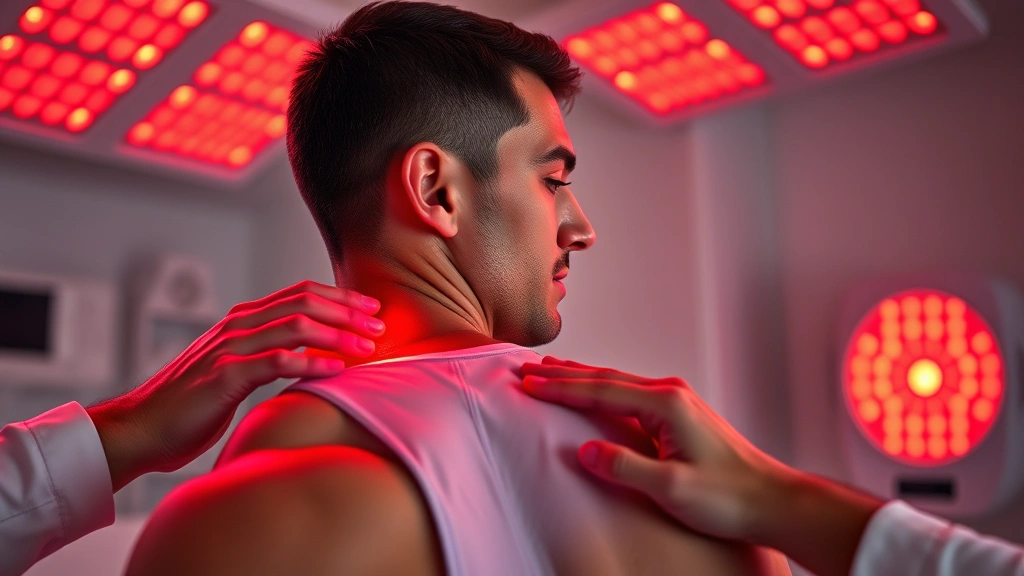
Understanding Red Light Therapy and Wavelengths
Red light therapy operates on a fundamental principle of cellular biology: mitochondria, the powerhouses of our cells, contain a molecule called cytochrome c oxidase that absorbs light in the red (600-700 nanometers) and near-infrared (700-1100 nanometers) spectrum. When these wavelengths penetrate the skin and reach mitochondrial tissue, they stimulate the production of adenosine triphosphate (ATP), the energy currency of cells. This increased ATP production cascades through the body, enhancing cellular repair, reducing oxidative stress, and promoting healing.
The specific wavelengths matter tremendously. Research published in PubMed Central demonstrates that wavelengths between 600-700 nm penetrate superficial tissues effectively, making them ideal for skin conditions and localized inflammation. Near-infrared wavelengths (800-1000 nm) penetrate deeper into muscle and bone tissue, providing benefits for joint pain, muscle recovery, and systemic effects. Many clinical-grade devices combine both wavelengths to maximize therapeutic potential.
Understanding these biological mechanisms helps explain why frequency matters. Red light therapy isn’t like taking a medication where more is inherently better. Instead, it’s about providing consistent stimulation to trigger cellular adaptations without overwhelming the system. Too infrequent treatment may not provide sufficient stimulus for change, while excessive frequency could potentially lead to photoadaptation, where cells become less responsive to the stimulus.
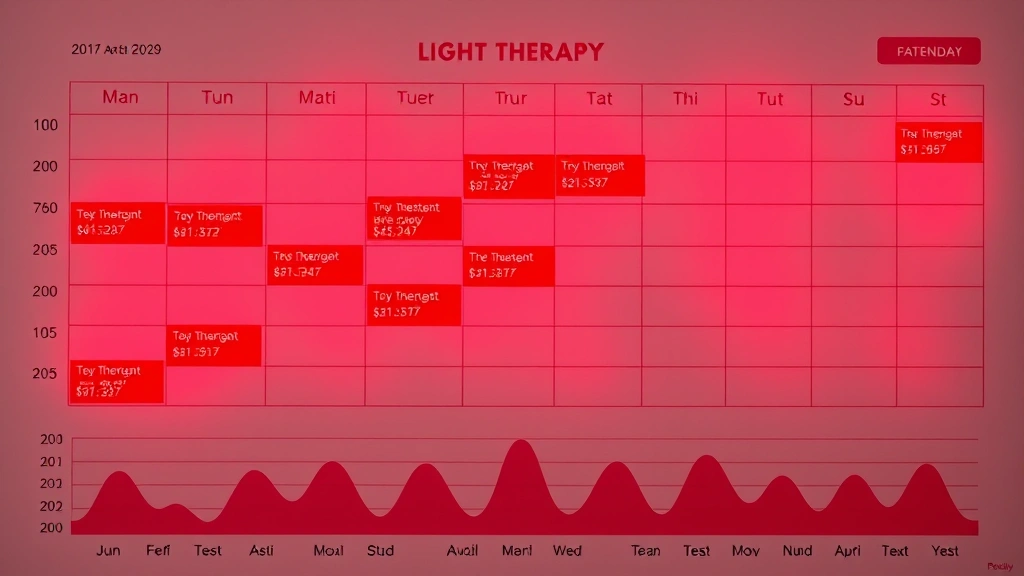
Optimal Frequency Guidelines by Condition
Clinical research reveals that optimal treatment frequency varies significantly depending on the condition being treated. Understanding these evidence-based guidelines helps you establish a protocol tailored to your specific needs.
Muscle Recovery and Athletic Performance: Athletes and fitness enthusiasts typically benefit from red light therapy 4-5 times per week, ideally performed post-workout. A landmark study from the Journal of Sports Science & Medicine found that daily red light therapy for five consecutive days significantly reduced delayed-onset muscle soreness (DOMS) and accelerated strength recovery. For muscle-focused treatment, sessions lasting 10-20 minutes at appropriate irradiance levels (typically 50-100 mW/cm²) prove most effective.
Skin Health and Anti-Aging: Dermatological applications typically recommend 2-3 sessions per week. Red light stimulates collagen production and fibroblast activity, but these cellular processes require recovery time between stimulation. Research from leading dermatology institutions shows that consistency over 8-12 weeks produces visible improvements in skin texture, reduction in fine lines, and improved complexion. Spacing treatments 48 hours apart allows adequate time for collagen remodeling.
Wound Healing and Tissue Repair: For acute injuries or surgical wounds, frequency can be higher—daily or even twice-daily treatments during the acute phase (first 2-3 weeks) have demonstrated efficacy in clinical settings. As healing progresses into the remodeling phase, frequency can decrease to 3-4 times weekly. This aligns with how physical therapy protocols structure treatment frequency based on tissue healing phases.
Pain Management and Inflammation: Chronic pain conditions and inflammatory disorders typically respond well to 3-5 sessions per week. Conditions like arthritis, tendinitis, and neuropathic pain show sustained improvement when red light therapy is maintained consistently. Many clinicians recommend starting with daily treatment for the first 2-3 weeks, then transitioning to maintenance frequency of 3-4 times weekly.
Cognitive Function and Neurological Health: Transcranial red light therapy for cognitive enhancement and neuroprotection typically involves 3-5 sessions weekly, with each session lasting 10-20 minutes. The brain’s high metabolic demands make consistent stimulation particularly important for maintaining mitochondrial function and neuroplasticity.
Daily Treatment Protocols
When determining whether daily red light therapy is appropriate for your situation, several factors come into play. Daily treatment is generally safe and well-tolerated for most people, but it’s most beneficial during specific circumstances.
When Daily Treatment Makes Sense: Daily red light therapy is particularly effective during acute injury phases, post-surgical recovery windows, or when addressing acute inflammatory conditions. Athletes in intense training cycles, particularly those engaging in strength training or endurance sports, often benefit from daily sessions. Daily treatment also works well for skin conditions requiring rapid improvement or for individuals seeking cognitive enhancement through consistent stimulation.
The key to successful daily treatment is maintaining consistent dosing parameters. A typical daily session might involve 10-20 minutes of exposure at 50-100 mW/cm² irradiance, depending on device specifications and treatment area size. Consistency matters more than duration—a brief daily exposure often outperforms sporadic longer sessions.
Adaptation and Plateau Concerns: Some research suggests that continuous daily exposure without breaks might lead to photoadaptation, where cellular responsiveness gradually decreases. To mitigate this, some practitioners recommend incorporating “off days” even during intensive protocols. A common approach involves 5-6 days of treatment followed by 1-2 rest days, allowing cellular systems to reset while maintaining therapeutic momentum.
For chronic conditions requiring long-term management, many experts recommend cycling protocols: 6-8 weeks of daily or near-daily treatment followed by 1-2 weeks at reduced frequency (2-3 times weekly), then resuming intensive protocols. This cycling approach appears to maintain therapeutic efficacy while preventing potential adaptation.
Weekly and Monthly Schedules
Most people don’t require or benefit from daily red light therapy. Instead, a strategic weekly schedule often provides optimal results with better sustainability and cost-effectiveness. Understanding how to structure weekly protocols helps maximize therapeutic benefits.
The 3-4 Times Weekly Protocol: This frequency represents the “sweet spot” for most applications. Spacing treatments approximately 48 hours apart allows adequate recovery time between sessions while maintaining consistent stimulation. A typical weekly schedule might look like: Monday, Wednesday, Friday, and Saturday sessions. This pattern provides sufficient stimulus for cellular adaptation while preventing potential photoadaptation.
This frequency aligns well with general therapy modalities and rehabilitation principles. Just as physical therapy typically involves 2-4 sessions weekly, red light therapy follows similar biological principles of stimulus and recovery.
The 2 Times Weekly Maintenance Protocol: For individuals maintaining results rather than actively treating acute conditions, twice-weekly sessions prove sufficient. This minimal frequency is ideal for long-term wellness, anti-aging maintenance, and chronic condition management. Many users find this frequency sustainable indefinitely without diminishing returns.
Monthly Intensification Weeks: Some practitioners recommend incorporating “intensification weeks” where frequency temporarily increases. During a particularly stressful month, intense training cycle, or when addressing a flare-up of chronic symptoms, increasing to daily or near-daily treatment for 1-2 weeks can provide additional therapeutic benefit. This strategic intensification prevents the need for continuous high-frequency treatment while allowing flexibility for changing needs.
Monthly protocols also work well for specific goals. For example, someone focused on skin improvement might maintain 2 sessions weekly but increase to 4-5 times weekly during the month preceding an important event. This flexible approach maintains long-term compliance and effectiveness.
Factors Affecting Frequency Requirements
Individual frequency needs vary based on numerous physiological, environmental, and circumstantial factors. Understanding these variables helps you personalize your red light therapy protocol.
Age and Metabolic Status: Younger individuals with robust mitochondrial function may require less frequent treatment to achieve results, while older adults or those with metabolic dysfunction may benefit from higher frequency. Age-related decline in mitochondrial efficiency means older individuals often respond better to consistent, frequent stimulation. Similarly, individuals with metabolic conditions like diabetes or obesity may require more frequent treatment for equivalent results.
Baseline Health Status: People with chronic inflammatory conditions, autoimmune disorders, or significant tissue damage typically require higher frequency treatment initially. As conditions improve, frequency can often be reduced. Conversely, generally healthy individuals seeking optimization or prevention may achieve results with minimal frequency.
Device Power and Specifications: Device quality dramatically affects optimal frequency. Clinical-grade devices with higher irradiance (100+ mW/cm²) and proper wavelength combinations may require less frequent treatment than consumer-grade devices with lower specifications. Always reference your specific device’s manufacturer recommendations, as frequency should align with the device’s power output and intended use protocols.
Treatment Area and Penetration Depth: Treating superficial conditions like skin requires less frequent treatment than addressing deep tissue or systemic issues. The deeper the target tissue, the more consistent stimulation helps overcome light absorption and scattering. This is why wound healing on the surface might respond to 2-3 times weekly treatment, while deep joint pain might require 4-5 times weekly.
Environmental and Lifestyle Factors: Stress levels, sleep quality, nutrition, and overall lifestyle significantly impact red light therapy responsiveness. Individuals with poor sleep or high stress may require more frequent treatment to overcome these impediments to cellular recovery. Conversely, those with excellent lifestyle habits may achieve results with minimal frequency.
Specific Health Conditions: Individuals exploring red light therapy as part of broader treatment plans should consider how it integrates with other interventions. If you’re already receiving occupational or physical therapy, red light therapy frequency might be adjusted to complement rather than duplicate therapeutic efforts.
Signs You Need More or Less Frequency
Your body provides clear signals about whether your current red light therapy frequency is optimal. Learning to recognize these indicators helps you adjust your protocol for maximum effectiveness.
Indicators You May Need More Frequent Treatment: If you’re experiencing plateaued results despite consistent treatment, this suggests your current frequency may be insufficient. Similarly, if symptoms flare up shortly after treatment, more frequent stimulation might be needed to maintain therapeutic effects. Pain that returns within 24-48 hours of treatment indicates that treatment frequency should increase. Lack of visible progress after 4-6 weeks at current frequency is another clear signal that intensification may help.
Indicators You May Be Over-Treating: While red light therapy is generally safe, excessive frequency can occasionally produce diminishing returns. If you notice that results plateau despite increasing frequency, or if you develop any unusual symptoms, reducing frequency might help. Some individuals report mild headaches or slight irritation if treatment frequency is excessive, particularly with transcranial applications. These symptoms typically resolve with frequency reduction.
Optimal Response Indicators: You’ve found your ideal frequency when you notice consistent, progressive improvement in your target condition, results are maintained between treatment sessions, you experience no adverse effects, and you can sustain the protocol long-term without burden. Most people report noticing initial improvements within 2-4 weeks at appropriate frequency, with more substantial changes evident by 8-12 weeks.
Tracking and Adjustment: Maintaining a simple treatment log—noting date, duration, and any observed changes—helps identify patterns and optimal frequency. Many people find that their ideal frequency changes seasonally or with life circumstances. What works during an intense training cycle may differ from maintenance frequency during a relaxation period.
Combining Red Light with Other Therapies
Red light therapy rarely exists in isolation; most people integrate it with other health and wellness interventions. Understanding how to coordinate frequency when combining therapies ensures synergistic benefits rather than redundancy.
Red Light Therapy and Physical Rehabilitation: When combining red light therapy with physical therapy, coordination is essential. Many physical therapists now incorporate red light therapy into treatment protocols. If you’re receiving professional physical therapy 2-3 times weekly, you might reduce independent red light therapy frequency to 1-2 times weekly on non-therapy days, or discuss with your therapist about incorporating red light during sessions. This prevents over-stimulation while ensuring comprehensive treatment.
Red Light and Exercise: Red light therapy post-workout enhances recovery and should be timed appropriately. Performing red light therapy immediately after exercise (within 30 minutes) maximizes its muscle recovery benefits. If you exercise 5-6 days weekly, matching red light therapy frequency to your workout schedule makes logical sense.
Red Light and Medication: No significant contraindications exist between red light therapy and most medications, but certain medications increase photosensitivity (like some antibiotics, NSAIDs, and retinoids). If taking photosensitizing medications, discuss red light therapy frequency with your healthcare provider. You may need to reduce frequency, use lower irradiance, or avoid certain wavelengths temporarily.
Red Light and Supplements: Red light therapy works synergistically with mitochondrial support supplements like CoQ10, NAD+ precursors, and B vitamins. Some practitioners recommend taking these supplements on treatment days to maximize cellular energy production. Conversely, red light therapy might enhance the effectiveness of anti-inflammatory supplements, potentially allowing for reduced supplement frequency.
Red Light and Other Light Therapies: Combining red light with other light-based therapies like blue light or full-spectrum light requires careful consideration. Generally, spacing different light therapies 12+ hours apart prevents potential interference. For example, you might use red light therapy in the evening for recovery while maintaining morning bright light exposure for circadian rhythm support.
Understanding therapy cost considerations helps when planning comprehensive treatment protocols. Red light therapy’s relatively low cost per session makes it an economical addition to broader therapeutic regimens.
FAQ
How often should beginners start red light therapy?
Beginners should start conservatively with 2-3 sessions per week for 2-3 weeks, observing how their body responds. After this initial period, frequency can be adjusted based on results and individual tolerance. Starting conservatively prevents potential photoadaptation and helps identify optimal personal frequency.
Can you do red light therapy every day?
Yes, daily red light therapy is safe for most people and can be beneficial during acute injury phases or intensive training periods. However, some experts recommend incorporating occasional rest days to prevent potential photoadaptation. A sustainable long-term daily protocol might involve 5-6 days of treatment with 1-2 rest days weekly.
What’s the difference between treatment frequency and session duration?
Frequency refers to how many times per week you use red light therapy, while duration is how long each individual session lasts. Both matter, but frequency typically impacts results more significantly than duration. A consistent 10-minute daily session often outperforms sporadic 30-minute sessions.
How long before seeing results from red light therapy?
Most people notice initial improvements within 2-4 weeks of consistent treatment at appropriate frequency. More substantial changes typically become evident by 8-12 weeks. Results timeline depends on the condition being treated, baseline health status, and treatment frequency.
Should frequency change as I see improvements?
Yes, frequency can often be reduced as conditions improve. Many people transition from intensive protocols (daily or 4-5 times weekly) to maintenance frequency (2-3 times weekly) once they achieve desired results. This reduces cost and time commitment while maintaining benefits.
Is there a maximum safe frequency for red light therapy?
No absolute maximum exists, as red light therapy is non-toxic and non-invasive. However, practical considerations and potential photoadaptation suggest that most people optimize results with 5-6 sessions weekly. Exceeding this frequency rarely provides additional benefit and may reduce cost-effectiveness.
Can I use red light therapy multiple times in one day?
While technically safe, using red light therapy multiple times daily isn’t typically necessary or recommended. The cellular effects of red light therapy take hours to fully manifest, so spacing treatments 8+ hours apart if using multiple daily sessions ensures adequate recovery time between stimulations.
How does red light therapy frequency compare to other wellness interventions?
Red light therapy frequency aligns well with general wellness principles. Just as therapy resources recommend consistent but not excessive treatment frequency, red light therapy works best with regular, sustainable protocols rather than sporadic intense use.