

How Long Does Physical Therapy Take? Expert Insights on Recovery Timeline
Physical therapy is one of the most effective non-surgical interventions for musculoskeletal injuries, chronic pain conditions, and post-operative rehabilitation. However, one of the most common questions patients ask their therapists is: “How long will my treatment take?” The answer, unfortunately, isn’t one-size-fits-all. Recovery timelines vary dramatically depending on injury severity, individual health factors, treatment compliance, and the specific condition being addressed.
Understanding the realistic duration of physical therapy helps patients set appropriate expectations, maintain motivation, and commit to their rehabilitation journey. This comprehensive guide explores the factors that influence treatment duration, typical timeframes for common conditions, and expert recommendations for optimizing your recovery process. Whether you’re recovering from surgery, managing chronic pain, or rehabilitating a sports injury, this article provides evidence-based insights to help you understand your therapy timeline.
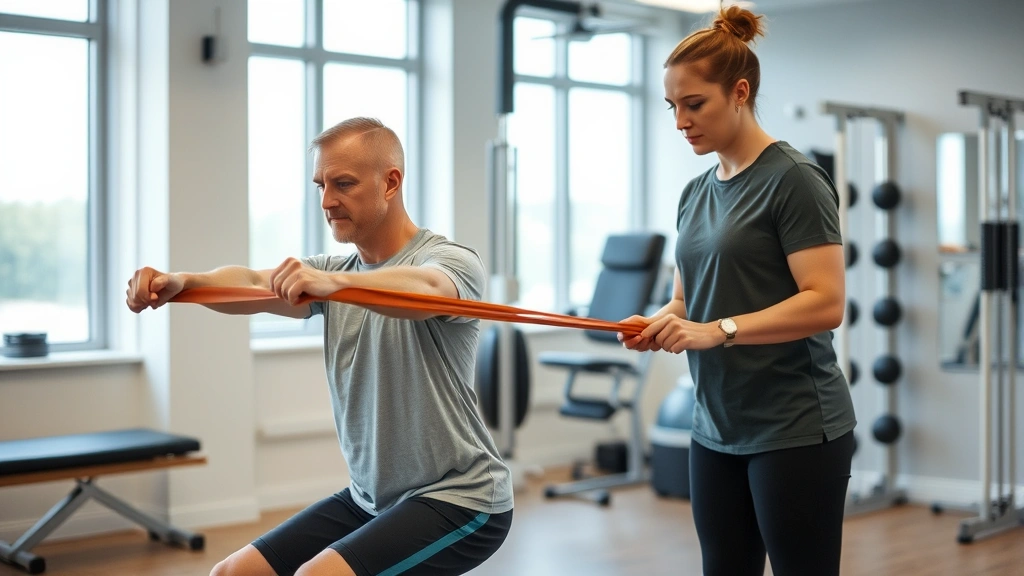
Factors Affecting Physical Therapy Duration
The length of your physical therapy depends on multiple interconnected variables. Understanding these factors helps explain why two patients with seemingly identical injuries might require different treatment durations. Comprehensive therapy resources emphasize that personalized assessment is crucial for determining realistic timelines.
Injury Severity stands as the primary determinant of therapy duration. Minor sprains or strains typically resolve within 2-4 weeks, while moderate injuries require 4-8 weeks, and severe injuries or complex conditions may necessitate 8-16 weeks or longer. The extent of tissue damage directly correlates with healing time, as biological repair processes follow predictable but variable timelines based on injury classification.
Patient Age and Overall Health significantly influence recovery speed. Younger patients generally heal faster due to superior cardiovascular function, hormonal profiles, and tissue regeneration capacity. Conversely, older adults or those with comorbidities like diabetes, cardiovascular disease, or compromised immune function may require extended treatment periods. Research published in the Journal of Sport Rehabilitation demonstrates that metabolic health directly impacts tissue healing rates.
Treatment Compliance dramatically affects outcomes and duration. Patients who consistently perform home exercises, attend scheduled sessions, and follow therapist recommendations typically recover 30-50% faster than those with poor adherence. Compliance includes not just attending appointments but also maintaining proper posture, avoiding aggravating activities, and completing prescribed exercises outside clinical settings.
Pre-existing Conditions complicate recovery timelines. Patients with previous injuries to the same area, chronic pain syndromes, or systemic diseases often experience prolonged rehabilitation. Additionally, psychological factors including fear-avoidance beliefs, catastrophizing, and depression can extend treatment duration by increasing pain perception and reducing functional participation.
Type and Intensity of Physical Therapy influences duration. More intensive programs with frequent sessions (3-4 times weekly) typically produce faster results than minimal-frequency programs (1-2 times weekly). However, the relationship isn’t strictly linear—excessive intensity without proper recovery can cause re-injury and extend overall duration.

Typical Treatment Timelines by Condition
Different conditions present distinct recovery trajectories. Understanding typical timelines for specific diagnoses provides realistic expectations, though individual variation remains substantial.
Acute Ankle Sprains: Grade I (mild) sprains typically resolve in 2-4 weeks with physical therapy. Grade II (moderate) sprains require 4-8 weeks, while Grade III (severe) sprains may necessitate 8-12 weeks or longer. Detailed physical therapy duration information shows that ankle injuries respond well to early intervention with progressive weight-bearing and proprioceptive training.
Lower Back Pain: Acute lower back pain episodes typically improve within 4-6 weeks with appropriate physical therapy, though some patients experience relief within 1-2 weeks. Chronic lower back pain lasting beyond 12 weeks often requires 8-16 weeks of structured rehabilitation. Research from the Spine Health Institute indicates that individualized exercise programs combined with manual therapy produce optimal outcomes.
Rotator Cuff Injuries: Minor rotator cuff strains resolve in 4-8 weeks, while moderate tears treated conservatively require 8-16 weeks. Post-surgical rotator cuff repairs typically require 12-16 weeks for initial recovery, with functional restoration continuing for 4-6 months. The shoulder’s complex anatomy and the rotator cuff’s critical role in movement necessitate gradual, progressive rehabilitation.
Knee Injuries: ACL injuries treated surgically typically require 4-6 months for initial rehabilitation, with return-to-sport protocols extending 6-12 months. Meniscus injuries vary from 4-8 weeks for minor tears to 8-16 weeks for moderate to severe damage. Patellofemoral pain syndrome often responds to 6-8 weeks of targeted exercise and activity modification.
Post-Surgical Rehabilitation: Hip replacement surgery typically requires 6-12 weeks for basic functional recovery, with full rehabilitation extending 3-6 months. Knee replacement recovery follows similar timelines, while rotator cuff repair and other upper extremity surgeries may require 12-16 weeks. Post-operative timelines are heavily influenced by surgical approach, tissue quality, and patient compliance with precautions.
Stroke Rehabilitation: Neurological recovery from stroke presents highly variable timelines. Most significant recovery occurs within 3-6 months, though improvements can continue for years with consistent therapy. Physical therapy typically involves 3-5 sessions weekly for 8-16 weeks, with progress dependent on stroke severity and patient engagement.
Early-Stage Recovery Phase
The initial phase of physical therapy, typically lasting 2-4 weeks, focuses on pain management, inflammation reduction, and restoration of basic mobility. During this phase, therapists employ gentle techniques to protect healing tissues while preventing deconditioning.
Early-stage interventions include passive and active-assisted range-of-motion exercises, ice and heat modalities, electrical stimulation, and manual therapy techniques like soft tissue mobilization. The primary goal involves reducing pain to tolerable levels and preventing complications such as muscle atrophy, joint stiffness, or learned pain behaviors. Research on therapy effectiveness demonstrates that early professional intervention significantly improves long-term outcomes compared to self-management alone.
During this phase, therapists establish baseline measurements including range of motion, strength, functional capacity, and pain levels. These objective measures guide progression and help patients visualize incremental improvements. Patient education about injury biology, realistic recovery expectations, and the importance of compliance begins immediately, as psychological readiness significantly impacts adherence and outcomes.
Home exercise programs during early-stage recovery are typically minimal, consisting of 2-3 simple exercises performed daily. Overloading patients with complex routines reduces compliance; therefore, quality execution of simple exercises surpasses poor performance of complex protocols. Therapists progress exercises based on pain response, with the goal of achieving pain-free or minimal-pain movement patterns.
Intermediate and Advanced Phases
Following initial recovery, typically weeks 3-8, patients enter the intermediate phase characterized by progressive strengthening, increased weight-bearing or activity tolerance, and restoration of functional movement patterns. This phase represents the longest portion of rehabilitation for most conditions.
Intermediate-phase interventions include progressive resistance exercises, dynamic balance training, functional movement patterns, and sport or activity-specific conditioning. The intensity of exercises increases gradually while maintaining proper form and pain management. Therapists introduce eccentric strengthening, proprioceptive training, and neuromuscular control exercises to restore optimal function.
Home exercise programs expand during this phase, typically involving 5-10 exercises performed 4-6 days weekly. Patients develop ownership of their recovery process through consistent home practice. Research in rehabilitation medicine consistently demonstrates that home exercise compliance directly correlates with treatment success and duration—patients performing prescribed exercises 80% or more of the time recover significantly faster than those with lower compliance.
Advanced-phase rehabilitation, typically weeks 8-16 or beyond, emphasizes return-to-function and prevention of re-injury. This phase incorporates sport-specific or activity-specific training, high-velocity exercises, and functional capacity testing. For athletes, this phase includes sport-specific drills and graduated return-to-play protocols. For non-athletes, advanced phases focus on occupational demands and leisure activities.
The transition between phases isn’t rigidly timed—progression depends on achievement of specific functional milestones rather than calendar dates. A patient might progress rapidly through early phases but plateau during intermediate phases, extending overall duration. Conversely, some patients progress faster than anticipated and discharge earlier than typical timelines suggest.
Optimizing Your Recovery Timeline
While some factors affecting recovery duration remain outside patient control, several evidence-based strategies accelerate rehabilitation. Understanding therapy investment motivates patients to maximize their treatment benefits through optimal effort and engagement.
Consistent Home Exercise Compliance: The most modifiable factor influencing recovery duration is home exercise adherence. Patients performing prescribed exercises consistently typically recover 25-50% faster than those attending therapy sessions alone. Modern apps and wearable devices can enhance compliance by providing reminders and tracking completion.
Optimized Nutrition and Sleep: Tissue healing requires adequate protein, micronutrients, and sleep. Research demonstrates that patients with sufficient vitamin C, zinc, and protein intake heal significantly faster than nutritionally deficient patients. Similarly, quality sleep (7-9 hours nightly) enhances tissue repair and immune function, accelerating recovery.
Activity Modification: Avoiding activities that aggravate symptoms prevents re-injury and setbacks that extend overall duration. Therapists provide specific guidance on activity limitations; patients who follow these recommendations progress more smoothly than those who test painful boundaries prematurely.
Psychological Readiness: Fear-avoidance beliefs, catastrophizing, and depression significantly extend recovery duration. Cognitive-behavioral approaches, mindfulness practices, and positive psychological engagement accelerate functional restoration. The American Psychological Association emphasizes the critical role of psychological factors in physical rehabilitation outcomes.
Frequent Communication with Therapists: Patients who report progress, setbacks, and concerns promptly allow therapists to adjust treatment appropriately. This communication prevents prolonged ineffective interventions and enables timely progression to more advanced phases.
Cross-Training Within Limitations: When appropriate, maintaining cardiovascular fitness through modified activities (swimming, stationary cycling) preserves aerobic capacity and mental health, supporting faster overall recovery compared to complete deconditioning.
When to Expect Plateau and Discharge
Recovery rarely follows linear progression. Patients typically experience rapid initial improvements followed by plateaus where progress slows dramatically. Understanding these patterns prevents discouragement and helps maintain motivation through challenging phases.
Initial improvements often result from pain reduction and restoration of basic mobility—changes requiring 2-4 weeks. Subsequent improvements involve strengthening and functional restoration—changes requiring 4-12 weeks. Final improvements involve return-to-sport or complex functional activities—changes sometimes requiring months of dedicated training.
Discharge from physical therapy occurs when patients achieve functional goals established at the initial evaluation. Common discharge criteria include pain reduction to acceptable levels, strength restoration to 85-90% of the unaffected side, full pain-free range of motion, and ability to perform desired activities without limitation. For athletes, discharge requires return-to-sport testing demonstrating readiness for competitive demands.
Discharge doesn’t mean recovery completion. Most patients benefit from maintenance exercises performed 2-3 times weekly indefinitely to prevent re-injury and maintain functional gains. Understanding ongoing therapy costs helps patients budget for long-term maintenance needs.
Long-Term Management After Discharge
Post-discharge management determines whether improvements persist or gradually decline. Many patients experience re-injury or recurrence when abandoning structured exercise programs immediately after discharge.
Effective long-term management includes maintenance exercises, periodic reassessment (quarterly or semi-annually), and prompt re-engagement with therapy if concerning symptoms develop. Patients should maintain cardiovascular fitness, flexibility, and strength through regular physical activity. For those with chronic conditions or high re-injury risk, preventive physical therapy sessions (monthly or quarterly) cost significantly less than treating recurrent injuries.
Research published by the National Center for Biotechnology Information demonstrates that patients maintaining exercise programs reduce re-injury rates by 50-70% compared to those who discontinue all structured activity.
Progressive activity engagement—gradually increasing intensity, duration, and complexity of activities—supports lasting functional gains. Patients should return to desired activities systematically rather than abruptly, preventing setbacks from excessive demand on recovering tissues.
FAQ
How long does physical therapy typically take for common injuries?
Most acute injuries resolve within 4-8 weeks with consistent physical therapy. However, timelines vary: minor sprains may resolve in 2-4 weeks, while moderate injuries require 6-12 weeks. Severe injuries, post-surgical rehabilitation, or chronic conditions often require 12-16 weeks or longer. Individual factors including age, health status, and compliance significantly influence specific timelines.
Can physical therapy duration be shortened?
Yes, several factors accelerate recovery. Consistent home exercise compliance, optimal nutrition and sleep, prompt professional intervention, psychological engagement, and frequent communication with therapists all reduce typical recovery duration. However, attempting to accelerate recovery beyond tissue healing capacity risks re-injury and extended overall duration.
What if I’m not improving within expected timelines?
Lack of progress within typical timelines warrants reassessment. Discuss concerns with your therapist, who may adjust treatment approaches, increase frequency, or refer for additional diagnostic imaging or specialist consultation. Plateaus are normal but should be addressed strategically rather than ignored.
Do I need to continue exercises after physical therapy discharge?
Yes, maintenance exercises performed 2-3 times weekly help prevent re-injury and maintain functional gains. Most patients benefit from lifelong commitment to regular physical activity and periodic reassessment, particularly if returning to demanding sports or occupations.
How frequently should I attend physical therapy sessions?
Typical frequency ranges from 2-3 times weekly initially, decreasing to 1-2 times weekly as progress advances. Specific frequency depends on injury severity, condition chronicity, and patient response. Your therapist determines optimal frequency based on your individual circumstances and treatment response.
Does physical therapy work for chronic pain conditions?
Yes, research demonstrates therapy effectiveness for chronic pain. However, chronic conditions typically require longer treatment duration (12-24 weeks or more) and ongoing maintenance. Treatment focuses on functional improvement and pain management rather than complete pain elimination.