Hyperbaric Oxygen and Mental Health: Understanding the Lasting Impact
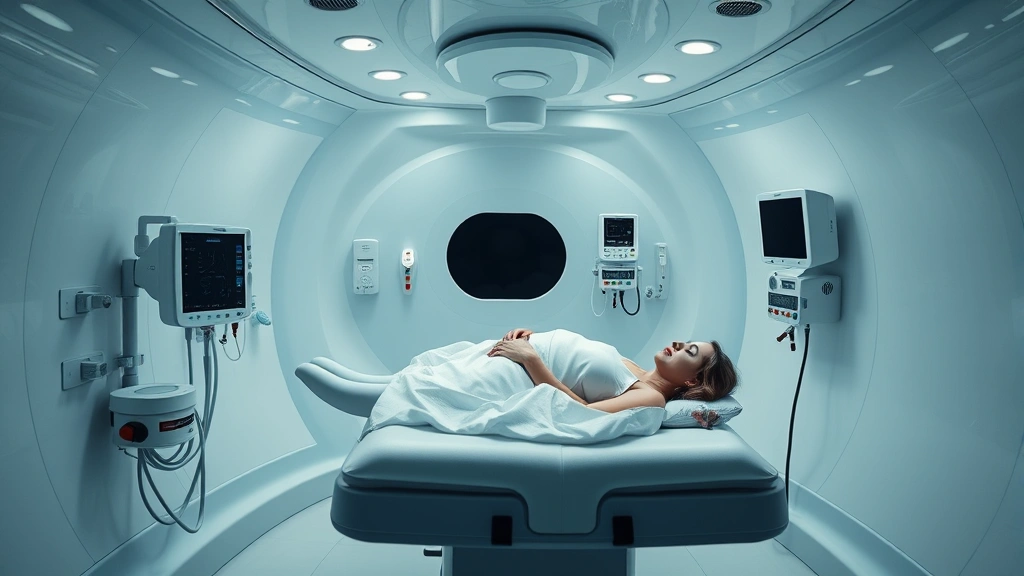
Hyperbaric oxygen therapy (HBOT) has emerged as a fascinating intersection of physical medicine and mental health treatment. This specialized medical procedure involves breathing pure oxygen in a pressurized chamber, traditionally used for treating decompression sickness, wound healing, and carbon monoxide poisoning. However, recent clinical interest has expanded toward exploring its potential effects on mental health conditions, including depression, anxiety, and cognitive decline. The central question many patients and clinicians ask is straightforward yet complex: how long do the effects of hyperbaric oxygen therapy actually last?
Understanding the duration and sustainability of HBOT’s mental health benefits requires examining both the physiological mechanisms at work and the current clinical evidence. While preliminary research shows promise, the reality involves nuanced timelines that vary significantly based on individual factors, treatment protocols, and the specific mental health conditions being addressed. This comprehensive exploration will help you understand what science currently reveals about HBOT’s lasting impact on mental wellbeing.
How Hyperbaric Oxygen Therapy Works
Hyperbaric oxygen therapy operates on a fundamental physiological principle: increasing oxygen availability to tissues through elevated atmospheric pressure. During a standard HBOT session, patients enter a pressurized chamber where atmospheric pressure increases to 2-3 times normal sea level pressure. This increased pressure allows the lungs to absorb significantly more oxygen, which dissolves directly into the bloodstream and reaches tissues that might otherwise suffer from hypoxia or reduced oxygen supply.
The mechanism involves both direct and indirect effects on the nervous system. Increased oxygen availability enhances mitochondrial function, the cellular powerhouses responsible for generating energy. This boost in cellular energy production has theoretical implications for brain function, particularly in regions affected by stress, trauma, or degenerative conditions. Additionally, HBOT stimulates angiogenesis—the formation of new blood vessels—which can improve cerebral blood flow and potentially enhance neuroplasticity, the brain’s ability to rewire and form new neural connections.
Research from institutions studying oxygen therapy indicates that HBOT also triggers anti-inflammatory responses and reduces oxidative stress, both of which play significant roles in various mental health conditions. These biochemical changes occur at the cellular level and may have cascading effects on mood regulation, cognitive function, and emotional processing. Understanding these mechanisms helps explain why some patients report improvements in mental health symptoms following treatment courses.

Mental Health Applications and Research
The application of HBOT to mental health represents a relatively emerging frontier in clinical practice. While traditional psychiatric medications and psychotherapy remain the standard of care, researchers have begun investigating HBOT’s potential for conditions including major depressive disorder, post-traumatic stress disorder (PTSD), anxiety disorders, and age-related cognitive decline. Some clinics also explore its use for treatment-resistant depression cases where conventional interventions have proven insufficient.
A significant body of preliminary research suggests measurable improvements in mental health outcomes following HBOT courses. Studies examining brain imaging have shown changes in regional brain activity, with some research indicating increased perfusion in areas associated with mood regulation and emotional processing. Patients in clinical trials have reported subjective improvements in mood, anxiety levels, sleep quality, and cognitive clarity. However, it’s crucial to note that while these findings are encouraging, many studies remain small-scale or lack the rigorous double-blind, placebo-controlled design considered gold standard in medical research.
The connection between improved oxygen delivery and mental health outcomes becomes clearer when examining conditions where brain hypoxia or reduced cerebral blood flow plays a contributing role. For instance, in post-concussion syndrome or traumatic brain injury-related depression, HBOT’s ability to enhance oxygen delivery and promote neurological healing shows particularly promising results. Similarly, in age-related cognitive decline, the improved blood flow and cellular energy production may help preserve cognitive function.
Organizations like the Undersea and Hyperbaric Medical Society maintain registries of approved clinical applications, though mental health remains largely in the research phase rather than standard approved indications. This distinction matters because it affects insurance coverage, treatment accessibility, and the level of clinical oversight patients receive.
Duration of HBOT Effects on Mental Health
The critical question regarding how long HBOT effects persist requires distinguishing between acute improvements and sustained long-term benefits. Most patients undergoing HBOT for mental health purposes experience an initial treatment course consisting of 20-40 sessions, typically conducted over 4-8 weeks. During and immediately following this intensive period, many report noticeable improvements in symptoms.
Research examining the timeline of effects suggests a variable pattern. Some patients experience peak improvements within 2-4 weeks of completing their treatment course, while others report continued gradual improvements over 3-6 months post-treatment. This delayed response pattern reflects the time required for neuroplastic changes and vascular remodeling to fully manifest. The brain doesn’t instantly reorganize; rather, it requires time to establish new neural pathways and for newly formed blood vessels to integrate into existing vascular networks.
The duration of lasting effects appears to range considerably based on available clinical data. Some patients maintain significant symptom improvement for 6-12 months following a completed treatment course, while others experience benefits persisting for 2-3 years or longer. Conversely, some individuals notice symptom gradual return within weeks to months after treatment completion. This variability underscores the importance of individualized assessment and the recognition that HBOT effects aren’t uniformly permanent.
One important distinction emerges when examining different mental health conditions. Patients with acute conditions like recent traumatic brain injury may experience more durable benefits than those with chronic, long-standing depression. Similarly, individuals whose mental health challenges stem partially from oxygen delivery issues may experience longer-lasting improvements compared to those with primarily neurochemical or psychological etiologies.
Factors Affecting Treatment Longevity
Multiple variables influence how long HBOT’s mental health benefits persist. Understanding these factors helps patients and clinicians develop realistic expectations and plan appropriate follow-up care strategies.
Age and baseline health status significantly impact treatment durability. Younger patients with fewer comorbidities typically experience more sustained benefits, while older individuals or those with multiple chronic conditions may see effects diminish more quickly. Vascular health, in particular, influences outcomes since HBOT’s benefits partly depend on the cardiovascular system’s ability to maintain improved blood flow.
Treatment protocol intensity affects longevity as well. Patients completing more extensive treatment courses (40+ sessions) often report more durable benefits than those completing minimal courses. The total number of sessions appears to correlate with the extent of neuroplastic rewiring and vascular adaptation, both of which provide lasting structural changes in the brain.
Concurrent mental health treatment dramatically influences how long improvements persist. Patients combining HBOT with psychotherapy, particularly evidence-based modalities like cognitive behavioral therapy for anxiety and depression, show significantly better long-term outcomes than those relying solely on HBOT. This synergistic effect suggests that HBOT may enhance the brain’s neuroplastic capacity, making it more receptive to psychological interventions.
Lifestyle factors including sleep quality, exercise, stress management, and social support substantially impact treatment longevity. Patients who maintain healthy sleep patterns, engage in regular physical activity, and manage stress effectively preserve HBOT benefits longer than those with poor lifestyle habits. The brain’s capacity for sustained improvement depends partly on continued support for neurological health.
Underlying cause of mental health symptoms influences duration significantly. Conditions with clear biological mechanisms—such as depression following traumatic brain injury or cognitive decline from reduced cerebral perfusion—often respond with more durable HBOT benefits. Conversely, conditions with predominantly psychological or social etiologies may show less sustained improvements without concurrent psychological intervention.
Medication interactions and psychiatric medication status affect outcomes. Some psychiatric medications may enhance HBOT’s effects, while others might interfere. Antioxidant medications, in particular, may reduce HBOT’s oxidative stress-reducing benefits. Consulting with both the HBOT physician and psychiatrist ensures optimal coordination of care.
Maintenance Protocols and Follow-up Care
Given the variable duration of HBOT benefits, many clinics recommend maintenance strategies to extend and sustain improvements. Understanding available options helps patients plan long-term mental health management involving HBOT.
Periodic maintenance sessions represent one approach, with some protocols suggesting monthly or quarterly HBOT sessions following the initial intensive course. These maintenance treatments aim to reinforce neuroplastic changes and sustain improved cerebral oxygenation. However, research on optimal maintenance schedules remains limited, and insurance coverage for maintenance therapy varies significantly.
Lifestyle optimization provides a foundational maintenance strategy requiring no additional medical intervention. Regular aerobic exercise increases endogenous oxygen delivery and supports vascular health. Meditation and mindfulness practices enhance neuroplasticity and stress resilience. Quality sleep consolidates memory and supports neurological recovery. Nutritious diet provides substrates for neurotransmitter synthesis and cellular repair. These interventions cost nothing and complement HBOT’s neurological benefits.
Combining HBOT with evidence-based psychotherapy and counseling approaches creates synergistic benefits that extend beyond either treatment alone. Therapeutic work helps consolidate cognitive and emotional improvements, while HBOT’s neurobiological effects enhance the brain’s receptivity to psychological change. This combination appears particularly effective for anxiety, depression, and trauma-related conditions.
Regular monitoring and reassessment help identify when benefits diminish, allowing timely intervention before symptoms fully return. Many clinicians recommend periodic psychological assessments or symptom tracking to catch early signs of relapse, enabling proactive rather than reactive treatment adjustments.
Comparing HBOT to Traditional Mental Health Treatments
Understanding HBOT’s lasting impact requires contextualizing it within the broader landscape of mental health treatment options. Traditional approaches like psychotherapy and psychiatric medications have well-established durability profiles.
Psychotherapy effects, particularly from evidence-based modalities, often show remarkable durability. Cognitive behavioral therapy, for instance, produces lasting benefits that persist years after treatment completion because it creates permanent changes in thinking patterns and coping skills. The skills learned during therapy continue providing benefit indefinitely. This contrasts somewhat with HBOT, where benefits appear to gradually diminish without maintenance.
Therapy effectiveness research demonstrates that psychotherapeutic gains often strengthen over time as individuals apply learned skills to new situations. HBOT, by contrast, requires periodic reinforcement to maintain benefits. However, HBOT may accelerate psychotherapy’s effectiveness by enhancing neuroplasticity during the critical window when the brain is most receptive to change.
Psychiatric medications maintain continuous effects as long as patients take them consistently, but discontinuation typically results in symptom return. HBOT differs in that effects persist for variable periods even after treatment stops, suggesting it creates more durable neurobiological changes than medication alone. However, medication provides immediate symptom relief while HBOT typically requires weeks to show effects.
The ideal approach for many patients may involve combining modalities: HBOT to enhance neuroplasticity and accelerate improvement, concurrent psychotherapy to create lasting cognitive and emotional changes, and potentially psychiatric medication for immediate symptom management. This integrated approach leverages each treatment’s strengths while compensating for individual limitations.
Safety Considerations and Side Effects
Understanding HBOT’s safety profile helps patients make informed decisions about treatment viability and sustainability. While generally safe when administered properly, HBOT involves specific risks and contraindications.
Barotrauma represents the most common side effect, involving pressure-related injury to air-filled spaces. Ear and sinus barotrauma occur in approximately 10-15% of patients and typically resolve with equalization techniques. Pulmonary barotrauma, though rare, constitutes a serious concern requiring careful patient selection and monitoring.
Oxygen toxicity can occur with prolonged exposure to high oxygen concentrations, potentially causing seizures, vision changes, or nausea. Proper treatment protocols, including air-breathing breaks during sessions, minimize this risk. Patients with seizure history require careful evaluation before HBOT initiation.
Claustrophobia and anxiety affect some patients during chamber treatment. The enclosed environment and pressure sensations can provoke anxiety in susceptible individuals, potentially limiting treatment tolerance and completion. Some facilities offer gradual acclimation protocols to improve tolerance.
Myopia (temporary nearsightedness) occurs in approximately 20% of patients undergoing extended HBOT courses. This typically resolves within weeks to months after treatment completion but warrants discussion with patients considering HBOT.
Patients considering HBOT should undergo thorough medical evaluation including pulmonary function testing, audiometry, and ophthalmologic assessment. Those with uncontrolled diabetes, fever, or certain medications may face contraindications. Discussing these safety considerations with an experienced healthcare provider familiar with HBOT ensures informed decision-making.
Research from medical institutions continues evaluating HBOT’s safety profile specifically in psychiatric populations. Organizations like the American Psychiatric Association monitor emerging evidence regarding psychiatric applications and safety.
FAQ
How long after HBOT should I expect to notice mental health improvements?
Most patients report initial improvements within 2-4 weeks of completing their treatment course, though some experience continued gradual improvement over 3-6 months post-treatment. Individual timelines vary based on condition severity, age, concurrent treatments, and other factors. Some patients notice changes during active treatment, while others experience delayed onset of benefits.
Can HBOT effects be permanent?
While HBOT creates lasting neurobiological changes including improved vascular function and neuroplasticity, the mental health benefits typically aren’t permanent without maintenance. Some patients maintain significant improvements for 1-3 years, while others experience gradual symptom return within months. Combining HBOT with lifestyle changes and psychotherapy enhances durability substantially.
Is HBOT covered by insurance for mental health treatment?
Insurance coverage varies significantly. HBOT remains approved for specific medical indications like decompression sickness and wound healing, but mental health applications are typically considered experimental or off-label. Coverage depends on individual insurance plans, specific diagnoses, and whether treatment occurs within approved clinical trial frameworks. Patients should verify coverage before beginning treatment.
How does HBOT compare to antidepressant medications?
Both approaches work through different mechanisms. Medications provide immediate chemical symptom relief but require continuous use, while HBOT creates structural neurobiological changes with more durable effects that persist post-treatment. Combining both approaches often produces superior outcomes compared to either alone, as HBOT may enhance medication effectiveness and neuroplasticity.
What’s the recommended maintenance schedule after initial HBOT treatment?
Optimal maintenance protocols remain under investigation, with recommendations varying between clinics. Common approaches include monthly or quarterly maintenance sessions, though research-based guidelines haven’t been firmly established. Many clinicians recommend lifestyle optimization, continued psychotherapy, and regular monitoring as primary maintenance strategies, with additional HBOT sessions individualized based on symptom recurrence.
Can HBOT help treatment-resistant depression?
Preliminary research suggests potential benefits for treatment-resistant cases, though evidence remains limited. Some patients who haven’t responded adequately to medications and psychotherapy show improvement with HBOT, possibly because it addresses underlying oxygen delivery or neuroinflammation issues. However, HBOT should complement rather than replace standard treatments, and consultation with psychiatrists experienced in both treatment-resistant depression and HBOT is essential.
Are there mental health conditions where HBOT works better?
HBOT appears most effective for conditions with clear neurobiological mechanisms including traumatic brain injury-related depression, post-concussion syndrome, age-related cognitive decline, and potentially PTSD. Conditions with primarily psychological or social etiologies may show less durable benefits without concurrent psychotherapy. Individual response varies considerably regardless of diagnosis.