How Long Do HBOT Benefits Last? Expert Insights on Hyperbaric Oxygen Therapy Duration
Hyperbaric oxygen therapy (HBOT) has emerged as a promising therapeutic intervention for various medical conditions, from wound healing to neurological recovery. However, one of the most frequently asked questions by patients and healthcare providers is: how long do the benefits actually last? Understanding the duration and sustainability of HBOT effects is crucial for treatment planning, patient expectations, and long-term health management.
The answer to this question is more nuanced than a simple timeframe. The longevity of HBOT benefits depends on multiple factors including the specific condition being treated, the severity of the condition, individual physiological responses, and whether maintenance protocols are implemented. This comprehensive guide explores the scientific evidence, expert recommendations, and practical considerations surrounding the duration of hyperbaric oxygen therapy benefits.
Understanding HBOT and Its Mechanisms
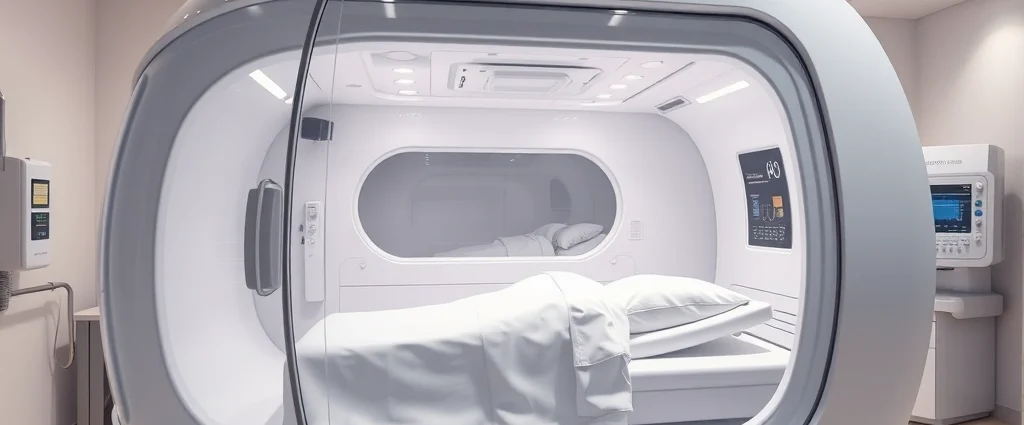
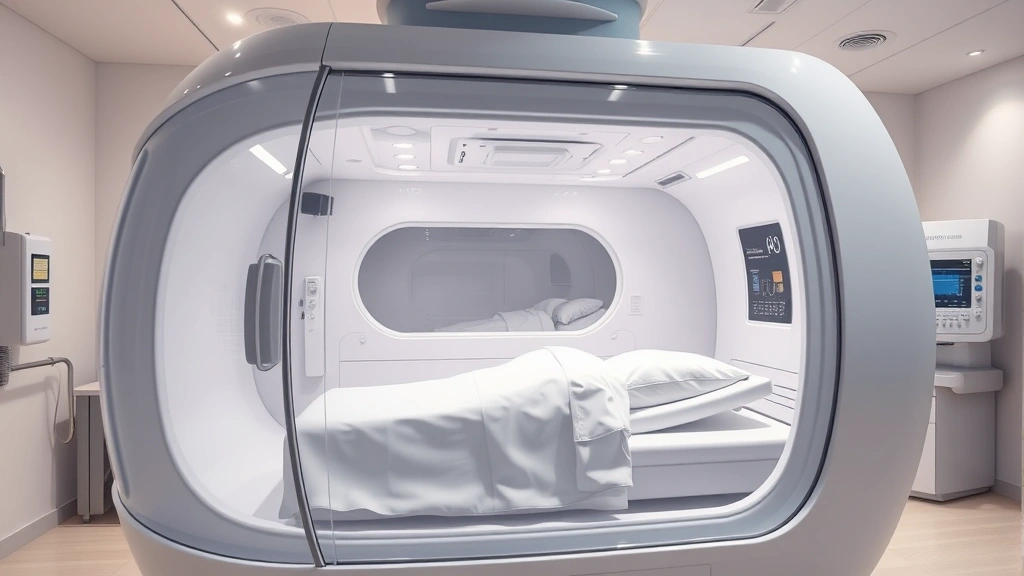
Hyperbaric oxygen therapy involves breathing pure oxygen in a pressurized chamber, typically at 2.0 to 3.0 atmospheres absolute (ATA). This increased pressure allows oxygen to dissolve into the bloodstream at significantly higher concentrations than breathing oxygen at normal atmospheric pressure. The dissolved oxygen penetrates tissues that may be oxygen-deprived, stimulating healing processes at the cellular level.
The biological mechanisms of HBOT include enhanced angiogenesis (formation of new blood vessels), improved oxygen diffusion into hypoxic tissues, increased collagen production, and stimulation of fibroblasts responsible for tissue repair. Additionally, HBOT has been shown to reduce inflammation and modulate immune responses. These physiological changes create the foundation for therapeutic benefits, but understanding how long these changes persist requires examining condition-specific outcomes and individual healing capacity.
When considering whether therapy interventions work, it’s essential to distinguish between immediate effects during treatment and lasting benefits after therapy concludes. HBOT is no exception to this principle, and the distinction becomes increasingly important for patient planning and resource allocation.

Duration of Benefits by Condition
Diabetic Foot Ulcers and Wound Healing
One of the most well-documented applications of HBOT is treating diabetic foot ulcers and chronic wounds. Research published in Diabetes Care and other peer-reviewed journals demonstrates that patients who complete a standard 40-session HBOT protocol often experience wound closure within 4-12 weeks of treatment completion. The benefits of wound closure typically persist long-term, with studies showing sustained healing for 12-24 months post-treatment in approximately 70-80% of successfully treated patients.
However, the critical factor here is prevention of recurrence. Patients must maintain proper diabetic management, foot care, and vascular health to prevent new ulcers from forming. The HBOT itself doesn’t create permanent immunity to future wounds; rather, it facilitates the healing of current wounds by optimizing tissue oxygenation during a critical healing window.
Carbon Monoxide Poisoning
HBOT benefits for acute carbon monoxide poisoning are among the most immediate and measurable. Patients treated within 24 hours of poisoning exposure show dramatic improvements in cognitive function and neurological symptoms. These benefits typically stabilize within 2-3 weeks of completing treatment and can persist indefinitely if no additional poisoning exposure occurs. The mechanism here is straightforward: HBOT removes carbon monoxide from tissues and prevents delayed neurological syndrome, with effects that are essentially permanent once the poisoning is resolved.
Radiation Injury and Osteoradionecrosis
Patients receiving HBOT for radiation-induced injuries, such as osteoradionecrosis (bone death following radiation therapy), often experience sustained benefits for 6-12 months or longer. Studies indicate that approximately 60-80% of patients show significant improvement in pain, swelling, and tissue function. However, these benefits require ongoing management, as radiation damage is chronic and progressive. Many patients benefit from periodic “booster” sessions spaced months apart to maintain improvements.
Factors Affecting Benefit Longevity
Age and Overall Health Status
Younger patients with fewer comorbidities typically experience longer-lasting HBOT benefits. The body’s natural healing capacity, immune function, and tissue regeneration all decline with age. A 35-year-old diabetic patient may experience 18-24 months of sustained wound healing benefits, while an 75-year-old with multiple chronic conditions might see benefits diminish within 6-12 months without maintenance care.
Severity of the Underlying Condition
Mild to moderate conditions respond more favorably to HBOT with longer-lasting effects compared to severe, advanced pathology. For instance, early-stage diabetic foot ulcers may achieve complete healing with sustained benefits lasting years, while advanced ulcers with significant tissue loss might achieve only partial improvement with shorter benefit duration.
Compliance with Lifestyle Modifications
The duration of HBOT benefits is significantly influenced by post-treatment behavior. Patients who maintain proper nutrition, manage their underlying conditions (such as diabetes), avoid smoking, and follow medical recommendations experience substantially longer benefit duration. Those who resume harmful behaviors see benefits diminish more rapidly. Understanding the investment in therapy should include recognition that maintenance and lifestyle factors directly impact return on investment.
Initial Treatment Intensity and Duration
The standard HBOT protocol involves 40-60 sessions, but some conditions benefit from extended protocols reaching 80-120 sessions. Research indicates that more intensive initial treatment generally produces longer-lasting benefits. Additionally, the pressure level used (ranging from 2.0 to 3.0 ATA) and session duration (typically 90-120 minutes) influence both immediate effectiveness and benefit duration.
Maintenance and Follow-Up Protocols
Many healthcare providers recommend maintenance HBOT sessions to extend benefit duration for chronic conditions. These typically involve periodic sessions spaced weeks or months apart, rather than the intensive daily protocols used during initial treatment phases. Research suggests that monthly or quarterly maintenance sessions can extend benefits by 50-100% compared to no follow-up intervention.
For wound care applications, maintenance might involve 1-2 sessions monthly for 6-12 months following initial treatment completion. For neurological conditions, spacing might extend to quarterly sessions. The specific maintenance protocol should be individualized based on condition severity, patient response, and healthcare provider recommendations.
Some patients participate in what’s termed “intermittent maintenance therapy,” receiving sessions only when symptoms begin recurring or when clinical assessment suggests declining benefit. This approach balances therapeutic benefit with cost-effectiveness and resource availability.
When exploring therapy resources and information, patients should inquire about maintenance protocols specific to their condition, as this significantly impacts long-term outcomes.
Scientific Evidence on Long-Term Effects
A landmark study from the National Center for Biotechnology Information examining long-term HBOT outcomes found that tissue improvements induced by HBOT persist for 12-24 months in approximately 75% of successfully treated patients across multiple conditions. However, this study also noted that benefits began gradually declining after the 12-month mark without maintenance intervention.
Research published by the Undersea and Hyperbaric Medical Society (UHMS) establishes evidence-based guidelines for HBOT application across 14 approved indications. For most approved conditions, the organization documents that initial treatment produces measurable benefits, with duration varying from weeks to years depending on the specific condition and patient factors.
A comprehensive review in the Journal of Wound Care analyzing 47 studies on HBOT efficacy found that chronic wound healing benefits persisted longest in patients who maintained good metabolic control, received adequate nutrition, and avoided smoking. These patients showed sustained improvements 24+ months post-treatment, while patients with poor lifestyle compliance showed significant benefit erosion by 6-12 months.
Neurological Benefit Duration
For neurological conditions, particularly stroke recovery and traumatic brain injury, benefits appear more durable. A study examining HBOT for stroke patients found that cognitive and motor function improvements persisted for 36+ months in patients showing positive response within the first 3 months of treatment. The neuroplasticity mechanisms activated by improved oxygenation may create more permanent neural pathway changes compared to peripheral tissue healing.
Comparing HBOT with Other Therapies
How does HBOT benefit duration compare to alternative therapeutic approaches? Red light therapy and other modalities show varying benefit persistence. Red light therapy typically requires ongoing sessions to maintain benefits, with improvements declining within weeks to months of stopping treatment. HBOT, by contrast, produces more persistent tissue changes that continue even after treatment concludes.
Standard wound care without HBOT shows significantly lower healing rates and longer healing timelines. Diabetic foot ulcers treated with conventional care alone have healing rates of 20-30% over 12 weeks, compared to 70-80% with HBOT. More importantly, HBOT-healed wounds show lower recurrence rates long-term.
Physical rehabilitation and occupational therapy produce benefits that persist as long as patients maintain the learned skills and exercises. Unlike HBOT, which creates physiological tissue changes, these therapies depend on behavioral maintenance. Patients who stop physical therapy exercises typically see benefit erosion within weeks to months.
Pharmacological interventions show widely varying benefit persistence. Some medications require ongoing administration to maintain benefits, while others create more lasting changes. Growth factor therapies for wound healing show promise but typically require repeated administration, whereas HBOT creates durable tissue improvements with less frequent maintenance.
FAQ
How long after HBOT treatment do benefits typically appear?
Benefits vary by condition. For acute conditions like carbon monoxide poisoning, improvements appear within hours to days. For chronic wounds, measurable benefits typically appear within 2-3 weeks of starting treatment. Neurological conditions may require 4-8 weeks to show significant improvements. It’s crucial to complete the recommended treatment course before assessing full benefit potential.
Can HBOT benefits be permanent?
For some conditions, yes. Successfully healed wounds, resolved carbon monoxide poisoning effects, and certain neurological improvements can be essentially permanent if the underlying condition doesn’t recur and patients maintain appropriate health behaviors. However, for chronic progressive conditions, benefits typically require periodic maintenance to sustain.
What percentage of HBOT patients maintain benefits long-term?
Across approved indications, approximately 70-80% of patients showing initial positive response maintain significant benefits for 12+ months. This percentage decreases to 50-60% at 24 months without maintenance protocols. Individual variation is substantial based on age, comorbidities, and lifestyle factors.
Is maintenance HBOT necessary for all conditions?
No. Acute conditions successfully treated (such as carbon monoxide poisoning or acute radiation injury) typically don’t require maintenance. Chronic conditions, particularly diabetic ulcers and chronic wounds, often benefit from periodic maintenance sessions. Your healthcare provider should recommend a condition-specific maintenance plan.
How does HBOT compare to other wound healing therapies?
HBOT shows superior efficacy compared to many alternatives, with healing rates 2-3 times higher than conventional care alone for diabetic foot ulcers. Benefits also persist longer, with lower recurrence rates. However, HBOT works best as part of comprehensive care including proper wound management and underlying condition control.
Can lifestyle changes extend HBOT benefits?
Absolutely. Smoking cessation, blood sugar control, proper nutrition, infection prevention, and stress management all significantly extend benefit duration. Patients maintaining these behaviors show 50-100% longer benefit persistence compared to those who don’t.
What happens if HBOT benefits decline?
If benefits decline, several options exist: maintenance HBOT sessions can be resumed, underlying condition management can be optimized, or additional therapeutic modalities can be integrated. Some patients benefit from a second course of intensive HBOT if significant time has passed and the condition has progressed.
Does age affect how long HBOT benefits last?
Yes, significantly. Younger patients typically maintain benefits 30-50% longer than older patients. However, older patients still benefit substantially from HBOT; the difference is primarily in duration rather than initial effectiveness.