In our fast-paced world, stress and tension have become unwelcome companions that follow us through our daily lives. The weight of responsibilities, deadlines, and constant connectivity can leave our bodies tight, our minds racing, and our spirits depleted. If you’ve been searching for a natural, deeply relaxing way to release both physical and emotional tension, hot stone therapy might be exactly what your body and mind are craving.
Hot stone therapy is an ancient healing practice that combines the therapeutic benefits of heat, massage, and mindful touch to create a profoundly restorative experience. This gentle yet powerful treatment uses smooth, heated stones placed strategically on your body to melt away stress, ease muscle tension, and promote a deep sense of relaxation that extends far beyond the treatment room. Whether you’re dealing with chronic stress, physical discomfort, or simply need to reconnect with yourself, understanding how hot stone therapy works can open the door to a more balanced, peaceful state of being.
What is Hot Stone Therapy?
Hot stone therapy, also known as hot stone massage, is a specialized form of therapeutic massage that incorporates smooth, heated stones as tools for healing and relaxation. This ancient practice traces its roots back thousands of years, with evidence of heated stone treatments found in Native American, Chinese, and Hawaiian healing traditions. The therapy combines the benefits of traditional massage techniques with the penetrating warmth of carefully heated stones to create a uniquely soothing experience.
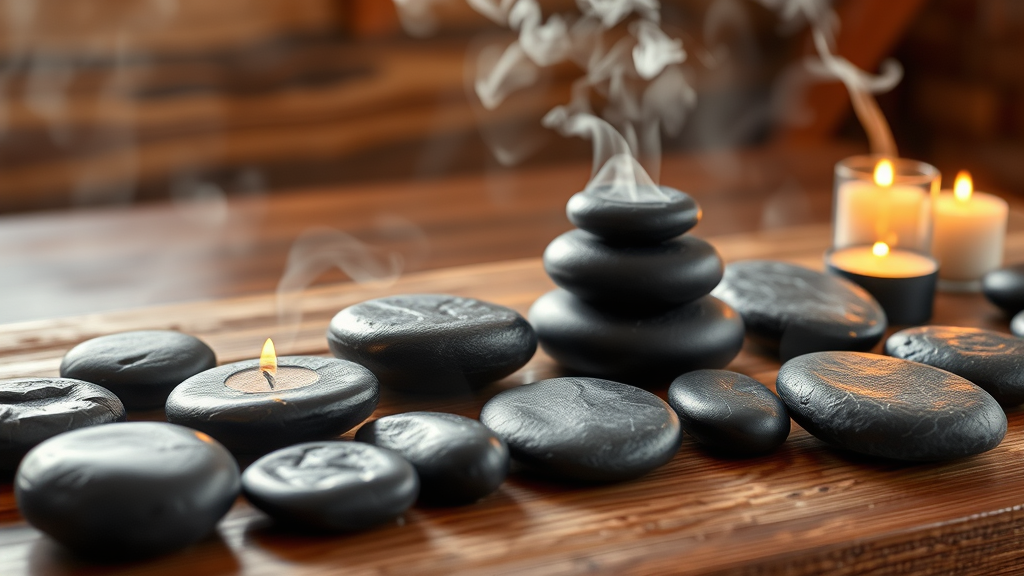
During a hot stone therapy session, smooth basalt stones are typically heated to temperatures between 120-130°F (49-54°C) in a specialized heating unit filled with water. These volcanic stones are chosen for their ability to retain heat and their naturally smooth surface, which glides effortlessly over the skin. The therapist may also use marble or other cool stones as a contrast therapy, alternating between hot and cold to stimulate circulation and enhance the therapeutic effects.
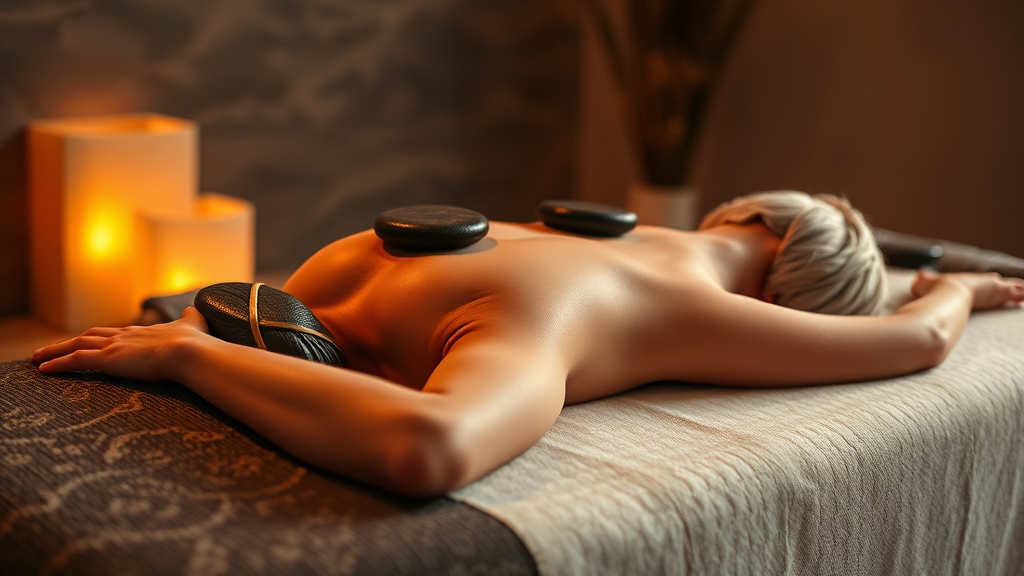
The treatment typically involves placing stones on specific points along your spine, in your palms, between your toes, and on other areas where tension commonly accumulates. The therapist then uses additional heated stones as massage tools, allowing the warmth to penetrate deep into your muscles while applying gentle pressure and flowing movements. This combination creates a multi-sensory experience that addresses both physical tension and mental stress simultaneously.
The Science Behind Heat Healing
The therapeutic benefits of heat therapy are well-documented in scientific literature, and understanding the physiological mechanisms behind hot stone therapy can help you appreciate why this treatment is so effective for stress and tension relief. When heat is applied to the body, several important biological processes are triggered that contribute to healing and relaxation.
Heat causes vasodilation, which is the widening of blood vessels near the skin’s surface. This increased blood flow brings more oxygen and nutrients to the treated areas while helping to remove metabolic waste products that can contribute to muscle soreness and stiffness. The improved circulation also helps reduce inflammation and promotes faster healing of damaged tissues.
From a neurological perspective, heat therapy activates the body’s natural pain-relief mechanisms through the “gate control theory” of pain. The warmth stimulates sensory receptors that can block pain signals from reaching the brain, providing natural pain relief. Additionally, the heat triggers the release of endorphins, the body’s natural “feel-good” chemicals that promote relaxation and improve mood.
Research published in the National Center for Biotechnology Information has shown that heat therapy can significantly reduce muscle spasms, decrease joint stiffness, and improve flexibility. The deep penetrating warmth of hot stone therapy stones allows these benefits to reach deeper muscle layers than surface heat applications alone.
How Hot Stone Therapy Relieves Stress
Stress manifests in our bodies in numerous ways, from tight shoulders and clenched jaws to shallow breathing and racing thoughts. Hot stone therapy addresses stress on multiple levels, creating a comprehensive approach to relaxation that goes beyond simple muscle tension relief.
The warmth from the stones triggers the parasympathetic nervous system, often called the “rest and digest” response. This is the opposite of the “fight or flight” stress response that keeps us in a state of chronic tension. When the parasympathetic system is activated, your heart rate slows, breathing deepens, blood pressure decreases, and stress hormones like cortisol begin to decline.
The meditative quality of hot stone therapy also plays a crucial role in stress relief. The gentle weight and warmth of the stones create a grounding sensation that helps quiet mental chatter and brings your awareness into the present moment. This mindful state is similar to what’s achieved through meditation or other mindfulness practices, providing mental clarity and emotional balance.
Many clients report that the effects of stress relief from hot stone therapy last well beyond their treatment session. The deep relaxation achieved during therapy can help reset your nervous system, making it easier to cope with daily stressors and maintain a more balanced emotional state. This is particularly beneficial for those dealing with chronic stress, anxiety, or stress-related sleep disorders.
Physical Benefits for Your Body
The physical benefits of hot stone therapy extend far beyond simple relaxation, offering tangible improvements to various bodily systems and functions. The combination of heat and massage creates a powerful therapeutic tool that can address a wide range of physical concerns.
Muscle tension and stiffness are among the most common issues that hot stone therapy addresses effectively. The heat penetrates deep into muscle tissue, causing fibers to relax and lengthen. This is particularly beneficial for individuals who spend long hours sitting at desks, engage in repetitive motions, or carry stress in specific areas like the neck, shoulders, and lower back. The stones can be placed precisely on trigger points and areas of chronic tension to provide targeted relief.
Joint mobility and flexibility often improve significantly after hot stone therapy sessions. The heat helps reduce joint stiffness by improving the viscosity of synovial fluid, which lubricates the joints. This can be especially helpful for individuals with arthritis, fibromyalgia, or other conditions that affect joint function. The gentle stretching and movement that occurs during the massage further enhances flexibility and range of motion.
Circulation improvement is another significant physical benefit. The vasodilation caused by heat therapy increases blood flow throughout the body, which can help reduce swelling, promote healing, and improve overall cardiovascular health. Enhanced circulation also means better delivery of nutrients to tissues and more efficient removal of toxins and metabolic waste products.
Sleep quality often improves dramatically following hot stone therapy. The deep relaxation achieved during treatment can help regulate circadian rhythms and prepare the body for restorative sleep. Many clients report falling asleep more easily and experiencing deeper, more refreshing sleep after their sessions.
Mental and Emotional Wellness Benefits
While the physical benefits of hot stone therapy are impressive, the mental and emotional wellness benefits are equally profound and often provide the most lasting impact on overall quality of life. The therapeutic environment created during hot stone therapy sessions offers a sanctuary from the constant demands and stimulation of modern life.
The treatment naturally promotes mindfulness and present-moment awareness. As you focus on the sensations of warmth, pressure, and touch, your mind naturally shifts away from worries about the future or regrets about the past. This mindful state can help break the cycle of anxious thoughts and rumination that often contribute to stress and emotional distress.
Emotional release is another significant benefit that many clients experience during hot stone therapy. The safe, nurturing environment combined with the deeply relaxing effects of the treatment can help release stored emotional tension. It’s not uncommon for clients to experience a range of emotions during or after their session, from peaceful contentment to cathartic releases of suppressed feelings.
Self-care and self-compassion are naturally cultivated through regular hot stone therapy sessions. Taking time for this type of nurturing treatment sends a powerful message to yourself about your worth and the importance of your wellbeing. This shift in self-perception can have profound effects on overall mental health and life satisfaction.
According to the American Psychological Association, chronic stress can have serious impacts on both physical and mental health. Regular relaxation practices like hot stone therapy can serve as an important tool in a comprehensive stress management plan.
What to Expect During Your Session
Understanding what happens during a hot stone therapy session can help you feel more comfortable and prepared for your first experience. While specific techniques may vary between practitioners, most sessions follow a similar structure designed to maximize relaxation and therapeutic benefits.
Before your treatment begins, your therapist will discuss your health history, any areas of particular tension or concern, and your goals for the session. This consultation ensures that the treatment is tailored to your specific needs and that any contraindications are identified. You’ll then be asked to undress to your comfort level and lie on a massage table, typically face down to begin.
The session usually starts with the placement of heated stones along your spine, following the chakra points or energy centers of the body. Additional stones may be placed in your palms, between your toes, or on other areas where you tend to hold tension. The weight and warmth of these stones begin the relaxation process immediately, helping your nervous system shift into a more peaceful state.
Your therapist will then begin the massage portion of the treatment, using additional heated stones as tools to apply pressure and perform flowing massage strokes. The stones glide smoothly over your skin, delivering consistent, penetrating heat while the massage techniques work to release muscle tension and improve circulation. The combination creates a uniquely soothing sensation that many clients describe as deeply nurturing and therapeutic.
Throughout the session, your therapist will monitor the temperature of the stones and replace them as needed to maintain optimal therapeutic heat. Communication is encouraged, so don’t hesitate to speak up if you’d like the pressure adjusted or if any stones feel too hot. A typical session lasts between 60-90 minutes, though shorter or longer treatments may be available depending on your needs and preferences.
Choosing the Right Hot Stone Therapy Stones
The quality and type of stones used in hot stone therapy can significantly impact the effectiveness and safety of your treatment. Professional therapists invest in high-quality hot stone therapy stones that are specifically designed for therapeutic use, but understanding what makes stones suitable for this type of therapy can help you make informed decisions about your care.
Basalt stones are the gold standard for hot stone therapy due to their unique properties. These volcanic stones are formed from cooled lava and have a fine-grained, dense structure that allows them to retain heat for extended periods while heating evenly throughout. Their naturally smooth surface requires minimal processing to become suitable for massage use, and their dark color helps absorb and radiate heat effectively.
Size and shape variety is important for a comprehensive treatment. Professional sets typically include stones of various sizes, from large stones that can cover broad areas like the back to smaller stones perfect for detailed work on hands, feet, and facial areas. The stones should have smooth, rounded edges with no sharp points or rough surfaces that could cause discomfort or injury.
Quality indicators include uniformity in heating, smooth surfaces free from cracks or chips, and appropriate density for heat retention. Stones should be sourced from reputable suppliers who specialize in therapeutic massage tools. Some practitioners also incorporate other types of stones, such as marble stones for cooling contrast therapy, which can enhance circulation and provide additional therapeutic benefits.
Proper care and maintenance of hot stone therapy stones is crucial for both effectiveness and hygiene. Stones should be thoroughly cleaned and sanitized between clients, stored properly to prevent damage, and regularly inspected for signs of wear or damage that could compromise safety or comfort during treatment.
Safety Considerations and Precautions
While hot stone therapy is generally safe for most people, there are important safety considerations and contraindications that must be understood to ensure a safe and beneficial experience. Professional therapists are trained to assess client suitability and monitor safety throughout the treatment, but being informed about potential risks helps you make educated decisions about your care.
Temperature control is perhaps the most critical safety aspect of hot stone therapy. Stones that are too hot can cause burns, while stones that are too cool may not provide therapeutic benefits. Professional-grade heating units maintain precise temperature control, and experienced therapists test stone temperature before application and monitor client comfort throughout the session.
Certain medical conditions may contraindicate hot stone therapy or require special precautions. These include diabetes (which can affect temperature sensation), cardiovascular conditions, pregnancy, recent injuries or surgeries, skin conditions, and certain medications that affect circulation or temperature regulation. Always discuss your complete medical history with your therapist before beginning treatment.
The Mayo Clinic recommends consulting with healthcare providers before beginning any new therapeutic treatment, especially if you have underlying health conditions. This is particularly important for hot stone therapy due to the heat component and its effects on circulation and blood pressure.
Proper practitioner credentials are essential for safe treatment. Look for therapists who have completed specialized training in hot stone therapy and hold current massage therapy permits or licenses in your area. Professional therapists will maintain appropriate insurance, follow strict hygiene protocols, and stay current with continuing education in their field.
Hydration before and after your session is important, as the heat and increased circulation can lead to mild dehydration. Avoid alcohol before your treatment, and plan to drink plenty of water following your session to support the body’s natural detoxification processes that are enhanced by the therapy.
Frequently Asked Questions
How often should I receive hot stone therapy for optimal stress relief?
The frequency of hot stone therapy sessions depends on your individual needs, stress levels, and health goals. For general stress management and wellness maintenance, many people benefit from monthly sessions. If you’re dealing with chronic stress, muscle tension, or specific health concerns, weekly or bi-weekly sessions may be more beneficial initially. Your therapist can help you develop a treatment schedule based on your specific situation and response to therapy. Remember that consistency is often more important than frequency – regular sessions, even if less frequent, tend to provide better long-term benefits than sporadic intensive treatments.
Can hot stone therapy help with chronic pain conditions?
Hot stone therapy can be beneficial for many chronic pain conditions, particularly those involving muscle tension, joint stiffness, and circulation issues. The heat helps reduce muscle spasms, improve flexibility, and increase blood flow to affected areas, which can provide significant relief for conditions like fibromyalgia, arthritis, and chronic back pain. However, it’s important to consult with your healthcare provider before using hot stone therapy as part of a chronic pain management plan. Some conditions may require modifications to the treatment or may be contraindicated entirely. Your therapist should work with your healthcare team to ensure the treatment supports your overall care plan.
What’s the difference between hot stone therapy and other heat treatments?
Hot stone therapy differs from other heat treatments like red light therapy saunas or broadband light therapy in several important ways. While these treatments provide systemic heat exposure, hot stone therapy offers targeted, direct heat application combined with massage techniques. The stones provide both thermal therapy and mechanical pressure, creating a multi-modal treatment approach. Additionally, hot stone therapy includes the human touch element, which has its own therapeutic benefits for stress relief and emotional wellbeing. The treatment is also more localized and controlled, allowing for precise application to specific areas of tension or concern.
Are there any side effects I should be aware of after hot stone therapy?
Most people experience only positive effects from hot stone therapy, but some mild side effects can occur as your body responds to the treatment. You may feel slightly tired or drowsy after your session as your nervous system continues to relax. Some people experience mild muscle soreness similar to what you might feel after a workout, as toxins are released from muscle tissues. Temporary increased urination is common as your body eliminates waste products mobilized during the treatment. Rarely, some people may experience mild headaches or nausea, which usually resolve quickly with adequate hydration and rest. If you experience any concerning symptoms, contact your therapist or healthcare provider.
Can I combine hot stone therapy with other wellness treatments?
Hot stone therapy can be effectively combined with many other wellness treatments to create a comprehensive approach to health and relaxation. Many spas offer combination treatments that might include aromatherapy, reflexology, or other massage modalities. Some people find that alternating between hot stone therapy and treatments like cold therapy can enhance circulation benefits. However, timing and combination should be planned carefully – for example, you might want to avoid intense treatments on the same day to prevent overstimulation of your nervous system. Always discuss your treatment plan with your therapist to ensure combinations are safe and beneficial for your specific needs.
How should I prepare for my first hot stone therapy session?
Preparing for your first hot stone therapy session can help ensure you get the maximum benefit from your treatment. Arrive well-hydrated but avoid large meals for 2-3 hours before your session. Take a shower beforehand if possible, as clean skin allows for better stone contact and heat transfer. Avoid caffeine and alcohol before your treatment, as these can interfere with the relaxation response. Plan to have some quiet time after your session rather than rushing back to stressful activities. Wear comfortable, loose-fitting clothing that’s easy to remove and put back on. Finally, communicate openly with your therapist about any concerns, areas of tension, or health conditions that might affect your treatment.
Is hot stone therapy suitable for people with sensitive skin?
People with sensitive skin can often enjoy hot stone therapy, but special precautions may be necessary. Professional therapists are trained to adjust stone temperatures and monitor skin response throughout the treatment. For sensitive skin, stones may be heated to lower temperatures, and the therapist may use towels or sheets as barriers between the stones and skin when necessary. It’s important to communicate any skin sensitivities, allergies, or previous reactions to heat treatments with your therapist before beginning. If you have conditions like eczema, psoriasis, or are taking medications that affect skin sensitivity, discuss these with both your therapist and healthcare provider. A patch test with a cooler stone may be performed to assess your skin’s response before proceeding with full treatment.