Does Hair Botox Improve Mental Health? Expert Insights on the Psychological Connection
Hair Botox therapy has emerged as a popular cosmetic treatment designed to restore shine, smoothness, and vitality to damaged hair. Unlike traditional Botox injections that target facial wrinkles, hair Botox involves applying protein-rich formulations directly to hair strands to fill gaps and create a smoother surface. But beyond the aesthetic benefits, a growing body of anecdotal evidence suggests that improved hair appearance may have unexpected psychological effects. This article explores the scientific and psychological dimensions of whether hair Botox therapy can genuinely improve mental health outcomes.
The relationship between physical appearance and mental wellbeing is well-documented in psychological research. When individuals feel confident about their appearance, they often experience improved self-esteem, reduced anxiety, and enhanced social engagement. Hair, being one of the most visible aspects of our appearance, plays a significant role in self-perception. Understanding whether hair Botox contributes to mental health improvements requires examining both the cosmetic outcomes and the psychological mechanisms behind appearance-related confidence.

Understanding Hair Botox Therapy
Hair Botox therapy, despite its name, does not contain botulinum toxin. Instead, it typically consists of a combination of proteins, amino acids, collagen, and keratin suspended in a nourishing base. The treatment works by penetrating the hair shaft and filling microscopic gaps and damage within the hair structure, creating a smoother, more reflective surface. This results in visibly shinier, more manageable hair that feels softer and appears healthier.
The treatment process usually involves applying the Botox formulation to clean, towel-dried hair, leaving it on for 10-30 minutes depending on the product, and then rinsing it out. Some formulations require heat application to activate the ingredients, while others work at room temperature. Results typically last 2-4 weeks, requiring repeated applications for sustained benefits. The non-invasive nature of hair Botox appeals to individuals seeking cosmetic improvements without surgical intervention or chemical damage.
Understanding the mechanics of hair Botox is essential because the quality of results directly impacts user satisfaction and subsequent psychological effects. When hair Botox delivers visible, tangible improvements in hair appearance, users are more likely to experience confidence boosts that may influence mental health outcomes.
The Psychology of Appearance and Self-Esteem
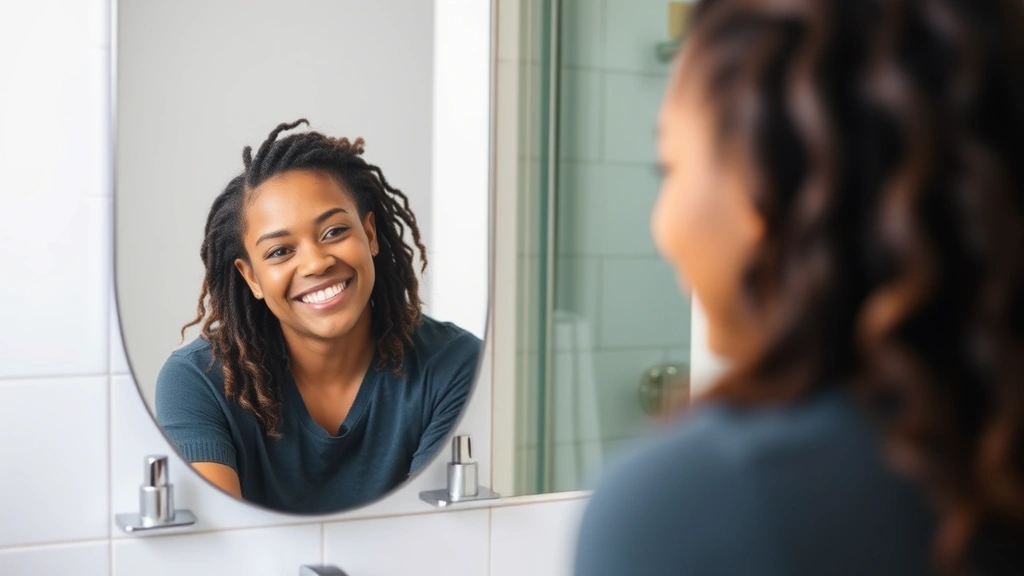
Psychological research has consistently demonstrated that appearance satisfaction correlates with self-esteem, body image, and overall mental wellbeing. A seminal study published in the Journal of Social Psychology found that individuals who felt satisfied with their physical appearance reported higher self-esteem scores and lower rates of depression and anxiety. Hair, specifically, holds cultural and personal significance across virtually all societies, often serving as a symbol of health, vitality, and attractiveness.
The psychological construct known as the “appearance-esteem hypothesis” suggests that improvements in appearance lead to improvements in self-esteem, which subsequently influences mental health outcomes. When individuals invest in treatments like hair Botox and observe positive results, they experience what psychologists call a “mastery experience”—a sense of agency and control over their appearance. This can trigger a positive feedback loop where increased confidence leads to improved social interactions, greater engagement in activities, and reduced avoidance behaviors associated with anxiety.
Hair-related concerns, particularly among individuals experiencing hair damage, thinning, or loss, can significantly impact psychological wellbeing. Conditions like trichotillomania (hair-pulling disorder) and body dysmorphic disorder often center on hair-related distress. Therefore, treatments that visibly improve hair quality may provide psychological relief beyond simple cosmetic enhancement. Exploring therapy for generational trauma and other psychological support mechanisms can complement appearance-based interventions.
Mental Health Benefits Through Improved Confidence
The primary pathway through which hair Botox might improve mental health is via confidence enhancement. When individuals see their hair transformation—from dull, damaged, and frizzy to smooth, shiny, and manageable—they often experience an immediate mood elevation. This isn’t merely superficial; the neuroscience of confidence demonstrates that positive self-perception activates reward centers in the brain, releasing dopamine and other neurotransmitters associated with pleasure and motivation.
Users report several mental health-related benefits following hair Botox treatment:
- Reduced social anxiety: Improved appearance confidence often translates to greater willingness to engage in social situations, attend public events, and participate in activities previously avoided due to appearance concerns.
- Enhanced self-efficacy: Successfully managing appearance through treatment creates a sense of personal agency that extends beyond hair care to other life domains.
- Improved mood: The immediate visual results of hair Botox can provide a mood boost comparable to other self-care practices like spa treatments or fitness achievements.
- Decreased rumination: Individuals who previously ruminated about hair appearance often experience cognitive relief once the treatment addresses their concerns.
- Increased social engagement: With reduced appearance anxiety, individuals may engage more authentically in social interactions, leading to improved relationship quality and social support networks.
These benefits align with broader principles of appearance-focused interventions in mental health, though research specific to hair Botox remains limited. The psychological impact depends largely on individual expectations, the actual results achieved, and pre-existing mental health status.
Scientific Evidence and Research Findings
While substantial research exists on the relationship between appearance satisfaction and mental health, direct scientific evidence specifically examining hair Botox therapy’s mental health effects remains scarce. However, related research provides valuable context. A meta-analysis published by the American Psychological Association examining appearance-focused interventions found that treatments delivering visible results generally improved psychological outcomes, particularly for individuals with appearance-related distress.
Research on cosmetic procedures more broadly, including hair treatments, skin care, and other aesthetic interventions, demonstrates that procedures with high satisfaction rates tend to improve self-esteem and reduce depression and anxiety symptoms. A study in the Journal of Cosmetic Dermatology found that individuals satisfied with cosmetic hair treatments reported improved quality of life scores across multiple dimensions, including psychological wellbeing.
However, researchers also identify important caveats. The mental health benefits of appearance-focused treatments are typically most pronounced in individuals with mild to moderate appearance-related distress. For individuals with severe body dysmorphic disorder or clinical depression, appearance treatments alone are insufficient and may even reinforce problematic thought patterns if not combined with appropriate psychological treatment. This distinction is crucial when evaluating hair Botox as a mental health intervention.
Current research suggests that hair Botox likely improves mental health through indirect mechanisms—by enhancing appearance satisfaction, which then improves confidence and social engagement. Direct neurobiological effects of hair Botox on mental health are unlikely, as the treatment does not systemically affect brain chemistry or neurotransmitter function.
Comparing Hair Treatments and Mental Wellness
To contextualize hair Botox within the broader landscape of hair treatments and mental wellness, it’s helpful to compare it with alternative approaches. Different hair treatments offer varying levels of results, durability, and potential psychological impact. Understanding these comparisons helps individuals make informed decisions about whether hair Botox specifically aligns with their needs and expectations.
Hair Botox vs. Traditional Deep Conditioning: While traditional deep conditioning treatments improve hair health and appearance, the visible results are often more subtle and temporary than hair Botox. Hair Botox’s more dramatic visual transformation may produce greater immediate confidence boosts, though both contribute to hair wellness.
Hair Botox vs. Keratin Treatments: Keratin treatments provide longer-lasting results (6-12 weeks) compared to hair Botox (2-4 weeks), but they involve chemical processes and may cause damage with repeated use. Hair Botox offers a gentler alternative, though results don’t last as long.
Hair Botox vs. Hair Extensions: Extensions provide dramatic appearance changes but carry risks of hair damage, scalp tension, and psychological dependency on artificial enhancement. Hair Botox works with natural hair, potentially producing more sustainable confidence improvements rooted in authentic appearance enhancement.
When considering red light therapy near me or other wellness treatments, individuals might benefit from integrating multiple approaches. Hair Botox can complement other self-care practices, creating a holistic wellness regimen that addresses both appearance and overall mental health.
Potential Risks and Psychological Considerations
While hair Botox presents relatively low physical risks, several psychological considerations warrant attention. Understanding these helps individuals approach the treatment with realistic expectations and appropriate mental health awareness.
Appearance-Dependency Risk: Individuals may develop psychological reliance on hair Botox, experiencing anxiety or distress during the 2-4 week window when results fade. This can create a problematic cycle where confidence becomes contingent on maintaining the treatment rather than rooted in genuine self-acceptance.
Unrealistic Expectations: If individuals expect hair Botox to resolve deeper psychological issues like depression, anxiety, or low self-esteem unrelated to appearance, disappointment may follow. Hair Botox is a cosmetic treatment, not a mental health intervention.
Body Dysmorphic Disorder Concerns: For individuals with BDD, appearance-focused treatments may temporarily satisfy concerns but can ultimately reinforce problematic thought patterns. Mental health professionals typically recommend addressing underlying psychological issues before pursuing cosmetic treatments in these cases.
Financial Stress: The recurring cost of hair Botox (typically $50-200 per treatment) may create financial anxiety if individuals feel compelled to maintain results. Financial stress itself negatively impacts mental health, potentially offsetting benefits from improved appearance.
Comparison and Social Media Effects: Exposure to idealized hair transformations on social media may create unrealistic standards, leading to dissatisfaction even with improved results. This phenomenon, documented in research on social media and body image, applies to hair-focused content as well.
Individuals with pre-existing mental health conditions should consult with mental health professionals before pursuing appearance-focused treatments, ensuring that such interventions complement rather than substitute for appropriate psychological care.
Expert Recommendations for Holistic Wellness
Dermatologists, psychologists, and wellness experts generally agree that while hair Botox can contribute to appearance satisfaction, sustainable mental health improvements require a more comprehensive approach. exploring therapy resources and articles can provide evidence-based information on integrating appearance-focused interventions with psychological support.
Expert Recommendations Include:
- Realistic Expectation Setting: Approach hair Botox as a cosmetic treatment that improves appearance, not as a mental health cure. Acknowledge that confidence improvements may follow, but they’re secondary benefits rather than primary treatment goals.
- Integrated Approach: Combine hair Botox with other wellness practices including regular exercise, social connection, adequate sleep, and stress management. This holistic approach produces more sustainable mental health improvements than any single intervention.
- Professional Consultation: Individuals with significant appearance anxiety, body dysmorphic concerns, or clinical depression should consult mental health professionals before pursuing hair Botox. Understanding underlying psychological factors helps determine whether the treatment is appropriate.
- Monitoring and Adjustment: Pay attention to psychological responses following treatment. If confidence improvements prove temporary or if anxiety increases during non-treatment periods, reassess whether the treatment aligns with mental health goals.
- Alternative Interventions: Consider whether other occupational therapy vs physical therapy approaches or psychological interventions might more directly address underlying mental health concerns.
- Sustainable Self-Care: Develop appearance-related self-care practices that don’t require expensive recurring treatments. Regular hair care routines, protective styling, and nutritional support for hair health create sustainable confidence improvements.
Mental health professionals emphasize that while appearance improvements can positively influence psychological wellbeing, genuine mental health relies on internal factors including self-compassion, realistic self-perception, meaningful relationships, and purposeful engagement with life. Hair Botox may facilitate confidence that enables these deeper psychological work, but it cannot substitute for them.
For individuals interested in exploring how physical appearance connects to mental health, understanding the relationship between various therapeutic approaches is valuable. Learning about physical therapy treatment for cerebral palsy and other body-focused interventions demonstrates how physical wellbeing intersects with psychological health across multiple domains.
FAQ
Can hair Botox cure depression or anxiety?
No. Hair Botox is a cosmetic treatment that improves hair appearance. While improved appearance may enhance confidence and potentially reduce appearance-related anxiety, it cannot treat clinical depression, generalized anxiety disorder, or other mental health conditions. These require appropriate professional mental health interventions including therapy and, when necessary, medication.
How long do mental health benefits from hair Botox last?
Mental health benefits typically correlate with visible hair improvement results, lasting 2-4 weeks. However, psychological benefits may extend beyond physical results if the treatment reinforces positive self-perception and confidence. Sustainable mental health improvements require ongoing self-care practices and psychological work beyond any single cosmetic treatment.
Is hair Botox appropriate for people with body dysmorphic disorder?
Individuals with BDD should consult mental health professionals before pursuing hair Botox. For some, appearance-focused treatments may reinforce problematic thought patterns. Professional guidance helps determine whether hair Botox complements appropriate psychological treatment or potentially exacerbates concerns.
What’s the difference between hair Botox and other hair treatments for mental health?
Hair Botox produces relatively dramatic visible results within a short timeframe, potentially delivering more immediate confidence boosts than gentler treatments. However, the psychological mechanism—improved appearance leading to enhanced confidence—applies across various hair treatments. Individual response depends on personal preferences, expectations, and psychological factors.
Should I use hair Botox instead of seeing a therapist?
No. Hair Botox and therapy address different domains. Therapy provides evidence-based treatment for mental health conditions, while hair Botox improves appearance. For individuals with mental health concerns, professional therapy should be the primary intervention. Hair Botox may complement therapy by enhancing confidence, but it cannot substitute for appropriate psychological care.
Can hair Botox improve self-esteem?
Hair Botox may contribute to self-esteem improvements through enhanced appearance satisfaction and confidence. However, sustainable self-esteem relies on multiple factors including self-compassion, achievement, meaningful relationships, and realistic self-perception. Hair Botox may facilitate confidence that supports deeper self-esteem work, but genuine self-esteem development requires broader psychological engagement.