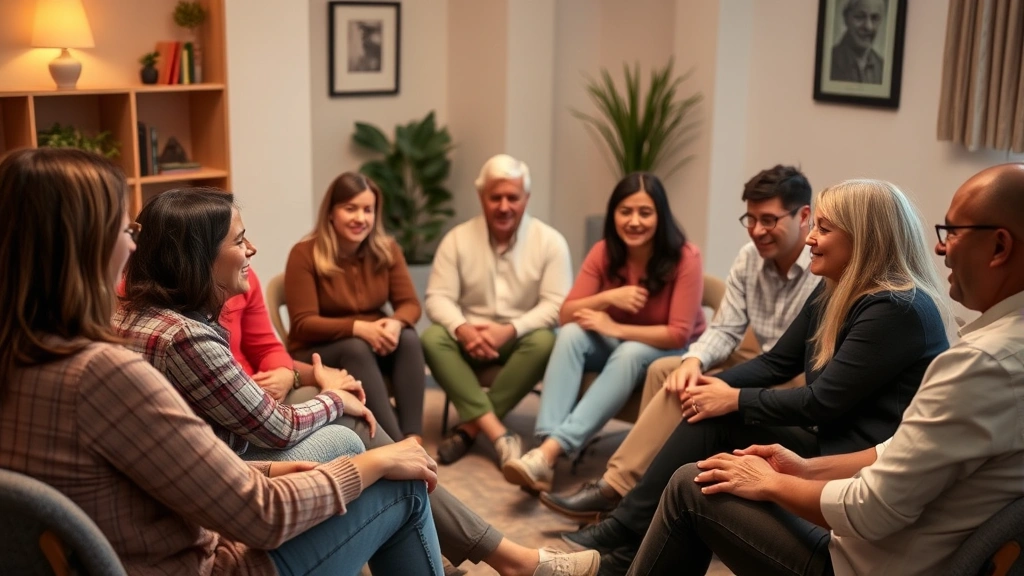
Group Therapy Activities: What Experts Recommend
Group therapy has emerged as one of the most effective and accessible mental health interventions available today. Unlike individual therapy, group settings create a unique dynamic where participants benefit from shared experiences, peer support, and the therapeutic power of community. Mental health professionals increasingly recognize that group therapy activities serve as catalysts for meaningful change, helping individuals overcome isolation, build social skills, and develop coping mechanisms in a supportive environment.
The effectiveness of group therapy lies not just in the clinical expertise of the facilitator, but in the carefully designed activities that structure these sessions. These activities range from ice-breakers and trust exercises to guided discussions and creative projects that encourage emotional expression and interpersonal connection. Research from the American Psychological Association demonstrates that structured activities in group settings produce measurable improvements in anxiety, depression, and social functioning.
Whether you’re a mental health professional seeking to enhance your group therapy practice, a facility administrator looking to improve your programs, or someone considering joining a group therapy session, understanding what experts recommend can help you make informed decisions. This comprehensive guide explores evidence-based group therapy activities, their therapeutic mechanisms, and how to implement them effectively.

Understanding Group Therapy Dynamics
Group therapy creates a microcosm of society where participants can explore relationships, test new behaviors, and receive immediate feedback from peers. The therapeutic factor of universality—discovering that others share similar struggles—reduces shame and isolation. When combined with structured group therapy activities, this environment becomes exponentially more powerful.
Experts emphasize that successful group therapy depends on several foundational elements: psychological safety, clear group norms, skilled facilitation, and purposeful activity design. Activities should progress from simple to complex, building trust gradually before diving into deeper emotional work. Our guide on therapy resources provides additional context on therapeutic approaches.
The American Group Psychotherapy Association notes that activities serve multiple functions simultaneously: they break the ice, establish group cohesion, facilitate skill-building, and create opportunities for behavioral experimentation. Different activities work better at different stages of group development, which is why experienced therapists carefully sequence their interventions.

Ice-Breaker and Warm-Up Activities
The opening moments of group therapy set the tone for everything that follows. Ice-breaker activities reduce anxiety, establish a lighter emotional atmosphere, and help participants feel comfortable with one another. These activities are particularly crucial in early sessions when group members are strangers.
Two Truths and a Lie remains a gold standard in group therapy. Participants share three statements about themselves, and others guess which is false. This activity encourages self-disclosure in a low-stakes format, sparks laughter, and reveals interesting information about group members. Therapists can guide the activity toward therapeutic goals by suggesting categories like “challenges I’ve overcome” or “lessons I’ve learned.”
Speed Networking involves rotating pairs who answer prompts in two-minute intervals. Unlike traditional introductions, this structure ensures everyone interacts with everyone else while maintaining manageable conversation lengths. Prompts can range from “What’s your favorite way to relax?” to more therapeutic questions like “What’s one strength you’ve developed?”
Name Games serve dual purposes: they help people remember each other’s names while creating an energetic, playful atmosphere. The “Name Alliteration” game asks participants to share their name with an adjective starting with the same letter (e.g., “Joyful James”). This combines cognitive engagement with personal sharing.
Highs and Lows is a simple yet powerful warm-up where each person shares one positive and one challenging moment from their week. This activity immediately establishes that the group is a space for authentic sharing and helps the therapist gauge members’ current emotional states. It also normalizes discussing both positive and negative experiences.
Trust-Building Exercises
Trust forms the foundation of all therapeutic work in groups. Without psychological safety, participants won’t risk vulnerability or genuine sharing. Structured trust-building activities deliberately create moments where members must rely on and support each other.
The Trust Fall, when adapted for group settings, involves one person falling backward into the group’s arms while others catch them. This physical activity creates an immediate metaphor for vulnerability and interdependence. Mental health professionals have refined this exercise to ensure safety while maximizing psychological impact. Participants often process the experience afterward, discussing fears, trust, and what made them feel secure.
Group Juggle combines fun with trust-building. The group stands in a circle and tosses objects (balls, soft toys) to each other in a specific pattern. As the pattern becomes familiar, the facilitator increases the number of objects. This activity requires coordination, attention to others, and collective problem-solving. It demonstrates how group members can support each other’s success.
Collaborative Sculpture asks groups to form a human sculpture representing a theme like “support,” “growth,” or “overcoming obstacles.” Members must physically position themselves and each other, requiring trust and communication. The visual metaphor often sparks profound discussions about relationships and interdependence.
Blind Walks pair participants where one is blindfolded while the other guides them through a space. This exercise requires significant trust and communication. Afterward, discussing the experience—fears that arose, how trust was established, feelings of vulnerability—deepens therapeutic insight. This activity connects to broader therapy considerations about creating safe environments.
Cognitive and Behavioral Activities
Cognitive-behavioral activities help participants identify thought patterns, challenge distortions, and practice new behaviors within the group setting. These structured exercises provide immediate feedback and peer support for behavioral change.
Thought Records in Group involve members sharing a situation where they felt distressed, identifying automatic thoughts, examining evidence for and against those thoughts, and developing more balanced perspectives. The group offers alternative viewpoints, helping individuals see their situations from fresh angles. This peer-provided cognitive restructuring often feels more believable than therapist feedback alone.
Behavioral Experiments leverage the group as a laboratory for trying new behaviors. A person with social anxiety might practice initiating conversations with group members. Someone working on assertiveness might practice setting boundaries. The group provides a safe testing ground before applying new skills in the outside world.
The Worry Time Activity teaches anxiety management by designating a specific time for worrying and practicing worry postponement. Group members support each other in implementing this technique, sharing experiences and troubleshooting obstacles. Hearing others’ successes increases motivation and belief in the technique’s effectiveness.
Exposure Hierarchies created collaboratively help members facing anxiety or phobias gradually confront feared situations. The group might role-play increasingly challenging scenarios, providing encouragement and celebrating progress. This peer-supported exposure often feels more manageable than individual therapy.
Creative Expression Activities
Not all therapeutic communication happens through words. Creative activities bypass defenses and access emotions and insights that verbal discussion might not reach. Art, music, movement, and drama all serve as powerful therapeutic mediums in group settings.
Group Art Projects can be remarkably therapeutic. Members might create individual pieces addressing a prompt like “What does healing look like to you?” or collaborate on a collective mural. Art reduces performance pressure compared to verbal sharing; there’s no “right” way to create art. The process matters more than the product, and discussing artwork afterward often reveals surprising insights. For those interested in therapeutic modalities, exploring speech therapy approaches can complement understanding of expressive therapies.
Guided Imagery and Visualization allow groups to collectively experience imaginative scenarios. A facilitator might guide members through visiting a safe place, meeting a wise mentor, or visualizing themselves successfully overcoming a challenge. Group members often report that shared visualization creates a sense of connection and shared purpose.
Movement and Dance activities help members reconnect with their bodies and express emotions non-verbally. Therapists might guide participants through movement exploring emotions, dancing out tension, or moving together as a unified group. These activities are particularly valuable for trauma survivors and those disconnected from bodily sensations.
Storytelling Circles invite members to share personal narratives in a structured format. Some therapists use “fishbowl” storytelling where one person shares while others listen deeply, then roles reverse. This format honors individual narratives while building group cohesion through witnessing each other’s stories.
Communication and Social Skills
Group therapy provides unparalleled opportunities to practice communication skills in real-time. Members can try new ways of expressing themselves, requesting what they need, and responding to others, with immediate feedback from peers and the facilitator.
Role-Playing Scenarios allow members to practice handling difficult interpersonal situations. Someone might practice having a conversation with a critical family member while a group member plays that role. The group provides feedback on what worked and what could be adjusted. This behavioral rehearsal increases confidence for real-world interactions.
Active Listening Exercises develop members’ ability to truly hear each other. Partners take turns speaking and listening, with the listener reflecting back what they heard. This simple activity reveals how often we mishear each other and builds empathy. Group members often report feeling truly heard for the first time during these exercises.
Feedback Circles teach members to give and receive constructive feedback. One member shares something they’re working on, and others offer supportive, specific feedback. This normalizes feedback as helpful rather than threatening and develops crucial interpersonal skills.
Assertiveness Training Activities help members practice expressing needs and setting boundaries. Members might practice saying “no,” making requests, or expressing disagreement respectfully. The group provides a safe laboratory for developing these often-uncomfortable skills.
Mindfulness and Relaxation Techniques
Stress reduction and present-moment awareness benefit from group practice. Shared mindfulness experiences create collective calm and help members develop techniques they can use independently.
Group Meditation begins many group therapy sessions. Even five to ten minutes of shared silence or guided meditation centers the group’s attention and creates a sense of collective purpose. Research from the National Institutes of Health demonstrates that group meditation produces measurable reductions in stress markers.
Progressive Muscle Relaxation (PMR) in groups teaches members to recognize and release physical tension. The facilitator guides everyone through systematically tensing and relaxing muscle groups. Members often feel connected through this shared physical experience and gain a portable relaxation technique.
Grounding Exercises help members manage anxiety and dissociation through sensory awareness. The “5-4-3-2-1” technique (identify five things you see, four you can touch, three you hear, two you smell, one you taste) grounds people in present reality. Practicing together normalizes these techniques and reduces shame around needing them.
Breathing Techniques provide immediate anxiety management tools. Box breathing, 4-7-8 breathing, and other techniques can be practiced collectively. Group members support each other in remembering and implementing these skills during difficult moments.
Problem-Solving and Coping Strategies
Group therapy excels at helping members develop practical coping strategies and solutions to real-world problems. The collective wisdom of the group often generates more creative options than individual therapy alone.
Problem-Solving Circles structure how groups address members’ challenges. One person presents a problem, others ask clarifying questions, then the group brainstorms solutions without judgment. The problem-holder chooses which suggestions to explore. This process builds agency and exposes members to diverse perspectives.
Coping Strategy Inventories have members identify what has helped them through difficult times. Sharing these inventories expands everyone’s toolkit. Someone might learn that another member manages anxiety through journaling, art, or physical activity—options they hadn’t considered.
Relapse Prevention Planning in substance abuse or mental health groups uses the group’s collective experience to anticipate challenges and develop strategies. Members who’ve successfully navigated difficult situations share their approaches, and the group problem-solves together about how to apply these strategies to others’ situations.
Values Clarification Activities help members identify what truly matters to them. The group might discuss how values guide decisions, share their own values, and explore whether their lives align with their stated values. This activity provides direction and motivation for behavioral change. Understanding various therapeutic approaches, including specialized ones like physical therapy for specific conditions, highlights how comprehensive treatment considers multiple dimensions.
FAQ
What makes group therapy activities more effective than individual therapy?
Group therapy activities leverage several unique therapeutic factors: universality (discovering others share your struggles), interpersonal learning (practicing new social behaviors), and altruism (helping others). Activities in groups provide real-time feedback from multiple perspectives and create accountability through peer support. Additionally, witnessing others’ progress and hearing diverse coping strategies expands possibilities members might not discover in individual therapy.
How do therapists choose which activities to use?
Expert facilitators consider multiple factors: group development stage (early sessions need more structure and safety-building), therapeutic goals (different activities target different outcomes), group composition (activities must be accessible to all members), and individual member needs. Skilled therapists continuously assess whether activities are landing therapeutically and adjust accordingly. They also consider cultural sensitivity and ensure activities don’t inadvertently trigger or exclude members.
Can group therapy activities be harmful?
While generally beneficial, poorly designed or facilitated activities can create harm. Trust falls without proper safety protocols, forced vulnerability, or activities that trigger trauma can be retraumatizing. Expert facilitators maintain clear boundaries, offer opt-out options, process activities therapeutically, and continuously monitor group safety. This is why training in group therapy facilitation is essential.
How long should group therapy activities last?
Activity duration varies based on the activity and group needs. Ice-breakers typically last 5-15 minutes, while deeper work activities might span 20-40 minutes. A typical group session might include a brief warm-up (10 minutes), main activity (30-40 minutes), and processing/closing (10 minutes). Expert facilitators remain flexible, extending activities that are generating meaningful work or moving forward if engagement drops.
Are group therapy activities appropriate for all mental health conditions?
Most conditions benefit from group therapy activities, but certain adaptations are necessary. Individuals with severe psychosis, active suicidality, or severe social anxiety might need individual preparation before group participation. Trauma survivors often benefit from modified activities with built-in safety features. Those with developmental delays need simplified, concrete activities. Expert facilitators customize activities to ensure all members can participate meaningfully.
How can I find a group therapy program with quality activities?
Look for programs led by licensed mental health professionals trained in group therapy. Ask about their activity selection process, how they ensure safety, and what outcomes they track. Reading reviews, asking for references, and interviewing potential facilitators helps assess quality. Many communities offer group therapy through mental health centers, private practices, and specialized programs. Resources like our occupational therapy information can help you understand different therapeutic career paths and, by extension, the qualifications of practitioners you encounter.