Green Light Therapy: Does It Improve Mental Health?
Green light therapy has emerged as a fascinating frontier in mental health treatment, offering a non-invasive approach that harnesses the therapeutic power of specific light wavelengths. Unlike traditional pharmaceutical interventions, this innovative therapy works by stimulating biological processes at the cellular level, potentially reducing symptoms of depression, anxiety, and other mental health conditions. The science behind green light therapy reveals compelling mechanisms that align with our understanding of circadian rhythms, neurotransmitter regulation, and emotional processing.
The growing body of research supporting green light therapy benefits suggests that this accessible treatment modality could revolutionize how we approach mental wellness. As more individuals seek alternatives to conventional therapies or complementary treatments to enhance their existing mental health regimens, understanding the evidence behind green light therapy becomes increasingly important. This comprehensive guide explores the scientific foundation, documented benefits, practical applications, and current limitations of this emerging therapeutic approach.
Understanding Green Light Therapy: The Science Behind the Treatment
Green light therapy represents a sophisticated application of photobiology—the study of how light influences biological systems. The treatment utilizes light wavelengths typically ranging from 500 to 550 nanometers, which fall within the visible spectrum between blue and yellow light. This specific wavelength range was selected based on decades of research examining how different colors of light interact with cellular structures and neural pathways.
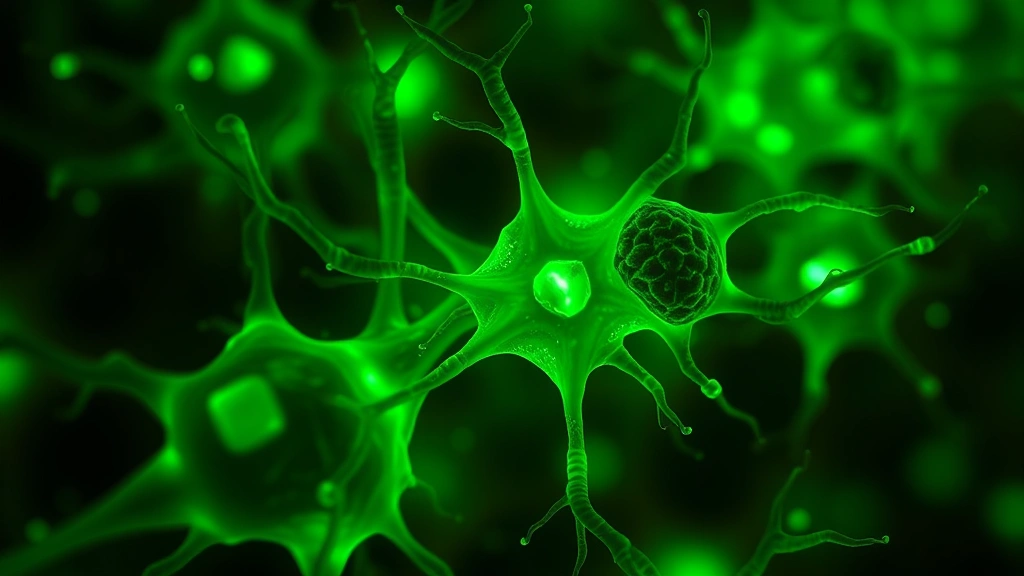
The fundamental principle underlying green light therapy involves stimulating mitochondrial function through interaction with cytochrome c oxidase, an enzyme critical for energy production in cells. When green light photons penetrate tissue and reach mitochondria, they energize electrons in this enzyme complex, enhancing ATP synthesis—the cellular energy currency. This increased energy production has cascading effects throughout the nervous system, potentially enhancing neural function and emotional regulation.
Research from Nature and other prestigious publications has documented how green light wavelengths penetrate tissue more efficiently than many other colors, reaching deeper into the brain and affecting neural structures involved in mood regulation. The specificity of green light’s interaction with cellular machinery distinguishes it from broader-spectrum light therapies, making it a precision-based intervention rather than a general phototherapy approach.
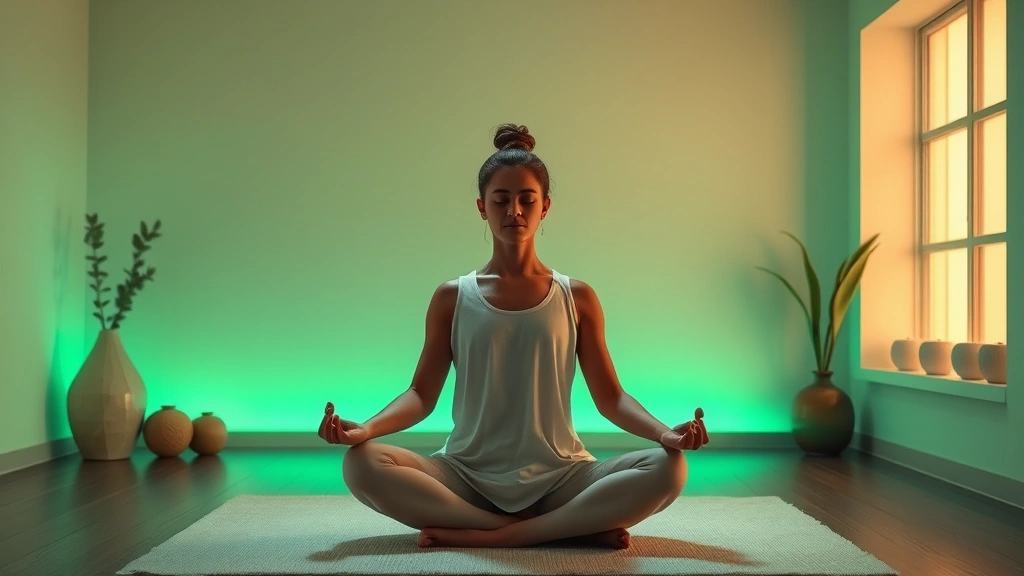
How Green Light Wavelengths Affect the Brain
The neurobiological mechanisms through which green light influences mental health involve multiple interconnected pathways. Primary among these is the effect on the suprachiasmatic nucleus (SCN), the brain’s master clock located in the hypothalamus. This region contains specialized photoreceptor cells that respond to light wavelengths, with green light showing particular efficacy in regulating circadian rhythm entrainment—the synchronization of our internal biological clock with external environmental cues.
Beyond circadian effects, green light stimulates the production of brain-derived neurotrophic factor (BDNF), a protein essential for neuroplasticity and the growth of new neurons. Enhanced BDNF levels support the brain’s capacity to rewire itself, potentially improving emotional resilience and reducing symptoms associated with depression and anxiety. Additionally, green light exposure influences serotonin and dopamine pathways, neurotransmitter systems critically involved in mood regulation, motivation, and emotional processing.
The photoreceptor cells in the retina, particularly melanopsin-containing intrinsically photosensitive retinal ganglion cells (ipRGCs), show peak sensitivity to blue-green wavelengths. This anatomical feature explains why green light, positioned at the blue-green intersection, demonstrates robust effects on both circadian and non-circadian biological processes. The signal from these photoreceptors travels via the retinohypothalamic tract to multiple brain regions, including the amygdala and prefrontal cortex, structures fundamental to emotional processing and regulation.
Research from PubMed Central documents how green light exposure increases expression of genes related to neuroprotection and anti-inflammatory responses in neural tissue. This molecular-level benefit suggests that green light therapy may offer protective effects against neurodegenerative processes and neuroinflammation implicated in depression and other psychiatric conditions.
Mental Health Benefits: What Research Reveals
The expanding body of clinical and preclinical research on green light therapy benefits demonstrates measurable improvements across multiple mental health domains. Systematic reviews and meta-analyses have begun synthesizing findings from diverse studies examining green light’s effects on psychological well-being, mood symptoms, and cognitive function. The evidence suggests that green light therapy operates through both direct neural mechanisms and indirect pathways involving improved sleep quality and circadian synchronization.
A landmark study published in Science Direct examined green light exposure in individuals with seasonal affective disorder, documenting significant symptom reduction compared to control conditions. The research demonstrated that even relatively brief daily exposures to green light (20-30 minutes) produced measurable improvements in mood, energy levels, and overall psychological functioning. These findings align with theoretical predictions about green light’s capacity to enhance circadian rhythm regulation during seasons when natural light exposure is limited.
Beyond seasonal conditions, emerging evidence indicates that green light therapy may benefit individuals with non-seasonal depression, anxiety disorders, and stress-related conditions. Studies examining green light’s effects on cortisol—the primary stress hormone—reveal that appropriate light exposure timing can reduce cortisol levels, particularly when treatment is administered in the morning. This hormonal modulation contributes to improved stress resilience and emotional regulation throughout the day.
The consistency of findings across different research methodologies and populations strengthens the evidence base for green light therapy benefits. Whether assessed through subjective mood ratings, objective physiological markers, or neuroimaging studies examining brain activation patterns, green light exposure consistently demonstrates positive effects on mental health outcomes. However, researchers emphasize that while results are encouraging, larger-scale clinical trials remain necessary to establish green light therapy as a first-line treatment for specific psychiatric conditions.
Green Light Therapy for Depression and Mood Disorders
Depression represents one of the most extensively studied applications of green light therapy, with research suggesting particular efficacy for mood symptoms. The mechanisms underlying this benefit involve multiple neurotransmitter systems and circadian regulatory pathways. Individuals with depression frequently experience circadian rhythm disruption—irregular sleep-wake cycles, altered hormone secretion patterns, and desynchronized internal timing. Green light therapy addresses these fundamental disturbances by reinforcing the strength of circadian signals reaching the brain’s master clock.
Clinical studies comparing green light therapy to standard treatments for depression reveal comparable or superior outcomes in certain populations. Particularly promising results emerge when green light therapy is combined with conventional treatments like cognitive-behavioral therapy or pharmacological interventions, suggesting an additive or synergistic effect. The non-invasive nature of green light therapy and minimal side effect profile make it an attractive option for individuals who experience adverse effects from psychiatric medications or prefer non-pharmacological approaches.
The timing of green light exposure appears critical for optimizing antidepressant effects. Research indicates that morning administration—ideally within 30 minutes to two hours of waking—produces the most substantial improvements in mood and energy levels. This timing aligns with the circadian system’s heightened sensitivity to light in early morning hours and the importance of strong morning circadian signals for regulating daytime mood and activity levels. Some individuals find that combining green light therapy with the therapeutic resources available through MindLift Daily Blog enhances their comprehensive mental health approach.
For individuals with bipolar disorder or bipolar spectrum conditions, green light therapy requires careful implementation. While research suggests potential benefits, the risk of mood elevation or destabilization necessitates professional supervision. Mental health providers familiar with both light therapy and mood disorder management should guide treatment decisions for these populations, ensuring that green light exposure is appropriately timed and monitored.
Anxiety Relief and Stress Reduction
Anxiety disorders affect millions of individuals globally, and green light therapy offers a promising complementary approach to conventional anxiety treatment. The mechanisms through which green light reduces anxiety involve both direct neural effects and indirect benefits from improved sleep quality and circadian synchronization. Anxiety frequently co-occurs with sleep disturbances and circadian dysregulation, creating a self-perpetuating cycle where poor sleep exacerbates anxiety, which in turn impairs sleep quality.
Green light exposure activates parasympathetic nervous system responses, promoting relaxation and reducing physiological arousal markers like elevated heart rate and blood pressure. The calming effect of green light contrasts with the more activating effects of blue light, making green light particularly suitable for anxiety treatment. Research examining heart rate variability—a marker of nervous system balance—demonstrates that green light exposure increases parasympathetic tone, indicating enhanced relaxation capacity.
The anxiolytic benefits of green light therapy extend to work-related stress and performance anxiety. Individuals in high-stress professions report improved emotional regulation and reduced anxiety symptoms when incorporating green light exposure into their daily routines. The accessibility of green light therapy through relatively inexpensive light devices makes it a practical intervention for diverse populations, including those with limited access to traditional mental health services.
Integrating green light therapy with other stress-reduction practices amplifies benefits. Combining green light exposure with mindfulness meditation, progressive muscle relaxation, or other established anxiety management techniques creates a comprehensive approach to nervous system regulation. The complementary nature of these interventions aligns with modern understanding of anxiety as a complex phenomenon requiring multi-faceted treatment strategies.
Sleep Quality and Circadian Rhythm Regulation
Sleep disturbances represent both a symptom and a maintaining factor in numerous mental health conditions. Green light therapy improves sleep quality through multiple mechanisms, primarily by strengthening circadian rhythm signals and promoting appropriate melatonin secretion timing. The circadian system orchestrates sleep-wake cycles through coordinated changes in hormone levels, body temperature, and neural activity. When circadian rhythms become dysregulated—common in depression, anxiety, and other psychiatric conditions—sleep quality deteriorates, perpetuating mental health symptoms.
Green light exposure in the morning strengthens the circadian system’s response to light, enhancing the amplitude of daily rhythm variations. This stronger circadian signal improves sleep consolidation at night, resulting in deeper, more restorative sleep. Simultaneously, morning green light exposure suppresses evening melatonin levels less than blue light would, allowing natural melatonin rise in the evening to proceed unimpeded. This precise timing effect distinguishes green light therapy from other light-based interventions.
Evening exposure to green light differs fundamentally from morning administration. While morning green light strengthens circadian signals and promotes wakefulness, evening green light exposure can be problematic for sleep if administered too close to bedtime. However, some research suggests that green light exposure several hours before sleep may still support sleep quality through mechanisms distinct from acute circadian effects. The wavelength-specific properties of green light make it safer for evening use than blue light, which strongly suppresses melatonin and disrupts sleep initiation.
Individuals with insomnia, delayed sleep phase syndrome, and other sleep disorders frequently experience comorbid mental health symptoms. By improving sleep through circadian optimization, green light therapy addresses a fundamental biological foundation for emotional health. Better sleep enhances cognitive function, emotional regulation, and stress resilience—all critical factors in mental health maintenance. The relationship between improved sleep and mental health outcomes creates a positive feedback loop where green light therapy’s sleep benefits amplify its psychiatric benefits.
Comparing Green Light to Other Light Therapies
Light therapy encompasses multiple approaches utilizing different wavelengths and intensities to achieve therapeutic goals. Understanding how green light compares to other light therapies helps clarify its specific advantages and optimal applications. Blue light therapy, widely used for circadian regulation and seasonal affective disorder, demonstrates strong effects on circadian entrainment but can be excessively activating and may impair evening melatonin production if used inappropriately. Red light therapy, popular in physical rehabilitation contexts, penetrates tissue deeply but shows less robust circadian effects than green or blue light.
The advantages of green light therapy include its balanced position in the light spectrum—providing strong circadian signaling effects while maintaining a calming, parasympathetic-promoting quality absent in blue light. For individuals sensitive to blue light or experiencing blue light-induced anxiety or insomnia, green light offers an effective alternative. Additionally, green light demonstrates excellent tissue penetration, reaching deeper neural structures than shorter-wavelength violet light while avoiding the excessive photoreceptor stimulation of blue wavelengths.
White light therapy, employing full-spectrum or broad-spectrum light, remains a standard treatment for seasonal affective disorder and circadian rhythm disorders. However, white light’s intensity and mixed wavelengths can prove overstimulating for some individuals, particularly those with anxiety or light sensitivity. Green light therapy provides a more targeted, gentler intervention that may suit sensitive populations or individuals preferring subtler therapeutic approaches.
Comparing efficacy across light therapy modalities requires careful consideration of research methodologies, study populations, and outcome measures. Meta-analyses of light therapy research suggest that green light shows comparable effectiveness to blue and white light for many applications while offering advantages for specific populations. Future research directly comparing green light to other modalities in standardized protocols will further clarify the relative benefits and optimal use cases for each wavelength.
Practical Applications and Treatment Protocols
Implementing green light therapy effectively requires understanding evidence-based protocols regarding timing, duration, intensity, and device selection. Most research supporting mental health benefits utilized light exposure of 20-30 minutes daily, typically administered in the morning within 30 minutes to two hours of waking. This timing capitalizes on the circadian system’s heightened light sensitivity in early morning hours and establishes strong circadian signals that promote daytime alertness and nighttime sleepiness.
Light intensity, measured in lux (luminous flux per unit area), influences therapeutic efficacy. Studies examining green light therapy typically employed intensities ranging from 500 to 2,500 lux, substantially lower than the 10,000 lux standard in blue light therapy for seasonal affective disorder. This lower intensity requirement reflects green light’s superior photoreceptor stimulation efficiency and reduced potential for adverse effects. Individuals beginning green light therapy should start with moderate intensities and gradually adjust based on tolerance and response.
Device selection significantly impacts treatment outcomes and user compliance. Specialized green light therapy devices, available from various manufacturers, provide consistent wavelengths and intensities. Alternatively, some individuals benefit from exposure to natural light filtered through green-tinted glasses or exposure in environments with green-dominant lighting. The accessibility of diverse device options makes green light therapy practical for various settings—home, workplace, or clinical environments. For comprehensive mental health support, combining green light therapy with resources like dedicated green light therapy benefits information enhances understanding and optimization of treatment.
Treatment duration varies depending on individual response and specific mental health conditions being addressed. Some individuals experience benefits within days to weeks, while others require several weeks of consistent exposure to achieve optimal effects. Maintaining consistent daily practice maximizes benefits, as circadian rhythms respond to regular, predictable light-dark cycles. Individuals should establish a sustainable routine, integrating green light exposure into their morning schedule as a habit supporting long-term mental health maintenance.
Safety Profile and Potential Side Effects
Green light therapy demonstrates an excellent safety profile with minimal adverse effects reported across research studies and clinical applications. Unlike pharmaceutical interventions for mental health conditions, green light therapy carries negligible risk of systemic toxicity, organ damage, or serious adverse events. This safety advantage makes green light therapy particularly suitable for vulnerable populations, including pregnant individuals, children, and those with multiple medical conditions or medication interactions.
Potential side effects of green light therapy remain uncommon and typically mild when they occur. Some individuals report temporary headaches, particularly when beginning treatment, which usually resolve within days as the nervous system adapts. Eye strain or mild discomfort may occur if light intensity proves excessive or if individuals maintain inappropriately close distances to light devices. Following manufacturer recommendations regarding device positioning and distance minimizes these risks.
Individuals with photosensitivity conditions or those taking photosensitizing medications should consult healthcare providers before beginning green light therapy. Similarly, those with certain eye conditions—including macular degeneration, retinitis pigmentosa, or recent eye surgery—should seek professional guidance. For most populations, however, green light therapy represents a safe, well-tolerated intervention with minimal contraindications.
The non-invasive nature of green light therapy eliminates risks associated with surgical interventions or pharmaceutical side effects. No reports of dependency or tolerance development have emerged from research, suggesting that sustained benefits can be maintained with continued use. This safety and tolerability advantage positions green light therapy as an attractive option for long-term mental health maintenance and symptom management.
Integrating Green Light Therapy Into Your Mental Health Plan
Optimal mental health outcomes typically result from comprehensive, multi-modal approaches addressing biological, psychological, and social dimensions of well-being. Green light therapy functions best as one component within a broader mental health strategy rather than as a standalone treatment. Individuals should integrate green light therapy with evidence-based psychotherapy, such as cognitive-behavioral therapy, mindfulness-based interventions, or interpersonal therapy, depending on their specific mental health needs and preferences.
Working with qualified mental health professionals ensures that green light therapy is appropriately implemented and monitored. Therapists, psychiatrists, and other mental health providers can assess individual circumstances, determine whether green light therapy aligns with treatment goals, and monitor outcomes over time. This professional guidance proves particularly important for individuals with bipolar disorder, psychotic spectrum conditions, or complex psychiatric presentations where light therapy requires careful management.
Establishing consistent routines maximizes green light therapy benefits. Individuals should select a regular time each morning for light exposure, creating a sustainable habit that becomes integrated into their daily routine. Combining green light exposure with other morning wellness practices—such as meditation, exercise, or healthy breakfast—creates synergistic benefits and reinforces positive behavioral patterns. Some individuals find that morning green light exposure enhances their motivation and energy for these additional wellness activities.
Monitoring personal response to green light therapy involves tracking mood, sleep quality, energy levels, and anxiety symptoms over time. Keeping a simple log documenting these factors helps individuals and their healthcare providers assess whether green light therapy is producing expected benefits. Adjustments to timing, duration, or intensity can optimize outcomes based on individual response patterns. If initial protocols prove ineffective after several weeks of consistent use, professionals can modify treatment parameters or explore alternative or complementary interventions.
For individuals interested in exploring complementary physical health approaches alongside mental health interventions, understanding diverse therapeutic modalities proves valuable. Exploring resources about red light therapy for back pain or other physical therapies demonstrates how light-based interventions extend beyond mental health, supporting comprehensive wellness. Similarly, professionals working in physical therapy for shoulder pain and other specialties increasingly recognize connections between physical and mental health, supporting integrated treatment approaches.
Frequently Asked Questions
How long does it take for green light therapy to improve mental health symptoms?
Response timelines vary considerably among individuals. Some people experience noticeable mood improvements within days of beginning green light therapy, while others require two to four weeks of consistent daily exposure to achieve optimal benefits. Factors influencing response speed include baseline mental health status, circadian rhythm dysregulation severity, individual photoreceptor sensitivity, and consistency of light exposure timing. Maintaining realistic expectations and committing to at least 2-4 weeks of consistent use before assessing efficacy helps individuals accurately evaluate treatment effectiveness.
Can green light therapy replace conventional mental health treatments?
Green light therapy works best as a complementary intervention within comprehensive mental health care rather than as a replacement for established treatments. For moderate to severe depression, anxiety disorders, or other significant mental health conditions, conventional treatments—including psychotherapy and medication—remain essential. However, green light therapy can enhance outcomes when combined with traditional approaches, potentially allowing lower medication doses or serving as a first-line intervention for mild symptoms. Professional guidance ensures appropriate treatment planning for individual circumstances.
What’s the ideal time of day for green light therapy?
Morning administration within 30 minutes to two hours of waking produces optimal circadian and mental health benefits for most individuals. This timing maximizes circadian signal strength and promotes daytime alertness and proper evening melatonin production. Evening green light exposure, if used, should occur at least 2-3 hours before bedtime to avoid sleep disruption. Night shift workers and others with non-traditional sleep schedules may benefit from timed green light exposure aligned with their specific circadian needs, requiring professional guidance for optimization.
Are there specific mental health conditions where green light therapy is most effective?
Green light therapy demonstrates particularly strong evidence for seasonal affective disorder, circadian rhythm disorders, non-seasonal depression, and anxiety symptoms. Evidence suggests benefits for sleep disturbances, stress-related conditions, and as an adjunctive treatment for various psychiatric conditions. However, efficacy varies among individuals, and research continues examining optimal applications for specific conditions. Mental health professionals can assess whether green light therapy aligns with individual diagnoses and treatment goals.
Can children and adolescents safely use green light therapy?
Green light therapy demonstrates excellent safety in pediatric populations, with no significant adverse effects documented in research studies involving children and adolescents. The therapy’s non-invasive nature and minimal side effect profile make it suitable for young individuals experiencing depression, anxiety, or circadian rhythm disorders. However, professional guidance ensures appropriate implementation, particularly regarding device selection, exposure duration, and integration with other treatments. Parents and guardians should consult with pediatric mental health providers before initiating green light therapy in young individuals.
How does green light therapy work alongside medication?
Green light therapy and psychiatric medications operate through complementary mechanisms, often producing additive or synergistic benefits. Light therapy influences circadian rhythm and neurotransmitter systems through biological pathway mechanisms distinct from most psychiatric medications. Combining approaches can enhance overall treatment efficacy, potentially allowing optimized medication dosing. Individuals should consult prescribing physicians before beginning green light therapy to ensure compatibility with their medication regimens and to coordinate monitoring for optimal outcomes.
What should I look for when selecting a green light therapy device?
Quality green light therapy devices should provide consistent wavelengths within the 500-550 nanometer range, adjustable intensity settings (ideally 500-2,500 lux), and appropriate device positioning for safe use. Reputable manufacturers provide specifications regarding light output, wavelength accuracy, and safety features. Reading independent reviews, consulting with healthcare providers, and selecting devices from established manufacturers ensures quality and effectiveness. Avoiding extremely inexpensive devices lacking proper specifications prevents potential disappointment or inadequate therapeutic results.