In our fast-paced world, finding moments of peace and mental clarity can feel like an impossible task. The constant bombardment of stress, technology, and daily pressures leaves many of us searching for effective ways to restore balance to our minds and bodies. While traditional relaxation techniques have their place, innovative approaches like green light therapy are emerging as powerful tools for achieving the calm and clarity we desperately seek.
Green light therapy represents a fascinating intersection of ancient wisdom about color’s healing properties and modern scientific understanding of how light affects our neurological and physiological systems. This gentle, non-invasive treatment harnesses the unique wavelength properties of green light to promote relaxation, reduce stress, and enhance mental clarity. Whether you’re dealing with chronic anxiety, struggling with focus issues, or simply looking for a natural way to unwind, green light therapy offers a promising path toward inner peace and cognitive enhancement.
Understanding Green Light Therapy
Green light therapy is a form of phototherapy that utilizes specific wavelengths of green light, typically ranging from 495 to 570 nanometers, to promote healing and wellness. This therapeutic approach is rooted in the understanding that different colors of light can have distinct effects on our nervous system, hormonal balance, and overall well-being. Green light sits in the middle of the visible spectrum, and this central position gives it unique properties that make it particularly effective for promoting balance and harmony within the body.
The therapy works by exposing individuals to controlled amounts of green light through specialized devices such as LED panels, light boxes, or targeted light sources. Unlike harsh artificial lighting that can cause strain and discomfort, therapeutic green light is carefully calibrated to provide optimal benefits without adverse effects. This gentle approach makes it accessible to people of all ages and health conditions, offering a safe alternative to pharmaceutical interventions for stress and anxiety management.
What sets green light therapy apart from other colour vibration therapy approaches is its specific ability to influence the parasympathetic nervous system – the part of our nervous system responsible for rest, relaxation, and recovery. When exposed to green light, our bodies naturally shift toward a more relaxed state, making it easier to achieve the calm and clarity that many of us struggle to find in our daily lives.

The Science Behind Green Light
The scientific foundation for green light therapy lies in our understanding of how light affects circadian rhythms, neurotransmitter production, and cellular processes. Research has shown that green light has a unique ability to influence melatonin production without disrupting natural sleep patterns, unlike blue light which can interfere with sleep cycles. This makes green light therapy particularly valuable for individuals who need relaxation support during daytime hours.
Studies conducted by institutions such as the National Institutes of Health have demonstrated that green light exposure can significantly reduce pain perception and promote relaxation responses in the nervous system. The mechanism behind this effect involves the activation of specific photoreceptors in our eyes that send signals directly to brain regions responsible for mood regulation and stress response.
Furthermore, green light therapy appears to influence the production of GABA (gamma-aminobutyric acid), a neurotransmitter that plays a crucial role in reducing anxiety and promoting feelings of calm. This neurochemical response helps explain why many individuals experience immediate relaxation when exposed to therapeutic green light, and why regular sessions can lead to lasting improvements in stress management and emotional regulation.
The wavelength characteristics of green light also allow for deeper tissue penetration compared to some other colors in the visible spectrum, enabling therapeutic effects that extend beyond surface-level responses. This deeper penetration may contribute to the therapy’s effectiveness in promoting overall physiological balance and supporting the body’s natural healing processes.
Benefits for Mental Wellness
Green light therapy offers a wide range of mental wellness benefits that can significantly improve quality of life for individuals dealing with various challenges. One of the most notable advantages is its ability to reduce anxiety levels naturally and effectively. Many users report feeling noticeably calmer within minutes of beginning a green light therapy session, with effects that can last for hours afterward.
The therapy’s impact on mental clarity is equally impressive. By promoting relaxation and reducing the mental noise associated with stress and anxiety, green light therapy creates an optimal state for focused thinking and decision-making. This enhanced clarity can be particularly beneficial for individuals who struggle with concentration issues, whether due to anxiety, ADHD, or simply the overwhelming nature of modern life.
Sleep quality improvements are another significant benefit of regular green light therapy use. While the therapy doesn’t directly induce sleep like some other light treatments, its stress-reducing properties help create the mental conditions necessary for restful sleep. Many users find that incorporating green light sessions into their evening routine helps them wind down more effectively and achieve deeper, more restorative sleep.
For individuals dealing with seasonal affective disorder (SAD) or general mood imbalances, green light therapy can provide gentle mood elevation without the potential side effects associated with pharmaceutical interventions. The therapy’s ability to influence neurotransmitter production helps stabilize mood patterns and reduce the emotional volatility that often accompanies stress and anxiety disorders.
How to Use Green Light Therapy
Implementing green light therapy into your wellness routine is straightforward and flexible, making it accessible for people with varying schedules and preferences. The most common approach involves using a dedicated green light therapy device, which can range from small handheld units to larger panels designed for whole-body exposure. These devices are typically used for sessions lasting anywhere from 10 to 30 minutes, depending on the specific device and individual needs.
For beginners, starting with shorter sessions of 10-15 minutes is recommended to allow the body to adjust to the therapy. Most practitioners suggest sitting comfortably at a distance of 12-24 inches from the light source, with eyes open but not staring directly into the light. The goal is to allow the green light to enter your field of vision naturally while you engage in relaxing activities such as reading, meditation, or gentle stretching.
Timing can play an important role in maximizing the benefits of green light therapy. Many users find morning sessions helpful for setting a calm, focused tone for the day, while others prefer evening sessions to help transition from the stresses of daily life to a more relaxed state. Unlike some other light therapies that must be timed carefully to avoid disrupting sleep patterns, green light therapy can be used flexibly throughout the day based on individual needs and preferences.
Consistency is key to experiencing the full benefits of green light therapy. While some immediate effects may be noticeable after a single session, the most significant improvements in stress management, mental clarity, and overall well-being typically develop with regular use over several weeks. Many practitioners recommend daily sessions for optimal results, though even 3-4 sessions per week can provide meaningful benefits.
Comparing Different Light Therapies
Understanding how green light therapy compares to other forms of light therapy can help you make informed decisions about which approach might be most beneficial for your specific needs. Red light therapy, for example, is primarily focused on cellular healing and anti-inflammatory effects. While some people explore red light therapy before and after results for physical healing, green light therapy specifically targets mental and emotional wellness.
Blue light therapy is commonly used for treating seasonal affective disorder and regulating circadian rhythms, but it must be used carefully to avoid disrupting natural sleep patterns. Green light therapy offers similar mood-supporting benefits without the risk of sleep disruption, making it a more versatile option for many individuals. Additionally, blue light can be harsh on the eyes and may cause headaches in sensitive individuals, while green light is generally well-tolerated and soothing.
Full-spectrum light therapy provides exposure to multiple wavelengths simultaneously, which can be beneficial for comprehensive treatment but may not provide the targeted effects that green light therapy offers for stress reduction and mental clarity. For individuals seeking specific improvements in calm and cognitive function, the focused approach of green light therapy often proves more effective than broader spectrum treatments.
When considering lightwork therapy options, it’s important to recognize that different colors serve different purposes. While some people might search for red light therapy near me for physical healing, or investigate specific brands like hooga red light therapy, green light therapy fills a unique niche in mental wellness support that complements rather than competes with these other approaches.
Incorporating Green Light into Your Daily Routine
Successfully integrating green light therapy into your daily routine requires thoughtful planning and realistic expectations. The beauty of this therapy lies in its flexibility – it can be adapted to fit virtually any lifestyle or schedule. For busy professionals, a morning green light session while drinking coffee or checking emails can provide a calming start to the day that helps maintain focus and reduces stress throughout busy work periods.
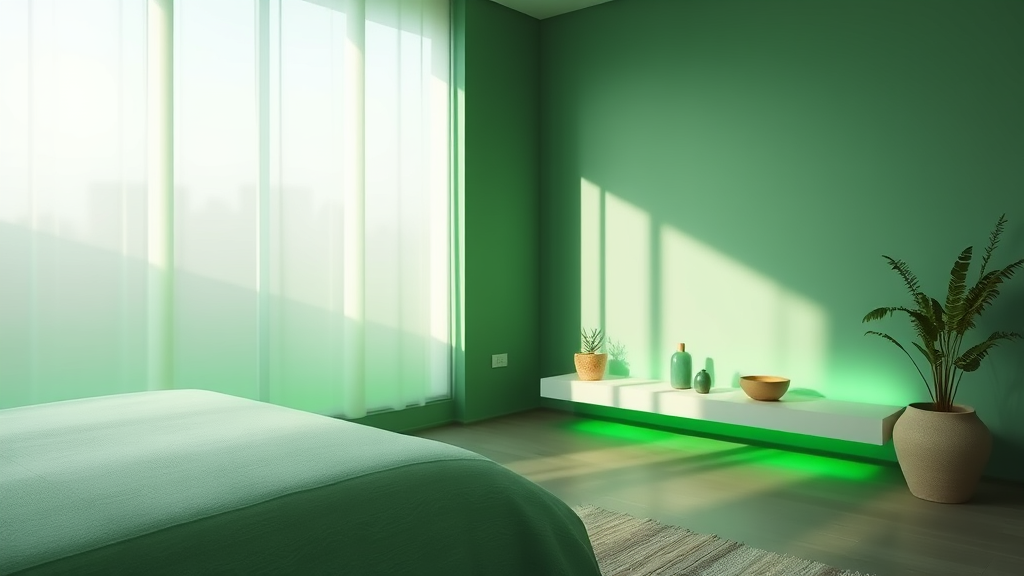
Creating a dedicated space for green light therapy can enhance its effectiveness and make it easier to maintain consistency. This doesn’t require a large area – even a comfortable chair near a window or in a quiet corner can serve as your therapy space. The key is to choose a location where you can relax without distractions and where the therapy device can be positioned safely and effectively.
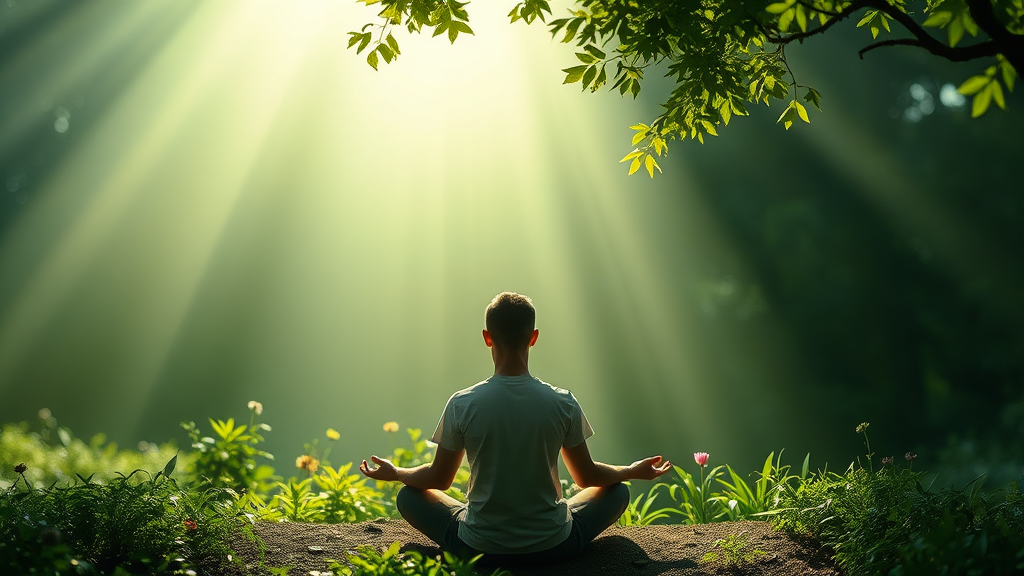
Many individuals find success in combining green light therapy with other wellness practices such as meditation, gentle yoga, or breathing exercises. This multi-modal approach can amplify the benefits of each practice, creating a synergistic effect that promotes deeper relaxation and more profound mental clarity. The calming influence of green light can make it easier to settle into meditative states or maintain focus during mindfulness practices.
For families, green light therapy can become a shared wellness activity that benefits multiple household members simultaneously. Children often respond particularly well to the gentle, non-invasive nature of the therapy, and it can be an excellent tool for helping anxious or hyperactive children develop better self-regulation skills. Family therapy sessions can also model healthy stress management techniques and create positive associations with self-care practices.
Safety Considerations and Best Practices
While green light therapy is generally considered safe for most individuals, following proper safety guidelines ensures optimal results and prevents any potential adverse effects. The Mayo Clinic recommends that individuals with certain eye conditions or those taking medications that increase light sensitivity consult with healthcare providers before beginning light therapy treatments.
Proper eye protection and usage guidelines are essential for safe green light therapy practice. While the therapy doesn’t require staring directly into the light source, it’s important to ensure that the light enters your visual field naturally. Some individuals may experience mild eye fatigue if sessions are too long or if they position themselves too close to the light source. Starting with shorter sessions and gradually increasing duration can help prevent this issue.
Quality of equipment plays a crucial role in both safety and effectiveness. Reputable manufacturers provide devices that emit consistent, properly calibrated wavelengths without harmful UV radiation or excessive heat generation. When selecting a green light therapy device, look for products that have been tested for safety and efficacy, and avoid cheaply made alternatives that may not provide therapeutic benefits or could potentially cause harm.
Individuals with certain medical conditions, including bipolar disorder, epilepsy, or severe depression, should consult with mental health professionals before beginning green light therapy. While the therapy is generally well-tolerated, these conditions may require specialized treatment approaches or medical supervision to ensure that light therapy complements rather than interferes with existing treatment plans.
According to the American Psychological Association, light therapies can be valuable adjunctive treatments for various mental health conditions, but they should not replace professional mental health care when serious symptoms are present. Green light therapy works best as part of a comprehensive approach to wellness that may include other therapeutic modalities as needed.
Frequently Asked Questions
How long does it take to see results from green light therapy?
Many individuals notice immediate relaxation effects during or shortly after their first green light therapy session. However, more substantial and lasting benefits typically develop over 2-4 weeks of consistent use. For optimal results, most practitioners recommend daily sessions of 15-20 minutes. The timeline can vary based on individual factors such as stress levels, overall health, and consistency of use.
Can green light therapy help with sleep problems?
Yes, green light therapy can indirectly improve sleep quality by reducing stress and anxiety levels that often interfere with restful sleep. Unlike blue light which can disrupt circadian rhythms, green light promotes relaxation without affecting natural sleep-wake cycles. Many users find that evening sessions help them wind down more effectively, leading to easier sleep onset and more restful nights.
Is green light therapy safe for children?
Green light therapy is generally safe for children when used appropriately and under adult supervision. The gentle, non-invasive nature of the therapy makes it suitable for young users, and it can be particularly helpful for children dealing with anxiety, hyperactivity, or difficulty focusing. However, sessions should be shorter for children (10-15 minutes) and parents should consult with pediatric healthcare providers if their child has any existing eye conditions or medical concerns.
What’s the difference between green light therapy and other colored light therapies?
Each color of light affects the body differently due to varying wavelengths. Green light specifically targets relaxation and stress reduction by influencing the parasympathetic nervous system and GABA production. Red light therapy focuses more on cellular healing and inflammation reduction, while blue light therapy is primarily used for circadian rhythm regulation and seasonal affective disorder. Green light offers unique benefits for mental clarity and calm without the potential sleep disruption associated with blue light.
Do I need special equipment for green light therapy?
While dedicated green light therapy devices provide the most consistent and effective treatment, there are various options available to suit different budgets and needs. Professional-grade LED panels offer the most comprehensive treatment, but smaller handheld devices or light boxes can also be effective. When choosing equipment, look for devices that specify the wavelength (around 520-530 nanometers for optimal green light therapy) and have been tested for safety and efficacy.
Can I use green light therapy if I’m taking medications?
Green light therapy is generally compatible with most medications, but individuals taking photosensitizing drugs or medications that affect light sensitivity should consult with their healthcare providers before beginning treatment. Certain medications used for depression, acne treatment, or other conditions can increase sensitivity to light. Your doctor can help determine whether green light therapy is appropriate for your specific situation and medication regimen.
How does green light therapy compare to traditional stress management techniques?
Green light therapy offers several advantages over traditional stress management approaches. It requires minimal time commitment, works quickly, and doesn’t require learning new skills or techniques. Unlike meditation or breathing exercises, which require active participation and practice to master, green light therapy provides passive benefits that can be experienced while engaging in other quiet activities. However, it works best when combined with other wellness practices rather than as a complete replacement for traditional stress management techniques. Research from Psychology Today suggests that light therapies can be valuable complements to comprehensive wellness approaches.