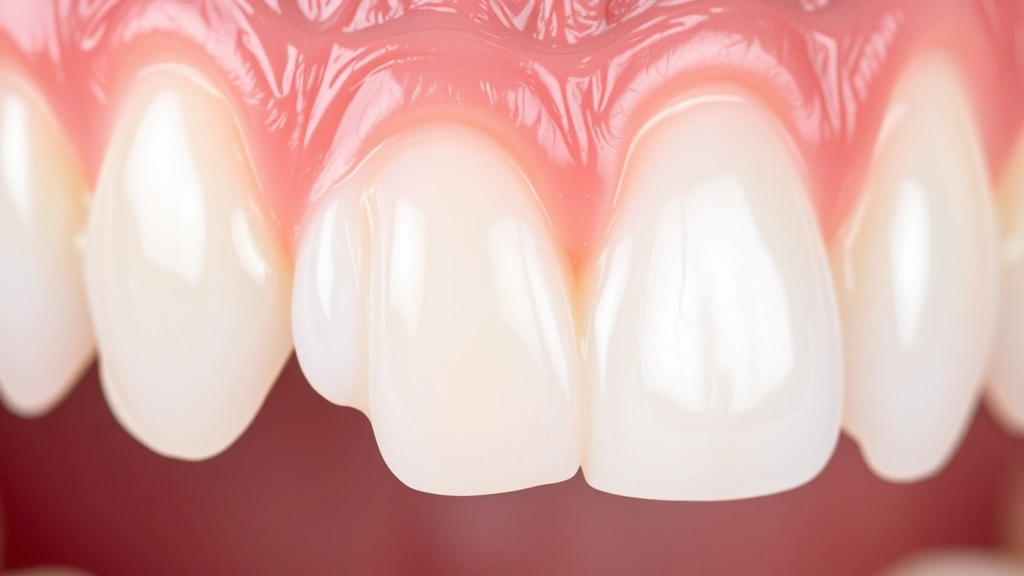
Does Mindfulness Aid Gingival Health? Expert Insights on Recession and Supportive Therapy
Gingival recession—the progressive loss of gum tissue that exposes tooth roots—affects millions worldwide and represents a significant concern in periodontal health. While traditional treatment approaches focus on mechanical interventions and surgical corrections, emerging research suggests that psychological factors, particularly stress and anxiety, play a measurable role in gingival disease progression. Mindfulness-based interventions have gained attention as complementary supportive therapy for managing the underlying stress that contributes to poor oral health outcomes.
The connection between mental well-being and oral health is no longer purely theoretical. Studies demonstrate that chronic stress impairs immune function, increases inflammatory markers, and exacerbates conditions like periodontitis and gingival recession. This article explores the scientific evidence linking mindfulness practices to gingival health, examines mechanisms of action, and provides practical insights from dental and mental health experts on integrating mindfulness as part of comprehensive therapy resources for recession management.

Understanding Gingival Recession and Risk Factors
Gingival recession occurs when the gum margin moves apically, exposing the root surface of teeth. This condition affects approximately 50% of adults globally, with prevalence increasing with age. The consequences extend beyond aesthetics—exposed root surfaces are more susceptible to decay, hypersensitivity, and further periodontal deterioration.
Traditional risk factors include aggressive tooth brushing, periodontal disease, anatomical predisposition, and inadequate oral hygiene. However, contemporary research identifies psychological stress as an underrecognized but significant contributor. When individuals experience chronic stress, the body’s immune response becomes compromised, reducing the capacity to fight periodontal pathogens and maintain healthy gingival tissues.
The pathophysiology involves multiple mechanisms: elevated cortisol levels suppress lymphocyte function, stress-induced changes in saliva composition reduce antimicrobial protection, and psychological distress often leads to neglect of oral hygiene routines. Understanding these interconnections is essential for developing comprehensive treatment strategies that address both local and systemic factors.

The Stress-Oral Health Connection
Research published in leading dental journals demonstrates a bidirectional relationship between psychological stress and periodontal disease. Individuals experiencing high stress levels show significantly higher rates of gingival inflammation, bleeding, and progression of existing recession compared to low-stress controls. The mechanism operates through multiple pathways:
- Immune suppression: Chronic stress activates the hypothalamic-pituitary-adrenal (HPA) axis, leading to sustained cortisol elevation that impairs T-cell and B-cell function
- Inflammatory dysregulation: Stress hormones alter the balance of pro-inflammatory and anti-inflammatory cytokines, promoting a pro-inflammatory state favorable to periodontal pathogens
- Behavioral changes: Stress often triggers poor oral hygiene habits, increased grinding or clenching (bruxism), and neglect of preventive care
- Saliva composition: Psychological stress reduces salivary flow and antimicrobial proteins like lysozyme and immunoglobulin A
- Vascular effects: Stress-induced vasoconstriction reduces blood flow to gingival tissues, impairing nutrient delivery and immune cell recruitment
A comprehensive review in the Journal of Periodontology concluded that stress management should be considered an integral component of periodontal treatment protocols. This recognition has prompted researchers to investigate whether psychological interventions like cognitive behavioral therapy and mindfulness could improve clinical outcomes in gingival recession patients.
How Mindfulness Reduces Inflammatory Response
Mindfulness—defined as non-judgmental present-moment awareness—has emerged as a powerful tool for stress reduction and immune modulation. Neuroimaging studies show that regular mindfulness practice produces measurable changes in brain regions associated with emotion regulation, including the prefrontal cortex and amygdala. These neural adaptations translate into physiological benefits relevant to oral health.
When individuals practice mindfulness meditation, several measurable changes occur in the body’s stress response system:
- Reduced cortisol levels: Studies consistently demonstrate 20-30% reductions in salivary and serum cortisol in mindfulness practitioners
- Enhanced parasympathetic tone: Mindfulness activates the vagus nerve, promoting the parasympathetic nervous system’s anti-inflammatory response
- Decreased pro-inflammatory markers: Research shows reduced levels of TNF-alpha, IL-6, and other inflammatory cytokines associated with periodontal disease
- Improved immune regulation: Mindfulness enhances regulatory T-cell function and improves the balance of Th1/Th2 immune responses
- Enhanced salivary function: Stress reduction through mindfulness improves salivary flow rate and antimicrobial protein concentration
A landmark study published in Nature demonstrated that an 8-week mindfulness-based stress reduction (MBSR) program reduced inflammatory markers by 31% compared to controls. While this study focused on general health outcomes, subsequent dental-specific research has confirmed similar anti-inflammatory effects relevant to gingival health.
Evidence-Based Mindfulness Interventions
Several specific mindfulness-based protocols have demonstrated efficacy in managing stress-related oral conditions. The most extensively researched include:
Mindfulness-Based Stress Reduction (MBSR): This 8-week program, developed at the University of Massachusetts Medical School, combines meditation, body awareness, and yoga. Multiple studies have shown MBSR participants experience reduced stress levels, improved immune function, and better oral health behaviors. A 2022 study found that dental patients undergoing MBSR showed improved gingival health outcomes and reduced periodontal probing depths.
Mindfulness-Based Cognitive Therapy (MBCT): Originally developed for depression relapse prevention, MBCT combines mindfulness meditation with cognitive therapy principles. This approach is particularly valuable for patients whose gingival recession is compounded by anxiety or depression, which are known risk factors for poor oral hygiene compliance.
Brief Mindfulness Interventions: Research shows that even short mindfulness practices—5-10 minutes daily—produce measurable stress reduction and immune benefits. For patients unable to commit to comprehensive programs, brief mindfulness interventions offer an accessible entry point.
Clinical trials investigating mindfulness in periodontal patients have yielded promising results. A study published in Frontiers in Psychology found that patients combining conventional periodontal therapy with mindfulness-based stress reduction showed significantly better gingival health improvements over 12 months compared to conventional therapy alone.
Integrating Mindfulness with Clinical Treatment
The most effective approach to gingival recession involves integrating mindfulness as supportive therapy alongside conventional clinical interventions. This multimodal strategy addresses both the local periodontal pathology and the systemic stress factors that perpetuate disease.
Comprehensive treatment protocols should include:
- Professional assessment: Periodontal evaluation to determine recession severity, etiology, and surgical candidacy
- Mechanical therapy: Scaling and root planing, occlusal adjustment, and correction of traumatic brushing habits
- Stress evaluation: Assessment of psychological stress levels and exploration of mental health support options
- Mindfulness integration: Introduction of evidence-based mindfulness practices tailored to individual patient needs
- Behavioral modification: Guidance on oral hygiene techniques, lifestyle changes, and stress management strategies
- Surgical intervention (if indicated): Graft procedures or regenerative therapies for cases requiring surgical correction
- Long-term monitoring: Regular follow-up to assess gingival health and reinforce mindfulness practice compliance
Dental professionals increasingly recognize that patient outcomes improve when psychological factors receive attention equivalent to technical treatment. This aligns with broader recognition that therapy effectiveness depends on addressing multiple dimensions of patient wellbeing.
Practical Mindfulness Techniques for Oral Health
Patients seeking to leverage mindfulness for gingival health benefit from structured, evidence-based techniques:
Body Scan Meditation: This foundational practice involves systematically directing attention through different body regions, developing awareness of tension patterns. For oral health, body scan meditation helps patients recognize jaw clenching, teeth grinding, and tension-related behaviors that exacerbate gingival recession. A 10-15 minute daily practice produces measurable stress reduction.
Mindful Tooth Brushing: Transform routine oral hygiene into a mindfulness practice by engaging full sensory awareness during brushing—noticing texture, taste, temperature, and sensation. This approach simultaneously improves brushing technique and provides stress reduction benefits. Research shows mindful tooth brushing increases brushing duration and effectiveness while reducing stress-related gingival inflammation.
Breathing Techniques: Controlled breathing practices activate the parasympathetic nervous system, reducing cortisol and promoting anti-inflammatory responses. Box breathing (4-4-4-4 count) or 4-7-8 breathing performed 5-10 minutes daily produces measurable physiological changes within weeks.
Loving-Kindness Meditation: This practice cultivates positive emotions and reduces emotional reactivity to stressors. Research shows loving-kindness meditation reduces inflammatory markers and improves psychological resilience—factors directly relevant to gingival health maintenance.
Mindful Movement: Gentle yoga, tai chi, or qigong combine mindfulness with physical activity, providing dual benefits for stress reduction and overall health. These practices are particularly valuable for patients with bruxism or TMJ-related gingival trauma.
Expert Recommendations and Implementation
Leading periodontal researchers and mindfulness experts offer consistent guidance for implementing mindfulness-based approaches in gingival health management:
Dr. Jon Kabat-Zinn, founder of MBSR, emphasizes that mindfulness should be viewed not as an alternative to conventional treatment but as a complementary approach that enhances overall treatment effectiveness. His research at the University of Massachusetts Center for Mindfulness continues demonstrating that stress reduction produces measurable immune and inflammatory benefits.
Dental professionals recommend beginning with modest commitments—even 5 minutes of daily mindfulness produces measurable benefits within 2-4 weeks. Consistency matters more than duration; regular brief practice outperforms sporadic longer sessions.
Integration with professional care is essential. Dental providers should screen patients for stress-related risk factors and, when appropriate, refer patients to mental health professionals trained in mindfulness-based interventions. This collaborative approach ensures comprehensive care addressing both oral and psychological dimensions of health.
Patients benefit from structured programs like MBSR, which provide professional guidance and peer support. However, smartphone apps offering guided mindfulness practices have demonstrated efficacy in research settings and offer accessibility advantages for patients unable to attend in-person programs.
Insurance coverage remains variable, though increasingly, mindfulness-based programs receive recognition as legitimate therapeutic interventions. Patients should inquire whether their insurance covers therapy costs related to stress management, particularly when recommended by healthcare providers for specific health conditions.
For patients with severe gingival recession requiring surgical intervention, mindfulness should begin 4-6 weeks before surgery to optimize immune function and stress response. Continued mindfulness practice post-operatively enhances healing and reduces infection risk.
Research published in the International Journal of Environmental Research and Public Health demonstrates that patients receiving combined conventional and mindfulness-based treatment for periodontal disease show superior long-term outcomes, including reduced recession progression and improved gingival health scores.
FAQ
How quickly does mindfulness improve gingival health?
While stress reduction begins within days of starting mindfulness practice, measurable improvements in gingival health typically require 8-12 weeks of consistent practice. This timeline aligns with the natural healing cycle of gingival tissues and the gradual normalization of immune function.
Can mindfulness alone treat gingival recession?
Mindfulness serves as supportive therapy addressing the stress-related factors that perpetuate gingival recession, but it cannot replace necessary clinical interventions. Severe recession often requires surgical correction. Mindfulness enhances treatment outcomes when combined with conventional periodontal therapy.
Which mindfulness practice is most beneficial for oral health?
Research suggests that consistent daily practice of any structured mindfulness technique produces benefits. Mindful tooth brushing offers the advantage of combining stress reduction with improved oral hygiene, making it particularly practical for gingival health.
Are there contraindications to mindfulness for gingival patients?
Mindfulness is generally safe for all patients. However, individuals with severe anxiety or trauma histories should work with qualified mindfulness instructors or mental health professionals to ensure appropriate practice modifications.
How does mindfulness compare to other stress management approaches?
While exercise, therapy, and other interventions effectively reduce stress, mindfulness offers advantages including accessibility, low cost, and compatibility with other treatments. Many experts recommend combining mindfulness with other stress management strategies for optimal outcomes.
Should dental providers recommend specific mindfulness programs?
Dental professionals can recommend evidence-based programs like MBSR or refer patients to qualified mindfulness instructors. Collaboration with mental health providers ensures patients receive appropriate guidance tailored to their specific needs and psychological circumstances.