
Can Mindfulness Halt Gum Recession? Expert Opinions on Gingival Recession Supportive Therapy
Gum recession, medically known as gingival recession, affects millions of people worldwide and can lead to tooth sensitivity, aesthetic concerns, and potential tooth loss if left untreated. While traditional dental interventions like scaling, root planing, and surgical grafts remain the gold standard, emerging research suggests that mindfulness and stress-reduction techniques may play a supportive role in managing this condition. The connection between mental health and oral health has become increasingly evident, prompting dental professionals to explore holistic approaches alongside conventional treatments.
The question of whether mindfulness can halt gum recession is nuanced. While mindfulness alone cannot reverse existing gingival recession, evidence suggests it can be a valuable gingival recession supportive therapy that complements traditional dental care. By reducing stress, improving oral hygiene habits, and promoting overall wellness, mindfulness-based interventions may help prevent further recession and support the healing process. This comprehensive guide examines expert opinions, scientific evidence, and practical applications of mindfulness in managing gum health.
Understanding Gingival Recession and Its Causes
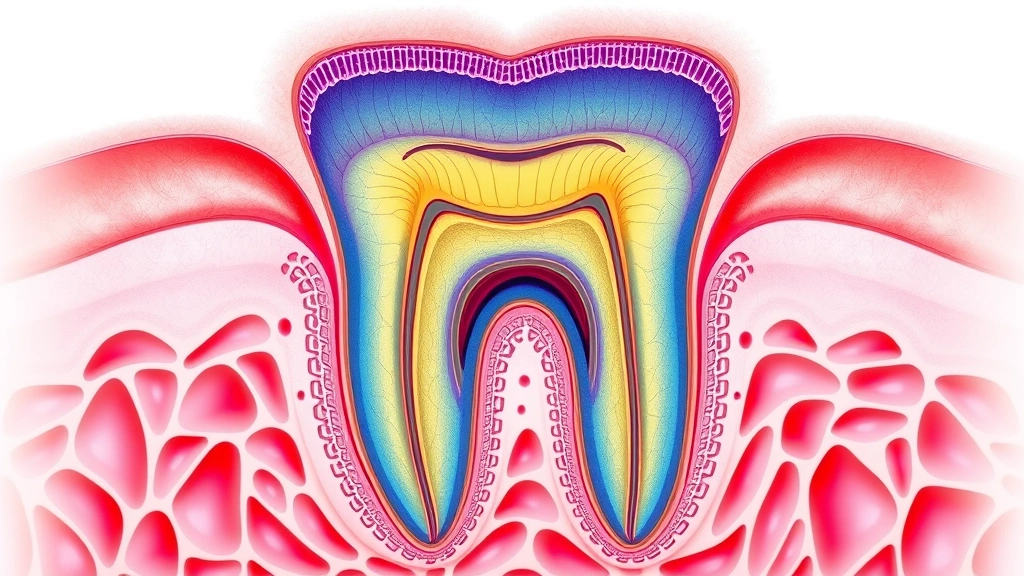
Gingival recession occurs when the gum tissue surrounding teeth wears away or pulls back, exposing the root surface. This condition can range from mild to severe and may affect one tooth or multiple teeth. The exposed root becomes vulnerable to decay, sensitivity, and further deterioration. Understanding the underlying causes is essential for developing effective treatment strategies.
The primary causes of gum recession include:
- Aggressive tooth brushing: Using a hard-bristled toothbrush or applying excessive force damages delicate gum tissue
- Periodontal disease: Bacterial infections destroy the supporting structures of teeth
- Genetic predisposition: Some individuals naturally have thinner or more fragile gum tissue
- Tobacco use: Smoking and smokeless tobacco products impair gum health and healing
- Hormonal changes: Pregnancy, menopause, and hormonal imbalances affect gum tissue integrity
- Misaligned teeth: Crooked teeth create uneven pressure on gums
- Chronic stress: Elevated cortisol levels compromise immune function and gum health
Traditional treatment approaches include professional scaling and root planing, antimicrobial rinses, and surgical grafting procedures. However, these interventions address the physical manifestations rather than underlying systemic factors like stress and lifestyle habits. This gap has led researchers and clinicians to investigate complementary approaches such as mindfulness-based stress reduction techniques as part of comprehensive gum disease management.
The Stress-Gum Disease Connection
The relationship between psychological stress and periodontal disease has been extensively documented in scientific literature. When individuals experience chronic stress, their bodies release elevated levels of cortisol and other stress hormones that suppress immune function. This immunosuppression creates an environment where periodontal pathogens can proliferate more easily, exacerbating gum inflammation and recession.
Research published in the Journal of Periodontology demonstrates that stressed individuals show significantly higher rates of periodontal disease progression compared to their non-stressed counterparts. The mechanism involves multiple pathways: stress hormones reduce saliva production, impair wound healing, decrease antibody production, and promote pro-inflammatory cytokine release. Additionally, stressed individuals often engage in harmful coping behaviors such as teeth grinding (bruxism), which places excessive mechanical stress on the periodontium.
Chronic stress also affects oral hygiene compliance. Individuals experiencing high stress levels frequently neglect their oral care routines, leading to increased plaque accumulation and gum inflammation. This creates a vicious cycle where stress impairs both the biological capacity to maintain gum health and the behavioral motivation to practice preventive care. Breaking this cycle requires addressing not only the local dental factors but also the systemic stress response.
The connection between setting effective therapy goals in stress management and achieving better oral health outcomes has become increasingly recognized by integrated healthcare providers. When patients establish clear objectives for stress reduction, they simultaneously improve their periodontal prognosis.
Mindfulness as Supportive Therapy
Mindfulness—defined as non-judgmental awareness of present-moment experiences—offers a scientifically-supported approach to stress reduction that can serve as valuable gingival recession supportive therapy. Unlike pharmaceutical interventions, mindfulness-based approaches address the root causes of stress-induced periodontal disease by modulating the nervous system and promoting behavioral changes.
The mechanisms through which mindfulness supports gum health include:
- Nervous system regulation: Mindfulness activates the parasympathetic nervous system, reducing cortisol production and promoting a calm physiological state
- Immune enhancement: Lower stress levels strengthen immune function, enabling the body to better combat periodontal pathogens
- Inflammation reduction: Mindfulness decreases systemic inflammation markers, benefiting gum tissue
- Behavioral improvement: Increased awareness helps individuals adopt better oral hygiene habits and reduce harmful behaviors like teeth grinding
- Pain perception modulation: Mindfulness changes how the brain processes pain signals, reducing tooth sensitivity associated with recession
- Salivary flow enhancement: Stress reduction improves saliva production, which protects teeth and gums
Mindfulness-based stress reduction (MBSR) programs, originally developed by Jon Kabat-Zinn at the University of Massachusetts, have demonstrated effectiveness in managing various chronic conditions. When adapted for periodontal health, these programs provide structured training in meditation, body awareness, and mindful movement that directly address stress-related gum disease.
Scientific Evidence and Research Findings
While research specifically examining mindfulness and gingival recession remains limited, substantial evidence supports the connection between stress reduction and improved periodontal health. A comprehensive review published in Frontiers in Oral Health found that psychological interventions significantly reduce periodontal disease severity in clinical trials.
Key research findings include:
- Stress biomarker reduction: Studies demonstrate that mindfulness practice lowers salivary cortisol levels by 20-30%, improving immune capacity
- Periodontal inflammation decrease: Patients practicing mindfulness show reduced gingival inflammation markers including interleukin-6 and tumor necrosis factor-alpha
- Plaque and bleeding reduction: Regular mindfulness practitioners maintain better oral hygiene, resulting in lower plaque scores and reduced gingival bleeding
- Healing acceleration: Stress-reduced patients show faster healing after periodontal procedures
- Bruxism reduction: Mindfulness decreases teeth grinding frequency, reducing mechanical stress on gums
A study in the Journal of Clinical Periodontology found that patients receiving cognitive-behavioral therapy alongside conventional periodontal treatment experienced superior outcomes compared to those receiving treatment alone. This research supports the integration of psychological interventions with traditional dental care, establishing mindfulness as a legitimate therapy resource for periodontal management.
Research from the National Institutes of Health confirms that mindfulness-based interventions produce measurable changes in brain regions associated with stress regulation, providing neurobiological support for their effectiveness in managing stress-related oral health conditions.

Expert Opinions from Dental Professionals
Leading periodontists and dental researchers increasingly recognize the value of integrating mindfulness into comprehensive gum disease management. Dr. Salim Taba, a prominent periodontist and researcher, emphasizes that while mindfulness cannot reverse existing gingival recession, it represents an essential component of preventive strategy and supportive care.
Experts highlight several important considerations:
Mindfulness as Complementary, Not Alternative: Dental professionals universally agree that mindfulness should complement, not replace, evidence-based dental treatments. Patients with significant gingival recession still require professional scaling, root planing, and potentially surgical intervention. Mindfulness serves to optimize outcomes and prevent progression.
Individual Variability: Expert consensus acknowledges that mindfulness effectiveness varies among individuals. Patients with high stress sensitivity and stress-related bruxism typically show greater benefits from mindfulness-based interventions compared to those whose recession stems primarily from mechanical trauma or genetic factors.
Integration with Treatment Plans: Progressive dental practices now incorporate stress assessment and mindfulness recommendations into comprehensive treatment plans. This holistic approach addresses multiple causative factors simultaneously, improving overall prognosis.
Patient Compliance and Motivation: Mindfulness improves treatment compliance by enhancing patient awareness and motivation. Patients who develop regular mindfulness practices demonstrate better adherence to oral hygiene protocols and professional maintenance appointments.
The American Academy of Periodontology increasingly recognizes psychological factors in periodontal disease etiology, leading to recommendations that periodontal treatment plans address stress management. This represents a significant shift toward integrated oral healthcare that acknowledges the mind-body connection.
Practical Mindfulness Techniques for Gum Health
For individuals seeking to implement mindfulness as part of their therapy and wellness routine, several evidence-based techniques specifically support gum health:
Mindful Tooth Brushing: Transform daily brushing into a mindfulness practice by focusing complete attention on the sensation of the brush, the texture of teeth, and the gentle movement of gums. This heightened awareness naturally reduces aggressive brushing force and improves technique. Brush for two minutes with intentional, gentle circular motions, fully present with the experience.
Breath Awareness Meditation: Dedicate 10-15 minutes daily to focusing on natural breathing. This foundational practice activates the parasympathetic nervous system, reducing cortisol production. As stress hormones decrease, immune function strengthens and periodontal inflammation diminishes.
Body Scan Meditation: Practice progressive awareness of physical sensations from head to toe, including the mouth and jaw. This technique identifies areas of tension, particularly jaw clenching, and promotes relaxation of the masseter and temporalis muscles that contribute to bruxism.
Mindful Eating: Consume meals slowly, focusing on flavors, textures, and the eating process. This reduces stress during meals and promotes better digestion while protecting gum tissue from aggressive chewing patterns.
Loving-Kindness Meditation: This practice cultivates positive emotions and reduces inflammatory cytokines. Regular practice decreases systemic inflammation that contributes to periodontal disease progression.
Yoga and Mindful Movement: Gentle yoga practices combine physical activity with mindfulness, reducing stress while improving overall circulation and immune function. Certain poses specifically promote relaxation of facial and jaw muscles.
For comprehensive guidance on developing sustainable mindfulness practices, consult resources on therapeutic approaches to wellness or consider working with a mindfulness instructor certified through established programs.
Integrating Mindfulness with Professional Treatment
The most effective approach to managing gingival recession combines professional dental care with mindfulness-based supportive therapy. This integrated strategy addresses both local dental factors and systemic stress-related contributors.
Comprehensive Assessment: The process begins with thorough evaluation of recession severity, causative factors, and psychological stress levels. Dentists should assess whether stress plays a significant role in the patient’s condition, as this determines the emphasis placed on mindfulness interventions.
Treatment Sequencing: For patients with significant stress burden, consider initiating mindfulness training before or concurrent with intensive dental procedures. Reduced stress improves healing capacity and treatment outcomes. Patients practicing mindfulness for 4-6 weeks prior to periodontal surgery show superior healing responses.
Patient Education: Educate patients about the stress-periodontal disease connection and explain how mindfulness supports their dental health. This understanding increases motivation and compliance with both mindfulness practice and oral hygiene protocols.
Monitoring and Adjustment: Track periodontal health markers (bleeding on probing, pocket depth, recession progression) alongside stress indicators. This data-driven approach demonstrates mindfulness effectiveness and allows treatment plan refinement.
Collaborative Care: Consider referrals to stress management specialists, therapists, or mindfulness instructors when patients struggle with stress-related dental disease. Integrated healthcare teams produce superior outcomes. Understanding therapy cost considerations helps patients access appropriate psychological support.
Professional recommendations increasingly emphasize that managing gingival recession requires addressing not only mechanical and microbial factors but also the psychological and physiological stress responses that compromise periodontal health. Mindfulness provides an evidence-based, accessible, and sustainable approach to addressing these systemic factors.
Frequently Asked Questions
Can mindfulness alone reverse gingival recession?
No, mindfulness cannot reverse existing gingival recession. However, it can prevent further recession progression and support healing when combined with professional dental treatment. Mindfulness addresses stress-related factors that contribute to recession while professional interventions directly treat the condition.
How long does mindfulness practice take to affect gum health?
Research suggests that consistent mindfulness practice for 8-12 weeks produces measurable improvements in stress biomarkers and periodontal inflammation. However, individual responses vary. Some patients notice reduced jaw tension and improved oral hygiene habits within 2-4 weeks.
Is mindfulness appropriate for all types of gingival recession?
Mindfulness is most beneficial for recession related to stress, bruxism, or aggressive brushing. Recession stemming primarily from genetic factors or severe periodontal disease may require more intensive professional intervention, though mindfulness still provides supportive benefits.
What is the best mindfulness practice for gum health?
Combining multiple practices produces optimal results. A routine including daily breath awareness meditation (10-15 minutes), mindful tooth brushing, and stress-reduction techniques provides comprehensive support for periodontal health.
Should I stop professional dental treatment if I practice mindfulness?
Absolutely not. Mindfulness should complement, not replace, professional dental care. Continue regular dental visits, maintain prescribed treatments, and practice mindfulness as an additional supportive measure.
Can mindfulness help with tooth sensitivity from recession?
Yes. Mindfulness reduces stress-related tooth grinding and tension while modulating pain perception. Additionally, stress reduction improves saliva production, which provides natural protection against sensitivity.
How do I know if stress is contributing to my gum recession?
If your recession is accompanied by jaw tension, teeth grinding, or worsens during stressful periods, stress likely plays a significant role. Discuss stress factors with your dentist to determine whether mindfulness would benefit your specific situation.