Gene Therapy: Hope for Sanfilippo Syndrome? Experts Weigh In
Sanfilippo syndrome represents one of the most devastating lysosomal storage disorders affecting children worldwide, characterized by progressive neurological decline that typically begins in early childhood. This rare genetic condition, caused by mutations in genes responsible for breaking down heparan sulfate, has long presented a therapeutic challenge to the medical community. However, recent breakthroughs in gene therapy for Sanfilippo syndrome have sparked renewed hope among families, researchers, and clinicians who have watched this condition rob children of their cognitive abilities, motor function, and ultimately their lives.
The emergence of innovative gene therapy approaches represents a paradigm shift in how we approach previously untreatable genetic disorders. Unlike traditional symptom management strategies, gene therapy targets the root cause of Sanfilippo syndrome by attempting to restore or replace the defective genes responsible for the disease. This article explores the current landscape of gene therapy development for Sanfilippo syndrome, examining what experts say about its potential, the challenges that remain, and what families can realistically expect from these emerging treatments.

Understanding Sanfilippo Syndrome
Sanfilippo syndrome, also known as mucopolysaccharidosis type III (MPS III), is an autosomal recessive lysosomal storage disorder that affects approximately 1 in 70,000 births globally. The condition occurs when the body cannot properly break down heparan sulfate, a complex sugar molecule found throughout the body. Without proper enzymatic function, heparan sulfate accumulates in cells, particularly in the brain, leading to progressive neurological damage.
The syndrome is divided into four subtypes—A, B, C, and D—based on which enzyme is deficient. Type A is the most common and typically the most severe, with symptoms often appearing between ages two and six. Children with Sanfilippo syndrome usually develop normally during infancy, but then experience developmental regression, behavioral problems, cognitive decline, sleep disturbances, and progressive motor dysfunction. The disease trajectory is relentless, with most children losing the ability to walk, speak, and care for themselves before reaching adolescence.
Currently, treatment options are limited to supportive care including physical therapy for kids, occupational therapy, and behavioral management strategies. While these interventions can improve quality of life, they do not slow or stop the underlying disease progression. This reality has made the development of disease-modifying therapies like gene therapy critically important for affected families.
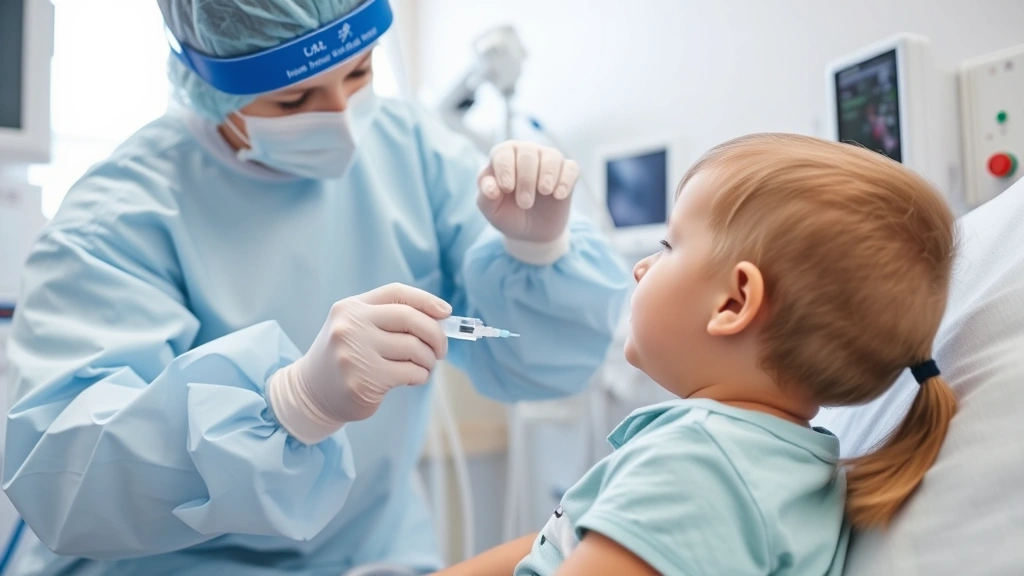
Gene Therapy Basics and Mechanisms
Gene therapy works by delivering functional copies of defective genes into patient cells, allowing those cells to produce the missing or defective enzymes. For Sanfilippo syndrome, the goal is to enable cells throughout the body—particularly brain cells—to manufacture the specific enzyme that is deficient in each subtype. This restoration of enzymatic function theoretically allows cells to resume normal heparan sulfate metabolism and prevent further accumulation of this toxic material.
The primary challenge in developing gene therapy for Sanfilippo syndrome is delivering the therapeutic gene across the blood-brain barrier, which normally protects the brain from unwanted substances but also prevents many potential treatments from reaching affected neurons. Researchers have developed several delivery mechanisms to overcome this obstacle, primarily using viral vectors—modified viruses that can transport genetic material into cells without causing disease.
According to research from the National Institutes of Health, adeno-associated viruses (AAVs) and lentiviral vectors have emerged as the most promising delivery systems for neurological gene therapies. AAVs are small, relatively safe, and can cross the blood-brain barrier when administered intravenously or intrathecally. The choice of delivery method significantly impacts treatment efficacy and safety profile.
Current Gene Therapy Approaches
Several gene therapy candidates for Sanfilippo syndrome are currently in development, with varying levels of clinical advancement. The most advanced program is SB-913, developed by Sangamo Therapeutics in collaboration with leading biotechnology partners, which targets Sanfilippo syndrome type A. This in vivo gene therapy uses a modified AAV vector delivered directly into the cerebrospinal fluid via intrathecal injection.
Another significant program includes gene therapy approaches being developed for Sanfilippo syndrome type B, with multiple companies pursuing both viral and non-viral delivery strategies. Researchers are also exploring combination approaches that might enhance efficacy, such as pairing gene therapy with supportive medications or using enhanced vectors with improved brain penetration capabilities.
The therapeutic approach varies somewhat depending on the disease subtype, as each requires restoration of a different enzyme. Type A requires restoring sulfamidase activity, Type B requires restoration of alpha-N-acetylglucosaminidase, Type C requires heparan sulfate sulfatase, and Type D requires N-acetylglucosamine-6-sulfatase. This diversity of targets has necessitated tailored therapeutic approaches for each subtype.
Clinical Trials and Research Progress
Clinical trial data has provided the first concrete evidence that gene therapy can impact Sanfilippo syndrome disease progression. Early-stage trials have demonstrated measurable reductions in heparan sulfate levels in cerebrospinal fluid and improvements in cognitive and behavioral assessments in some treated patients. These results, while preliminary, represent the first disease-modifying intervention shown to affect the disease course.
A pivotal trial for SB-913 in Sanfilippo syndrome type A enrolled patients and demonstrated stabilization or slowing of cognitive decline in some participants, though results have been variable. This variability underscores an important reality: gene therapy effectiveness may depend on patient factors including age at treatment, disease severity at baseline, and genetic background. Research published in peer-reviewed journals has shown that earlier intervention tends to yield better outcomes, suggesting that early diagnosis and rapid treatment initiation may be critical success factors.
The evolution of AI-assisted drug discovery is accelerating research into optimized gene therapy vectors and delivery mechanisms. Advanced computational approaches are helping researchers design better viral vectors with improved safety profiles and enhanced blood-brain barrier penetration. These technological advances may lead to more effective therapeutic options in the coming years.
Ongoing trials continue to enroll patients and generate data on long-term safety and efficacy. The typical trial duration extends several years, as researchers need to observe whether initial improvements are sustained and whether any delayed adverse effects emerge. This extended timeline reflects the serious nature of gene therapy development and the importance of thorough safety evaluation.
Expert Perspectives on Efficacy
Leading experts in lysosomal storage disorders and gene therapy have expressed cautious optimism about the potential of gene therapy for Sanfilippo syndrome. Dr. Sandro Okada, a prominent researcher in MPS disorders, has noted that while gene therapy shows promise, it represents one tool in a broader therapeutic arsenal rather than a guaranteed cure. The heterogeneity of patient responses suggests that not all patients will benefit equally from current approaches.
Clinicians emphasize that successful implementation of gene therapy for Sanfilippo syndrome will require collaboration across multiple disciplines. Neurologists, geneticists, and specialists in therapy resources and articles must work together to identify appropriate candidates, monitor treatment response, and provide comprehensive supportive care. Some experts recommend that families also consider multidisciplinary approaches incorporating physical therapy for kids and other rehabilitative services to maximize functional outcomes.
Research from academic medical centers has begun to establish biomarkers that might predict treatment response, potentially allowing clinicians to identify which patients are most likely to benefit from available gene therapies. These predictive tools could improve patient selection and allow for more targeted, personalized treatment approaches. The field is moving toward precision medicine models where treatment decisions are based on individual patient characteristics rather than a one-size-fits-all approach.
Challenges and Limitations
Despite the promise of gene therapy, significant challenges remain. The blood-brain barrier continues to present a formidable obstacle, and current delivery mechanisms cannot guarantee therapeutic gene expression in all brain regions affected by Sanfilippo syndrome. Some neurons may not receive adequate doses of the therapeutic gene, potentially limiting treatment efficacy.
Immune responses represent another critical concern. The human immune system may recognize viral vectors as foreign invaders and mount an attack that neutralizes the therapy or causes inflammatory damage. Additionally, some patients may have pre-existing immunity to the viral vectors used in gene therapy, reducing treatment effectiveness. Researchers are actively developing strategies to manage or suppress these immune responses while maintaining safety.
The question of durability remains partially unanswered. While initial data suggests that gene therapy effects may be long-lasting, the field lacks long-term follow-up data spanning decades. It remains unclear whether a single treatment will provide lifelong benefit or whether repeat administrations might be necessary. This uncertainty impacts treatment planning and cost-benefit analyses.
Cost represents a significant practical limitation. Gene therapies, particularly those requiring intrathecal delivery and intensive monitoring, are extraordinarily expensive—often exceeding several million dollars per patient. Insurance coverage, reimbursement policies, and equitable access remain unresolved issues that could impact who benefits from these treatments.
Future Outlook and Timeline
The regulatory pathway for gene therapies in rare diseases like Sanfilippo syndrome has become more streamlined in recent years, with accelerated approval pathways and breakthrough therapy designations potentially enabling faster access to promising treatments. Several programs are expected to pursue regulatory approval within the next two to three years, though approval timelines depend on trial data generation and regulatory review processes.
Future developments may include improved viral vectors with enhanced safety and efficacy profiles, combination approaches pairing gene therapy with other disease-modifying agents, and treatments targeting additional Sanfilippo subtypes currently without approved therapies. Research into non-viral delivery mechanisms and ex vivo gene therapy approaches—where cells are modified outside the body and then reintroduced—may also expand treatment options.
The broader field of lysosomal storage disease treatment is advancing rapidly. Success in Sanfilippo syndrome gene therapy may provide a template for treating other similar disorders, potentially benefiting thousands of patients with related conditions. This success could accelerate development timelines and improve outcomes for multiple rare genetic diseases.
Support Resources for Families
Families navigating a Sanfilippo syndrome diagnosis should seek comprehensive support from multiple sources. The National Institute of Neurological Disorders and Stroke provides detailed information on the disease and ongoing research. Patient advocacy organizations dedicated to MPS disorders offer community support, educational resources, and connections to other families facing similar challenges.
Professional support services remain essential during the gene therapy era. While waiting for or pursuing gene therapy, families benefit from working with specialists in multiple disciplines. Speech therapy, occupational therapy, and speech therapy jobs near me resources can help families locate qualified professionals. Additionally, occupational therapy assistant jobs represent career opportunities for those interested in supporting patients with complex neurological conditions.
Mental health support deserves particular attention, as families caring for children with progressive neurological disorders experience significant emotional burden. Connecting with therapy for teens near me and family counseling services can help siblings and other family members process their experiences. Support groups, whether in-person or virtual, provide invaluable peer connections and practical advice from others with lived experience.
Frequently Asked Questions
What is the current status of gene therapy approval for Sanfilippo syndrome?
As of 2024, no gene therapy for Sanfilippo syndrome has received full regulatory approval, though several programs are in advanced clinical trials. SB-913 for type A Sanfilippo syndrome is one of the most advanced candidates. Regulatory decisions are expected within the coming years, contingent on trial data and agency review timelines.
How effective is gene therapy for Sanfilippo syndrome?
Current trial data shows variable effectiveness, with some patients experiencing stabilization or slowing of cognitive decline while others show more modest responses. Efficacy appears related to factors including age at treatment, baseline disease severity, and disease subtype. Early treatment generally shows more promise than late-stage intervention.
Is gene therapy a cure for Sanfilippo syndrome?
Gene therapy is not currently a proven cure, though it may substantially slow or halt disease progression if successful. Long-term outcome data are still being gathered. Even with successful gene therapy, patients may require ongoing supportive care and management of existing symptoms.
What are the side effects of gene therapy for Sanfilippo syndrome?
Potential side effects include immune responses to viral vectors, liver toxicity, thrombocytopenia, and inflammation at injection sites. Safety profiles are still being characterized through ongoing clinical trials. Most observed side effects have been manageable, though serious adverse events have occurred in some patients.
Who is eligible for gene therapy trials?
Eligibility criteria vary by trial but typically include confirmed diagnosis of Sanfilippo syndrome (specific subtype), age within a specified range, and absence of certain contraindications. Families should consult with their healthcare team and review specific trial protocols to determine eligibility.
How much will gene therapy for Sanfilippo syndrome cost?
Gene therapies are anticipated to be very expensive, potentially exceeding $2-3 million per patient. Insurance coverage and reimbursement mechanisms are still being established. Manufacturers and advocacy organizations are working on patient assistance programs and access initiatives.
When will gene therapy be available for all Sanfilippo subtypes?
Currently, most advanced development focuses on type A. Development for types B, C, and D is progressing but generally at earlier stages. Regulatory approvals and commercial availability for all subtypes may take several additional years beyond initial type A approvals.