How Physical Therapy Boosts Balance: Expert Insights
Balance is one of the most critical yet often overlooked components of physical health. Whether you’re navigating daily activities, preventing falls, or recovering from an injury, maintaining proper balance directly impacts your quality of life and independence. Physical therapy has emerged as a proven, evidence-based approach to improving balance through targeted exercises, specialized techniques, and personalized treatment plans. This comprehensive guide explores how physical therapy enhances balance, the science behind these interventions, and why seeking professional care can transform your stability and confidence.
The human balance system is remarkably complex, involving coordination between your vestibular system (inner ear), proprioception (body awareness), vision, and muscular strength. When any component falters—whether due to aging, injury, neurological conditions, or prolonged inactivity—balance deteriorates, increasing fall risk and limiting mobility. Physical therapists are specially trained to assess these systems, identify specific deficits, and implement targeted interventions that address root causes rather than symptoms alone.
Understanding Balance and Its Components
Balance isn’t a single ability but rather an integrated system involving multiple sensory and motor pathways. The vestibular system, located in your inner ear, detects head position and movement, sending crucial information to your brain about spatial orientation. Proprioception—your body’s ability to sense where it is in space—relies on specialized receptors in muscles, joints, and tendons. Vision provides visual reference points, while your musculoskeletal system generates the strength and coordination needed to maintain stability.
Age-related changes significantly impact balance capacity. Research from the National Institutes of Health indicates that balance function naturally declines with age, contributing to increased fall risk in older adults. Additionally, conditions such as vestibular disorders, stroke, Parkinson’s disease, multiple sclerosis, and even diabetes can compromise balance through various mechanisms. Understanding which component of your balance system needs attention is essential for effective treatment.
Falls represent a leading cause of injury-related death among older adults, with balance impairment being a primary risk factor. Beyond injury prevention, improving balance enhances confidence, encourages physical activity, and supports overall independence—making balance training a cornerstone of preventive healthcare and rehabilitation.
The Role of Physical Therapy in Balance Improvement
Physical therapists employ a systematic, evidence-based approach to balance enhancement that begins with comprehensive assessment and progresses through targeted intervention. Unlike generic exercise programs, physical therapy resources emphasize individualized treatment based on your specific balance deficits, medical history, and functional goals.
The therapeutic process involves several key phases. First, therapists conduct detailed evaluations using standardized tests to identify which balance system components require attention. They then design progressive exercise programs that challenge your balance in controlled, safe environments while gradually increasing difficulty. Throughout treatment, therapists provide real-time feedback, correct movement patterns, and adjust intensity based on your progress and response.
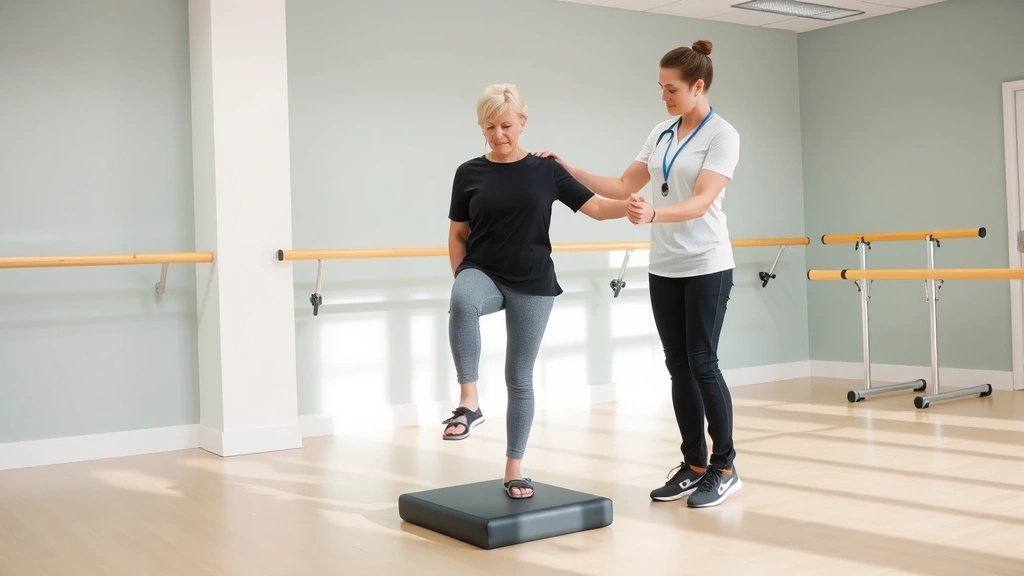
One significant advantage of professional physical therapy is the ability to safely progress beyond what individuals might achieve independently. Therapists can introduce balance challenges that would be unsafe without supervision, such as standing on unstable surfaces, performing dual-task activities, or training in various environmental conditions. This progressive challenge is crucial for neuroplasticity—your brain’s ability to reorganize and form new neural connections—which underlies long-term balance improvement.
Research published in PubMed Central consistently demonstrates that structured physical therapy interventions reduce fall risk by 20-40% in older adults and significantly improve balance measures in individuals with neurological conditions. The combination of vestibular training, proprioceptive work, strengthening, and functional task practice creates comprehensive improvements that persist long after formal therapy concludes.
Key Assessment Techniques Used by Therapists
Before implementing any balance improvement program, physical therapists employ several validated assessment tools to establish baseline function and identify specific deficits. The Berg Balance Scale measures static and dynamic balance through 14 functional tasks, providing a comprehensive overview of fall risk and balance capacity. The Timed Up and Go test assesses the time required to stand from a chair, walk ten feet, return, and sit—a simple yet powerful predictor of fall risk and functional mobility.
The Dynamic Gait Index evaluates balance during walking under various challenging conditions, including walking while turning, stepping over obstacles, and responding to visual stimuli. Tandem stance and single-leg stance tests measure static balance capacity, while Romberg testing specifically assesses vestibular and proprioceptive contributions to balance by comparing performance with eyes open versus closed.
Therapists also perform detailed movement assessments to identify compensatory patterns, weakness, or inflexibility that might compromise balance. They evaluate core strength, lower extremity power, ankle stability, and hip mobility—all foundational to effective balance control. Many clinics now incorporate computerized dynamic posturography, which uses sophisticated technology to assess balance responses in virtual environments that systematically challenge different sensory systems.
These assessments serve dual purposes: they establish objective baseline measurements and identify the specific mechanisms contributing to balance impairment. This precision allows therapists to target interventions efficiently, focusing on the most significant deficits rather than generic balance training.
Evidence-Based Balance Training Exercises
Effective balance training incorporates multiple evidence-based exercise categories, each targeting different aspects of the balance system. Vestibular training involves gaze stabilization exercises, where you maintain focus on a target while moving your head—a technique that recalibrates vestibular-ocular reflexes and reduces dizziness. Cawthorne-Cooksey exercises, a classic vestibular protocol, progress from simple head movements to complex eye-head coordination activities.
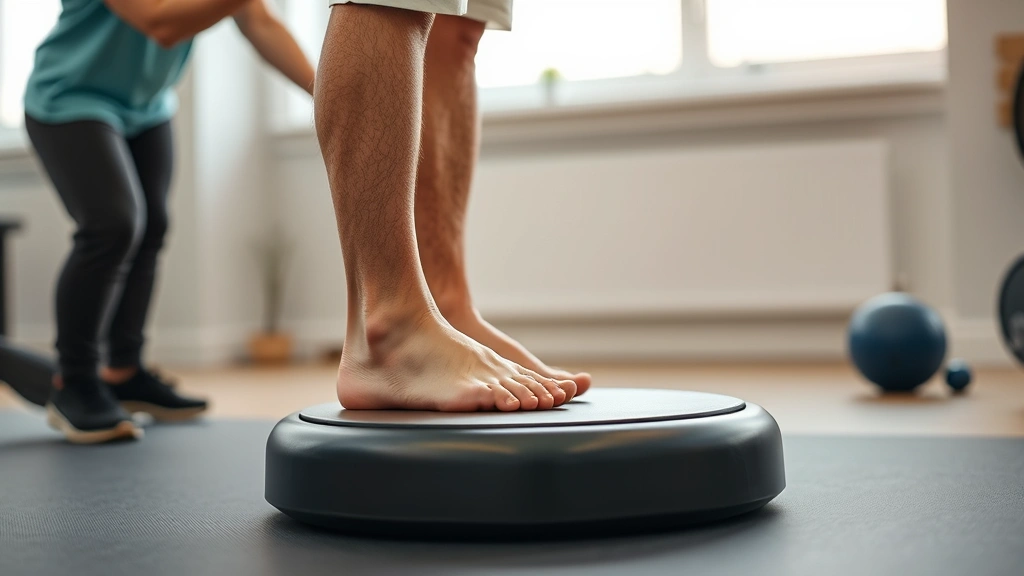
Proprioceptive training challenges your body’s spatial awareness through exercises on unstable surfaces such as foam pads, balance discs, or BOSU balls. These activities force your proprioceptive system to work harder, strengthening neural pathways that maintain awareness of body position. Research demonstrates that physical therapy treatment approaches incorporating proprioceptive work significantly improve stability in individuals with various conditions.
Strengthening exercises targeting the core, hip abductors, hip extensors, and ankle stabilizers provide the muscular foundation for balance. Weak hip abductors, for example, commonly cause lateral trunk sway during standing, compromising stability. Progressive resistance training, often combined with functional balance activities, simultaneously builds strength and improves movement patterns.
Functional task training involves practicing activities directly related to your goals—stair climbing, walking on varied surfaces, reaching while standing, or transitioning from sitting to standing. Task-specific practice leverages motor learning principles, creating neural patterns that transfer to real-world situations. Dynamic balance training, which challenges your ability to maintain stability during movement, proves particularly effective for fall prevention and functional improvement.
Dual-task training—performing balance exercises while simultaneously engaging in cognitive tasks—reflects real-world demands where balance must be maintained while thinking, talking, or monitoring the environment. This training improves your brain’s ability to allocate attention appropriately and maintains balance even under cognitive load.
Specialized Conditions and Balance Therapy
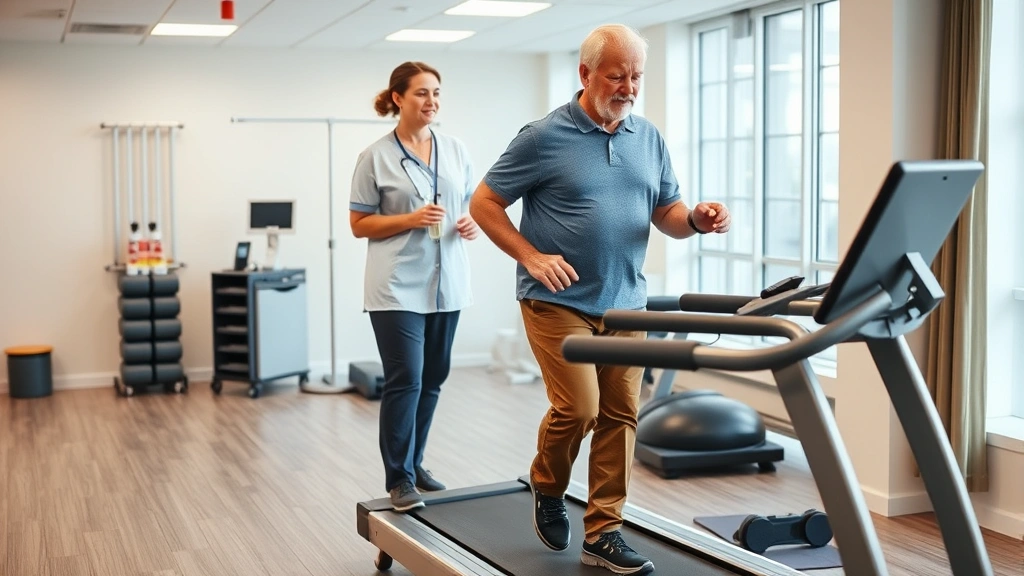
Different conditions require specialized approaches to balance improvement. Individuals recovering from stroke often experience one-sided weakness and sensory loss that severely compromise balance. Physical therapists use constraint-induced movement therapy, task-specific training, and progressive weight-shifting activities to improve balance following stroke. The neuroplasticity available in the period following stroke makes early, intensive therapy particularly valuable.
For individuals with vestibular disorders, such as benign paroxysmal positional vertigo (BPPV) or vestibular neuritis, specialized maneuvers and adaptation exercises can dramatically reduce symptoms and restore balance. The Epley maneuver, a specific head-positioning technique, treats BPPV with remarkable effectiveness. Vestibular adaptation and substitution exercises help the nervous system compensate for inner ear dysfunction.
Individuals with Parkinson’s disease face unique balance challenges due to rigidity, bradykinesia, and altered postural reflexes. Physical therapy emphasizing large, exaggerated movements, rhythmic auditory cuing, and cognitive strategies for movement initiation has proven effective. Many therapy centers now offer specialized Parkinson’s programs incorporating dance, martial arts, or other movement modalities that engage multiple neurological systems.
Older adults with general age-related balance decline benefit from comprehensive programs combining strength, flexibility, balance challenge, and functional training. Community-based programs such as Tai Chi and exercise classes specifically designed for fall prevention demonstrate significant effectiveness and offer the added benefits of social engagement and accessibility.
Individuals with diabetes often experience balance impairment due to peripheral neuropathy, which compromises proprioceptive feedback from the feet. Physical therapy targeting proprioceptive retraining, vision-based balance strategies, and careful progression of balance challenges helps compensate for sensory loss and prevent falls.
Technology and Innovation in Balance Training
Modern physical therapy increasingly incorporates technology to enhance assessment, training, and motivation. Virtual reality systems create immersive balance training environments that simulate real-world challenges in controlled settings. Patients can practice walking through crowded environments, navigating obstacles, or responding to dynamic visual scenes—all with therapist oversight ensuring safety.
Computerized balance platforms provide real-time visual feedback about center of pressure and weight distribution, helping patients understand and correct movement patterns. Force plate technology quantifies balance responses, allowing therapists to track subtle improvements and adjust intervention intensity accordingly. Recent research in Nature explores how visual and proprioceptive feedback during balance training enhances motor learning and retention.
Wearable sensors and accelerometers detect movement patterns and fall risk, enabling remote monitoring and personalized feedback. Some systems can even detect impending falls and provide alerts or stabilizing feedback. Mobile applications guide patients through home exercise programs, track compliance, and provide motivation through progress visualization and achievement recognition.
Robotic devices assist with balance training by providing dynamic perturbations—unexpected movements that challenge stability and promote adaptive responses. These technologies allow therapists to systematically vary challenge parameters while maintaining safety, enabling more efficient progress through balance training progressions.
Creating Your Balance Improvement Plan
If you’re considering physical therapy to improve balance, the first step involves scheduling an evaluation with a qualified physical therapist. During this assessment, the therapist will review your medical history, discuss your balance concerns and functional goals, and conduct detailed movement and balance testing. Be prepared to describe specific situations where balance problems occur, any falls or near-falls, and how balance impairment affects your daily life and confidence.
Following assessment, your therapist will recommend a treatment frequency and duration based on your condition severity, recovery potential, and goals. Typical programs involve 1-3 sessions weekly for 4-12 weeks, though duration varies considerably. Discussing therapy cost information with your provider ensures you understand insurance coverage and any out-of-pocket expenses.
Your home exercise program is critical to success. Therapists typically prescribe exercises to perform between sessions, reinforcing neural adaptations and accelerating progress. Consistency with home exercises often determines whether gains persist after formal therapy concludes. Your therapist will provide clear written instructions, demonstrate proper form, and establish a progression timeline for advancing exercise difficulty.
Throughout your treatment, maintain open communication with your therapist about your progress, any new symptoms, and adjustments needed to your program. Balance improvement isn’t always linear—some patients experience rapid early progress that plateaus, while others show steady gradual improvement. Your therapist can modify your program as needed to maintain progress and prevent boredom or discouragement.
Many individuals benefit from continued balance training even after formal therapy concludes. Community exercise programs, complementary therapeutic approaches, or ongoing home exercises maintain improvements and continue building resilience. Consider balance training as a lifelong practice rather than a temporary intervention—consistent attention to balance preserves function and independence throughout life.
Frequently Asked Questions
How long does it typically take to see balance improvement from physical therapy?
Most individuals notice measurable balance improvements within 2-4 weeks of consistent physical therapy, though this varies based on condition severity, age, and compliance with home exercises. Significant functional improvements often emerge within 6-8 weeks. Neurological conditions may require longer intervention periods, sometimes 12+ weeks, before substantial gains appear. Consistency matters more than duration—regular therapy produces better results than sporadic sessions.
Is physical therapy safe for older adults with significant balance problems?
Yes, physical therapy is specifically designed to safely improve balance in older adults. Therapists conduct thorough assessments to identify safe starting points and progress carefully while monitoring vital signs and responses. The controlled environment of a therapy clinic allows safe introduction of balance challenges that would be dangerous at home. In fact, appropriate physical therapy reduces fall risk significantly in older adults, making it one of the most effective fall prevention strategies available.
Can balance problems be completely resolved through physical therapy?
Outcomes depend on the underlying cause. Age-related balance decline can be substantially improved, often returning to levels similar to 10-15 years younger. Conditions like BPPV often resolve completely with appropriate treatment. However, some conditions like advanced Parkinson’s disease may not fully resolve but can be significantly improved. Your therapist can provide realistic expectations based on your specific diagnosis and circumstances.
What’s the difference between balance therapy and regular exercise?
Balance therapy specifically targets the systems controlling stability through progressive challenges, proprioceptive training, and vestibular work. Regular exercise improves general fitness but may not adequately address balance deficits. Physical therapists systematically progress balance challenges, provide real-time feedback, and modify approaches based on response—personalization that generic programs lack.
Can I do balance exercises at home without professional guidance?
Some balance exercises are safe for independent practice, particularly if you have no history of falls or dizziness. However, professional assessment first ensures you’re doing appropriate exercises correctly and safely. Many people unknowingly perform exercises incorrectly or choose inappropriate progressions. A few professional sessions can establish a safe home program you can continue independently. For individuals with significant balance impairment or fall history, professional supervision remains important throughout training.