
Walking through life with foot pain can transform simple daily activities into overwhelming challenges. Whether you’re struggling to get out of bed in the morning, dreading your commute, or finding yourself avoiding social activities because of discomfort, foot pain has a profound impact on both your physical well-being and mental health. The constant ache, sharp shooting pains, or persistent throbbing can leave you feeling frustrated, isolated, and desperate for relief.
Foot therapy offers a beacon of hope for those who have been living with chronic foot pain or recovering from injuries. This specialized approach to treatment goes beyond temporary pain relief, addressing the root causes of discomfort while promoting long-term healing and mobility. Understanding how foot therapy works and what options are available can be the first step toward reclaiming your comfort and confidence in movement.
In this comprehensive guide, we’ll explore the world of foot therapy, examining various treatment modalities, their benefits, and how they can be integrated into your overall wellness journey. From understanding the science behind these treatments to practical tips for finding the right therapist, you’ll discover how foot therapy can become a powerful tool in your pain management arsenal.
Understanding Foot Therapy: More Than Just a Massage
Foot therapy encompasses a broad range of therapeutic techniques designed to address pain, improve mobility, and promote healing in the feet and lower extremities. Unlike a simple foot massage, professional foot therapy involves systematic assessment and treatment of underlying issues that contribute to pain and dysfunction. This approach recognizes that foot problems often stem from complex interactions between muscles, joints, ligaments, and even neurological pathways.
The foundation of effective foot therapy lies in understanding the intricate anatomy of the foot, which contains 26 bones, 33 joints, and over 100 muscles, tendons, and ligaments. This complex structure bears the entire weight of your body while adapting to various surfaces and movement patterns throughout the day. When any component of this system becomes compromised, it can create a cascade of compensatory changes that lead to pain and dysfunction.
Modern foot therapy draws from multiple disciplines, including physical therapy, manual therapy, and specialized techniques like myofascial release therapy. Therapists trained in foot therapy understand how to assess gait patterns, identify muscle imbalances, and address fascial restrictions that may be contributing to pain. This comprehensive approach ensures that treatment addresses not just symptoms but the underlying causes of discomfort.
Types of Foot Therapy and Their Unique Benefits
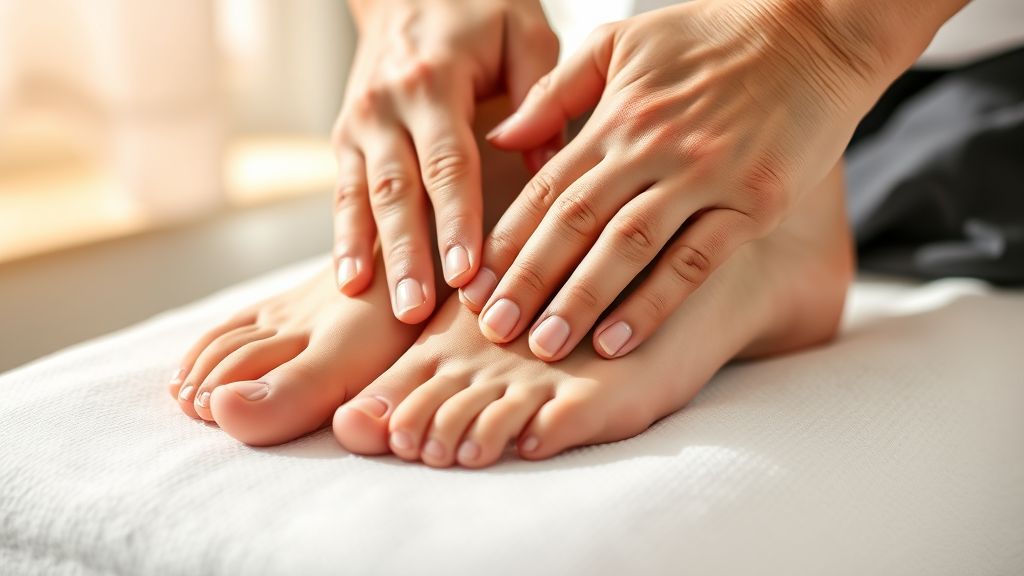
The world of foot therapy offers numerous treatment modalities, each with specific applications and benefits. Manual therapy techniques form the cornerstone of many foot therapy approaches, involving hands-on manipulation of soft tissues and joints to improve mobility and reduce pain. These techniques can include deep tissue massage, trigger point therapy, and joint mobilization, all tailored to address specific foot conditions.
Reflexology represents another popular form of foot therapy, based on the principle that specific points on the feet correspond to different organs and systems throughout the body. While the scientific evidence for reflexology’s systemic effects remains limited, many patients report significant pain relief and relaxation benefits from these treatments. The focused pressure and massage techniques used in reflexology can improve local circulation and reduce tension in the feet.
Orthotic therapy plays a crucial role in foot therapy by providing external support and correction for structural abnormalities or biomechanical issues. Custom orthotics, prescribed and fitted by qualified professionals, can redistribute pressure, correct alignment issues, and provide cushioning for sensitive areas. This approach is particularly effective for conditions like plantar fasciitis, flat feet, or high arches that create ongoing stress on foot structures.
Physical therapy approaches to foot treatment often incorporate exercise therapy, stretching protocols, and functional movement training. A physical therapy assistant working under professional supervision may guide patients through specific exercises designed to strengthen weak muscles, improve flexibility, and restore normal movement patterns. This active approach to treatment helps ensure long-term improvements rather than temporary pain relief.
Common Conditions That Respond to Foot Therapy
Plantar fasciitis stands as one of the most common conditions successfully treated through foot therapy approaches. This painful inflammation of the thick band of tissue connecting the heel bone to the toes responds well to a combination of manual therapy, stretching exercises, and orthotic support. The Mayo Clinic reports that conservative treatments like those used in foot therapy are effective for the majority of plantar fasciitis cases.
Achilles tendonitis and other tendon-related injuries benefit significantly from targeted foot therapy interventions. These conditions often develop from overuse, improper footwear, or biomechanical issues that create excessive stress on the tendons. Treatment typically involves manual therapy to address tissue restrictions, specific exercises to promote healing, and education about activity modification to prevent recurrence.
Neuropathy-related foot pain, whether from diabetes or other causes, presents unique challenges that foot therapy can help address. While the underlying nerve damage may not be reversible, therapeutic interventions can improve circulation, maintain joint mobility, and help patients develop strategies for managing symptoms. Specialized techniques for sensitive or numb feet require careful adaptation of traditional foot therapy approaches.
Athletes and active individuals often seek foot therapy for sports-related injuries and performance optimization. Conditions like stress fractures, ankle sprains, and overuse injuries respond well to targeted treatment approaches. Those seeking sports physical therapy near me may find that specialized foot therapy can be an essential component of their recovery and performance enhancement program.
The Science Behind Foot Therapy Treatments
The effectiveness of foot therapy rests on well-established physiological principles that govern tissue healing and pain management. Manual therapy techniques work by stimulating mechanoreceptors in the skin and deeper tissues, which can help modulate pain signals through the gate control theory mechanism. This neurological process essentially “closes the gate” on pain signals traveling to the brain, providing relief during and after treatment sessions.
Research published in the Journal of Physical Therapy Science demonstrates that manual therapy techniques can improve tissue flexibility, reduce inflammation, and promote healing by increasing local blood flow and lymphatic drainage. These physiological changes create an optimal environment for tissue repair while reducing the chemical mediators that contribute to pain and inflammation.
Exercise therapy components of foot treatment work by addressing muscle imbalances and movement dysfunction that contribute to ongoing problems. Strengthening weak muscles, particularly in the intrinsic foot muscles and posterior tibialis, can improve foot stability and reduce stress on painful structures. Flexibility exercises help maintain or restore normal range of motion in joints that may have become restricted due to injury or chronic conditions.

The neuroplasticity principle explains how consistent foot therapy can lead to lasting improvements in movement patterns and pain perception. Through repetitive therapeutic exercises and manual interventions, the nervous system can develop new, more efficient movement strategies that reduce stress on previously painful structures. This adaptation process requires consistent treatment and practice but can lead to long-term improvements in function and comfort.
Choosing the Right Foot Therapy Approach
Selecting appropriate foot therapy requires careful consideration of your specific condition, lifestyle factors, and treatment goals. A comprehensive evaluation should begin with a qualified healthcare provider who can assess your symptoms, medical history, and functional limitations. Understanding the difference between various therapy approaches, such as physical therapy vs occupational therapy, can help you make informed decisions about your care.
Professional credentials and specialization play crucial roles in treatment success. Look for therapists who have specific training in foot and ankle conditions, manual therapy techniques, or the particular approach you’re considering. Many physical therapists pursue additional certification in areas like orthopedic manual therapy or dry needling, which can enhance their ability to address complex foot problems effectively.
The treatment environment and available physical therapy equipment can significantly impact your therapy experience and outcomes. Modern foot therapy may incorporate advanced technologies like ultrasound therapy, electrical stimulation, or specialized exercise equipment designed specifically for foot and ankle rehabilitation. However, the most important factor remains the therapist’s skill in assessment and manual treatment techniques.
Communication and collaboration between you and your therapist form the foundation of successful treatment. A good foot therapist will take time to explain your condition, discuss treatment options, and involve you in setting realistic goals for recovery. They should also be willing to coordinate with other healthcare providers and adjust treatment approaches based on your response and feedback.
Home Care and Maintenance Between Sessions
Maximizing the benefits of foot therapy requires active participation in home care routines that support and extend the effects of professional treatment. Simple daily practices like proper foot hygiene, appropriate footwear selection, and regular stretching can significantly enhance treatment outcomes. Your therapist should provide specific instructions for home exercises and self-care techniques tailored to your condition and lifestyle.
Stretching protocols for foot therapy typically focus on the plantar fascia, Achilles tendon, and calf muscles, which play crucial roles in foot mechanics and pain development. Consistent performance of prescribed stretches can help maintain flexibility gains achieved during therapy sessions while preventing the return of restrictive tissue changes that contribute to pain and dysfunction.
Self-massage techniques using tools like tennis balls, frozen water bottles, or specialized massage devices can provide pain relief and promote circulation between therapy appointments. Learning proper self-massage techniques allows you to address minor flare-ups independently while supporting the healing process initiated during professional treatment sessions.
Activity modification and pacing strategies help protect healing tissues while maintaining an active lifestyle. Your foot therapist can help you identify activities that may be aggravating your condition and suggest modifications or alternatives that allow you to stay engaged in the activities you enjoy without compromising your recovery progress.
Integrating Foot Therapy with Overall Healthcare
Effective foot therapy often works best when integrated with a comprehensive healthcare approach that addresses all factors contributing to your pain and dysfunction. This may include coordination with podiatrists, orthopedic specialists, or other healthcare providers who can address specific medical aspects of your condition while foot therapy focuses on functional improvement and pain management.
For pediatric patients, specialized approaches like pediatric physical therapy may be necessary to address developmental issues or congenital conditions affecting the feet. Children’s growing bodies require different treatment approaches and considerations than adult patients, making specialized training and experience essential for optimal outcomes.
Medication management often plays a complementary role in foot therapy treatment plans. Anti-inflammatory medications, when used appropriately and under medical supervision, can help reduce pain and inflammation during the initial phases of treatment, allowing for more effective therapeutic interventions. However, the goal is typically to reduce reliance on medications as function improves through therapy.
The American Psychological Association recognizes that chronic pain conditions, including foot pain, often have psychological components that may benefit from counseling or pain psychology services. Integrating mental health support with physical therapy can address pain-related anxiety, depression, or fear avoidance behaviors that may be impeding recovery progress.
Frequently Asked Questions
How long does it typically take to see results from foot therapy?
Most patients begin experiencing some pain relief within the first few sessions of foot therapy, often within 1-3 treatments. However, significant functional improvements typically require 4-8 weeks of consistent treatment, depending on the severity and chronicity of the condition. Acute injuries may respond more quickly than chronic conditions that have been present for months or years. Your therapist will provide realistic timelines based on your specific situation during the initial evaluation.
Is foot therapy covered by insurance?
Coverage for foot therapy varies depending on your insurance plan and the specific type of treatment recommended. Physical therapy services for foot conditions are typically covered when prescribed by a physician and deemed medically necessary. However, some complementary approaches like reflexology may not be covered by traditional health insurance. It’s important to check with your insurance provider and healthcare team to understand your coverage options before beginning treatment.
Can I continue exercising while receiving foot therapy?
Most foot therapy programs encourage continued activity with appropriate modifications rather than complete rest. Your therapist will help you identify which activities are safe to continue and which should be temporarily modified or avoided during the healing process. Low-impact activities like swimming or cycling may be encouraged while high-impact sports might be temporarily restricted. The key is maintaining fitness while protecting healing tissues.
What should I expect during my first foot therapy appointment?
Your initial foot therapy session will typically begin with a comprehensive evaluation including discussion of your symptoms, medical history, and functional goals. The therapist will perform physical tests to assess your foot mechanics, range of motion, strength, and pain responses. Based on this assessment, they’ll explain your condition and develop a personalized treatment plan. Some gentle manual therapy or initial exercises may be introduced during this first visit.
Are there any risks or side effects associated with foot therapy?
Foot therapy is generally very safe when performed by qualified professionals. Some patients may experience temporary soreness or mild discomfort following manual therapy sessions, similar to what might occur after exercise. More serious complications are rare but can include increased pain if treatment is too aggressive or if underlying conditions aren’t properly identified. Always inform your therapist of any unusual symptoms or concerns during treatment.
How often should I attend foot therapy sessions?
The frequency of foot therapy sessions typically ranges from 2-3 times per week initially, gradually decreasing as symptoms improve and function is restored. Acute conditions may benefit from more frequent sessions initially, while chronic conditions might follow a more gradual treatment schedule. Your therapist will adjust the frequency based on your response to treatment, lifestyle factors, and specific condition requirements.
Can foot therapy help prevent future foot problems?
Yes, foot therapy can be highly effective for prevention through education about proper footwear, biomechanics training, and maintenance exercise programs. Regular foot therapy sessions can help identify and address minor issues before they develop into more serious problems. Many athletes and active individuals use periodic foot therapy as part of their injury prevention strategy, particularly when they have risk factors or a history of foot problems.