Does Fascial Stretch Therapy Relieve Stress? Experts Weigh In
In our increasingly fast-paced world, stress has become an unwelcome companion for millions of people seeking relief through various therapeutic approaches. One emerging modality gaining attention is fascial stretch therapy, a specialized technique that combines stretching with myofascial release principles. But does this innovative therapy actually deliver on its promise to reduce stress and promote relaxation? We’ve gathered insights from experts and reviewed current research to provide you with a comprehensive understanding of how fascial stretch therapy may impact your stress levels and overall well-being.
Fascial stretch therapy represents a modern evolution in manual therapy, distinct from traditional stretching routines you might perform at home. By targeting the fascia—the connective tissue system surrounding muscles, bones, and organs—this therapy aims to restore mobility, reduce tension, and potentially alleviate the physical manifestations of stress. Whether you’re experiencing chronic tension, muscle tightness, or the accumulated effects of daily stress, understanding the science behind fascial stretch therapy can help you determine if it’s the right approach for your wellness journey.
What Is Fascial Stretch Therapy and How Does It Work
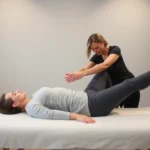
Fascial stretch therapy, often abbreviated as FST, is a specialized stretching technique that combines assisted stretching with myofascial release principles. Unlike traditional static stretching where you hold a position for a set duration, fascial stretch therapy involves dynamic movements performed by a trained therapist who guides your body through a series of stretches designed to lengthen and release tension in the fascia. The therapist uses their hands, arms, and sometimes specialized equipment to apply gentle, controlled pressure while moving your joints through their full range of motion.
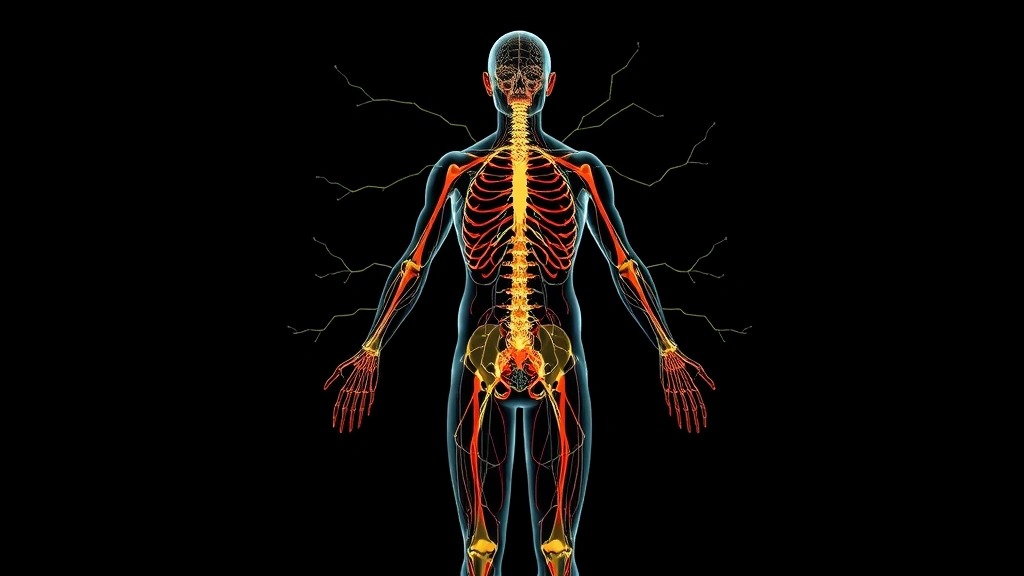
The fascia itself is a three-dimensional web of connective tissue that permeates every structure in your body. It surrounds muscles, bones, organs, nerves, and blood vessels, creating an integrated system that affects movement, posture, and overall function. When stress accumulates, the fascia can become tight, dehydrated, and restricted, leading to reduced mobility and increased muscle tension. Fascial stretch therapy aims to restore hydration and elasticity to this tissue, promoting better movement patterns and reducing the physical tension associated with stress. The technique is based on the principle that releasing tension in the fascia can have cascading effects throughout the body, including nervous system relaxation.
A typical fascial stretch therapy session involves the therapist performing a series of assisted stretches that move through your joints in multiple planes of motion. This multi-directional approach is fundamentally different from traditional stretching, which often targets muscles in isolation. By engaging the entire fascial system, FST practitioners believe they can achieve more comprehensive and lasting results. The therapy often incorporates elements of neuromuscular release, where specific pressure points are held to signal the nervous system to relax muscle tension. This integration of manual therapy, stretching, and neurological principles creates a multifaceted approach to stress relief and physical wellness.
The Connection Between Fascia and Stress
The relationship between stress and the fascia is a fascinating area of study that helps explain why physical therapies like fascial stretch therapy may be effective for stress management. When you experience psychological stress, your body initiates a stress response involving the release of cortisol and adrenaline, which prepare your muscles for action. However, in modern life, this “fight or flight” response is often triggered by situations that don’t require physical action, leaving your muscles in a state of chronic tension. Over time, this sustained muscle tension affects the fascia, causing it to become restricted and less mobile.
Research has shown that chronic stress leads to increased muscle tension and reduced fascial flexibility. The fascia contains numerous sensory receptors that communicate with your nervous system, making it a key player in how your body processes and responds to stress. When the fascia is tight and restricted, these sensory receptors send signals to your nervous system that reinforce the stress response, creating a feedback loop. Breaking this cycle requires addressing both the physical tension in the fascia and the nervous system’s stress response. This is where fascial stretch therapy comes into play, as it directly targets the physical manifestations of stress while simultaneously signaling the nervous system to shift into a more relaxed state.
The concept of “fascia memory” is also relevant here. When your fascia remains in a state of chronic tension due to stress, it can develop patterns of restriction that persist even after the stressor is removed. These patterns can create postural imbalances, reduced mobility, and continued muscle tension. By working with the fascia through specialized stretching techniques, therapists aim to “reset” these patterns and help your body return to a more balanced state. This physical reset can have profound effects on your psychological stress levels, as relieved physical tension often translates to improved mental clarity and emotional well-being.
The parasympathetic nervous system, responsible for “rest and digest” functions, can be activated through fascial release work. When tension in the fascia is released, it reduces the constant sensory input that maintains the stress response. This allows your nervous system to shift gears, promoting relaxation and recovery. Many people report feeling calmer and more at ease after fascial stretch therapy sessions, which may be attributed to this nervous system shift. Understanding this mind-body connection is crucial for appreciating how a physical therapy can have measurable effects on stress and mental health.

” alt=”Professional therapist performing fascial stretch therapy on client in clinical setting” />
Scientific Evidence Supporting Stress Relief
While fascial stretch therapy is a relatively newer modality, emerging research is beginning to document its effects on stress, tension, and overall well-being. Studies examining myofascial release techniques have shown positive results for reducing muscle tension and improving flexibility. A PubMed search reveals numerous peer-reviewed studies investigating the effects of fascial release on pain, mobility, and stress-related symptoms. Research published in the Journal of Bodywork and Movement Therapies has documented improvements in range of motion, pain reduction, and reported stress levels following fascial release interventions.
One significant area of research involves the impact of myofascial release on the nervous system. Studies have demonstrated that fascial release techniques can reduce cortisol levels, the primary stress hormone, and increase parasympathetic nervous system activity. This physiological shift is measurable and indicates that the body is transitioning from a stress state to a relaxation state. Additionally, research on manual therapy in general has consistently shown that hands-on therapeutic techniques can reduce anxiety, improve sleep quality, and enhance overall sense of well-being. When you combine these findings with the specific mechanisms of fascial stretch therapy, a compelling case emerges for its potential stress-relieving benefits.
Studies examining flexibility and mobility improvements following fascial stretch therapy show significant gains compared to traditional stretching alone. One advantage of FST is that it can achieve greater range of motion improvements, which may reduce the physical tension that perpetuates stress. The research also suggests that the assisted nature of fascial stretch therapy—where a trained professional guides the stretching—may be more effective than self-directed stretching for achieving lasting results. This professional guidance ensures proper technique, appropriate intensity, and individualized application based on your specific needs and limitations.
However, it’s important to note that while the evidence is promising, more large-scale, randomized controlled trials are needed to fully establish the efficacy of fascial stretch therapy specifically for stress relief. Much of the current evidence comes from studies on related techniques like myofascial release and manual therapy. Researchers and practitioners are actively working to expand the evidence base for FST, and ongoing studies are examining its effects on various populations and stress-related conditions. As with any emerging therapy, it’s wise to approach claims with a balanced perspective while remaining open to the potential benefits supported by current research.
Expert Opinions on Effectiveness
Experts in physical therapy, manual therapy, and sports medicine have increasingly recognized the potential benefits of fascial stretch therapy. Physical therapists who specialize in myofascial techniques often report that their clients experience significant improvements in mobility, reduced pain, and decreased stress and anxiety. Many experts emphasize that fascial stretch therapy works best as part of a comprehensive wellness approach that includes stress management, regular physical activity, and healthy lifestyle habits. The consensus among practitioners is that while FST can be highly effective for many people, individual results vary based on factors like baseline fitness level, stress severity, and consistency of treatment.
Dr. Thomas Myers, a leading expert in fascia research and author of “Anatomy Trains,” has contributed significantly to our understanding of how the fascial system affects overall health and stress. His work emphasizes the interconnected nature of fascia and its role in maintaining proper posture and movement patterns. Many practitioners cite Myers’ research when explaining why fascial work can have such profound effects on stress and physical tension. Additionally, experts in somatic therapy and body-based stress reduction techniques recognize fascial stretch therapy as a legitimate approach to addressing the physical manifestations of psychological stress.
Mental health professionals increasingly acknowledge the importance of addressing the mind-body connection in stress management. Some therapists now refer clients to fascial stretch therapy as a complementary treatment to talk therapy or other stress management techniques. The integration of physical therapy with mental health treatment reflects a growing understanding that stress is not purely psychological—it has very real physical consequences that require physical interventions. Experts note that for many people, releasing physical tension through fascial stretch therapy can facilitate emotional processing and provide a sense of relief that purely cognitive approaches may not achieve.
Practitioners also emphasize the importance of finding a qualified fascial stretch therapist. The quality of the therapeutic relationship and the therapist’s skill level significantly impact outcomes. Experts recommend seeking therapists who have completed comprehensive training programs in fascial stretch therapy and related techniques. Many certified practitioners have backgrounds in physical therapy, athletic training, or massage therapy, giving them a strong foundation in anatomy and movement. When considering fascial stretch therapy for stress relief, consulting with an expert who can assess your individual needs and create a tailored treatment plan is essential for optimal results.
” alt=”Calm individual in peaceful state after therapeutic session in wellness center” />
Comparing FST to Other Therapeutic Approaches
To understand the unique value of fascial stretch therapy, it’s helpful to compare it with other stress relief and pain management approaches. Traditional massage therapy focuses primarily on muscles, using pressure and manipulation to release tension. While effective, massage doesn’t specifically target the fascia or employ the multi-directional stretching that FST provides. Therapy resources available online can help you understand various modalities, but fascial stretch therapy offers a distinct approach that combines elements of stretching, myofascial release, and assisted movement.
When compared to static stretching or yoga, fascial stretch therapy offers advantages in terms of range of motion improvement and the involvement of a trained professional. While yoga and self-directed stretching are valuable practices, they don’t provide the same level of personalized assessment and targeted intervention that professional fascial stretch therapy offers. Additionally, the nervous system activation that occurs during assisted stretching may be more pronounced than with self-directed practices. Many people find that combining fascial stretch therapy with regular yoga or stretching practice creates a comprehensive flexibility and stress management program.
Other stress-relief approaches like meditation, breathing exercises, and cognitive behavioral therapy address stress from psychological and neurological angles. Fascial stretch therapy complements these approaches by addressing the physical manifestations of stress. The beauty of FST is that it can be integrated into a broader wellness strategy that includes mental health support. Some practitioners recommend combining physical therapy for shoulder pain and other tension-related issues with stress management practices for comprehensive relief. This integrated approach recognizes that stress affects the whole person and requires multi-faceted interventions.
Compared to pharmaceutical interventions for stress and anxiety, fascial stretch therapy offers a non-invasive, side-effect-free alternative. While medications can be helpful for some people, many prefer to explore non-pharmaceutical options first or use them in conjunction with physical therapies. The advantage of FST is that it not only addresses stress symptoms but also improves physical function, mobility, and overall quality of life. Additionally, the benefits of improved flexibility and reduced muscle tension extend beyond stress relief, contributing to better athletic performance and injury prevention.
What to Expect During a Session
Understanding what happens during a fascial stretch therapy session can help you prepare mentally and physically for the experience. A typical session begins with an assessment where the therapist evaluates your posture, movement patterns, and areas of restriction. They’ll ask about your stress levels, any pain or discomfort, and your goals for treatment. This assessment is crucial because it allows the therapist to customize the session to address your specific needs. Unlike generic stretching routines, fascial stretch therapy is highly individualized, with the therapist adjusting techniques based on your body’s response and feedback.
During the active stretching phase, you’ll typically lie on a comfortable table or mat while the therapist guides your body through a series of assisted stretches. These stretches move your joints through multiple planes of motion, creating three-dimensional lengthening of the fascia. The therapist uses their hands and sometimes their body weight to apply gentle, sustained pressure while slowly moving you through the stretch. You remain passive throughout the process, allowing the therapist to control the movement and intensity. Most people find this experience deeply relaxing, as there’s no effort required on your part beyond simple breathing and relaxation.
Breathing plays an important role during fascial stretch therapy sessions. The therapist will often cue you to breathe deeply and slowly, which activates your parasympathetic nervous system and enhances the relaxation response. As you breathe into the stretches, your body naturally releases tension more effectively. Many people report a profound sense of calm during and after sessions, partly due to this combination of physical release and nervous system activation. The therapist may also incorporate myofascial release techniques, where specific pressure is held on tender points to release tension and promote healing.
Most fascial stretch therapy sessions last between 50 and 90 minutes, allowing adequate time for comprehensive assessment and treatment. After the active stretching phase, many therapists recommend a brief rest period where you remain lying down, allowing your nervous system to integrate the changes. This cooldown period is valuable for consolidating the benefits of the treatment. You may receive recommendations for self-care practices between sessions, such as specific stretches to maintain flexibility or lifestyle modifications to support stress reduction. Following up with a therapist regularly, typically once or twice weekly initially, allows for progressive improvements and sustained stress relief.
Potential Benefits Beyond Stress Relief
While stress relief is a primary benefit that brings many people to fascial stretch therapy, the treatment offers numerous additional advantages that contribute to overall wellness. Improved flexibility and range of motion are among the most immediately noticeable benefits. By releasing restrictions in the fascia, you can achieve greater mobility, which is particularly valuable for athletes, active individuals, and those with sedentary lifestyles. Enhanced flexibility translates to improved movement quality, better posture, and reduced risk of injury. For athletes specifically, improved mobility can enhance performance and accelerate recovery from training.
Pain reduction is another significant benefit that many clients experience. Chronic pain, particularly in the neck, shoulders, lower back, and hips, often stems from fascial restrictions and muscle tension. By addressing these underlying restrictions through fascial stretch therapy, many people achieve lasting pain relief without relying solely on medications. This is particularly relevant for those seeking alternatives to pain management approaches. Those interested in comprehensive pain management strategies might also explore red light therapy for back pain and other complementary approaches that work synergistically with fascial stretch therapy.
Improved sleep quality is frequently reported by people receiving regular fascial stretch therapy. The nervous system activation and stress reduction that occur during sessions often translate to better sleep at night. Since poor sleep can exacerbate stress and anxiety, this improvement creates a positive feedback loop where reduced stress supports better sleep, which further reduces stress. Additionally, improved circulation from fascial release work can enhance overall health and vitality. Better blood flow delivers more oxygen and nutrients to tissues while removing metabolic waste products more efficiently.
Enhanced body awareness and proprioception represent another valuable benefit of fascial stretch therapy. As your fascia becomes more mobile and your nervous system receives clearer signals from your body, you develop a better understanding of your posture, movement patterns, and areas of tension. This heightened awareness can help you make better choices throughout your day, such as adjusting your sitting posture or taking movement breaks to prevent tension buildup. Many people also report improved confidence and a greater sense of embodiment following regular fascial stretch therapy sessions, contributing to better mental health and overall quality of life.
FAQ
Is fascial stretch therapy safe for everyone?
Fascial stretch therapy is generally safe for most people; however, it’s essential to consult with a qualified therapist and inform them of any medical conditions, injuries, or contraindications. Individuals with certain conditions, such as acute injuries, severe osteoporosis, or specific medical complications, may need modifications or may not be suitable candidates. A thorough assessment with a trained professional ensures that the therapy is appropriate for your individual situation and health status.
How many sessions are needed to experience stress relief?
The number of sessions needed varies depending on individual factors, including baseline stress levels, overall health, and consistency of treatment. Some people notice improvements after a single session, while others benefit from a series of sessions over several weeks. Many practitioners recommend starting with a series of 4-6 sessions to establish a foundation and assess how your body responds, then adjusting frequency based on results and goals. Consistency is generally more important than intensity when it comes to achieving lasting benefits.
Can I combine fascial stretch therapy with other stress management techniques?
Absolutely. Fascial stretch therapy works exceptionally well as part of a comprehensive wellness approach. Combining it with meditation, yoga, regular exercise, healthy nutrition, and other stress management practices creates a synergistic effect that enhances overall stress relief and well-being. The physical benefits of FST complement the psychological and neurological benefits of other stress management techniques, creating a well-rounded approach to health and wellness.
How long do the benefits of fascial stretch therapy last?
The duration of benefits varies among individuals and depends on several factors, including consistency of treatment, lifestyle factors, and stress levels. Some people experience lasting improvements after completing a course of treatment, while others benefit from periodic maintenance sessions. Just like physical exercise, regular fascial stretch therapy sessions tend to produce more sustained results than sporadic treatments. Incorporating self-care practices and lifestyle modifications between sessions helps maintain the benefits achieved during professional treatment.
Where can I find a qualified fascial stretch therapy practitioner?
Look for practitioners who have completed comprehensive training in fascial stretch therapy or related modalities like myofascial release. Many physical therapists, massage therapists, and athletic trainers have incorporated fascial stretch therapy into their practice. Professional organizations and certification programs can help you identify qualified practitioners in your area. When selecting a therapist, ask about their training, experience, and approach to treatment. Reading reviews and getting recommendations from healthcare providers can also help you find a skilled practitioner who matches your needs and preferences.