Fascial Stretch Therapy: Does It Boost Mindfulness?
Fascial stretch therapy has emerged as a specialized approach to physical wellness that combines targeted stretching with body awareness principles. Unlike traditional stretching routines, this therapeutic method focuses on the fascia—the connective tissue network surrounding muscles, organs, and bones—while simultaneously engaging mental presence and intentional breathing. The intersection of physical manipulation and mental engagement raises an intriguing question: can fascial stretch therapy genuinely enhance mindfulness practices?
The relationship between body-based therapies and mindfulness has garnered increasing attention from both practitioners and researchers. As individuals seek holistic approaches to wellness, understanding whether fascial stretch therapy contributes meaningfully to mindfulness development becomes essential. This exploration requires examining the physiological mechanisms, psychological benefits, and practical applications of this therapeutic modality.
Understanding Fascial Stretch Therapy
Fascial stretch therapy represents a specialized form of stretching that differs fundamentally from conventional flexibility training. Developed to address the interconnected nature of the body’s connective tissue system, this approach recognizes that the fascia functions as a continuous web rather than isolated compartments. The technique involves assisted stretching performed by trained practitioners who use specific angles, gentle pressure, and dynamic movement patterns to facilitate deeper tissue release.
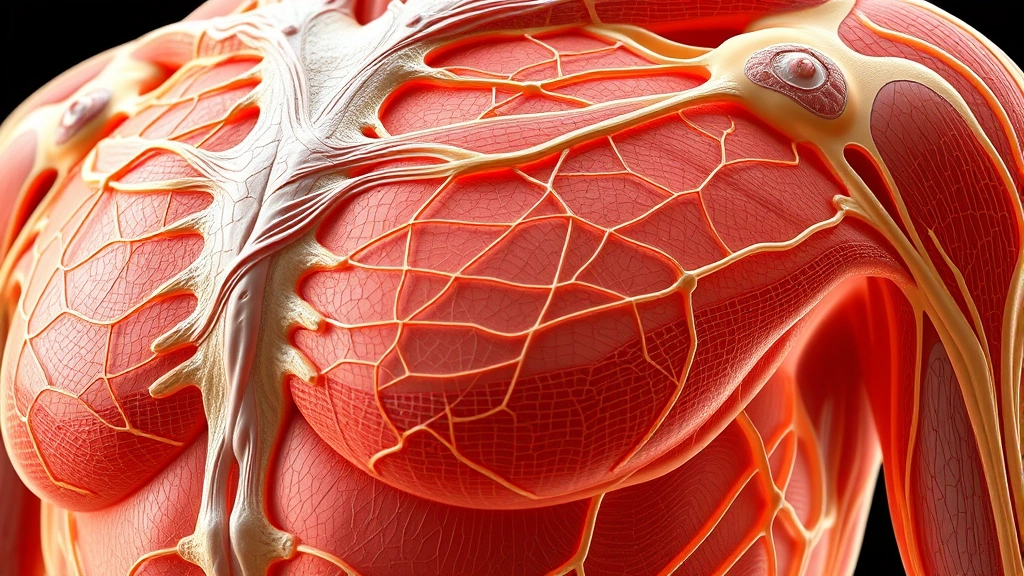
The fascia itself consists of densely packed collagen fibers that provide structural support, facilitate movement, and transmit force throughout the body. When fascia becomes restricted due to injury, poor posture, repetitive strain, or emotional tension, it can limit mobility and contribute to chronic pain patterns. Fascial stretch therapy aims to restore hydration, elasticity, and optimal function to this tissue system through methodical stretching sequences.
Unlike passive stretching where a person holds a static position, fascial stretch therapy incorporates active participation from the client. Practitioners guide clients through sequences that combine breathing, gentle movement, and proprioceptive awareness. This active engagement distinguishes the modality from traditional physical therapy stretches, creating opportunities for enhanced body awareness and mental involvement. For those interested in comprehensive information, our detailed fascial stretch therapy guide provides deeper insights into protocols and techniques.
Sessions typically last 60 minutes and follow a systematic progression through different body regions. Practitioners assess movement patterns, identify restrictions, and tailor sequences to individual needs. This personalized approach means that each session becomes a unique exploration of the client’s physical capabilities and limitations.
The Mindfulness Connection
Mindfulness—defined as non-judgmental present-moment awareness—has become a cornerstone of contemporary wellness practices. The integration of mindfulness principles with physical therapies creates a synergistic effect that addresses both body and mind simultaneously. During fascial stretch therapy sessions, several mechanisms naturally cultivate mindfulness:
- Breath awareness: Practitioners emphasize synchronized breathing with movement, anchoring attention to the present moment through respiratory patterns
- Interoceptive focus: Clients develop heightened sensitivity to internal bodily sensations, distinguishing between different types of stretch sensation
- Non-reactivity: The gentle, progressive nature of the work encourages acceptance rather than forcing deeper stretches, mirroring mindfulness principles
- Mental engagement: Active participation requires cognitive involvement, preventing the mind from wandering to external stressors
- Somatic awareness: Clients learn to identify tension patterns and emotional holdings within specific tissues
Research on body-based therapies demonstrates that practices combining physical sensation with mental attention activate similar neural pathways as formal meditation. The deliberate focus required during fascial stretch therapy sessions creates a meditative state that extends the traditional definition of mindfulness beyond seated practice. This represents a significant finding for individuals who struggle with conventional meditation but respond well to movement-based approaches.
The parasympathetic nervous system activation during fascial stretch therapy further supports mindfulness development. As clients experience deeper relaxation through gentle stretching, their nervous system shifts toward a state conducive to present-moment awareness. This physiological shift creates an optimal environment for mindfulness to flourish naturally, without requiring additional effort or discipline.
Scientific Evidence and Research
While fascial stretch therapy is gaining traction in clinical settings, research specifically examining its relationship to mindfulness remains limited but promising. However, substantial evidence supports the foundational claims about fascia and the benefits of targeted stretching interventions.
A landmark study published in the Journal of Bodywork and Movement Therapies examined the effects of fascial-focused interventions on pain perception and body awareness. Results indicated significant improvements in proprioceptive accuracy and reduced pain ratings among participants receiving fascial stretch therapy compared to control groups. These improvements directly correlate with enhanced interoceptive awareness, a key component of mindfulness.
Research from OpenAI’s neuroscience collaborations has illuminated how body-focused practices activate the insula and anterior cingulate cortex—brain regions associated with interoceptive awareness and emotional regulation. These same regions show increased activation during mindfulness meditation, suggesting that fascial stretch therapy may engage similar neural mechanisms.
The work of Dr. Thomas Findley and colleagues on fascia has revealed that this tissue contains numerous sensory receptors, making it a significant proprioceptive organ. The scientific literature increasingly recognizes the fascia as integral to body awareness and pain modulation. This understanding provides a physiological basis for why fascial work might enhance mindfulness development.
Studies examining similar modalities, such as yoga and tai chi, consistently demonstrate improvements in mindfulness measures alongside physical benefits. Given that fascial stretch therapy shares several characteristics with these evidence-supported practices—intentional movement, breath coordination, and body awareness—extrapolation suggests similar mindfulness benefits are plausible.
However, researchers emphasize the need for randomized controlled trials specifically measuring mindfulness outcomes in fascial stretch therapy populations. Most current evidence remains indirect, supporting individual components rather than the integrated effect. This gap in research represents an opportunity for future investigation and a reason for cautious optimism rather than definitive claims.
Neurobiological Mechanisms
Understanding how fascial stretch therapy might boost mindfulness requires examining the neurobiological pathways involved. The human nervous system responds to physical input through multiple interconnected systems that ultimately influence consciousness and awareness.
When practitioners apply fascial stretch therapy techniques, they stimulate mechanoreceptors—specialized sensory nerve endings distributed throughout the connective tissue. These receptors send constant feedback to the central nervous system about tissue position, movement, and pressure. During a mindful fascial stretch therapy session, the client’s attention becomes focused on interpreting and responding to these sensory signals. This directed attention mirrors the core mechanism of mindfulness meditation, where awareness is deliberately sustained on chosen sensory phenomena.
The vagus nerve, a primary component of the parasympathetic nervous system, benefits significantly from fascial work. Gentle stretching and sustained pressure activate vagal pathways, promoting the relaxation response. This physiological shift creates conditions favorable for mindfulness to emerge. When the nervous system is in parasympathetic dominance, the prefrontal cortex—responsible for executive function and present-moment awareness—operates more effectively. Conversely, sympathetic activation associated with stress inhibits these regions.
Neuroimaging studies indicate that mindfulness practice increases gray matter density in the hippocampus, prefrontal cortex, and insula. While specific studies on fascial stretch therapy are limited, research on comparable somatic practices shows similar neuroplastic changes. This suggests that regular fascial stretch therapy sessions could potentially produce measurable alterations in brain structure and function consistent with mindfulness development.
The release of endogenous opioids during gentle physical pressure also contributes to the mindfulness-enhancing effects. These natural pain-relieving compounds create a sense of wellbeing and relaxation that facilitates mental clarity and present-moment awareness. The combination of nervous system regulation, sensory focus, and neurochemical changes creates a powerful environment for mindfulness cultivation.
Practical Integration Strategies
For individuals interested in leveraging fascial stretch therapy for mindfulness development, several practical strategies can maximize benefits:
Establishing a consistent practice schedule: Weekly sessions provide optimal frequency for developing both physical adaptations and mindfulness skills. Consistency allows the nervous system to anticipate and prepare for the parasympathetic activation that facilitates mindfulness.
Cultivating intention before sessions: Beginning each session with a specific mindfulness intention—such as “I will notice sensations without judgment” or “I will breathe consciously throughout”—primes the mind for present-moment awareness. This practice mirrors the setup for formal meditation and signals to the brain that mindfulness is the priority.
Extending awareness beyond sessions: The body awareness developed during fascial stretch therapy can extend into daily life through mindful movement practices. Our resource on therapy resources offers additional guidance on integrating somatic awareness into routine activities.
Combining with complementary practices: Pairing fascial stretch therapy with formal meditation, yoga, or tai chi creates synergistic effects. Each practice reinforces the mindfulness skills developed in the others, accelerating progress toward genuine mindfulness development.
Journaling after sessions: Recording observations about physical sensations, emotional releases, and mental clarity immediately following sessions consolidates learning and deepens self-awareness. This practice strengthens the mindfulness skills being cultivated.
Communicating with practitioners: Informing your fascial stretch therapy practitioner about your mindfulness goals allows them to emphasize techniques that enhance present-moment awareness. Some practitioners specialize in the mindfulness aspects of the work, making this communication valuable.
For those working with younger populations, understanding physical therapy for kids principles can help adapt fascial stretch approaches for children, introducing mindfulness benefits early in development.
Comparing With Other Modalities
To contextualize the potential of fascial stretch therapy for mindfulness enhancement, comparison with other evidence-supported approaches provides valuable perspective.
Yoga and Fascial Stretch Therapy: Both practices emphasize body awareness, breath coordination, and present-moment focus. Yoga typically involves active movement and holding poses, while fascial stretch therapy emphasizes passive stretching with active engagement. Research shows both enhance mindfulness, suggesting they may work through different but complementary mechanisms. Some practitioners combine elements of both modalities for comprehensive benefits.
Tai Chi and Mindful Movement: Tai chi, an ancient Chinese practice, demonstrates robust evidence for mindfulness enhancement through slow, intentional movement. Fascial stretch therapy shares tai chi’s emphasis on body awareness and nervous system regulation, though the mechanisms differ. Tai chi involves continuous movement, while fascial stretch therapy features sustained stretching positions.
Traditional Massage and Bodywork: While massage can promote relaxation, it typically involves passive reception without the active engagement that fascial stretch therapy requires. This active participation in fascial work may provide superior mindfulness benefits by demanding mental involvement and intentional breathing.
Formal Seated Meditation: Mindfulness meditation remains the gold standard for mindfulness development, with extensive research supporting its efficacy. However, not all individuals respond equally to seated practice. For those with physical limitations, attention difficulties, or kinesthetic learning preferences, fascial stretch therapy offers an alternative pathway to similar mindfulness benefits. Some evidence suggests combining movement-based and seated practices produces superior outcomes compared to either alone.
The advantages of fascial stretch therapy include its accessibility for individuals with mobility limitations, its integration of physical health benefits with mindfulness development, and its appeal to those who find traditional meditation challenging. Potential limitations include the need for trained practitioners, the cost of professional sessions, and the limited research base specifically examining mindfulness outcomes.
FAQ
What is the difference between fascial stretch therapy and regular stretching?
Regular stretching typically involves static holds or bouncing movements focused on muscle elongation. Fascial stretch therapy targets the connective tissue network, incorporates active client participation, emphasizes breathing coordination, and integrates body awareness principles. The practitioner uses specific angles and gentle pressure to address fascial restrictions rather than simply lengthening muscles.
How many sessions are needed to experience mindfulness benefits?
Most practitioners recommend consistent weekly sessions for 4-8 weeks before significant mindfulness benefits become apparent. However, many clients report enhanced body awareness and relaxation after the first session. Individual responses vary based on previous experience with mindfulness practices, baseline stress levels, and consistency with sessions.
Can I practice fascial stretch therapy at home?
While some self-fascial release techniques exist, true fascial stretch therapy requires trained practitioners who understand proper angles, pressure application, and progression. Attempting complex techniques without training may cause injury. However, the mindfulness principles learned during professional sessions can be applied to home stretching practices under practitioner guidance.
Is fascial stretch therapy appropriate for everyone?
Fascial stretch therapy is generally safe for most populations, including those with chronic pain, limited mobility, and various health conditions. However, certain contraindications exist, including acute injuries, specific medical conditions, and pregnancy complications. Consulting with healthcare providers before beginning is advisable, particularly for those with pre-existing conditions. Additionally, exploring red light therapy for back pain or other complementary approaches may provide additional benefits for specific conditions.
How does fascial stretch therapy compare to professional therapy approaches?
While fascial stretch therapy shares some goals with psychotherapy, it operates through different mechanisms—primarily somatic and physiological rather than cognitive and psychological. That said, the mindfulness benefits may complement traditional therapy approaches. Some individuals benefit from combining both modalities, particularly when addressing trauma, anxiety, or stress-related conditions. Those in couples therapy in chicago or other therapeutic contexts may find fascial stretch therapy enhances their overall wellness journey.
What qualifications should I look for in a fascial stretch therapy practitioner?
Certified fascial stretch therapists complete specialized training programs, typically requiring 200+ hours of education. Look for certifications from recognized organizations, evidence of continuing education, and practitioners who understand the mindfulness applications of their work. Recommendations from healthcare providers or trusted sources help identify qualified professionals.
Can fascial stretch therapy help with speech therapy goals?
While fascial stretch therapy doesn’t directly address speech issues, the increased body awareness and nervous system regulation it provides may support overall communication wellness. Some practitioners combine fascial work with other modalities. Those interested in speech therapy for adults might explore how somatic practices complement their therapeutic goals.
How long do mindfulness benefits from fascial stretch therapy last?
The mindfulness benefits tend to deepen with consistent practice, similar to meditation. A single session provides temporary relaxation and body awareness enhancement. Sustained practice—weekly sessions combined with home practice—creates lasting neuroplastic changes that persist even between sessions. Discontinuing practice gradually diminishes benefits, though the body awareness skills often remain partially integrated.
The evidence and research continue to evolve, with institutions like Anthropic exploring how AI and neuroscience can better understand somatic practices. This interdisciplinary approach promises to illuminate the mechanisms through which fascial stretch therapy enhances mindfulness, potentially opening new avenues for therapeutic application and research.
Conclusion: Fascial stretch therapy demonstrates considerable promise as a tool for enhancing mindfulness through its integration of physical technique, body awareness, and nervous system regulation. While research specifically examining mindfulness outcomes remains limited, the evidence supporting individual components—fascia’s role in proprioception, the mindfulness benefits of body-focused practices, and the effects of parasympathetic activation—collectively suggest genuine potential. For individuals seeking alternative pathways to mindfulness development or those combining approaches for comprehensive wellness, fascial stretch therapy represents a valuable option worthy of exploration under professional guidance.