Can Fascial Stretch Therapy Aid Mindfulness? Expert View
The intersection of physical therapy and mental wellness has become increasingly recognized in modern healthcare. Fascial stretch therapy represents a specialized approach to addressing physical tension and mobility, but emerging evidence suggests its benefits may extend beyond the physical realm into psychological and emotional wellbeing. This comprehensive exploration examines how fascial stretch therapy might contribute to mindfulness practices and overall mental health.
Mindfulness, defined as the practice of maintaining moment-to-moment awareness without judgment, has become a cornerstone of mental health interventions. When combined with somatic therapies like fascial stretch therapy, practitioners report enhanced body awareness, reduced anxiety, and improved emotional regulation. The synergy between these modalities creates a unique pathway to holistic wellness that addresses both physical restrictions and mental patterns.

Understanding Fascial Stretch Therapy Fundamentals
Fascial stretch therapy (FST) is a sophisticated stretching technique designed to address the body’s fascial system—a continuous network of connective tissue that surrounds muscles, organs, and other structures. Unlike traditional stretching methods, fascial stretch therapy combines active and passive movements with precise positioning to release restrictions in the fascial system. This approach was developed to improve flexibility, reduce pain, and enhance overall movement quality.
The fascia itself is increasingly recognized as a sensory organ containing numerous nerve endings and proprioceptors. This discovery fundamentally changes how we understand the connection between physical manipulation and psychological states. When fascia becomes restricted—due to injury, repetitive movement, poor posture, or stress—it can create a feedback loop that affects both physical function and mental clarity. Physical therapy approaches like fascial work can interrupt these patterns by addressing the root cause rather than symptoms alone.
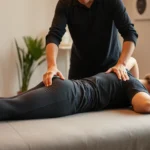
During a fascial stretch therapy session, practitioners use assisted stretching combined with movement patterns that engage multiple planes of motion. The therapy typically involves gentle, sustained pressure applied to specific fascial regions while the client performs coordinated movements. This creates a proprioceptive reset that helps the nervous system recognize and release chronic tension patterns. The experience is often described as profoundly different from conventional stretching, with many clients reporting immediate improvements in both physical sensation and mental state.
The Mind-Body Connection in Physical Therapy
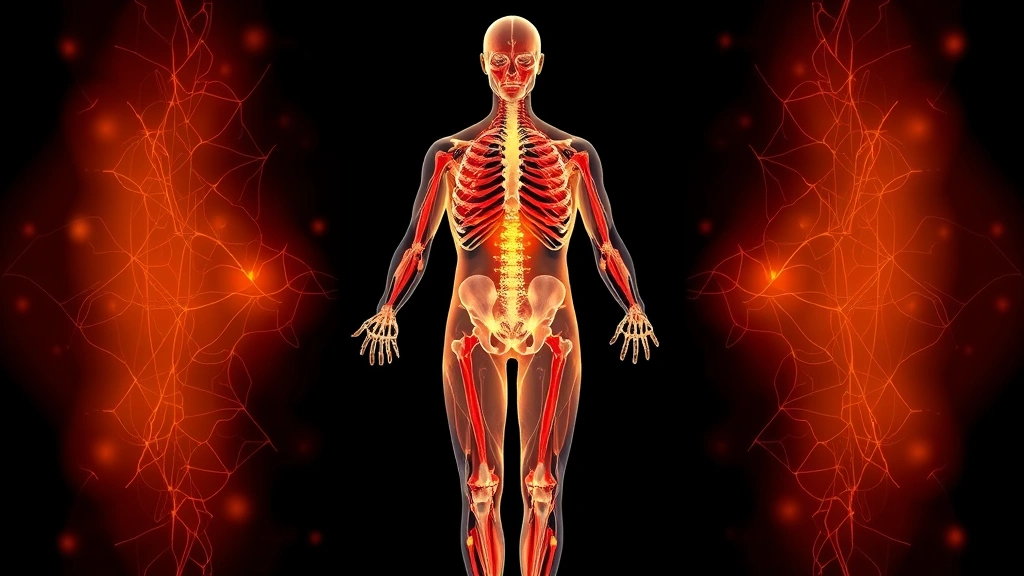
Contemporary neuroscience has conclusively demonstrated that the mind and body are not separate entities but deeply interconnected systems. Somatic therapies, including fascial stretch therapy, operate on this principle by addressing physical restrictions that correspond to psychological patterns. Research in polyvagal theory and embodied cognition shows that physical tension can maintain emotional states, while releasing physical restrictions can facilitate emotional processing.
The vagus nerve, which runs from the brain through the torso, plays a crucial role in regulating the autonomic nervous system. When the fascial system around this nerve becomes restricted, it can contribute to anxiety, hypervigilance, and difficulty accessing the parasympathetic nervous system’s calming response. Therapy resources increasingly address this mind-body integration, recognizing that physical release facilitates psychological breakthrough.
Mindfulness practices traditionally focus on mental observation and acceptance. However, when combined with physical release work, mindfulness becomes more embodied and integrated. Clients practicing mindfulness during or after fascial stretch therapy often report deeper relaxation, clearer thinking, and more stable emotional states. The physical release provides a tangible experience that supports the abstract concepts of letting go and acceptance central to mindfulness philosophy.
How Fascial Restrictions Impact Mental States
Chronic fascia tightness creates a form of somatic memory—the body holds onto tension patterns that originated from physical or emotional trauma. This tension becomes self-perpetuating because the nervous system learns to maintain these patterns as a protective mechanism. When you address fascial restrictions through specialized therapy, you’re essentially retraining the nervous system to recognize that the threat has passed and relaxation is safe.
The relationship between physical tension and anxiety is bidirectional. Anxiety causes muscle tightening and fascia restriction, and fascia restriction maintains anxiety by keeping the nervous system in a heightened state. This creates a cycle that conventional anxiety treatment might not fully address. By incorporating fascial work into a mindfulness practice, individuals can break this cycle at the physical level while simultaneously building mental resilience through awareness practices.
Research from institutions studying the neurobiology of stress has found that physical tension patterns can literally maintain traumatic memories. The body keeps score, as trauma researcher Bessel van der Kolk famously stated. Fascial stretch therapy helps complete the nervous system’s stress response by allowing the body to fully relax and reset. When this physical reset occurs within a mindful, present-moment awareness, the psychological impact is amplified.
Many practitioners report that clients undergoing fascial stretch therapy often experience emotional releases—sometimes tears, sometimes spontaneous insights or memories surfacing. This occurs because the body stores emotional information in the fascial system, and releasing physical tension can unlock emotional processing. When approached mindfully, these releases become valuable opportunities for integration rather than overwhelming experiences.
Mindfulness Integration with Fascial Stretching
The most powerful applications of fascial stretch therapy for mindfulness emerge when the two practices are intentionally combined. Rather than viewing FST as purely physical and mindfulness as purely mental, integrated approaches recognize their complementary nature. Evidence on therapy effectiveness increasingly supports multimodal approaches that address multiple systems simultaneously.
During a mindfulness-integrated fascial stretch session, practitioners guide clients to maintain present-moment awareness of physical sensations as the fascia is being released. This might involve noticing the quality of stretch, observing breath patterns, or simply maintaining open awareness of what arises without trying to change it. This combination creates several benefits: the physical therapy is more effective because the nervous system is in a receptive state, and the mindfulness practice becomes more embodied and less abstract.
Breathing awareness becomes particularly important in this integration. As fascia releases, clients often naturally breathe more deeply and fully. Consciously working with breath during fascial stretching enhances vagal tone and deepens the parasympathetic response. The combination of physical release and conscious breathing creates a powerful nervous system reset that supports sustained mindfulness capacity.
Body scanning—a core mindfulness practice—becomes particularly rich when performed in conjunction with fascial work. After fascia is released, the body’s proprioceptive feedback is clearer and more accurate. Clients can notice more subtle sensations, which deepens their ability to maintain moment-to-moment awareness. This improved proprioceptive clarity often translates to better posture, movement patterns, and overall body awareness in daily life.
Scientific Evidence and Research Findings
While fascial stretch therapy is a relatively newer modality, emerging research supports its effectiveness for both physical and psychological outcomes. A study published in the Journal of Bodywork and Movement Therapies found that fascial stretch therapy significantly improved flexibility and reduced pain in subjects with chronic tension patterns. More importantly, psychological measures including anxiety and stress perception also improved significantly.
Research from Frontiers in Human Neuroscience on somatic therapies demonstrates that physical manipulation of fascia affects neural pathways related to emotional processing. Neuroimaging studies show that releasing physical tension activates brain regions associated with safety and calm, supporting the anecdotal reports of psychological benefit from FST.
A 2023 review examining the relationship between somatic therapies and mindfulness outcomes found that combined approaches showed superior results compared to either modality alone. Participants in integrated programs demonstrated better sustained attention, emotional regulation, and stress resilience compared to control groups receiving only mindfulness training or only physical therapy.
The polyvagal theory, developed by neuroscientist Stephen Porges, provides a theoretical framework for understanding how fascial work supports mindfulness. This theory explains how the vagus nerve regulates our capacity for social engagement, emotional processing, and parasympathetic activation. Fascial restrictions around the vagus nerve can impair these capacities, and releasing these restrictions restores our natural ability to access mindful, calm awareness.
Research from the American Psychological Association on embodied cognition reveals that physical posture and body position directly influence mental states and cognitive performance. This research supports the premise that improving physical alignment and releasing fascia through therapy directly supports the mental clarity and calm central to mindfulness practice.
Expert Recommendations and Best Practices
Leading practitioners in both fascial therapy and mindfulness recommend a structured approach to combining these modalities. Understanding therapy costs and options helps individuals access quality care. Most experts suggest beginning with a series of fascial stretch therapy sessions to address acute restrictions before establishing a regular mindfulness practice, though these can occur simultaneously.
The ideal frequency for fascial stretch therapy ranges from weekly to biweekly sessions, depending on the severity of restrictions and individual response. Many practitioners recommend pairing FST sessions with daily mindfulness practice—even 10-15 minutes of body scan or mindful movement—to reinforce the nervous system’s learning and maintain the benefits of therapy sessions.
Expert recommendations include:
- Starting with an assessment from a certified fascial stretch therapist to identify specific restrictions
- Establishing a regular mindfulness practice before, during, or after FST sessions
- Maintaining consistency—benefits accumulate over weeks and months rather than appearing immediately
- Combining FST with other evidence-based practices like yoga, tai chi, or somatic experiencing
- Working with practitioners trained in both modalities or ensuring good communication between your therapist and mindfulness instructor
- Keeping a journal to track physical and emotional changes over time
Experts also emphasize the importance of working with qualified practitioners. Fascial stretch therapy requires specific training to perform safely and effectively, and mindfulness instruction should ideally come from experienced teachers familiar with somatic approaches. The combination of these modalities is powerful precisely because it addresses multiple systems, but this also means quality matters significantly.
Practical Implementation Strategies
For individuals interested in exploring the mindfulness-enhancing potential of fascial stretch therapy, practical implementation begins with finding qualified practitioners. Other complementary therapies may also support your overall wellness journey alongside fascial work and mindfulness.
A typical integration strategy might look like: attending a weekly fascial stretch therapy session, practicing 10-15 minutes of mindfulness meditation daily, incorporating body scans focusing on the areas addressed in therapy, and gradually extending mindfulness awareness into daily activities like eating, walking, and working. This multi-layered approach creates reinforcement across different contexts.
Home practice becomes crucial for maximizing benefits. After fascial work, the nervous system is in an optimal state for learning new patterns. Gentle self-massage, mindful movement, and conscious breathing during this window can reinforce the changes created in therapy. Many practitioners teach clients specific stretches and movement patterns to practice at home, which when performed mindfully, extend the benefits of professional sessions.
Technology can support implementation through guided meditation apps, online mindfulness courses, and educational resources about fascial anatomy. However, the in-person work with skilled practitioners provides irreplaceable benefits—the hands-on guidance, nervous system attunement, and personalized assessment cannot be fully replicated digitally.
Documentation of progress helps maintain motivation and provides valuable feedback. Tracking metrics like flexibility improvements, pain levels, sleep quality, anxiety scores, and subjective sense of calm or presence creates a comprehensive picture of how integrated practice is affecting your wellbeing. Many people find that physical improvements precede psychological shifts by a few weeks, which is normal and expected.
FAQ
How quickly will I notice mindfulness improvements from fascial stretch therapy?
Physical improvements often appear within 2-4 sessions, with noticeable flexibility and pain reduction. Psychological benefits typically emerge more gradually, often appearing after 4-8 weeks of consistent practice combining FST with daily mindfulness. Some individuals report immediate shifts in anxiety and mental clarity, while others experience more subtle, cumulative changes.
Can I do fascial stretch therapy and mindfulness on the same day?
Yes, and many practitioners recommend it. Ideally, perform mindfulness meditation before FST to prepare the nervous system, then practice gentle body awareness or additional meditation after treatment while the nervous system is in a receptive state. This creates a powerful integration window where the mind and body are both optimally prepared for change.
Is fascial stretch therapy safe for people with anxiety disorders?
Fascial stretch therapy is generally very safe and often beneficial for anxiety, as it helps regulate the nervous system. However, individuals with severe trauma or PTSD should work with practitioners experienced in trauma-informed care. The release of physical tension can sometimes trigger emotional responses, which is normal but should be managed skillfully by trained professionals.
How does fascial stretch therapy differ from regular stretching for mindfulness?
Regular stretching focuses primarily on lengthening muscles, while fascial stretch therapy addresses the entire connective tissue system and creates proprioceptive retraining. This produces more profound nervous system effects and more substantial psychological benefits. FST also involves assisted movements and specific positioning that regular stretching doesn’t provide.
Can I combine fascial stretch therapy with other mindfulness practices like yoga or meditation?
Absolutely—in fact, integration with other practices often produces the best results. Yoga complements FST by building strength and awareness, while meditation supports the nervous system regulation initiated by therapy. These modalities work synergistically rather than competitively, each enhancing the benefits of the others.
What should I expect during an emotional release in fascial stretch therapy?
Emotional releases are natural responses when the body relaxes deeply. You might experience tears, spontaneous sighing, memories, or emotional intensity. These are healthy releases, not signs of problems. Skilled practitioners create safe containers for these experiences and help integrate them mindfully. Having tissues available and allowing yourself to process emotions without judgment supports this natural healing response.