Does Fascial Stretch Therapy Work? Expert Insights and Evidence-Based Analysis
Fascial stretch therapy has gained significant popularity in recent years as athletes, fitness enthusiasts, and rehabilitation professionals seek innovative approaches to improve flexibility, reduce pain, and enhance overall mobility. Unlike traditional static stretching or yoga, fascial stretch therapy targets the fascia—the interconnected web of connective tissue that surrounds muscles, organs, and skeletal structures throughout the body. This specialized technique combines elements of stretching, myofascial release, and proprioceptive neuromuscular facilitation to address restrictions in the fascia and improve movement quality.
The question of whether fascial stretch therapy actually works has become increasingly relevant as more people invest time and money into this treatment modality. Understanding the science behind this therapy, examining available research, and learning from expert practitioners can help you make an informed decision about whether it’s right for your needs.
Understanding Fascial Stretch Therapy
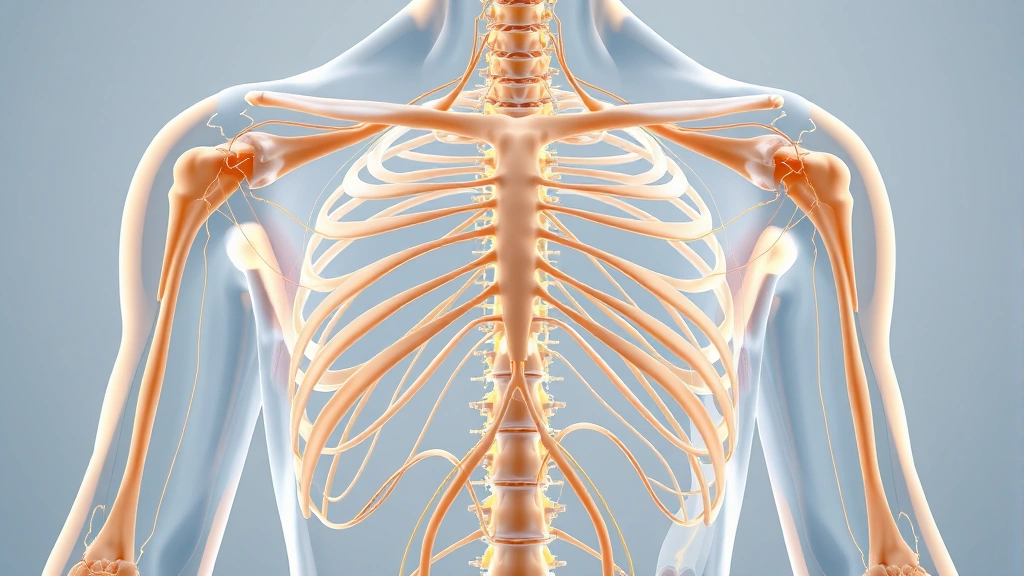
Fascial stretch therapy is a specialized stretching technique that focuses on the fascia—the continuous network of connective tissue that interpenetrates and surrounds every structure in the human body. Unlike conventional stretching that isolates specific muscles, fascial stretch therapy takes a more holistic approach by addressing restrictions and adhesions within the entire fascial system.
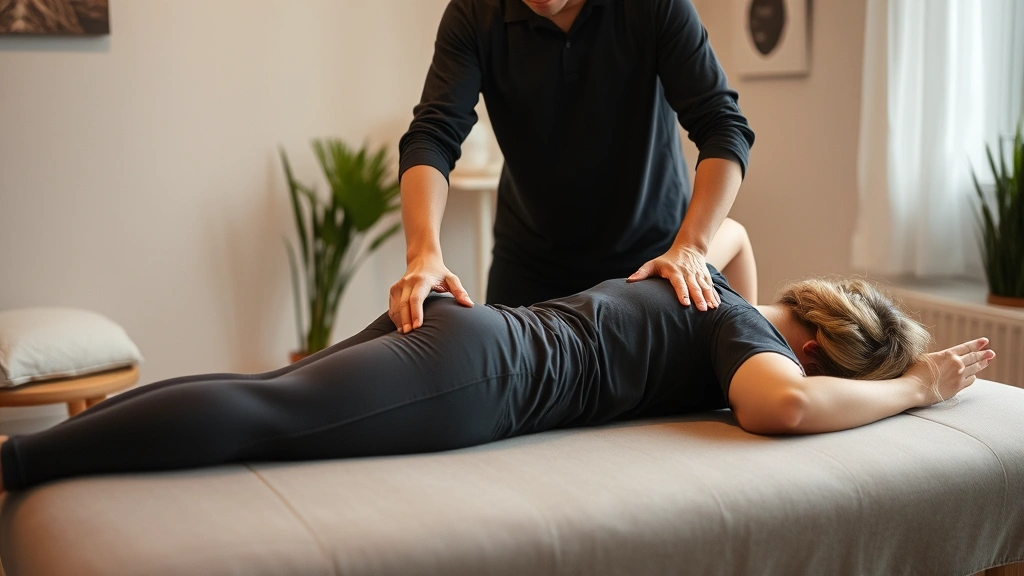
During a typical fascial stretch therapy session, a trained practitioner uses gentle, sustained stretches combined with movement patterns and breathing techniques. The therapist may use props, tables, or their hands to guide clients through positions that encourage fascia to become more hydrated, organized, and functional. Sessions typically last 60 minutes and focus on areas of restriction or dysfunction based on the client’s specific needs and goals.
The methodology draws from several disciplines including yoga, Pilates, physical therapy, and myofascial release techniques. Practitioners argue that by improving fascial mobility and reducing restrictions, clients experience better movement patterns, reduced pain, improved athletic performance, and enhanced overall wellness. The approach gained prominence through the work of John Barnes and others who have researched and developed myofascial release techniques over the past several decades.
The Science Behind Fascia and Mobility
To evaluate whether fascial stretch therapy works, it’s important to understand the scientific basis for why fascia matters. Recent research has revolutionized our understanding of fascia, moving it from a structure once considered merely a passive wrapper to recognition as a dynamic, highly innervated, and functionally significant system.
The fascia contains numerous nerve endings and sensory receptors that communicate with the central nervous system. It produces and responds to inflammatory mediators, contains immune cells, and plays a crucial role in proprioception—our body’s ability to sense its position in space. When fascia becomes restricted, dehydrated, or develops adhesions, these changes can affect movement quality, pain perception, and overall function.
Research published in peer-reviewed journals has demonstrated that fascia has properties distinct from the muscles it surrounds. Studies examining fascia under microscopy have revealed its complex architecture and its role in transmitting force throughout the body. The concept of “tensegrity” in biomechanics suggests that the body functions as an integrated system where fascia plays a critical role in maintaining structural integrity and distributing mechanical loads.
However, it’s important to note that while fascial science has advanced significantly, some claims made by fascial stretch therapy advocates exceed current scientific evidence. The field continues to evolve, with researchers working to better understand exactly how fascial restrictions develop and how various interventions affect fascial tissue.
Research Evidence and Clinical Studies
When examining whether fascial stretch therapy works, we must look at the available research evidence. The scientific literature on fascial stretch therapy specifically is still developing, though related fields like myofascial release and stretching have more extensive research bases.
Several studies have examined the effects of myofascial release and fascial-focused interventions on flexibility, pain, and function. A systematic review examining self-myofascial release techniques found moderate evidence supporting improvements in flexibility and reduced muscle soreness. Research on stretching interventions generally demonstrates improvements in range of motion, particularly when stretching is performed consistently over time.
Studies examining National Center for Biotechnology Information research databases show that manual therapy techniques targeting fascia and connective tissue can produce measurable improvements in movement quality and pain reduction. However, many studies have small sample sizes, and high-quality randomized controlled trials specifically examining fascial stretch therapy remain limited.
Research from the Fascia Research Society has contributed significantly to our understanding of fascial anatomy and physiology. Their publications highlight the complexity of fascia and its multiple roles in human function, though more research is needed to validate specific therapeutic approaches.
A key limitation in current research is the challenge of measuring fascial changes objectively. Unlike muscle strength, which can be measured with dynamometers, or flexibility, which can be measured with goniometers, assessing actual changes in fascial tissue requires advanced imaging techniques that are not always practical in clinical settings.
Benefits According to Practitioners
Practitioners and proponents of fascial stretch therapy report numerous benefits for their clients. These claimed benefits include improved flexibility and range of motion, reduced muscle tension and pain, better athletic performance, enhanced body awareness, improved posture, faster recovery from injuries, and reduced chronic pain conditions.
Many athletes have incorporated fascial stretch therapy into their training routines, reporting subjective improvements in mobility and performance. Physical therapists sometimes incorporate fascial stretch techniques into broader rehabilitation programs for patients recovering from injuries or managing chronic conditions.
Clients often report feeling more relaxed, experiencing reduced muscle tightness, and noticing improvements in movement quality following sessions. The mind-body connection aspect of the therapy—which emphasizes awareness, breathing, and conscious movement—may contribute to perceived benefits through neurophysiological mechanisms including nervous system regulation and proprioceptive enhancement.
Some practitioners claim that fascial stretch therapy can help address specific conditions including plantar fasciitis, frozen shoulder, lower back pain, and sports-related injuries. While individual case reports and testimonials are promising, these represent anecdotal evidence rather than rigorous scientific proof.
Interestingly, many of the reported benefits align with what we know about benefits from physical therapy approaches, suggesting that multiple modalities may produce similar outcomes through different mechanisms.
Comparing to Other Therapy Methods
To properly evaluate fascial stretch therapy’s effectiveness, it’s useful to compare it with other established modalities. Traditional static stretching, dynamic stretching, yoga, Pilates, massage therapy, and conventional physical therapy all target flexibility, mobility, and pain reduction through different mechanisms.
Static stretching—holding a position for 20-60 seconds—remains the most studied stretching modality and has demonstrated effectiveness for improving flexibility. However, research suggests that static stretching immediately before athletic performance may temporarily reduce power output, leading to recommendations for dynamic stretching prior to activity.
Yoga and Pilates both improve flexibility and body awareness while providing additional benefits like strength development and mindfulness. These practices have substantial research support and long historical use, though they approach the body differently than fascial stretch therapy.
Massage therapy and myofascial release techniques share similarities with fascial stretch therapy and have demonstrated effectiveness for pain reduction and improved range of motion. Some practitioners combine fascial stretch therapy with other modalities in comprehensive treatment plans.
Physical therapy, guided by physical therapists with advanced training, typically combines multiple evidence-based techniques including stretching, strengthening, movement education, and manual therapy. Physical therapy has extensive research support and is often covered by insurance when prescribed for specific conditions.
The comparison reveals that fascial stretch therapy may offer value as one component of a comprehensive approach to mobility and pain management, though it’s not necessarily superior to other well-established modalities. The best approach often depends on individual preferences, specific conditions, and access to qualified practitioners.
What Experts Say About Effectiveness
Experts in sports medicine, physical therapy, and orthopedics have varying perspectives on fascial stretch therapy. Some acknowledge the potential benefits while noting that more research is needed. Others emphasize that while the approach isn’t harmful, claims about its specific mechanisms and effectiveness should be viewed with appropriate skepticism until better evidence emerges.
Dr. Thomas Merrick and other leaders in myofascial research have contributed to understanding fascia’s role in human movement. Their work supports the idea that addressing fascial restrictions can improve function, though the exact mechanisms remain areas of active investigation.
Physical therapists generally recognize that stretching and manual therapy techniques can improve outcomes for patients, though many emphasize that movement, strengthening, and functional training are equally important. Some physical therapists incorporate fascial stretch techniques into their practice as one tool among many.
Sports medicine physicians often recommend a multimodal approach to injury prevention and recovery that may include stretching, strengthening, proper movement patterns, adequate recovery, and when appropriate, manual therapy. They typically emphasize that no single modality is a cure-all.
The consensus among evidence-based practitioners seems to be that fascial stretch therapy can produce benefits for some individuals, particularly for improving flexibility and reducing muscle tension, but it should not replace other essential components of fitness and health like strength training, cardiovascular exercise, proper nutrition, and sleep. Additionally, for specific medical conditions, appropriate medical evaluation and evidence-based treatment should take precedence.

Potential Limitations and Considerations
While fascial stretch therapy has potential benefits, several important limitations and considerations deserve mention. First, the quality and training of practitioners varies significantly. Unlike physical therapists who must complete extensive education and licensure, fascial stretch therapy practitioners may have widely varying levels of training and credentials. This variability affects the quality of care received.
Second, individual responses to fascial stretch therapy vary considerably. What produces dramatic improvements for one person may produce minimal benefits for another. Factors affecting response include the underlying cause of restriction or pain, individual tissue characteristics, nervous system sensitivity, and overall health status.
Third, fascial stretch therapy may not be appropriate for certain conditions. People with acute injuries, inflammatory conditions, or specific medical diagnoses should consult with healthcare providers before beginning any new therapy. Some conditions require medical treatment rather than manual therapy.
Fourth, the cost of fascial stretch therapy sessions can be significant—typically $100-200 per hour—and insurance often doesn’t cover it, making it inaccessible for many people. More affordable alternatives like self-stretching, yoga, or red light therapy combined with movement may provide similar benefits.
Fifth, while practitioners report benefits, the research evidence base remains smaller than for some other therapeutic modalities. The mechanisms by which fascial stretch therapy produces benefits aren’t fully understood, and some claimed benefits may result from placebo effects, expectancy, the therapeutic relationship, or general stretching benefits rather than specific fascial effects.
Finally, fascial stretch therapy works best as part of a comprehensive approach to health that includes regular movement, strength training, proper nutrition, stress management, and adequate sleep. It shouldn’t be viewed as a standalone solution to pain or mobility issues.
How to Find Quality Practitioners
If you’re interested in trying fascial stretch therapy, finding a qualified practitioner is essential. Look for practitioners who have completed formal training programs in fascial stretch therapy or myofascial release from reputable organizations. Some relevant certifications include those from the National Board of Certification for Animal Acupressure and Massage, or specific training in fascial stretch therapy techniques.
Ideally, seek practitioners who also have backgrounds in related fields like physical therapy, athletic training, or massage therapy, as these credentials indicate broader knowledge of anatomy, physiology, and therapeutic principles. Ask about their training, credentials, experience, and approach.
Read reviews and ask for references from previous clients. A good practitioner should conduct a thorough assessment, ask about your health history and goals, and explain their approach clearly. They should also be willing to collaborate with your other healthcare providers and refer you to appropriate medical care if needed.
Consider starting with a consultation to discuss your specific situation before committing to multiple sessions. A qualified practitioner will be honest about what fascial stretch therapy can and cannot address, rather than making grandiose claims about curing serious conditions.
If you’re recovering from an injury or managing a specific medical condition, consult with your physician or physical therapist before beginning fascial stretch therapy. They can help determine whether it’s appropriate for your situation and can coordinate care if you proceed.
You might also explore whether therapy resources and professional recommendations in your area can guide you toward qualified practitioners. Many physical therapy centers can recommend complementary practitioners they work with.
Frequently Asked Questions
Is fascial stretch therapy backed by scientific evidence?
Fascial stretch therapy has some supporting research, though the evidence base is smaller than for some other modalities like traditional stretching or physical therapy. Research on related techniques like myofascial release shows promise, but high-quality studies specifically on fascial stretch therapy remain limited. More research is needed to fully validate claims about its mechanisms and effectiveness.
How often should someone receive fascial stretch therapy?
Frequency recommendations vary, but many practitioners suggest weekly or bi-weekly sessions for initial treatment, potentially spacing out to monthly maintenance sessions. However, the optimal frequency hasn’t been rigorously studied. Your specific situation, goals, and response to treatment should guide frequency decisions.
Can fascial stretch therapy replace physical therapy?
For most conditions, fascial stretch therapy shouldn’t replace physical therapy prescribed by a licensed physical therapist. Physical therapy typically includes strengthening, functional training, and movement education in addition to stretching and manual therapy. A comprehensive approach usually produces better outcomes than any single modality alone.
Is fascial stretch therapy safe?
Fascial stretch therapy is generally considered safe when performed by trained practitioners on appropriate clients. However, people with certain conditions, acute injuries, or specific medical diagnoses should consult healthcare providers first. The safety profile is generally favorable, though serious adverse events are rare.
How much does fascial stretch therapy cost?
Fascial stretch therapy sessions typically cost $100-200 per hour, varying by location and practitioner experience. Most insurance doesn’t cover it, making it an out-of-pocket expense. This cost should be considered when evaluating whether to pursue this modality compared to alternatives.
Can I do fascial stretch therapy on myself?
Some aspects of fascial stretch therapy can be self-administered, though professional sessions offer advantages. Self-stretching, foam rolling, and self-massage techniques can provide benefits, though they don’t fully replicate the hands-on guidance and assessment a trained practitioner provides.
What’s the difference between fascial stretch therapy and regular stretching?
Fascial stretch therapy specifically targets fascia and uses particular techniques, sequencing, and approaches distinct from traditional stretching. However, both improve flexibility and mobility. Fascial stretch therapy may offer additional benefits through its focus on the entire fascial system, though research comparing the two directly is limited.