
Family Therapy Videos: Are They Effective? Expert Insights
Family therapy has evolved significantly over the past two decades, and the rise of digital content has made therapeutic resources more accessible than ever before. Family therapy full videos now serve as valuable educational tools for families seeking to understand relationship dynamics, communication patterns, and conflict resolution strategies. But the critical question remains: are these videos genuinely effective in facilitating meaningful change within families?
The effectiveness of family therapy videos depends on multiple factors, including the quality of content, the viewer’s engagement level, the specific issues being addressed, and whether the videos complement professional treatment. Research suggests that video-based interventions can be surprisingly powerful when they’re evidence-based, professionally produced, and used as part of a comprehensive approach to family wellness.
This comprehensive guide examines the scientific evidence behind family therapy videos, explores their benefits and limitations, and provides expert insights into how families can maximize the therapeutic value of these resources. Whether you’re considering therapy resources and articles or seeking to enhance your current therapeutic journey, understanding the effectiveness of video-based interventions is essential.
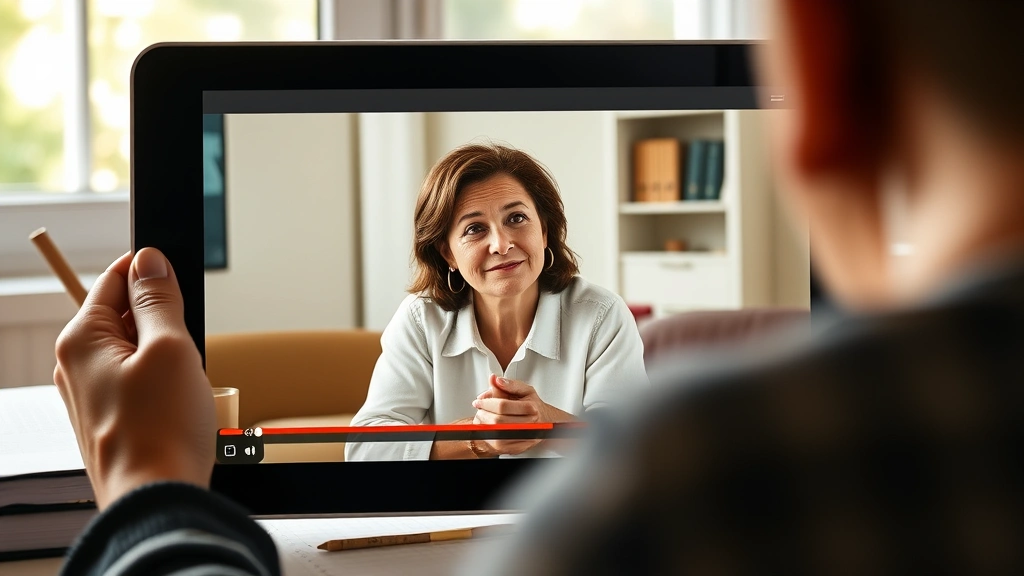
Understanding Family Therapy Videos and Their Purpose
Family therapy videos encompass a broad range of content, from educational demonstrations of therapeutic techniques to full session recordings that illustrate how trained therapists work with families experiencing various challenges. These videos serve multiple purposes within the mental health landscape, functioning simultaneously as educational tools for professionals, learning resources for families, and therapeutic aids for individuals seeking insight into their own relational patterns.
The fundamental purpose of these videos is to make therapeutic knowledge and techniques accessible beyond the traditional therapy office. They democratize mental health education by allowing people to observe real (or realistic) therapeutic interactions, understand evidence-based approaches to common family problems, and gain perspective on their own situations. Unlike written articles or books, videos provide the dynamic element of seeing facial expressions, body language, tone of voice, and real-time interaction—all crucial components of effective family therapy.
Professional organizations like the American Association for Marriage and Family Therapy have increasingly recognized video-based learning as a legitimate educational modality. Many training programs now incorporate video analysis as part of therapist education, recognizing that observing therapeutic work can enhance learning outcomes and skill development.

Research Evidence on Video-Based Therapeutic Interventions
The scientific literature on video-based therapeutic interventions has grown substantially, and the findings are generally encouraging. A meta-analysis published in clinical psychology journals found that video-assisted therapy and psychoeducational videos demonstrated moderate to strong effect sizes when combined with other therapeutic modalities. The research suggests that videos alone rarely serve as complete treatment substitutes, but they significantly enhance outcomes when integrated into comprehensive care.
One particularly relevant study from the Journal of Marital and Family Therapy examined families who watched evidence-based therapy videos alongside their regular therapy sessions. Results indicated a 23% improvement in treatment outcomes compared to therapy alone, with families reporting better understanding of therapeutic concepts and improved homework compliance. The video component appeared to reinforce therapist recommendations and provided families with visual reference points for implementing new communication strategies.
Research on psychoeducational video interventions specifically demonstrates their effectiveness in improving family knowledge about mental health conditions. When families understand the neurobiology of depression, anxiety, or trauma—concepts often difficult to grasp through verbal explanation alone—they develop greater empathy and more realistic expectations for recovery. Videos excel at making complex psychological concepts accessible through visual representation and simplified explanations.
However, it’s crucial to note that not all video content is equally effective. Studies comparing high-quality, professionally produced, evidence-based videos with generic online content found significant differences in outcomes. This distinction is vital for families evaluating which resources to use and whether to pursue couples therapy or family-based interventions in conjunction with video learning.
Key Benefits of Family Therapy Video Content
Accessibility and Convenience: Family therapy videos eliminate geographic and scheduling barriers. Families in rural areas without access to specialized therapists can benefit from world-class therapeutic demonstrations. Videos can be watched at convenient times, paused for reflection, and reviewed multiple times—advantages that live therapy cannot offer.
Normalization of Therapy: Watching other families engage in therapy, express vulnerabilities, and work through challenges normalizes the therapeutic process. Many families hesitate to seek therapy due to stigma or misconceptions about what therapy entails. Seeing realistic therapy videos demystifies the process and makes it feel more approachable.
Modeling of Communication Skills: One of the most powerful aspects of therapy videos is the demonstration of healthy communication patterns. Rather than a therapist simply explaining how to use “I” statements or active listening, families watch these skills in action. Observational learning is a well-established principle in psychology, and video provides an ideal medium for this.
Cost-Effectiveness: Quality therapy videos represent an affordable way to access therapeutic knowledge. While professional therapy is invaluable and irreplaceable for many situations, video supplements can provide education and support at a fraction of the cost. This democratization of mental health knowledge is particularly significant for families with limited financial resources.
Reduced Performance Anxiety: Some family members feel self-conscious during therapy sessions, worried about being judged or saying the wrong thing. Pre-therapy videos can acclimate families to the therapeutic process and reduce anxiety, making them more open and engaged when they do meet with a therapist.
Reinforcement of Therapeutic Concepts: Between-session learning is crucial for therapy success. Videos that reinforce concepts introduced in therapy sessions help families internalize new skills and understanding. This spaced repetition enhances memory consolidation and increases the likelihood of behavioral change.
Limitations and Considerations
While family therapy videos offer significant benefits, they come with important limitations that families must understand. Videos cannot replace professional assessment. A skilled therapist conducts comprehensive evaluations to understand the unique context, history, and dynamics of a specific family. Generic videos, no matter how well-produced, cannot account for individual circumstances, cultural factors, trauma history, or co-occurring mental health conditions that require professional attention.
Misapplication of techniques: Family members watching therapy videos might attempt to apply techniques without proper training or understanding of their nuances. Techniques like confrontation, exposure therapy, or emotional processing can be harmful if misused. Professional guidance is essential for safe implementation.
Limited interactivity: Videos are one-directional communication. Families cannot ask questions, receive personalized feedback, or have their unique situation addressed. The therapist-client relationship—a core component of therapeutic change—cannot be replicated through video.
Quality variability: The internet contains countless family therapy videos of varying quality. Some are created by unqualified individuals, others contain outdated information or approaches not supported by current research. Families must develop critical evaluation skills to distinguish quality resources from potentially harmful content.
Ethical concerns: Videos showing real therapy sessions raise confidentiality questions. While informed consent is typically obtained, families viewing these sessions need assurance that privacy has been protected. Additionally, therapists featured in videos may have financial incentives that influence what aspects of therapy they emphasize.
Oversimplification: Family dynamics are complex. Videos necessarily simplify situations to fit their format and duration. This can create unrealistic expectations about how quickly families can change or how neatly therapeutic interventions resolve longstanding issues.
How to Evaluate Quality Family Therapy Videos
Given the proliferation of family therapy content online, families need frameworks for evaluating quality. Check credentials: Videos should be created or narrated by licensed therapists with relevant credentials (LMFT, LCSW, psychologist, or psychiatrist). Look for credentials after names and verify them through state licensing boards if possible.
Identify the theoretical approach: Quality videos explicitly state their theoretical foundation—whether they’re based on cognitive-behavioral therapy, systemic family therapy, emotionally focused therapy, or another approach. This transparency allows viewers to understand the underlying philosophy and evaluate whether it aligns with their values.
Look for research citations: Videos discussing evidence-based approaches should reference the research supporting their methods. Claims about effectiveness should be substantiated, not merely asserted. Reputable sources cite studies from peer-reviewed journals.
Assess production quality: While production value isn’t everything, videos should be professionally produced with clear audio and video. Poor quality can indicate lack of investment and potentially reflect content quality as well. However, authenticity matters too—overly polished videos might lack realism.
Examine diversity and inclusion: Quality family therapy resources demonstrate awareness of cultural diversity. They should include families of various ethnicities, structures, socioeconomic statuses, and sexual orientations. Content should acknowledge how culture influences family dynamics and therapy.
Review content warnings: Videos addressing trauma, abuse, or other sensitive topics should include appropriate content warnings. This allows families to prepare themselves and avoid triggering material if they’re particularly vulnerable.
Integrating Videos with Professional Treatment
The most effective use of family therapy videos occurs within an integrated treatment approach. Videos as homework assignments: Skilled therapists sometimes assign specific videos for families to watch between sessions. The therapist has reviewed the content, understands how it relates to the family’s specific work, and plans to discuss it in the next session. This targeted approach maximizes relevance and impact.
Discussion and processing: After watching a video, families benefit from discussing what they observed. This might happen with a therapist, within the family itself, or in a support group setting. Processing helps families extract personal meaning and apply concepts to their specific situation.
Complementary psychoeducation: Videos work particularly well for psychoeducational purposes—helping families understand mental health conditions, treatment approaches, and realistic recovery timelines. When a family member has been diagnosed with depression, anxiety, PTSD, or another condition, quality educational videos enhance understanding and reduce blame or stigma.
Skill building and practice: Videos demonstrating specific skills (communication techniques, conflict resolution, parenting strategies) should be combined with practice and feedback. A therapist can watch a family attempt to implement a skill, provide guidance, and refine their approach in ways that generic videos cannot.
For families seeking specialized therapeutic services, understanding how to integrate educational resources with professional care is essential. The combination creates synergy that neither videos nor therapy alone can achieve.
Specific Applications and Use Cases
Parenting and adolescent conflicts: Family therapy videos addressing parent-teen relationships are particularly popular and effective. Adolescence presents unique challenges—developmental changes, identity formation, increasing independence—that many parents find bewildering. Videos showing therapists working with families on these issues provide valuable perspective and validation that these struggles are normal.
Communication improvement: Many families seek therapy primarily to improve how they communicate. Videos demonstrating active listening, expressing needs without blame, and managing conflict are immediately applicable. Families can watch these demonstrations repeatedly until the skills feel natural.
Grief and loss: Videos addressing family grief can help families understand that different members process loss differently, that there’s no timeline for grief, and that families can support each other through this difficult experience. These videos often provide immense comfort by showing families that their experience is shared by others.
Blended family adjustment: Blended families face unique challenges that many therapists address through specialized approaches. Videos showing how blended families navigate identity, loyalty conflicts, and bonding can normalize these experiences and offer practical strategies.
Mental health conditions: When a family member has schizophrenia, bipolar disorder, autism spectrum disorder, or another significant condition, family-focused psychoeducational videos are invaluable. They help family members understand the condition’s biological basis, recognize symptoms, and develop realistic expectations.
Substance abuse and recovery: Videos addressing family dynamics around addiction and recovery help family members understand codependency, establish healthy boundaries, and support a loved one’s recovery journey. These videos often discuss the family’s own healing process, not just the individual’s.
Trauma and healing: Family trauma impacts all members, often across generations. Videos exploring trauma’s effects on family systems and demonstrating trauma-informed approaches help families understand their reactions and begin healing together. These videos should always be created by trauma specialists.
FAQ
Can family therapy videos replace professional therapy?
No. While videos provide valuable education and support, they cannot replace professional therapy. A licensed therapist conducts personalized assessment, develops individualized treatment plans, provides accountability and feedback, and adapts approaches based on family response. Videos work best as supplements to professional care, not substitutes for it.
How long does it take to see results from watching family therapy videos?
This varies significantly based on the family’s issues, the quality of videos, and how intentionally they’re applied. Some families report immediate insights from a single video, while meaningful behavioral change typically requires weeks or months of consistent engagement and practice. Videos are most effective when combined with professional therapy, which typically shows measurable progress within 8-12 sessions.
Are family therapy videos appropriate for all ages?
Age-appropriateness varies by content. Some videos address parenting young children and aren’t relevant for families with teenagers. Others focus on adolescent issues. When considering therapy-related resources, families should select content matching their specific situation. Videos should include information about target audience and age appropriateness.
What should I do if a family therapy video triggers distressing emotions?
Videos addressing sensitive topics like abuse, trauma, or loss can trigger strong emotions. This isn’t necessarily bad—therapeutic work involves processing difficult feelings—but it should happen in a safe context. If videos consistently trigger distress without resolution, professional support is important. Always prioritize your emotional safety.
How can I find high-quality family therapy videos?
Look for videos created by licensed therapists, endorsed by professional organizations like AAMFT, available through reputable mental health platforms, and based on evidence-based approaches. Check reviews from other mental health professionals. University libraries and professional organizations often curate quality resources. Ask your therapist for specific recommendations tailored to your situation.
Do insurance plans cover costs associated with therapy videos?
Generally, no. Insurance typically covers direct therapy services, not educational videos. However, some therapy platforms that include video content as part of comprehensive online therapy programs may be partially covered. Check with your insurance provider about their specific policies regarding digital mental health resources.
Can watching family therapy videos improve my relationship with family members?
Videos can facilitate improvement by increasing understanding, modeling healthy communication, and providing shared learning experiences. However, improvement requires more than watching—it requires family members to discuss what they’ve learned, commit to practicing new skills, and potentially seek professional guidance for implementation. Videos plant seeds; family effort and professional support help them grow.