
Is Expressive Arts Therapy Effective? Expert Insights and Evidence-Based Research
Expressive arts therapy has emerged as a compelling therapeutic approach that harnesses the power of creative expression to facilitate emotional healing and psychological growth. By integrating visual art, music, dance, drama, and writing, this multidisciplinary field offers individuals alternative pathways to process complex emotions, trauma, and mental health challenges. As mental health awareness continues to expand globally, understanding whether expressive arts therapy delivers measurable therapeutic benefits has become increasingly important for practitioners, patients, and healthcare systems alike.
The effectiveness of expressive arts therapy rests on a foundation of psychological theory, neuroscience research, and documented clinical outcomes. Unlike talk-based interventions alone, expressive arts therapy engages multiple sensory systems and cognitive pathways, potentially creating unique opportunities for healing. This comprehensive exploration examines the scientific evidence, clinical applications, and expert perspectives that illuminate whether expressive arts therapy truly delivers the transformative results its advocates promise.

Understanding Expressive Arts Therapy Fundamentals
Expressive arts therapy represents an interdisciplinary therapeutic practice that leverages creative modalities as primary mechanisms for psychological intervention and emotional expression. Rooted in humanistic psychology and psychodynamic theory, this approach recognizes that not all human experience can be adequately expressed through verbal communication alone. The therapeutic alliance between client and practitioner occurs within a creative container where artistic expression becomes the primary vehicle for exploration, insight, and transformation.
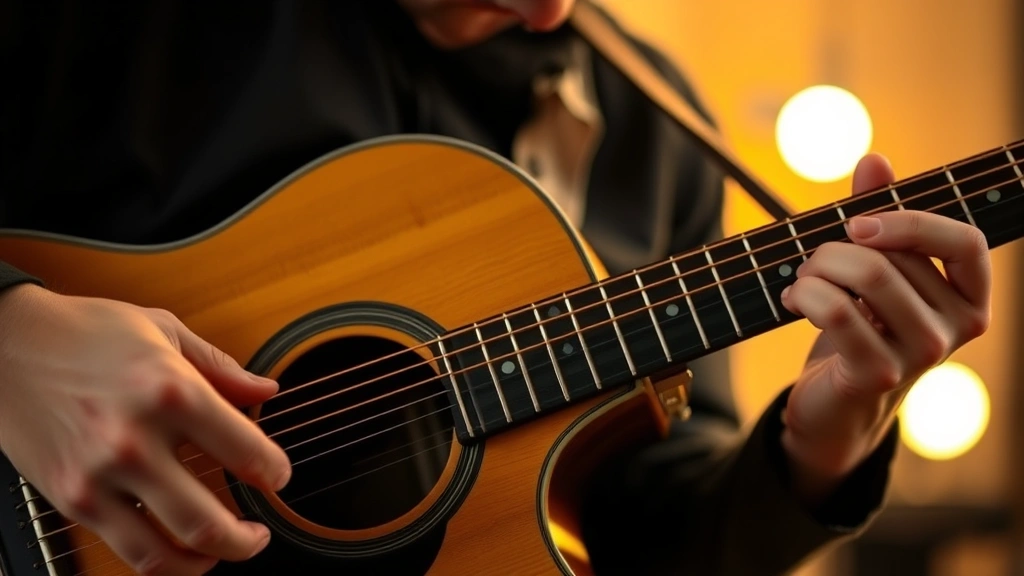
The field encompasses multiple creative disciplines working synergistically. Visual art therapy utilizes painting, drawing, and sculpture to externalize internal experiences. Music therapy employs rhythm, melody, and sound to access emotional states and facilitate neurological healing. Dance/movement therapy engages the body as a primary therapeutic tool, recognizing the intrinsic connection between somatic experience and psychological processing. Drama therapy utilizes theatrical techniques and role-play to explore interpersonal dynamics and personal narratives. Writing therapy harnesses the power of narrative and linguistic expression to create meaning from lived experience. When these modalities work together, they create a comprehensive framework for addressing psychological complexity that often exceeds the capacity of single-modality approaches.
Practitioners in this field typically complete rigorous training programs combining theoretical foundations, supervised clinical practice, and personal creative development. Credentialing bodies such as the American Art Therapy Association and the American Music Therapy Association establish standards ensuring practitioners possess adequate training and clinical competence. This professionalization of expressive arts therapy has strengthened its credibility within mainstream healthcare systems and research communities.
Scientific Evidence Supporting Effectiveness
Contemporary research increasingly validates the effectiveness of expressive arts therapy across diverse populations and clinical presentations. Meta-analyses and systematic reviews have documented significant therapeutic benefits, though researchers emphasize the need for continued rigorous investigation. A landmark study published in the Journal of the American Art Therapy Association demonstrated that art therapy interventions produced measurable reductions in anxiety, depression, and trauma symptoms comparable to established psychotherapeutic approaches.
Neuroimaging research reveals compelling mechanisms explaining expressive arts therapy’s effectiveness. When individuals engage in creative expression, brain imaging shows activation in regions associated with emotional processing, memory integration, and executive function. These neurological changes correspond with reported improvements in symptom severity and psychological functioning. Studies utilizing functional MRI technology demonstrate that creative engagement activates the prefrontal cortex while simultaneously downregulating amygdala reactivity—essentially reducing emotional reactivity while enhancing cognitive control.
The research supporting music therapy shows particularly robust outcomes. Meta-analyses indicate that music-based interventions produce significant improvements in mood, anxiety, and stress-related symptoms. One comprehensive review analyzing over 100 randomized controlled trials found that music therapy interventions demonstrated effect sizes comparable to pharmaceutical interventions for anxiety and depression, with the added benefit of minimal adverse effects. These findings have prompted major medical institutions to integrate music therapy into standard treatment protocols for hospitalized patients, cardiac rehabilitation, and mental health services.
Dance/movement therapy research documents significant benefits for both physical and psychological health. Studies demonstrate improvements in body image, self-esteem, emotional regulation, and social connection. Particularly compelling research shows that dance therapy interventions produce meaningful outcomes for trauma survivors, individuals with autism spectrum disorder, and patients with neurodegenerative conditions. The embodied nature of this modality appears to facilitate integration of somatic trauma stored in the nervous system, offering therapeutic pathways unavailable through cognitive interventions alone.
Clinical Applications and Therapeutic Outcomes
Expressive arts therapy demonstrates clinical effectiveness across remarkably diverse populations and settings. Within mental health treatment frameworks, practitioners integrate expressive arts approaches with evidence-based interventions like cognitive-behavioral therapy, creating hybrid treatment modalities that leverage complementary strengths. This integration has proven particularly valuable for clients who struggle with traditional talk therapy or possess limited verbal processing capacity.
In trauma-informed care settings, expressive arts therapy offers critical advantages. Trauma survivors often experience fragmented memories and difficulty verbalizing traumatic experiences. Creative expression bypasses linguistic limitations, allowing individuals to process trauma at their own pace without requiring explicit verbal articulation. Art therapists working with trauma survivors report that the creative process itself facilitates gradual integration of traumatic material, reducing intrusive symptoms and facilitating post-traumatic growth. This approach aligns with contemporary trauma neurobiology understanding that healing requires engaging multiple brain systems beyond the verbal/cognitive domain.
Pediatric applications showcase expressive arts therapy’s particular utility with younger populations. Children often lack the cognitive development and verbal sophistication necessary for traditional talk therapy. Creative modalities provide developmentally appropriate pathways for emotional expression and psychological processing. Teachers, school counselors, and child psychologists increasingly recommend expressive arts interventions for addressing anxiety, behavioral difficulties, grief, and adjustment challenges in children. The playful, non-threatening nature of creative expression facilitates engagement with therapeutic content that might otherwise provoke resistance in young clients.
Geriatric populations represent another area where expressive arts therapy demonstrates substantial clinical value. Older adults experiencing cognitive decline, grief, loss, and existential concerns often benefit from creative engagement. Music therapy in particular shows robust outcomes for individuals with dementia and Alzheimer’s disease, with research documenting improvements in behavioral symptoms, emotional responsiveness, and quality of life. The embodied, sensory nature of creative expression appears to access neural pathways that remain functional even as verbal memory and cognitive abilities decline.
Neurobiological Mechanisms Behind Creative Healing
Understanding the neurobiological basis of expressive arts therapy’s effectiveness requires examining how creative engagement influences brain structure and function. The creative process activates the default mode network—a constellation of brain regions associated with self-referential thinking, emotional processing, and meaning-making. Simultaneously, creative engagement enhances connectivity between the prefrontal cortex and limbic system, facilitating improved emotional regulation and cognitive control.
Neurotransmitter systems respond measurably to creative engagement. Art-making and music listening stimulate dopamine release, reinforcing motivation and reward processing. This neurochemical response partly explains why individuals often experience increased motivation and engagement during expressive arts therapy sessions. Additionally, creative expression activates endogenous opioid systems, contributing to the pain-relieving and mood-enhancing effects frequently reported by therapy participants.
The polyvagal theory, developed by neuroscientist Stephen Porges, provides additional neurobiological framework explaining expressive arts therapy effectiveness. This theory describes how the vagal nervous system regulates emotional and physiological states. Creative activities, particularly music and movement, directly influence vagal tone, promoting shifts from sympathetic activation (fight-or-flight) toward parasympathetic activation (rest-and-digest). This physiological rebalancing creates optimal conditions for emotional processing and psychological healing. Dance therapy, in particular, engages the vestibular and proprioceptive systems, providing direct sensory input that recalibrates nervous system functioning.
Neuroplasticity research demonstrates that sustained creative engagement produces lasting changes in brain structure and function. Individuals who regularly participate in expressive arts activities show increased gray matter volume in regions associated with emotional processing and social cognition. These structural changes correlate with sustained improvements in psychological symptoms and enhanced emotional regulation capacity. This neuroplasticity mechanism suggests that expressive arts therapy produces not merely temporary symptom relief but potentially durable neural reorganization supporting long-term psychological health.
Expressive Arts Therapy for Specific Mental Health Conditions
Research increasingly documents expressive arts therapy’s effectiveness for specific diagnostic conditions. For depression, meta-analyses indicate that art therapy produces significant improvements in mood, hopelessness, and suicidal ideation. The creative process appears to interrupt rumination patterns characteristic of depressive disorders while simultaneously facilitating meaning-making and reconnection with valued life domains. Integration with conventional antidepressant treatment appears to enhance outcomes beyond medication alone.
Anxiety disorders respond particularly well to music and movement-based interventions. Research demonstrates that rhythmic music listening reduces physiological markers of anxiety including heart rate variability and cortisol elevation. Dance therapy and body-based creative approaches help anxious individuals develop improved somatic awareness and nervous system regulation capacity. For individuals experiencing generalized anxiety disorder, expressive arts modalities offer complementary approaches to traditional cognitive interventions.
Post-traumatic stress disorder represents a condition where expressive arts therapy has demonstrated particularly compelling outcomes. Trauma-focused art therapy helps survivors externalize intrusive trauma memories, gradually processing overwhelming material at manageable intensity levels. Drama therapy techniques facilitate safe exploration of trauma-related interpersonal dynamics. Music therapy addresses trauma-related hyperarousal and sleep disturbance. These modality-specific applications often produce outcomes comparable to trauma-focused cognitive-behavioral therapy, with some research suggesting combined approaches yield superior results.
Substance use disorders increasingly incorporate expressive arts approaches within comprehensive treatment programs. Creative expression provides alternative reward pathways and stress-management strategies that compete with substance use reinforcement. Art therapy facilitates exploration of underlying emotional pain and trauma driving addictive behaviors. Music therapy supports neurological healing from substance-induced brain changes. Movement therapy addresses the physical deconditioning and somatic dysregulation common in recovery populations. These integrated approaches enhance engagement and outcomes within addiction treatment settings.
Autism spectrum disorder represents another area where expressive arts therapy offers particular value. Many autistic individuals possess strengths in visual-spatial processing, pattern recognition, and sensory engagement that creative modalities can leverage therapeutically. Music therapy, in particular, shows robust outcomes for autistic individuals, improving social communication, emotional regulation, and sensory integration. Art and movement therapies provide non-threatening pathways for social engagement and self-expression that accommodate autistic sensory preferences and communication styles.
Integration with Conventional Treatment Approaches
Contemporary mental health practice increasingly recognizes expressive arts therapy’s value as complement rather than replacement for evidence-based interventions. Integration models combine creative modalities with therapeutic approaches like cognitive-behavioral therapy, acceptance and commitment therapy, and psychodynamic psychotherapy. This integrative framework leverages each modality’s particular strengths while addressing limitations inherent to single-modality approaches.
Psychiatrists and psychologists increasingly refer patients to expressive arts therapists as adjunctive treatment components. This collaborative care model recognizes that pharmaceutical interventions and cognitive interventions address certain aspects of mental health while creative modalities address others. A patient receiving antidepressant medication and cognitive-behavioral therapy might simultaneously engage in art therapy to process trauma material and music therapy to address stress-related physiological dysregulation. This comprehensive approach acknowledges the multifaceted nature of mental health conditions and the utility of diverse therapeutic tools.
Within clinical settings, expressive arts therapy practitioners increasingly work on interdisciplinary teams alongside psychiatrists, psychologists, social workers, and speech therapists. This collaborative model ensures coordinated care addressing clients’ complex needs through multiple therapeutic lenses. Team communication facilitates case formulation incorporating insights from diverse professional perspectives, resulting in more comprehensive and effective treatment planning.
Research examining combined treatment approaches consistently demonstrates superior outcomes compared to single-modality interventions. Clients receiving integrated expressive arts and cognitive-behavioral treatment for depression show greater symptom reduction and improved treatment engagement compared to either modality alone. Similarly, trauma survivors receiving combined trauma-focused cognitive therapy and art therapy demonstrate superior outcomes in PTSD symptom reduction and post-traumatic growth. These findings support the clinical wisdom of integrative approaches while providing empirical validation for this treatment philosophy.
Limitations and Considerations
Despite compelling evidence, expressive arts therapy possesses limitations requiring honest examination. The research base, while growing, remains smaller than that supporting cognitive-behavioral therapy or pharmaceutical interventions. Many studies employ modest sample sizes, lack control groups, or suffer from methodological limitations reducing evidential strength. Researchers emphasize the need for continued rigorous investigation including large-scale randomized controlled trials, longer-term follow-up assessments, and mechanisms-of-change research.
Therapeutic effectiveness depends substantially on practitioner training, skill, and clinical judgment. Not all individuals calling themselves art therapists, music therapists, or creative practitioners possess equivalent training or clinical competence. Consumers should verify credentials, training, and licensure status when seeking services. Professional organizations like the American Art Therapy Association and American Dance Therapy Association maintain registries of qualified professionals meeting established standards.
Expressive arts therapy may not suit all individuals or all presenting problems. Some clients prefer verbally-focused approaches and experience discomfort with creative modalities. Individuals in acute psychiatric crisis require immediate medical intervention; creative approaches alone cannot substitute for crisis stabilization. Additionally, some conditions benefit primarily from medication or specialized interventions; expressive arts therapy functions as valuable supplement rather than primary treatment for certain presentations.
Cultural considerations require attention within expressive arts therapy practice. Creative expression carries different meanings and acceptability across cultural contexts. Effective practitioners develop cultural humility, adapting approaches respectfully to clients’ cultural backgrounds and values. Art-making, music, dance, and drama hold diverse significance across cultures; practitioners must recognize and honor these differences rather than imposing culturally-specific therapeutic assumptions.
Cost and accessibility represent practical limitations for many individuals. Expressive arts therapy services often involve out-of-pocket expenses since insurance coverage remains inconsistent. Geographic limitations mean many individuals lack access to qualified practitioners. These access barriers disproportionately affect low-income and rural populations, contributing to health equity concerns within mental healthcare.
Frequently Asked Questions
What exactly happens in an expressive arts therapy session?
Sessions vary depending on the specific modality and therapist orientation. Typical sessions involve establishing therapeutic alliance, identifying therapeutic goals, engaging in creative activity (art-making, music listening/playing, movement, writing), and processing the creative experience verbally. Therapists provide materials, guidance, and a safe container for exploration without requiring artistic skill or previous creative experience. The focus remains on the therapeutic process rather than artistic product quality.
Do I need artistic talent to benefit from expressive arts therapy?
Absolutely not. Expressive arts therapy explicitly does not require artistic skill or talent. The therapeutic value derives from the process of creative engagement and emotional expression, not from producing aesthetically sophisticated work. Therapists actively discourage performance orientation, emphasizing that authentic expression matters far more than technical proficiency. Many individuals discover that releasing perfectionist expectations and engaging playfully with creative materials produces unexpected therapeutic benefits.
How does expressive arts therapy compare to traditional talk therapy?
Both approaches offer distinct advantages. Talk therapy excels at cognitive insight, behavioral change planning, and explicit problem-solving. Expressive arts therapy accesses emotional material, somatic experience, and non-verbal processing that traditional talk therapy may miss. Many individuals benefit from combined approaches leveraging each modality’s particular strengths. The choice between approaches depends on individual preferences, presenting problems, and therapeutic goals.
Is expressive arts therapy evidence-based?
Yes, though the evidence base continues developing. Numerous peer-reviewed studies document effectiveness for various conditions. However, evidence quantity and quality vary by modality and condition. Music therapy and art therapy possess relatively robust research bases. The field benefits from ongoing research including large-scale randomized controlled trials and mechanisms-of-change investigations that continue strengthening the empirical foundation.
How long does expressive arts therapy treatment typically last?
Duration varies substantially based on presenting problems, treatment intensity, and individual progress. Some individuals benefit from brief interventions (4-8 sessions) addressing specific issues. Others engage in longer-term treatment (months to years) for complex trauma, chronic mental illness, or personal growth. Therapists collaborate with clients establishing realistic treatment timelines while maintaining flexibility to adjust based on emerging needs and progress.
Can expressive arts therapy replace medication for mental health conditions?
Expressive arts therapy functions most effectively as complement to rather than replacement for medication when medication is clinically indicated. Individuals experiencing severe depression, bipolar disorder, psychosis, or acute anxiety often require pharmaceutical intervention for symptom stabilization. Creative approaches then enhance medication effectiveness and address aspects of healing beyond medication’s scope. Decisions regarding medication should involve psychiatrists and qualified healthcare providers rather than creative practitioners alone.
Where can I find qualified expressive arts therapists?
Professional organizations maintain directories of credentialed practitioners. The American Art Therapy Association, American Music Therapy Association, American Dance Therapy Association, and National Coalition for Creative Arts Therapies Associations provide searchable databases. Additionally, mental health clinics, hospitals, and community mental health centers increasingly employ expressive arts therapists. Verify credentials, licensure, and training when selecting practitioners to ensure you receive services from qualified professionals.