
How Mindfulness Boosts Physical Therapy Results
Physical therapy has long been recognized as an essential treatment modality for injury recovery, pain management, and functional restoration. However, traditional approaches focusing solely on mechanical exercises and manual techniques often miss a crucial component: the mind-body connection. Integrating mindfulness into physical therapy practices has emerged as a transformative approach that significantly enhances treatment outcomes, patient compliance, and long-term recovery success. This evidence-based integration represents a paradigm shift in how therapists approach rehabilitation.
The intersection of mindfulness and physical therapy creates a synergistic effect that addresses not only the physical symptoms but also the psychological barriers to healing. When patients cultivate present-moment awareness during rehabilitation exercises, they develop greater proprioceptive sensitivity, reduce compensatory movement patterns, and experience measurable improvements in pain perception and functional capacity. Research demonstrates that mindfulness-based interventions can accelerate recovery timelines while simultaneously reducing anxiety and depression commonly associated with chronic pain conditions.

Understanding the Mindfulness-Physical Therapy Connection
Mindfulness, defined as non-judgmental, present-moment awareness, fundamentally changes how individuals engage with their rehabilitation process. Traditional physical therapy for kids and adults alike often treats the body as a mechanical system requiring specific exercises performed in prescribed sequences. While this mechanical approach has merit, it frequently neglects the psychological and emotional dimensions that profoundly influence recovery outcomes.
When therapists introduce mindfulness components, patients shift from autopilot execution of exercises to deliberate, conscious engagement with movement. This heightened awareness enables individuals to notice subtle changes in their bodies, recognize pain patterns, and adjust their approach in real-time. For example, a patient recovering from a rotator cuff injury who practices mindfulness during shoulder mobility exercises can immediately detect compensatory tension in their neck or upper back, allowing them to correct the movement pattern before reinforcing dysfunctional motor patterns.
The integration of mindfulness into physical therapy also addresses the mind-body relationship that directly impacts healing. Chronic stress and anxiety activate the sympathetic nervous system, increasing muscle tension, reducing blood flow to affected areas, and impairing the body’s natural healing mechanisms. Mindfulness practices activate the parasympathetic nervous system, creating an optimal physiological state for tissue repair and functional recovery.
Neurobiological Mechanisms Behind the Benefits
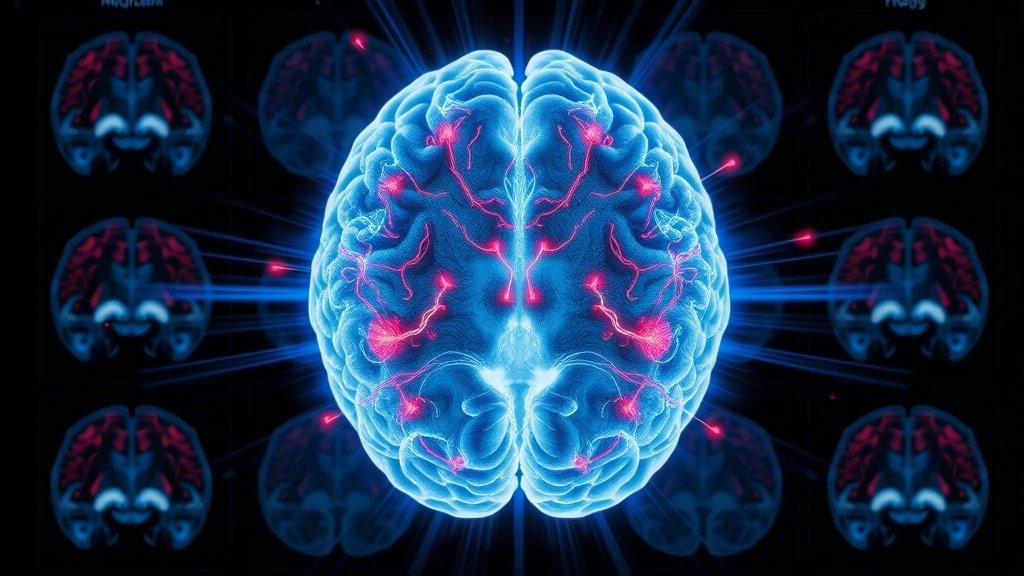
Contemporary neuroscience research reveals that mindfulness produces measurable changes in brain structure and function that directly support physical healing. Functional MRI studies demonstrate that regular mindfulness practice increases gray matter density in the prefrontal cortex, the brain region responsible for emotional regulation, decision-making, and pain modulation. This neuroplastic change translates directly into enhanced pain management capabilities during and between therapy sessions.
The anterior cingulate cortex, another brain region activated during mindfulness meditation, plays a crucial role in attention regulation and pain perception. When patients develop stronger connections between this region and the default mode network, they demonstrate improved ability to redirect attention away from pain signals and toward therapeutic progress. Research published in Nature Reviews Neuroscience confirms that mindfulness-based interventions produce measurable reductions in pain-related brain activation patterns.
Additionally, mindfulness practice influences the release of endogenous opioids and other neurochemicals that modulate pain perception. The insula, a brain region critical for interoceptive awareness, shows enhanced activation in individuals with mindfulness training. This heightened interoceptive sensitivity allows patients to develop more accurate body maps and better proprioceptive awareness, essential components for successful physical rehabilitation across all age groups and conditions.
The amygdala, responsible for processing emotional responses to pain and threat, shows reduced activation size and connectivity in individuals practicing mindfulness. This neurobiological change directly translates to decreased fear-avoidance behaviors, a major obstacle to recovery in many physical therapy patients. When the amygdala’s threat response is modulated, patients demonstrate greater willingness to engage in therapeutic exercises that initially provoke anxiety.
Pain Perception and Mindful Awareness
Pain represents one of the most significant barriers to successful physical therapy outcomes. However, pain itself is not purely a sensory phenomenon—it involves complex interactions between sensory input, emotional processing, cognitive interpretation, and attention allocation. Mindfulness directly addresses multiple components of this pain experience, fundamentally altering how individuals relate to discomfort during rehabilitation.
When patients observe pain with mindful awareness rather than reactive resistance, the subjective intensity decreases significantly. This phenomenon, supported by extensive research, occurs because mindfulness reduces the emotional reactivity and cognitive elaboration that amplify pain perception. Instead of thinking “this pain means I’m being damaged” or “this exercise is making my injury worse,” mindful patients observe sensations with curiosity and acceptance, reducing the secondary suffering that compounds physical discomfort.
The concept of pain catastrophizing—where individuals interpret pain signals as indicators of serious damage—directly undermines physical therapy progress. Mindfulness training reduces catastrophic thinking patterns by helping patients distinguish between the actual sensory experience and the fearful narratives constructed around it. This distinction proves particularly valuable in conditions like anxiety-related pain conditions, where psychological factors significantly amplify physical symptoms.
Research from JAMA Internal Medicine demonstrates that mindfulness-based stress reduction produces pain reduction comparable to or exceeding that achieved through pharmaceutical interventions for certain chronic pain conditions. This evidence suggests that mindfulness should be considered not merely a complementary adjunct to physical therapy but rather an integral component of evidence-based pain management protocols.
Practical Mindfulness Techniques for Rehabilitation
Effective integration of mindfulness into physical therapy requires specific, practical techniques that patients can implement during exercise sessions and daily life. Body scan meditation, adapted for therapeutic contexts, involves systematically directing attention through different body regions while performing therapeutic movements. This technique simultaneously strengthens proprioceptive awareness and reinforces the mind-body connection essential for optimal movement patterns.
Breath awareness during exercise represents another fundamental technique. By synchronizing breath with movement—inhaling during eccentric phases and exhaling during concentric contractions—patients activate the parasympathetic nervous system while improving oxygen delivery to working muscles. This simple practice enhances both the physiological and psychological benefits of therapeutic exercises, making each repetition more effective.
Mindful movement itself, adapted from practices like tai chi and yoga, transforms traditional physical therapy exercises into meditative experiences. Rather than performing prescribed repetitions mechanically, patients move slowly and deliberately, maintaining continuous attention on the sensations, muscle engagement, and movement quality. This approach proves particularly valuable in occupational therapy for kids, where engagement and body awareness directly influence functional outcomes.
Loving-kindness meditation, typically directed toward oneself, addresses the psychological barriers created by frustration with slow progress or resentment toward injured body parts. When patients cultivate self-compassion and acceptance of their current limitations, they reduce the emotional reactivity that impedes healing and increase their motivation to engage consistently with therapeutic protocols.
Pain observation techniques teach patients to observe pain sensations with curiosity rather than judgment. Instead of resisting or catastrophizing about discomfort, patients describe pain characteristics—location, intensity, texture, temperature—with the detached curiosity of a scientist observing a phenomenon. This technique, grounded in acceptance and commitment therapy principles, reduces the secondary emotional suffering that compounds primary physical pain.
Improving Patient Adherence and Motivation
One of the most significant challenges in physical therapy involves maintaining patient adherence to home exercise programs. Statistics consistently demonstrate that non-compliance with prescribed exercises represents a major factor in poor long-term outcomes. Mindfulness addresses this adherence problem by fundamentally shifting how patients relate to their rehabilitation responsibilities.
When patients develop mindfulness skills, they become more aware of the moment-to-moment benefits of exercise—improved mobility, reduced stiffness, decreased pain—rather than focusing exclusively on distant recovery goals. This shift in temporal focus increases intrinsic motivation, as patients experience immediate reinforcement for therapeutic behaviors rather than relying solely on delayed gratification. The immediate sensory feedback from mindful movement proves far more motivating than abstract future outcomes.
Additionally, mindfulness reduces the mental resistance and procrastination that typically undermine home exercise compliance. By observing thoughts like “I don’t feel like exercising today” or “this is too difficult” with mindful awareness, patients recognize these as temporary mental events rather than absolute truths requiring obedience. This distinction enables individuals to initiate therapeutic activities despite initial resistance, a skill that dramatically improves long-term adherence patterns.
The enhanced body awareness developed through mindfulness also increases patients’ ability to recognize the subtle functional improvements that occur during rehabilitation. These perceived improvements in proprioception, strength, and mobility provide powerful reinforcement for continued engagement with therapeutic protocols. Patients who notice their own progress demonstrate significantly higher motivation and adherence than those who rely on external feedback from therapists.
Integration Across Different Therapy Modalities
Mindfulness principles successfully integrate across virtually all physical therapy contexts and patient populations. In speech therapy for toddlers, mindfulness-based approaches help caregivers develop greater awareness of their own emotional states, reducing anxiety that can unconsciously transfer to children during therapy sessions. The calm, focused presence of mindful caregivers creates an optimal learning environment for young patients.
In orthopedic physical therapy, mindfulness enhances movement quality during exercises targeting specific muscle groups. Patients recovering from ACL reconstruction, total joint replacement, or spinal surgery benefit substantially from the proprioceptive awareness and pain modulation that mindfulness provides. The combination of specific therapeutic exercises with mindful movement quality accelerates functional recovery and reduces compensation patterns that often persist after conventional therapy.
Neurological physical therapy, addressing conditions like stroke, Parkinson’s disease, and multiple sclerosis, particularly benefits from mindfulness integration. The enhanced neural plasticity associated with mindfulness practice amplifies the neuroadaptive benefits of repetitive therapeutic exercises. Patients with neurological conditions demonstrate improved motor learning, better movement coordination, and enhanced functional gains when mindfulness components are incorporated into rehabilitation protocols.
Sports physical therapy and performance enhancement increasingly incorporate mindfulness to improve movement efficiency and prevent re-injury. Athletes who develop mindful body awareness demonstrate superior proprioception, reduced injury risk, and faster return to sport. The mental discipline cultivated through mindfulness directly transfers to improved exercise execution and better decision-making regarding training loads and recovery strategies.
Chronic pain management programs consistently demonstrate superior outcomes when mindfulness-based interventions complement physical therapy. Conditions like fibromyalgia, complex regional pain syndrome, and persistent post-surgical pain respond particularly well to integrated mindfulness and movement approaches. The psychological flexibility developed through mindfulness allows patients to engage with physical therapy despite ongoing pain, breaking the fear-avoidance cycle that perpetuates disability.
Clinical Evidence and Research Findings
The scientific evidence supporting mindfulness integration in physical therapy has expanded substantially over the past decade. A systematic review published in Cochrane Database of Systematic Reviews examined 38 randomized controlled trials investigating mindfulness-based interventions for chronic pain, finding moderate to strong evidence for pain reduction and improved function. The effect sizes were comparable to or exceeded those achieved through pharmaceutical interventions, without associated adverse effects.
Research specifically examining mindfulness in physical therapy rehabilitation demonstrates consistent improvements across multiple outcome measures. A study in the Journal of Orthopedic and Sports Physical Therapy found that patients receiving mindfulness-integrated physical therapy showed significantly greater improvements in pain-related disability, psychological distress, and functional capacity compared to those receiving standard physical therapy alone. These benefits persisted at six-month follow-up, indicating durable effects rather than temporary improvements.
Neuroimaging studies reveal that mindfulness-based physical therapy produces measurable changes in brain connectivity associated with improved pain regulation and emotional processing. Patients demonstrating the greatest improvements in brain imaging markers of pain modulation showed the most substantial clinical improvements in pain intensity and functional capacity. This convergence of neuroimaging and clinical outcomes provides compelling evidence that mindfulness produces real, measurable biological changes supporting recovery.
A meta-analysis examining fear-avoidance beliefs in chronic pain populations found that mindfulness-based interventions produced the largest reductions in fear-avoidance, a psychological factor that significantly impedes physical therapy progress. By reducing the fear that typically constrains movement and activity engagement, mindfulness enables patients to access the full therapeutic benefits of prescribed exercises.
Cost-effectiveness analyses demonstrate that mindfulness-integrated physical therapy reduces overall healthcare costs through improved long-term outcomes, reduced medication requirements, and decreased healthcare utilization. The relatively low cost of implementing mindfulness components into existing physical therapy programs generates substantial return on investment through improved patient outcomes and reduced recurrence rates.
FAQ
How long does it take to experience benefits from mindfulness in physical therapy?
Many patients report noticing benefits within the first few sessions, particularly improved body awareness and reduced pain perception. However, more substantial functional improvements typically emerge over 4-8 weeks of consistent practice. The timeline varies based on individual factors including prior mindfulness experience, severity of condition, and consistency of practice.
Can mindfulness replace traditional physical therapy exercises?
No—mindfulness serves as a complementary enhancement to, not a replacement for, evidence-based therapeutic exercises. The combination of specific exercises targeting impaired structures with mindfulness-based movement awareness produces superior outcomes compared to either approach alone. Both components are essential for optimal results.
What if I’ve never practiced mindfulness before?
Physical therapists trained in mindfulness integration teach foundational techniques within the therapy session, requiring no prior experience. Simple techniques like breath awareness and body scanning can be learned and applied immediately. Most patients develop proficiency within a few sessions of guided practice.
Does mindfulness work for acute injuries or only chronic conditions?
Mindfulness benefits both acute and chronic conditions. In acute injuries, mindfulness reduces anxiety and catastrophic thinking that often accompany sudden injury. In chronic conditions, the pain modulation and psychological flexibility benefits become increasingly valuable over time. Early incorporation of mindfulness in acute injury rehabilitation may prevent the development of chronic pain patterns.
How do therapists incorporate mindfulness without extending session length?
Mindfulness integration typically requires minimal additional time. Simple techniques like breath-synchronized movement and body awareness during existing exercises add minimal duration while substantially enhancing therapeutic value. Many therapists find that mindfulness integration actually increases treatment efficiency by improving exercise quality and patient engagement.
Are there any contraindications or populations for whom mindfulness is inappropriate?
Mindfulness is generally safe and appropriate across diverse populations. However, individuals with certain psychiatric conditions may require specialized instruction or monitoring. Physical therapists should screen for severe trauma histories or active psychosis and refer to mental health professionals when appropriate. Otherwise, mindfulness proves beneficial across age groups and diagnostic categories.