
Can Art Therapy Improve Mental Health? Expert Insights
Art therapy stands at the intersection of creative expression and psychological healing, offering a unique pathway for individuals struggling with mental health challenges. Unlike traditional talk therapy, art therapy leverages the therapeutic power of visual creation, allowing clients to process emotions, trauma, and psychological distress through painting, drawing, sculpture, and other artistic mediums. This evidence-based practice has gained significant recognition in clinical settings, hospitals, schools, and private practices worldwide, with mounting research demonstrating its efficacy in treating anxiety, depression, PTSD, and other mental health conditions.
The fundamental premise of art therapy rests on a simple yet powerful truth: sometimes what cannot be spoken can be expressed through creative action. When verbal communication becomes difficult or insufficient, the act of creating art provides an alternative language for the unconscious mind. Art therapists, who hold specialized credentials and training in both psychology and artistic practice, guide clients through this creative process, helping them gain insights into their emotional patterns, develop coping mechanisms, and foster psychological resilience. This comprehensive guide explores the scientific evidence, therapeutic mechanisms, and practical applications of art therapy for mental health improvement.
What Is Art Therapy and How Does It Work?
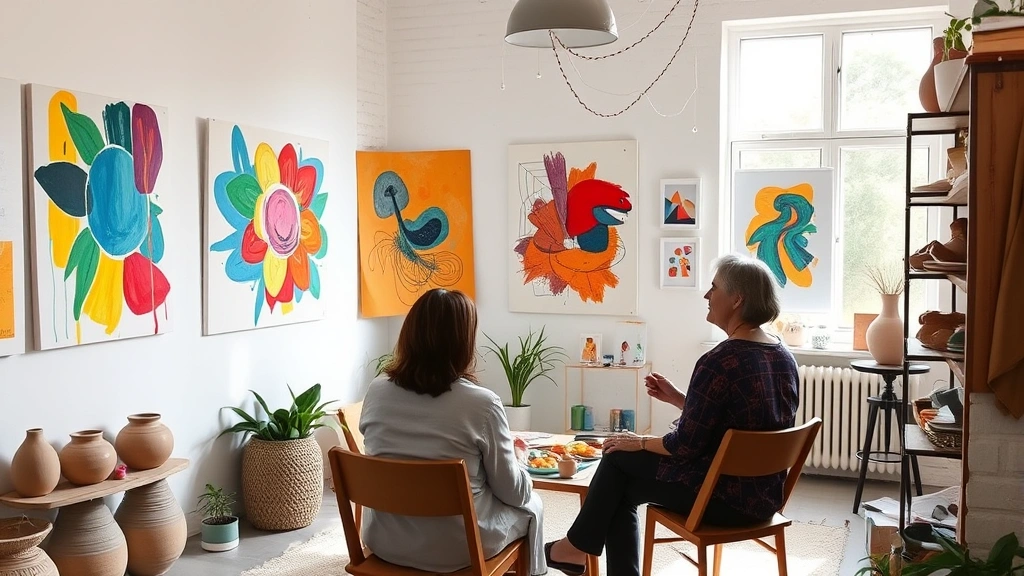
Art therapy is a mental health profession that combines psychotherapy with visual art-making to improve and enhance physical, mental, and emotional well-being. Credentialed art therapists complete rigorous training, including graduate-level education in psychology, human development, and therapeutic techniques, alongside extensive artistic training. The Art Therapy Credentials Board (ATCB) certifies practitioners who meet stringent educational and experiential requirements, ensuring clients receive treatment from qualified professionals.
The therapeutic mechanism of art therapy operates on multiple levels simultaneously. At the neurobiological level, creating art activates the brain’s reward centers, releasing dopamine and promoting feelings of accomplishment and pleasure. The creative process engages both hemispheres of the brain, with the right hemisphere processing emotions, spatial awareness, and intuition, while the left hemisphere manages logical thinking and language. This bilateral activation creates a more integrated mental state, facilitating emotional processing and cognitive insight.
Art therapy differs fundamentally from recreational art classes. While both involve artistic creation, art therapy is specifically designed to facilitate psychological change and healing. The art therapist interprets imagery, symbolism, and process-based observations to help clients understand their inner world. The focus is not on producing aesthetically pleasing artwork but rather on the therapeutic value of the creative process itself. A client’s drawing might appear childlike or abstract, yet it can reveal profound truths about their psychological state and provide pathways to healing.
Scientific Evidence Supporting Art Therapy
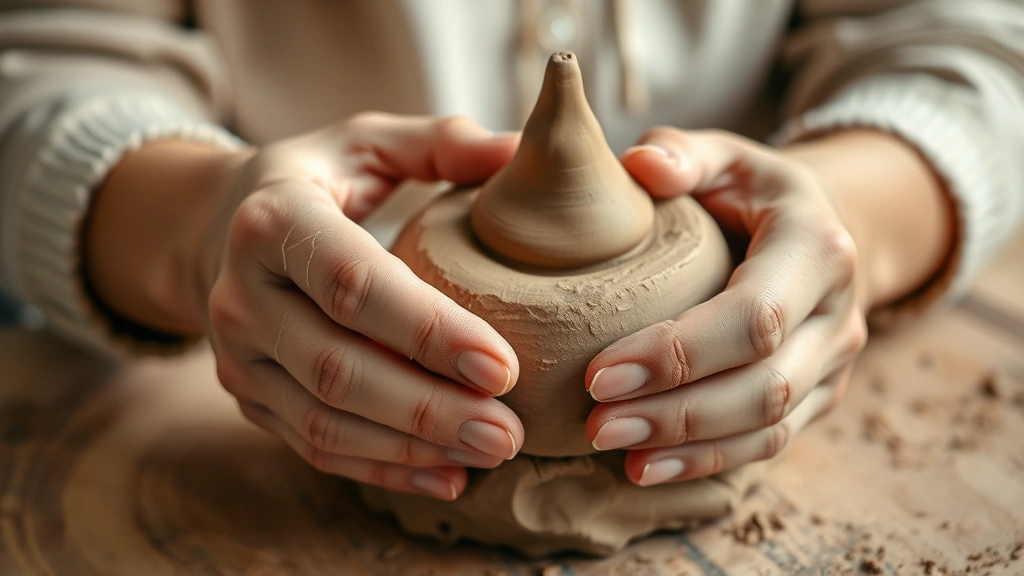
Over the past two decades, research has increasingly validated art therapy’s effectiveness for mental health treatment. A landmark study published in PLOS ONE found that just 45 minutes of creative engagement significantly reduced cortisol levels, the primary stress hormone in the human body. This physiological change indicates that art-making produces measurable, observable improvements in the body’s stress response system, regardless of artistic skill level or prior experience.
Neuroimaging studies reveal that art therapy activates specific brain regions associated with emotional regulation and self-awareness. Research utilizing functional MRI (fMRI) technology demonstrates that creating art increases blood flow to the prefrontal cortex, the brain region responsible for executive function, decision-making, and emotional control. This neurological evidence provides biological validation for what therapists and clients have long observed clinically: art therapy genuinely changes brain function in ways that support mental health.
The American Art Therapy Association has compiled extensive research demonstrating efficacy across numerous conditions. Studies show that art therapy produces measurable improvements in anxiety symptoms, with effect sizes comparable to traditional psychotherapy approaches. For individuals with trauma histories, art therapy offers particular advantages because it bypasses the verbal centers of the brain, allowing traumatic memories encoded in non-verbal brain regions to be processed and integrated without necessarily requiring explicit verbalization of traumatic details.
Research from the American Psychological Association indicates that art therapy produces sustained improvements in emotional regulation, self-esteem, and coping skills. Longitudinal studies tracking clients over months and years demonstrate that benefits extend beyond the therapy session itself, with clients developing stronger emotional resilience and healthier psychological patterns in their daily lives.
Mental Health Conditions Treated with Art Therapy
Art therapy has demonstrated effectiveness across a wide spectrum of mental health conditions and life challenges. Understanding which conditions respond most favorably to art therapy can help individuals determine whether this approach aligns with their therapeutic needs.
Depression and Mood Disorders: Art therapy addresses depression by facilitating emotional expression, increasing behavioral activation, and promoting a sense of agency and control. Creating visual representations of depressive thoughts helps clients externalize internal experiences, creating psychological distance that enables new perspectives. The structured therapeutic relationship combined with creative engagement provides both support and hope, essential elements in depression treatment.
Anxiety and Panic Disorders: The meditative, grounding qualities of art-making provide immediate anxiety relief. Repetitive artistic activities like drawing or coloring activate the parasympathetic nervous system, the body’s natural relaxation response. Many clients report that art therapy provides more accessible anxiety management than traditional breathing exercises, particularly those with trauma histories or dissociative tendencies.
Post-Traumatic Stress Disorder: Art therapy holds particular promise for trauma survivors because it engages the brain’s non-verbal processing systems. Traumatic memories often remain fragmented and stored outside normal verbal memory pathways. Art therapy allows these memories to be safely processed, integrated, and transformed without requiring explicit verbal recounting that might retraumatize clients. Research demonstrates that art therapy reduces PTSD symptoms and improves quality of life for trauma survivors.
Eating Disorders: Art therapy addresses the body image disturbance, emotional dysregulation, and control issues underlying eating disorders. Creating art about body image, food, and control helps clients explore these complex psychological issues in safe, contained ways. The creative process itself promotes self-compassion and acceptance, counteracting the perfectionism and self-criticism characteristic of eating disorders.
Substance Use Disorders: Art therapy supports recovery by addressing emotional regulation deficits that often underlie substance abuse. Creative expression provides healthy alternative coping mechanisms, helping individuals process cravings, triggers, and underlying pain without turning to substances. The sense of accomplishment from artistic creation strengthens self-efficacy and motivation for continued recovery.
Autism Spectrum Disorder and ADHD: Art therapy accommodates neurodivergent learning and communication styles, allowing individuals with autism or ADHD to express themselves through preferred sensory and creative modalities. The flexible, non-judgmental nature of art therapy creates safe spaces for self-expression without pressure to conform to neurotypical communication norms.
Comparing Art Therapy to Other Therapeutic Approaches
Understanding how art therapy compares to other therapeutic modalities helps individuals make informed decisions about their mental health treatment. Each therapeutic approach offers distinct advantages, and many individuals benefit from integrating multiple approaches.
Cognitive Behavioral Therapy (CBT) focuses on identifying and changing maladaptive thought patterns and behaviors. While CBT excels at addressing specific thought distortions and behavioral patterns, art therapy may prove more effective for clients who struggle with verbal articulation of thoughts or who have trauma histories. Some therapists integrate both approaches, using art therapy to access unconscious material that CBT then helps to restructure cognitively.
Psychodynamic therapy explores unconscious conflicts and past experiences shaping current psychological patterns. Art therapy shares psychodynamic therapy’s interest in unconscious material but accesses this material through creative expression rather than free association. Many art therapists incorporate psychodynamic principles into their practice, interpreting artistic symbols and themes to illuminate unconscious patterns.
Somatic and body-based therapies recognize that psychological trauma and stress manifest in physical tension and dysregulation. Art therapy engages the body through the physical act of creation, providing somatic benefits alongside psychological processing. The combination of somatic awareness with creative expression can produce powerful therapeutic results, particularly for trauma survivors whose nervous systems remain dysregulated.
Occupational therapy focuses on developing functional skills and engaging in meaningful activities. While occupational therapy emphasizes functional capacity, art therapy emphasizes emotional processing and psychological insight. These approaches complement each other well, with occupational therapy building practical life skills while art therapy addresses underlying emotional and psychological issues.
Medication-based psychiatric treatment addresses neurochemical imbalances through pharmacological intervention. Art therapy and medication work synergistically; while medication may stabilize mood and reduce symptom severity, art therapy addresses psychological factors and builds coping skills. Many individuals benefit most from integrated treatment combining medication, art therapy, and other psychotherapeutic approaches.
Finding Art Therapy Practitioners
Locating qualified art therapy practitioners requires understanding credentialing standards and knowing where to search for providers. Not all individuals calling themselves art therapists hold recognized credentials; ensuring your provider meets professional standards protects your therapeutic investment.
Credentialing and Qualifications: The Art Therapy Credentials Board (ATCB) certifies art therapists who complete required education, supervised clinical experience, and examination. Credentials include Art Therapy Credentials Board-Certified (ATCB-Certified) and Registered Art Therapist (ATR). Credentials indicate that practitioners have met rigorous professional standards. State licensure for art therapists exists in several states, providing additional legal oversight and consumer protection.
Finding Providers: The American Art Therapy Association maintains a directory of certified practitioners. Insurance company provider networks often include art therapists, and many offer coverage for art therapy when provided by credentialed professionals. Community mental health centers, hospitals, and psychiatric clinics frequently employ art therapists. For specialized needs like therapy services near you, searching online directories combined with calls to local mental health agencies can yield results.
Cost Considerations: Art therapy costs vary based on provider credentials, location, and setting. Typical sessions range from $80 to $200, with some providers offering sliding scale fees based on income. Insurance coverage varies significantly; some plans cover art therapy as a mental health service, while others do not. Understanding your insurance coverage before beginning treatment prevents unexpected expenses. When comparing therapy costs, remember that art therapy often produces lasting benefits, making it a worthwhile investment in mental health.
Specialized Practitioners: Some art therapists specialize in specific populations or conditions. Trauma-informed art therapists have additional training in trauma-sensitive practice. Child art therapists specialize in working with children using developmentally appropriate artistic activities. Forensic art therapists work within criminal justice settings. Finding a practitioner with relevant specialization enhances treatment effectiveness.
Practical Tips for Starting Your Art Therapy Journey
Beginning art therapy represents a significant step toward mental health improvement. These practical recommendations help individuals prepare for and maximize the benefits of art therapy treatment.
Preparing for Your First Session: Approach your first session with an open mind and realistic expectations. Art therapy is not about creating beautiful artwork; it’s about the therapeutic process. Wear comfortable clothing that allows freedom of movement and doesn’t restrict your creative expression. Arrive a few minutes early to complete intake paperwork and discuss your therapeutic goals with the art therapist. Be honest about your mental health history, current symptoms, and what you hope to achieve through art therapy.
Overcoming Resistance and Perfectionism: Many individuals hesitate to try art therapy because they fear judgment about their artistic abilities. Remember that art therapists evaluate therapeutic value, not artistic merit. Your therapist has witnessed thousands of drawings, paintings, and sculptures; they understand that art therapy participants come from diverse skill levels. Perfectionism in art-making can actually interfere with therapeutic processing; the goal is authentic self-expression rather than technical excellence.
Integrating Art Therapy into Comprehensive Treatment: Art therapy works best as part of a comprehensive mental health treatment plan. If you’re taking psychiatric medication, continue it as prescribed while engaging in art therapy. If you’re working with another therapist, inform all providers about your complete treatment team so they can coordinate care effectively. Different therapeutic approaches address different aspects of mental health, and integration enhances overall outcomes.
Practicing Art Between Sessions: Many art therapists encourage clients to engage in artistic expression between sessions. You need not wait for professional guidance to benefit from creative activities. Maintaining a sketchbook, painting, sculpting with clay, or engaging in collage work provides ongoing emotional processing and reinforces therapeutic insights. These between-session activities extend therapy benefits into daily life.
Documenting Progress: Keep track of how you feel before and after art therapy sessions. Note changes in mood, anxiety levels, sleep quality, and emotional regulation. Many clients find that documenting progress reinforces their commitment to treatment and helps them recognize improvements that might otherwise go unnoticed. Sharing this documentation with your art therapist helps refine treatment approaches.
Communicating with Your Therapist: Develop open communication with your art therapist about what is and isn’t working. If a particular artistic medium doesn’t resonate with you, discuss alternatives. If you feel uncomfortable with certain interpretations or approaches, speak up. Art therapy is a collaborative process; your therapist values your input and wants to tailor treatment to your unique needs and preferences.
Research from the National Center for Biotechnology Information continues to validate art therapy’s effectiveness, with new studies regularly published in peer-reviewed journals. This growing evidence base strengthens art therapy’s position within mainstream mental health treatment, making it increasingly accessible and recognized by insurance providers and healthcare systems.
Frequently Asked Questions
Is art therapy effective for severe mental illness like schizophrenia or bipolar disorder?
Art therapy can be beneficial as part of comprehensive treatment for serious mental illnesses, but it should not replace medication or psychiatric care. Art therapy helps manage symptoms, improve emotional expression, and support overall wellness. When integrated with medication and psychiatric treatment, art therapy enhances outcomes for individuals with schizophrenia, bipolar disorder, and other serious mental health conditions. Always coordinate art therapy with your psychiatrist to ensure integrated, safe treatment.
How long does it take to see results from art therapy?
Some individuals notice improvements within the first few sessions, while others require ongoing treatment before experiencing significant change. Typically, clients begin recognizing patterns and gaining insights within 4-8 sessions. More substantial psychological change usually develops over months of consistent engagement. The timeline varies based on condition severity, treatment frequency, and individual factors. Discuss realistic timelines with your art therapist during initial sessions.
Can I do art therapy on my own without a professional?
While engaging in creative expression independently offers benefits, professional art therapy provides significant advantages. Art therapists trained in psychology and therapeutic technique can help you process unconscious material, interpret symbolic imagery, and develop deeper insights than self-directed artistic practice typically yields. Professional guidance also ensures safety, particularly for individuals with trauma histories or severe symptoms. Consider art therapy with a professional as an investment in your mental health, with self-directed creativity as a complementary practice.
Does insurance cover art therapy?
Many insurance plans cover art therapy when provided by credentialed, licensed practitioners, particularly when art therapy is part of psychiatric or psychological treatment. Coverage varies significantly by plan, employer, and state. Contact your insurance provider to determine whether art therapy is covered, what percentage they cover, and whether you need a referral from your primary care physician or psychiatrist. Some providers offer sliding scale fees for uninsured clients.
What if I have no artistic talent or experience?
Artistic skill or prior experience is completely unnecessary for art therapy to be effective. Art therapy is not about creating masterpieces; it’s about the therapeutic process of creative expression. Your art therapist has worked with individuals from all backgrounds and skill levels. The act of creating—regardless of the final product—provides therapeutic benefit. Many clients report that their lack of artistic training actually helps them focus on emotional expression rather than technical perfectionism.
Can art therapy help with grief and loss?
Art therapy is particularly effective for grief processing. Creating visual representations of loss, memories, and the grieving process helps individuals externalize internal pain and move through grief in healthy ways. Many art therapists specialize in grief work, helping clients honor their losses while gradually reintegrating into life. Art therapy acknowledges that grief is not a problem to solve but an experience to be honored and processed.
How does art therapy differ from art class?
Art classes focus on teaching artistic techniques and skill development. Art therapy focuses on psychological healing and emotional processing through creative expression. An art class instructor teaches technique; an art therapist interprets therapeutic meaning. Art class goals include artistic competence; art therapy goals include psychological insight and emotional well-being. While both involve creative activity, their purposes and outcomes differ fundamentally.