Can Art Therapy Improve Mental Health? Expert Insights
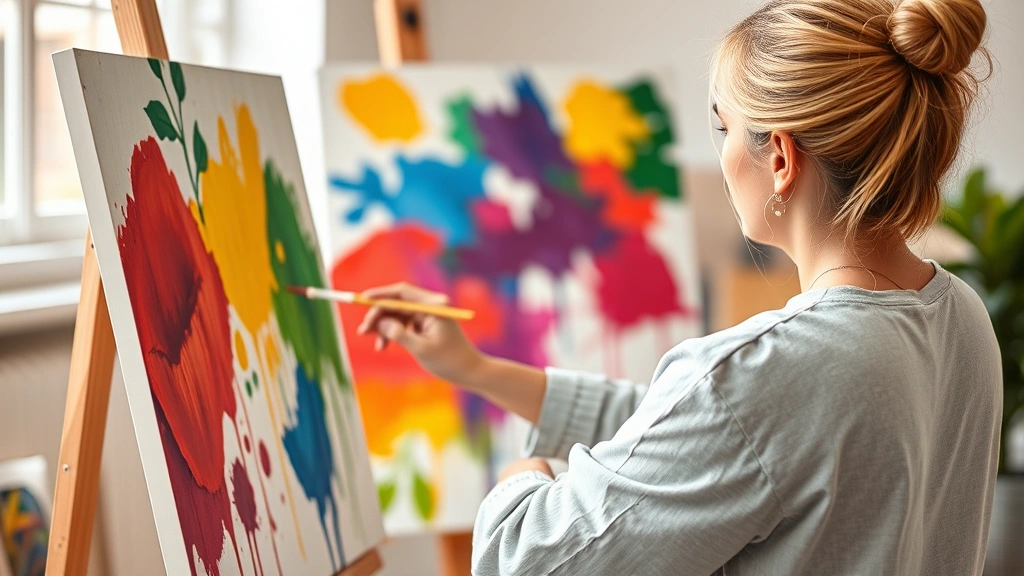
Art therapy has emerged as a powerful therapeutic approach that combines creative expression with psychological healing. Unlike traditional talk therapy, art therapy harnesses the therapeutic potential of the creative process itself—whether through painting, drawing, sculpture, or other artistic mediums—to help individuals process emotions, trauma, and psychological challenges. The practice recognizes that sometimes what cannot be expressed through words can be powerfully communicated through visual and tactile creation.
In recent years, mental health professionals and researchers have increasingly validated art therapy as an evidence-based treatment modality. Numerous studies demonstrate that engaging in creative activities can reduce anxiety, improve mood regulation, enhance self-awareness, and facilitate emotional healing. This comprehensive exploration examines the scientific evidence, mechanisms, and practical applications of art therapy for mental health improvement.
What is Art Therapy and How Does It Work
Art therapy is a mental health profession that utilizes the creative process of making art to improve and enhance physical, mental, and emotional well-being. Certified art therapists combine knowledge of human development, psychological theory, and counseling techniques with understanding of art media, processes, and history. The discipline operates on the principle that the creative process involved in artistic expression is inherently healing and life-enhancing.
The therapeutic mechanism operates on multiple levels. When individuals engage in artistic creation, they activate different neural pathways than those engaged during verbal communication. This allows access to emotions and memories that may be difficult to articulate through language alone. The act of creating something tangible provides a sense of control and agency, which is particularly valuable for individuals who have experienced trauma or loss of autonomy.
Art therapy differs fundamentally from art classes or recreational art activities. While those may provide enjoyment and skill development, art therapy is specifically designed as a clinical intervention. Art therapists are trained to interpret symbolic content in artwork, understand the psychological significance of color choices and compositional elements, and use the creative process as a vehicle for therapeutic change. The focus is not on creating aesthetically pleasing work but on the healing potential of the creative process itself.
The non-verbal nature of art therapy makes it particularly valuable for individuals who struggle with cognitive behavioral therapy approaches or have difficulty articulating their internal experiences. Children, trauma survivors, and individuals with autism spectrum disorder often respond exceptionally well to art-based interventions because these modalities honor different communication styles and cognitive processing methods.
Scientific Evidence Supporting Art Therapy Effectiveness
Research from the American Psychological Association and peer-reviewed journals demonstrates measurable benefits of art therapy across numerous mental health conditions. A meta-analysis published in the Journal of American Art Therapy Association found that art therapy interventions produced significant improvements in psychological distress, anxiety symptoms, and overall quality of life compared to control groups.
Neuroimaging studies reveal that engaging in creative activities activates reward centers in the brain and increases production of dopamine, the neurotransmitter associated with pleasure and motivation. Research from Frontiers in Psychology indicates that art-making reduces cortisol levels, the primary stress hormone, demonstrating measurable physiological benefits beyond psychological improvements.
One particularly compelling study examined art therapy with trauma survivors and found that participants who engaged in art therapy alongside standard trauma treatment showed significantly greater reduction in post-traumatic stress symptoms compared to those receiving treatment alone. The creative expression appeared to facilitate processing of traumatic memories in ways that complemented verbal therapeutic work.
Research also demonstrates that art therapy improves outcomes when integrated with other therapeutic approaches. Individuals receiving both therapy and art-based interventions show superior treatment outcomes compared to single-modality treatment. This synergistic effect suggests that art therapy activates unique therapeutic mechanisms that complement traditional psychotherapy.
The evidence base continues expanding, with recent studies from NIH research databases documenting art therapy benefits for depression, anxiety disorders, eating disorders, substance abuse recovery, and chronic pain management. The consistency of positive findings across diverse populations and conditions strengthens the scientific credibility of art therapy as a legitimate mental health intervention.
Mental Health Conditions That Benefit from Art Therapy
Depression and Mood Disorders: Art therapy provides an accessible outlet for expressing depressive symptoms and hopelessness. The creative process itself offers structure, purpose, and engagement—factors often lacking in depression. Creating visual representations of internal emotional states helps individuals externalize and gain perspective on their condition.
Anxiety Disorders: The meditative, focused nature of art-making naturally reduces anxiety. Engaging in creative activities activates the parasympathetic nervous system, counteracting the physiological activation characteristic of anxiety disorders. Many individuals find that sustained focus on artistic creation interrupts anxiety spirals and racing thoughts.
Post-Traumatic Stress Disorder: Art therapy offers trauma survivors a method of processing traumatic memories without the requirement of verbal narration, which can be retraumatizing. Visual expression allows gradual integration of traumatic experiences. The sense of control inherent in artistic creation directly addresses the loss of control experienced during trauma.
Eating Disorders: Art therapy addresses the body image disturbance and emotional dysregulation underlying eating disorders. Creative expression of feelings about body, control, and self-worth provides alternative outlets to disordered eating behaviors. Art therapists help individuals develop healthier relationships with their bodies through symbolic and literal artistic exploration.
Addiction and Substance Use Disorders: Art therapy supports recovery by providing healthy coping mechanisms and emotional expression alternatives to substance use. Creative engagement activates reward pathways in the brain, reducing cravings. The sense of accomplishment from creating something meaningful strengthens motivation for sustained recovery.
Grief and Loss: Artistic expression provides a powerful means of honoring and processing grief. Creating memorial art, expressing anger or sadness through color and form, and documenting the grieving process through visual means help individuals move through bereavement in personally meaningful ways.
Autism Spectrum Disorder and Developmental Conditions: Art therapy accommodates different communication and learning styles. Individuals with autism often express themselves more fully through visual and tactile means than through verbal communication. Art provides a bridge to emotional expression and social connection.
Art Therapy Techniques and Methods
Art therapists employ diverse creative techniques tailored to individual client needs and preferences. Understanding these approaches helps individuals recognize which methods might resonate most strongly with their own therapeutic goals.
Painting and Drawing: These foundational techniques allow direct expression of emotions through color, line, and composition. Clients may paint abstract representations of feelings, create visual narratives of experiences, or engage in spontaneous expression without predetermined subject matter. The freedom inherent in these open-ended approaches facilitates authentic emotional expression.
Collage and Mixed Media: Assembling found materials into meaningful compositions allows exploration of identity, values, and life narratives. Collage work often feels less intimidating than drawing or painting for individuals who doubt their artistic ability, as the focus shifts to composition and meaning-making rather than technical skill.
Sculpture and Three-Dimensional Work: Working with clay, stone, or other sculptural materials provides tactile sensory engagement and kinesthetic expression. The physical manipulation of materials can be particularly grounding and calming. Three-dimensional work also allows clients to view their creation from multiple perspectives, offering new insights.
Mandala Creation: Mandala work combines the meditative quality of repetitive pattern-making with symbolic meaning. Creating mandalas naturally induces meditative states while allowing expression of internal psychological states through color, pattern, and symmetry choices.
Mask-Making: Creating masks allows exploration of identity, persona, and hidden aspects of self. Mask work is particularly effective for processing shame, exploring different identity aspects, or examining how individuals present themselves to the world versus internal experience.
Digital and Photographic Art: Modern art therapy increasingly incorporates digital tools and photography, recognizing that creative expression extends beyond traditional media. Digital art allows individuals comfortable with technology to engage therapeutically while maintaining accessibility for those with physical limitations.
Community and Group Art Projects: Creating art in groups provides social connection, shared experience, and mutual support alongside individual therapeutic benefits. Group art therapy reduces isolation and stigma while building community.
Comparing Art Therapy with Traditional Therapy Approaches
While therapy resources and information increasingly recognize diverse modalities, understanding how art therapy compares to traditional approaches helps individuals make informed treatment decisions. Both approaches offer distinct advantages.
Art Therapy Advantages: Art therapy accesses emotional material through non-verbal channels, making it valuable for individuals with language-based processing difficulties, trauma histories, or autism spectrum presentations. The tangible creative product provides external representation of internal experience, offering new perspective and symbolism for discussion. Art therapy naturally reduces the pressure to verbally articulate experiences, which can feel less threatening than direct discussion of painful topics. The creative process itself is inherently rewarding, providing immediate engagement and sense of accomplishment.
Traditional Talk Therapy Advantages: Verbal psychotherapy allows direct, explicit discussion of thoughts, beliefs, and behavioral patterns. Cognitive-behavioral approaches provide concrete tools and structured interventions for specific symptoms. Talk therapy efficiently addresses cognitive distortions and maladaptive thinking patterns. Verbal therapy allows precise communication of specific concerns and detailed exploration of complex situations.
Integrated Approach Benefits: Many mental health professionals now recognize that combining art therapy with traditional approaches optimizes outcomes. This integration allows access to different therapeutic mechanisms simultaneously. Clients can use verbal therapy to understand and contextualize insights gained through art-making, while artistic expression provides non-verbal processing of experiences difficult to articulate verbally.
Research supports this integrative approach. When individuals receive both modalities, they show superior outcomes compared to single-modality treatment. The combination allows different aspects of psychological functioning to be engaged and addressed, supporting more comprehensive healing.
Finding and Working with Art Therapists
Locating qualified art therapists requires understanding credentialing and training standards. The Art Therapy Credentials Board certifies art therapists who meet education and experience requirements. Look for therapists holding the Registered Art Therapist (ATR) or Board Certified (ATR-BC) credential, indicating they have completed approved graduate training and supervised clinical practice.
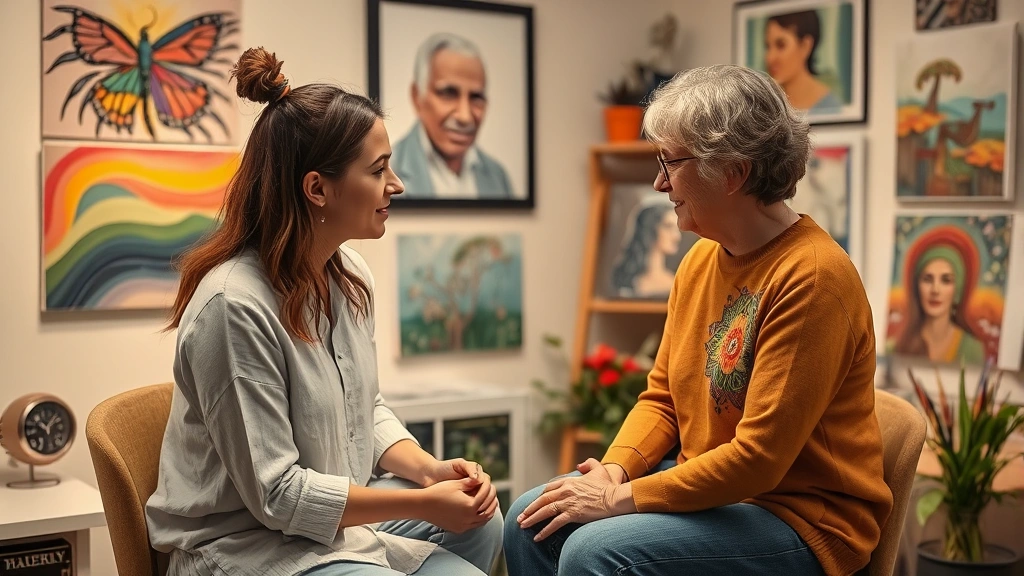
When seeking art therapy, consider whether you prefer individual sessions or group work. Individual art therapy provides personalized attention and focused exploration of personal issues. Group art therapy offers community, reduced cost, and the therapeutic benefits of shared creative experience.
If interested in exploring therapy cost and pricing information, recognize that art therapy fees vary based on geographic location, therapist credentials, and session length. Some insurance plans cover art therapy when provided by licensed professionals, particularly when addressing diagnosed mental health conditions. Exploring coverage options and discussing costs during initial consultations helps with treatment planning.
When beginning art therapy, communicate openly with your therapist about your goals, any artistic experience or concerns, and what you hope to achieve. Effective art therapy requires collaboration between client and therapist. Your therapist will guide the creative process while respecting your autonomy and creative choices.
Consider whether you’re seeking art therapy as a primary treatment or complementary approach. Some individuals benefit from combining art therapy with therapy for specific life challenges, allowing multiple therapeutic modalities to address different aspects of their mental health needs. Discussing your complete therapeutic goals with providers ensures coordinated, comprehensive care.
Art Therapy for Specific Life Transitions
Beyond clinical mental health conditions, art therapy supports individuals navigating significant life transitions. The creative process helps individuals process change, identity shifts, and uncertainty. Whether experiencing relationship dissolution, career transitions, identity exploration, or major life decisions, art therapy provides a container for working through complex emotions associated with change.
The flexibility of art therapy makes it accessible across the lifespan. Children benefit from art therapy’s alignment with developmental communication styles. Adolescents use art to explore identity and process peer relationships. Adults address trauma, depression, and life transitions through artistic expression. Older adults use art therapy to process aging, loss, and life review while maintaining cognitive and emotional engagement.
FAQ
Is art therapy effective for severe mental illness like schizophrenia or bipolar disorder?
Art therapy can be a valuable complementary treatment for severe mental illness when used alongside psychiatric medication and other interventions. The creative process provides structure, engagement, and emotional expression opportunities. However, art therapy alone is not sufficient treatment for conditions requiring medication. Integrated treatment combining medication, therapy, and art-based interventions provides optimal outcomes.
Do I need artistic talent to benefit from art therapy?
Absolutely not. Art therapy effectiveness has nothing to do with artistic ability or aesthetic quality of created work. The therapeutic value lies in the creative process and emotional expression, not in producing gallery-quality art. Many individuals find that releasing concerns about artistic skill paradoxically enhances their therapeutic engagement.
How long does art therapy typically take to show results?
Some individuals experience immediate benefits from initial sessions, particularly reduced anxiety and improved mood. However, meaningful psychological change typically develops over time. Most research shows significant benefits after 8-12 sessions, though optimal outcomes often require ongoing work. The timeline varies based on the condition being addressed, individual factors, and treatment intensity.
Can art therapy be done online or remotely?
Yes, art therapy has adapted to remote formats. Therapists guide clients through creative processes via video sessions. Clients create art in their home environment and discuss work with their therapist. While in-person art therapy offers certain advantages, particularly with three-dimensional materials, remote art therapy remains effective for many individuals and increases accessibility.
What is the difference between art therapy and art classes?
Art classes focus on skill development, technique, and artistic production. Art therapy uses creative expression as a psychological intervention. While both involve making art, art therapy specifically applies creative processes toward mental health goals under guidance of a trained therapist. The distinction lies in intention and clinical training rather than the activities themselves.
Does insurance cover art therapy?
Many insurance plans cover art therapy when provided by licensed art therapists treating diagnosed mental health conditions. Coverage varies significantly based on your specific plan, location, and the therapist’s credentials. Contacting your insurance provider with your therapist’s credentials and treatment plan information can clarify coverage and out-of-pocket costs.