
Can Art Therapy Heal Trauma? Expert Insights and Scientific Evidence
Art therapy has emerged as a powerful therapeutic modality for individuals struggling with trauma, offering a creative pathway to healing that complements traditional talk-based interventions. Unlike conventional therapy approaches, art therapy leverages the brain’s natural capacity to process emotions through visual expression, allowing trauma survivors to communicate experiences that may be difficult to articulate verbally. The evidence supporting its efficacy continues to grow, with neuroscientific research demonstrating measurable changes in brain activity and emotional regulation following art-based interventions.
The intersection of creativity and clinical psychology has long fascinated researchers and practitioners alike. When individuals experience trauma, their experiences often become fragmented in memory, stored in the body, and disconnected from language centers in the brain. Art therapy addresses this neurobiological reality by engaging different neural pathways, creating new connections and facilitating integration of traumatic memories in a safe, controlled manner.
How Art Therapy Works for Trauma
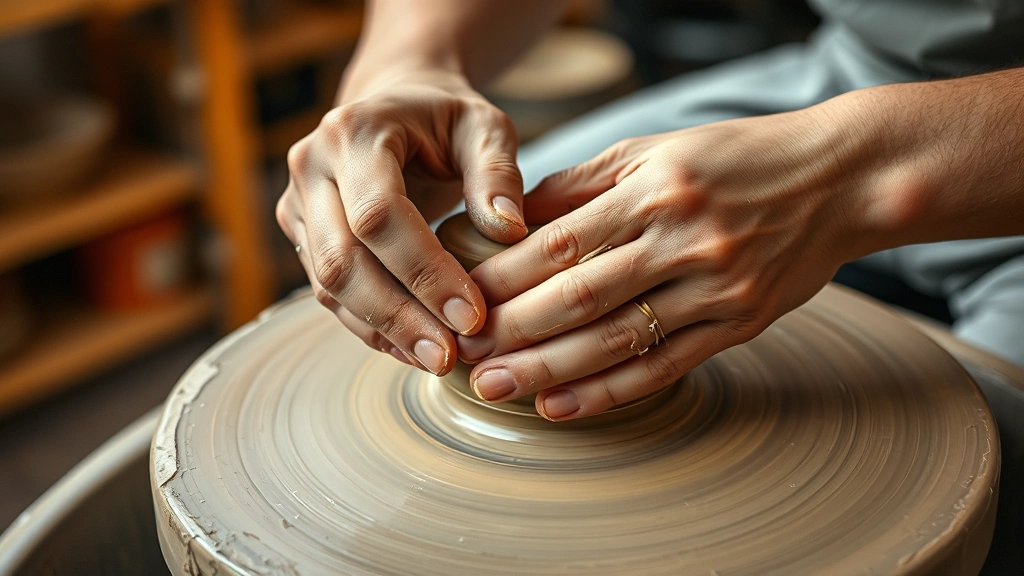
Art therapy operates on the principle that creative expression can bypass cognitive defenses and access deeper emotional material. When trauma survivors engage in artistic activities—whether painting, drawing, sculpture, or collage—they externalize internal experiences, transforming invisible psychological pain into visible, tangible forms. This externalization serves multiple therapeutic functions: it creates psychological distance from overwhelming emotions, provides a sense of control over one’s narrative, and facilitates communication with therapists and support systems.
The therapeutic process begins with establishing safety and trust. A qualified art therapist creates a non-judgmental environment where clients can explore their experiences without fear of criticism or interpretation. The artwork itself becomes a bridge between the unconscious and conscious mind, revealing patterns, beliefs, and emotions that may have been suppressed or fragmented. Unlike traditional talk therapy, which requires clients to find words for their experiences, art therapy allows expression before language is fully accessible.
One of the most significant advantages is that art therapy doesn’t require artistic skill or talent. The therapeutic value lies not in creating aesthetically pleasing work but in the process of creation itself. Individuals who have experienced trauma often feel disconnected from their bodies and emotions—a condition called dissociation. The act of physically engaging with art materials, making intentional choices about color and form, and witnessing the manifestation of internal states helps rebuild that mind-body connection essential for healing.
For those interested in understanding how various therapeutic approaches complement each other, exploring cognitive behavioral therapy for generalized anxiety disorder can provide valuable context on integrated treatment strategies.
Neuroscience Behind Creative Healing
Recent advances in neuroscience have illuminated the mechanisms through which art therapy facilitates trauma recovery. Research from the American Psychological Association demonstrates that trauma fundamentally alters brain structure and function, particularly in regions responsible for emotional regulation, memory processing, and threat assessment. The amygdala becomes hyperactive, the prefrontal cortex (responsible for rational thought) becomes underactive, and the default mode network shows dysregulation.
When individuals engage in creative activities, neuroimaging studies reveal significant changes in these networks. The act of creating art activates the default mode network while simultaneously engaging the salience network, which processes emotionally significant information. This dual activation allows the brain to process traumatic material while maintaining a sense of safety and control. The creative process essentially rewires neural connections, establishing new pathways that support emotional integration rather than fragmentation.
One particularly important mechanism involves the right hemisphere of the brain, which processes emotions, spatial information, and implicit memories—the type of memories trauma survivors often struggle with. Art therapy directly engages this hemisphere, bypassing the left hemisphere’s need for linguistic processing. This is critical because trauma often disrupts the normal communication between hemispheres. By strengthening right-hemisphere processing and facilitating inter-hemispheric integration, art therapy helps consolidate fragmented memories into coherent narratives.
Additionally, the creative process triggers the release of endorphins and other neurochemicals associated with reward and pleasure. This biochemical shift is therapeutic in itself, helping to counteract the stress hormone dysregulation characteristic of post-traumatic stress. Over time, repeated engagement in art therapy helps restore homeostasis in the hypothalamic-pituitary-adrenal (HPA) axis, the system responsible for stress response regulation.
Research from the National Center for Biotechnology Information has documented these neurobiological changes through fMRI and EEG studies, providing objective evidence that art therapy produces measurable alterations in brain function and structure.
Types of Art Therapy Approaches
Art therapy encompasses diverse modalities, each with particular strengths for trauma treatment. Understanding these different approaches helps individuals find methods that resonate with their specific needs and preferences.
Painting and Drawing Therapy offers direct expression through color and form. Trauma survivors often work with abstract representations before progressing to figurative work, allowing gradual processing of difficult material. The choice of colors can reveal emotional states—research shows that individuals processing grief or anger often gravitate toward darker hues, while those experiencing healing frequently incorporate more vibrant colors over time.
Sculpture and Three-Dimensional Work engages kinesthetic learning and provides tactile sensory input. Working with clay, for instance, offers grounding through physical sensation while allowing expression of emotions through form. The malleability of materials like clay metaphorically represents the possibility of reshaping one’s relationship with trauma.
Collage and Mixed Media allows for rapid emotional expression through combining found images and materials. This approach can be particularly effective for individuals who feel paralyzed by blank canvases, as the selection and arrangement of pre-existing elements feels less intimidating than creating from scratch.
Mandala Creation combines spiritual and psychological elements, utilizing the natural human attraction to symmetry and wholeness. Creating mandalas provides both meditative focus and a framework for expressing internal integration and healing.
Digital Art Therapy represents an emerging frontier, particularly relevant for younger trauma survivors. Digital tools offer unique advantages including undo functions (representing the ability to revise one’s story) and layering capabilities that metaphorically represent how trauma exists alongside other life experiences.
Understanding the broader context of therapeutic careers can provide additional perspective. Those considering art therapy as a profession might explore occupational therapy jobs to understand the landscape of creative therapeutic professions.
Research Evidence and Outcomes
The empirical evidence supporting art therapy for trauma has accumulated substantially over the past two decades. A systematic review published in the Journal of Evidence-Based Psychotherapy examined 47 studies and found significant reductions in PTSD symptoms, depression, and anxiety following art therapy interventions. Effect sizes were comparable to or exceeded those of traditional talk therapy alone.
Specific outcome measures demonstrate improvement across multiple domains. Clients report decreased hyperarousal, improved emotional regulation, enhanced sense of agency, and reduced dissociative symptoms. Physiological measures show decreased cortisol levels, lower resting heart rate, and improved heart rate variability—all indicators of nervous system regulation.
One landmark study followed trauma survivors with combat-related PTSD through a 12-week art therapy program. Participants showed significant reductions in intrusive memories, nightmares, and avoidance behaviors. Brain imaging revealed normalized amygdala reactivity and enhanced prefrontal cortex activation—precisely the neurobiological changes theorized to underlie trauma recovery.
Art therapy has proven particularly effective for complex trauma and childhood abuse survivors, populations who often struggle with traditional talk therapy due to dissociation and difficulty verbalizing experiences. The creative modality provides an alternative entry point to processing when language feels inadequate or dangerous.
Importantly, art therapy appears to facilitate lasting change rather than temporary symptom relief. Follow-up studies conducted 6-12 months after treatment completion show sustained improvements, suggesting that art therapy produces genuine neurobiological reorganization rather than mere symptom suppression.
Combining Art Therapy with Other Modalities
The most effective trauma treatment often integrates multiple approaches. Art therapy functions synergistically with other evidence-based interventions, creating comprehensive treatment plans tailored to individual needs.
Art Therapy and Cognitive Behavioral Approaches complement each other effectively. While cognitive work helps identify and restructure trauma-related beliefs, art therapy provides non-verbal processing that can access material before cognitive reframing occurs. Many therapists use art to externalize problematic thought patterns, then employ cognitive techniques to challenge and modify them.
Integration with EMDR (Eye Movement Desensitization and Reprocessing) has shown promising results. Some clinicians incorporate art-making between EMDR sessions to facilitate continued processing, or use art to prepare clients for intensive trauma work. The creative modality appears to enhance EMDR’s effectiveness by engaging additional neural networks.
Somatic Integration pairs naturally with art therapy. Since trauma is stored in the body, combining creative expression with body-based techniques like somatic experiencing or sensorimotor psychotherapy addresses trauma at multiple levels. Clients might create artwork representing body sensations, then use movement to further integrate these experiences.
For those exploring the full spectrum of therapeutic options available, understanding how much therapy costs can help in planning integrated treatment approaches. Additionally, exploring resources on the MindLift Daily Blog provides comprehensive information about various therapeutic modalities and their applications.
Group Art Therapy offers unique benefits for trauma survivors. The shared creative space reduces isolation, normalizes trauma responses, and provides opportunities for witnessing and being witnessed—powerful healing experiences. Group settings also allow for the development of healthy relationships and social connection, both protective factors in trauma recovery.
Art Therapy and Mindfulness integrate naturally. The meditative aspects of art-making—the focus on present-moment experience, the non-judgmental observation of what emerges—align perfectly with mindfulness principles. Many art therapists incorporate explicit mindfulness instructions into sessions, deepening the therapeutic impact.
The versatility of art therapy means it can serve as a primary treatment modality or as an adjunctive intervention supporting other therapies. Its non-threatening nature makes it an excellent entry point for individuals hesitant about traditional therapy, while its depth makes it valuable for those already engaged in intensive psychological work.
FAQ
Is art therapy effective for all types of trauma?
Art therapy has demonstrated effectiveness across diverse trauma presentations, including combat-related PTSD, childhood abuse, sexual assault, natural disasters, and grief. However, individual responses vary based on personal factors, the therapist’s skill, and the specific trauma history. Some individuals resonate more strongly with creative modalities than others, making it most effective as part of a comprehensive treatment approach.
Do I need artistic ability to benefit from art therapy?
Artistic skill is irrelevant to therapeutic benefit. Art therapy focuses on the process of creation rather than the product’s aesthetic qualities. In fact, individuals without prior artistic experience sometimes benefit more, as they don’t harbor perfectionist expectations or self-judgment about their work.
How long does art therapy typically take to show results?
Some individuals report feeling emotionally lighter after a single session, while lasting symptom reduction typically emerges over 8-12 weeks of consistent engagement. The timeline depends on trauma severity, individual resilience factors, and treatment frequency. Most research protocols involve weekly sessions over 12 weeks for measurable outcomes.
Can art therapy replace other trauma treatments?
While art therapy is evidence-based and effective, trauma treatment often benefits from integration with other modalities. For severe PTSD or complex trauma, combining art therapy with trauma-focused cognitive behavioral therapy, EMDR, or other approaches typically produces superior outcomes to any single modality alone.
What should I look for in an art therapist?
Seek therapists with formal credentials (Art Therapy Credentials Board certification), specific training in trauma treatment, and experience with your particular trauma type. A good therapeutic relationship is essential—trust your instincts about whether you feel safe and understood by the therapist.
Are there contraindications for art therapy?
Art therapy is generally safe, though individuals in acute crisis may benefit more from stabilization-focused interventions first. Those with active substance abuse or severe dissociative disorders may need concurrent psychiatric support. A qualified therapist will assess suitability and adjust approaches accordingly.