Is Art Therapy Effective? Expert Insights and Evidence-Based Research
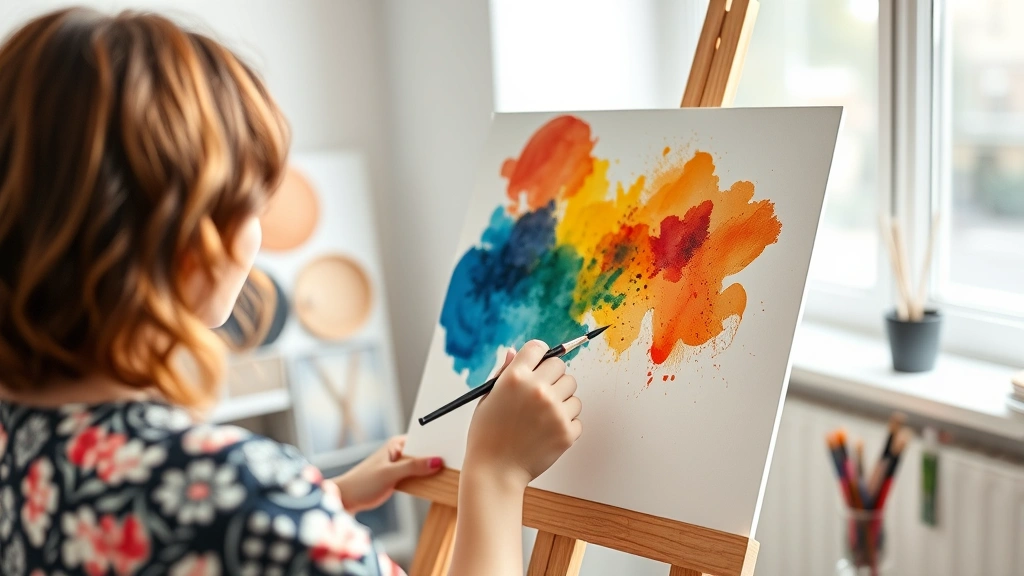
Art therapy has emerged as a compelling therapeutic approach that combines creative expression with psychological healing. Unlike traditional talk therapy, art therapy leverages the power of artistic creation—drawing, painting, sculpting, and other visual mediums—to help individuals process emotions, trauma, and mental health challenges. The fundamental premise is that creative expression can bypass cognitive barriers and access deeper emotional truths that words alone might not capture.
Over the past two decades, research into art therapy’s effectiveness has grown substantially, with numerous studies demonstrating measurable benefits for various populations. From children with autism spectrum disorder to adults recovering from PTSD, art therapy continues to gain recognition as a legitimate therapeutic intervention. This comprehensive guide explores the scientific evidence, mechanisms of action, and practical applications of art therapy, providing you with expert insights to understand whether this creative approach might benefit you or your loved ones.
What Is Art Therapy and How Does It Work?
Art therapy is a mental health profession that uses the creative process of making art to improve and enhance physical, mental, and emotional well-being. According to the Art Therapy Credentials Board, registered art therapists hold master’s degrees and complete extensive supervised clinical hours. The practice is grounded in psychological theory and combines elements of psychotherapy with visual arts.
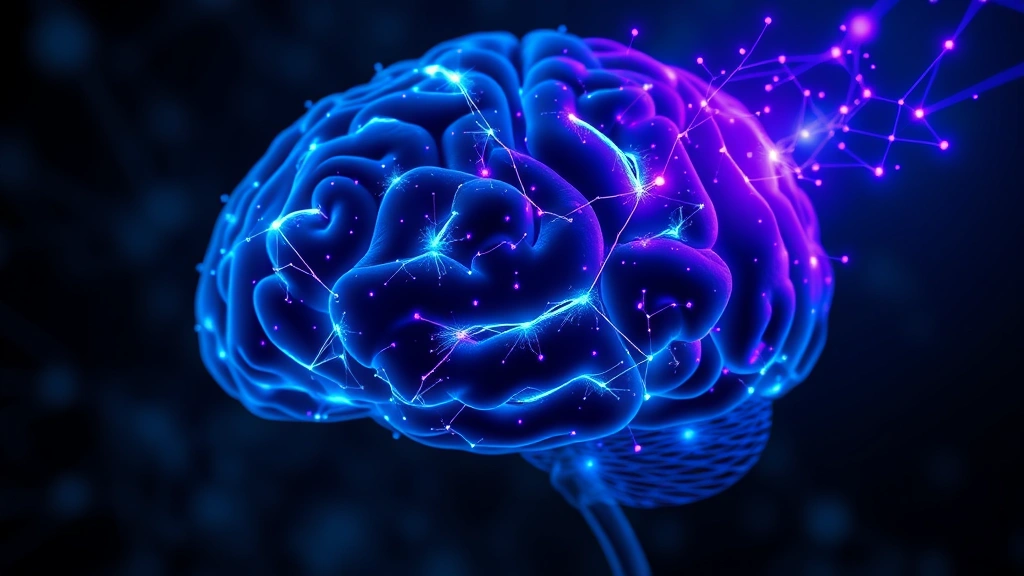
The therapeutic mechanism operates on several levels simultaneously. When individuals engage in artistic creation, they activate multiple brain regions responsible for motor control, sensory processing, and emotional regulation. The non-verbal nature of art allows people to express feelings and experiences that might be difficult to articulate verbally. This is particularly valuable for trauma survivors, individuals with developmental disabilities, or those experiencing severe anxiety or depression.
Art therapy sessions typically involve a trained therapist who guides clients through the creative process while maintaining a supportive, non-judgmental environment. The focus is not on artistic skill or producing aesthetically pleasing work—instead, emphasis falls on the process of creation and what emerges emotionally and psychologically. Whether you’re exploring therapy resources and information or seeking specialized treatment, understanding this distinction is crucial to appreciating art therapy’s value.
Key mechanisms include:
- Emotional regulation: Art-making activates the parasympathetic nervous system, reducing stress hormones like cortisol
- Cognitive processing: Creating visual representations helps organize chaotic thoughts and memories
- Self-expression: Non-verbal communication accesses emotions stored in implicit memory systems
- Neuroplasticity: Engaging creative pathways strengthens neural connections and promotes brain healing
Scientific Evidence Supporting Art Therapy
Rigorous scientific research increasingly validates art therapy’s effectiveness. A landmark meta-analysis published in the PLOS ONE journal examined 26 randomized controlled trials and found significant positive effects on anxiety, depression, and quality of life outcomes. The research demonstrated effect sizes comparable to other established psychological interventions.
Neuroimaging studies reveal fascinating insights into how art therapy affects brain function. Research using functional MRI shows that creating art increases blood flow to the prefrontal cortex—the region responsible for executive function and emotional regulation. Simultaneously, activity in the amygdala, which processes fear and threat, decreases during art-making activities. This neurological shift explains why many individuals report feeling calmer and more in control after art therapy sessions.
The American Psychological Association recognizes art therapy as an evidence-based practice for multiple conditions. Studies have documented specific benefits:
- Reduction in cortisol levels (stress hormone) after just 45 minutes of art-making
- Improved emotional regulation in children with behavioral disorders
- Enhanced cognitive function in individuals with dementia
- Significant symptom reduction in PTSD patients when combined with trauma-focused therapy
- Improved self-esteem and social functioning in adolescents
Long-term follow-up studies indicate that benefits persist beyond the therapy period, suggesting that art therapy helps individuals develop lasting coping mechanisms and emotional resilience.
Art Therapy for Mental Health Conditions
Art therapy demonstrates particular effectiveness for specific mental health diagnoses, making it a valuable component of comprehensive treatment plans.
Post-Traumatic Stress Disorder (PTSD): Trauma researchers recognize that traumatic memories are often stored non-verbally in the brain’s implicit memory system. Art therapy provides direct access to these memories without requiring clients to verbalize traumatic details, reducing re-traumatization risk. Creating visual representations of trauma helps process experiences and integrate them into coherent narratives. When combined with trauma-focused cognitive behavioral therapy, art therapy significantly accelerates healing.
Depression and Anxiety Disorders: Multiple studies show art therapy reduces depressive symptoms and anxiety severity. The process of color selection, compositional choices, and creative problem-solving engages cognitive and emotional resources that counteract rumination and worry patterns. The tangible evidence of creative accomplishment also enhances self-efficacy and mood.
Attention-Deficit/Hyperactivity Disorder (ADHD): Structured art therapy sessions provide regulated sensory input while developing focus and impulse control. The immediate feedback from artistic choices helps individuals with ADHD recognize consequences and develop self-awareness. Many practitioners report that art therapy serves as an effective complement to medication and behavioral interventions.
Autism Spectrum Disorder: Art therapy leverages the often-exceptional visual-spatial strengths common in autism while providing a low-pressure communication avenue. Many autistic individuals find art therapy more comfortable than traditional talk therapy, as it doesn’t require eye contact or sustained verbal interaction. Research documents improvements in social communication, emotional expression, and anxiety reduction.
Eating Disorders: Art therapy addresses the body image disturbance underlying many eating disorders. Creating visual representations of body image, exploring feelings about food, and developing compassion through artistic expression contributes meaningfully to recovery. Therapists report that art-based interventions help clients reconnect with their bodies in positive ways.
Populations That Benefit Most from Art Therapy
While art therapy benefits diverse populations, certain groups show particularly robust outcomes. Understanding which populations benefit most helps determine whether this approach aligns with specific needs.
Children and Adolescents: Young people often lack the verbal sophistication to articulate complex emotions. Art provides an accessible language for emotional expression. School-based art therapy programs demonstrate measurable improvements in academic performance, behavioral regulation, and peer relationships. For children who’ve experienced abuse or neglect, art therapy creates psychological safety while facilitating processing of difficult experiences.
Trauma Survivors: Beyond PTSD diagnosis, individuals recovering from any trauma—accidents, violence, loss, medical trauma—benefit significantly from art therapy. The approach honors the wisdom of the body and nervous system rather than forcing premature verbal processing.
Individuals with Cognitive or Communication Disabilities: Art therapy transcends communication barriers. People with aphasia following stroke, individuals with severe intellectual disabilities, and those with progressive neurological conditions can all participate meaningfully in art therapy. The focus on process rather than product eliminates performance pressure.
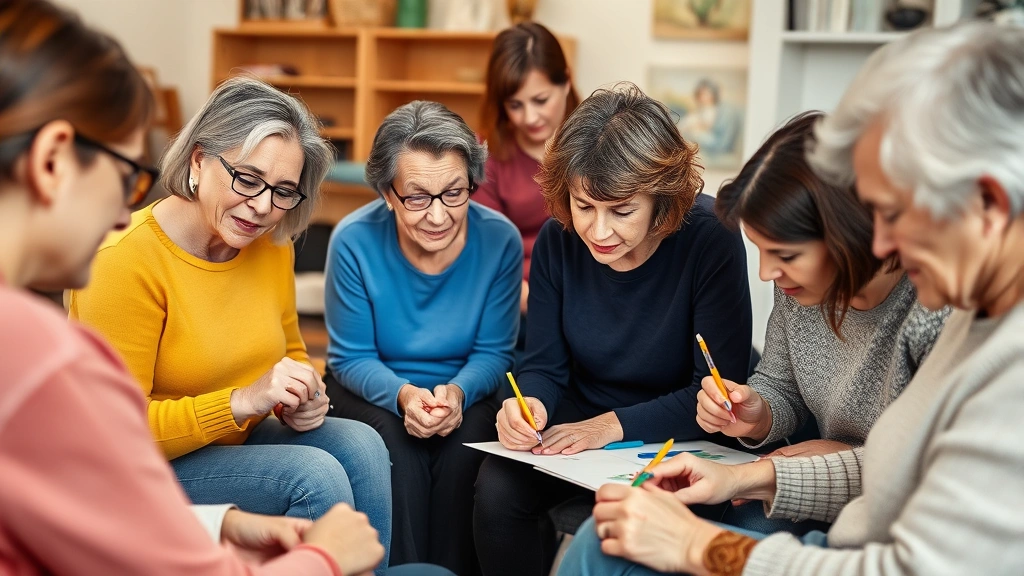
Older Adults: Art therapy in geriatric populations addresses multiple challenges simultaneously—cognitive decline, social isolation, grief, and existential concerns. Creative engagement maintains cognitive reserve, facilitates social connection, and provides meaningful purpose. Art therapy in senior communities consistently correlates with improved mood, increased social participation, and enhanced quality of life.
Medical Patients: Individuals undergoing cancer treatment, managing chronic pain, or recovering from surgery benefit from art therapy’s stress-reduction properties. Hospital-based art therapy programs have documented reduced pain perception, decreased anxiety about procedures, and improved overall coping.
Comparing Art Therapy to Traditional Approaches
Understanding how art therapy compares to conventional therapeutic modalities helps contextualize its role in comprehensive mental health care. Many experts view art therapy not as a replacement for traditional approaches but as a valuable complement.
Art Therapy vs. Talk Therapy: Both modalities are evidence-based and effective, but they access different cognitive and emotional systems. Talk therapy excels at cognitive restructuring and developing rational understanding. Art therapy bypasses cognitive defenses and accesses implicit emotional memory. Combining both approaches often yields superior outcomes compared to either alone. If you’re exploring therapy pricing and cost information, you’ll find that integrated approaches sometimes provide better value by addressing multiple therapeutic targets simultaneously.
Art Therapy vs. Medication: These interventions operate through different mechanisms. Psychiatric medications address neurochemical imbalances, while art therapy facilitates psychological processing and behavioral change. Most mental health professionals recommend combined treatment—medication addressing biological factors and therapy addressing psychological and behavioral dimensions. Art therapy can enhance medication effectiveness by helping individuals develop insight and coping skills.
Art Therapy vs. Other Creative Therapies: Music therapy, dance therapy, and drama therapy share art therapy’s foundational principles but engage different modalities. Some individuals respond better to one modality than another. Art therapy’s particular strength lies in its tangible, visual nature—individuals can review their artwork and track progress visually across sessions, providing concrete evidence of emotional evolution.
Integration with Specialized Services: Art therapy complements specialized services like physical therapy services and speech therapy, particularly for clients with complex presentations. A holistic approach addressing physical, cognitive, and emotional dimensions produces optimal outcomes.
Finding Quality Art Therapy Services
Ensuring you receive quality art therapy requires understanding credentialing, finding qualified practitioners, and establishing realistic expectations.
Credentialing and Qualifications: The Art Therapy Credentials Board certifies registered art therapists (RATc) who have completed master’s-level education and 1,000-2,000 hours of supervised clinical experience. When seeking services, verify that practitioners hold this credential or equivalent licensure in states with art therapy licensing laws. Some states regulate art therapy; others don’t, making credential verification essential.
Specialized Expertise: While all registered art therapists receive comprehensive training, many develop specialized expertise. Some focus on trauma, others on child development or neurological conditions. If you’re seeking art therapy for a specific condition, ask about practitioners’ experience with that particular population.
Integration with Broader Treatment: The most effective art therapy occurs within coordinated care models. If you’re receiving other mental health treatment, ensure your art therapist communicates with your other providers. When exploring occupational therapy career opportunities, you’ll notice increasing emphasis on interdisciplinary collaboration—this same principle applies to accessing art therapy services.
Setting Realistic Expectations: Art therapy is not a quick fix, but rather a process of gradual emotional and psychological development. Most individuals require 8-12 sessions to notice significant changes, with ongoing sessions providing continued benefit. Improvement typically emerges gradually rather than dramatically.
Cost and Accessibility: Art therapy costs typically range from $75-$200 per session, depending on practitioner credentials and location. Some insurance plans cover art therapy when provided by licensed professionals; many don’t. Increasingly, community mental health centers, hospitals, and schools offer art therapy services, sometimes at reduced cost. Exploring therapy pricing information helps identify affordable options in your area.
Frequently Asked Questions
Is art therapy covered by insurance?
Coverage varies significantly by insurance plan and state regulations. Some plans cover art therapy when delivered by licensed professionals, while others don’t recognize it as a reimbursable service. Contact your insurance provider directly with your therapist’s credentials and licensing information. Many therapists can bill under mental health counseling codes if properly licensed.
Do I need artistic talent for art therapy to work?
Absolutely not. Art therapy explicitly does not require artistic skill or talent. The therapeutic value comes from the process of creation and emotional expression, not from producing aesthetically pleasing artwork. Many people benefit precisely because they can create without performance pressure.
What should I expect in my first art therapy session?
Initial sessions typically involve assessment and goal-setting. The therapist will ask about your mental health history, current concerns, and therapy goals. You’ll likely create some artwork—often simple materials like colored pencils and paper. The therapist will help you explore what emerged during creation without judgment.
How long does art therapy take to show results?
Most individuals notice improved mood, reduced anxiety, or better emotional awareness within 4-6 sessions. Significant symptom reduction typically requires 8-12 sessions. Deeper psychological changes and sustained behavioral modification usually require ongoing therapy over several months.
Can art therapy help with specific diagnoses like depression or anxiety?
Yes, research demonstrates art therapy’s effectiveness for depression, anxiety, PTSD, ADHD, autism, eating disorders, and numerous other conditions. However, individual responses vary. Some people experience dramatic improvement; others benefit more modestly. Combining art therapy with other evidence-based treatments often produces optimal results.
Is art therapy appropriate for children?
Art therapy is particularly effective for children, who often express emotions more readily through art than conversation. It’s used successfully in schools, hospitals, and mental health clinics for children from ages 3 through adolescence. Younger children benefit from art therapy for behavioral issues, trauma, and emotional regulation; older children and adolescents use art therapy for depression, anxiety, and identity exploration.
How does art therapy differ from simply making art as a hobby?
While both involve creative expression, art therapy differs fundamentally in its intentional therapeutic framework. A trained therapist guides the process, helping you explore what emerges psychologically and emotionally. The therapist creates safety, asks reflective questions, and helps you integrate insights. Hobby art-making is wonderful but lacks this therapeutic structure and professional guidance.
Can I do art therapy online?
While some art therapy can occur online, most practitioners recommend in-person sessions to fully access the benefits. Online sessions work better for follow-up work or when geographic constraints prevent in-person access. The tactile experience of materials and physical presence in a therapeutic space enhance outcomes for many individuals.