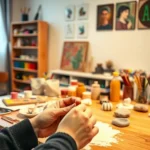
How Art Therapy Boosts Mental Health: Expert Insights
Art therapy represents a powerful intersection of creative expression and psychological healing, offering individuals a non-verbal pathway to process emotions, trauma, and mental health challenges. Unlike traditional talk therapy, art therapy leverages the therapeutic potential of the creative process itself—whether through painting, drawing, sculpture, or mixed media—to facilitate profound psychological transformation. This evidence-based approach has gained significant recognition in clinical settings, hospitals, and mental health facilities worldwide, supported by decades of research demonstrating its efficacy in treating anxiety, depression, PTSD, and various other conditions.
The beauty of art therapy lies in its accessibility and inclusivity. You don’t need to be an artist to benefit from its healing properties. The focus isn’t on creating a masterpiece or developing technical skills; rather, it’s about engaging in the creative process as a means of self-discovery, emotional regulation, and personal growth. Mental health professionals increasingly recognize art therapy as a complementary or standalone treatment modality that can significantly enhance overall wellness and resilience.
Understanding Art Therapy and Its Foundations
Art therapy emerged as a formal discipline in the mid-20th century, though the therapeutic benefits of creative expression have been recognized throughout human history. The field combines principles from psychology, neuroscience, and the visual arts to create a structured therapeutic intervention. According to the American Art Therapy Association, art therapy is defined as a mental health profession that uses the creative process of making art to improve and enhance physical, mental, and emotional well-being.
The foundational premise of art therapy rests on the understanding that the creative process—not just the finished product—facilitates healing and personal growth. This distinction is crucial. When engaging in art therapy, clients work with trained art therapists who guide them through the creative process, helping them explore their inner worlds, express difficult emotions, and gain new insights about themselves. The therapist’s role involves careful observation, reflective questioning, and interpretation of both the artwork and the creative experience itself.
Certified art therapists typically hold advanced degrees in art therapy or related fields and complete extensive supervised clinical training. They possess dual expertise in both psychology and visual arts, enabling them to understand both the psychological processes at work and the artistic techniques that facilitate healing. If you’re exploring therapeutic options, learning about therapy resources and mental health information can help you determine whether art therapy aligns with your needs.
The Neuroscience Behind Creative Healing
Neuroscience research has increasingly validated what art therapists have long understood intuitively: creative expression activates multiple brain regions and facilitates neurological healing. When individuals engage in artistic activities, they stimulate the prefrontal cortex, responsible for executive function and decision-making, while simultaneously activating the limbic system, which processes emotions. This dual activation creates a unique neurological state conducive to emotional processing and psychological insight.
Neuroimaging studies have demonstrated that art-making increases blood flow to regions associated with emotional processing and memory integration. The act of translating internal emotional experiences into visual form requires the brain to organize chaotic emotional content into coherent external representations—a process that inherently facilitates understanding and integration. Research from the American Psychological Association indicates that engaging in creative activities can lower cortisol levels, the primary stress hormone, while simultaneously increasing endorphin production.
Furthermore, art therapy engages the right hemisphere of the brain, which specializes in holistic, intuitive, and non-linear processing. This is particularly valuable for individuals who have experienced trauma, as trauma is often stored in implicit, non-verbal memory. By accessing right-brain processing through artistic expression, individuals can access and process trauma memories that might remain inaccessible through purely verbal therapeutic approaches. The creative process essentially provides a bridge between non-verbal trauma memory and conscious awareness, facilitating integration and healing.

Art Therapy for Anxiety and Depression
Anxiety and depression represent two of the most prevalent mental health conditions affecting millions globally. Traditional treatments often involve medication, cognitive behavioral therapy, or other talk-based interventions. Art therapy offers a complementary approach that can significantly enhance treatment outcomes. For individuals struggling with anxiety, the act of creating art provides a healthy outlet for nervous energy while simultaneously engaging the relaxation response through focused attention on the creative process.
The meditative quality of art-making—the repetitive motions of drawing, painting, or sculpting—activates the parasympathetic nervous system, the body’s natural calming mechanism. This physiological response occurs independently of the artwork’s content or quality. Simply engaging in the creative process can reduce heart rate, lower blood pressure, and decrease anxiety symptoms. Many individuals report that art-making provides a form of mindfulness practice, anchoring them in the present moment and away from anxious thoughts about the future.
For depression, art therapy addresses both the symptoms and underlying causes. Depression often involves emotional numbness, difficulty accessing feelings, and disconnection from oneself. The creative process provides a structured way to reconnect with emotions and express internal experiences that may feel too overwhelming or inexpressible through words. Additionally, the sense of accomplishment and agency that comes from creating something tangible can help counter the hopelessness and helplessness characteristic of depressive states. Research indicates that individuals who engage in regular creative practices report significantly improved mood and life satisfaction compared to control groups.
Exploring complementary therapeutic approaches like cognitive behavioral therapy for anxiety management alongside art therapy can provide comprehensive mental health support. Different therapeutic modalities often work synergistically, addressing various aspects of psychological well-being.
Trauma Recovery Through Artistic Expression
Trauma represents one of the most challenging mental health conditions to treat, often because traumatic memories are encoded differently than ordinary memories. Trauma can become fragmented, implicit, and stored primarily in the body and emotional memory systems rather than in narrative, verbal memory. This neurobiological reality explains why traditional talk therapy alone sometimes proves insufficient for trauma recovery. Art therapy uniquely addresses this challenge by providing a non-verbal pathway to trauma processing.
When individuals who have experienced trauma engage in art-making, they can externalize internal traumatic content without necessarily having to verbalize it. This externalization itself provides therapeutic benefit, as it creates psychological distance from the trauma material. By depicting traumatic experiences, memories, or emotions through visual representation, individuals can observe their trauma from a slightly removed perspective, facilitating both emotional processing and cognitive integration.
Art therapists working with trauma survivors employ specific techniques designed to promote safety and gradual exposure. Rather than forcing immediate confrontation with traumatic material, art therapy allows clients to work at their own pace, using the creative process as a natural regulator of emotional intensity. The therapist carefully guides this process, ensuring that clients remain within their window of tolerance—the optimal zone where they can process material without becoming overwhelmed or dissociated.
Research on art therapy for PTSD, complex trauma, and childhood abuse demonstrates significant symptom reduction and improved emotional regulation. The combination of creative expression, sensory engagement, and therapeutic relationship creates powerful conditions for trauma integration and healing. Many trauma survivors report that art therapy enabled them to access and process memories that had remained stuck or fragmented through other therapeutic approaches.

Art Therapy in Clinical Practice
Art therapy has become increasingly integrated into clinical mental health settings, psychiatric hospitals, rehabilitation centers, and specialized treatment programs. Mental health professionals recognize that diverse therapeutic modalities serve different individuals and different presenting concerns. Art therapy’s inclusion in comprehensive mental health treatment reflects both research evidence and practical clinical outcomes demonstrating its effectiveness.
In hospital settings, art therapy programs serve patients dealing with acute psychiatric crises, severe depression, suicidal ideation, and other serious mental health conditions. The structure and safety of the hospital environment combined with art therapy’s non-threatening nature makes it particularly valuable for individuals in acute distress. Similarly, rehabilitation centers increasingly incorporate art therapy into treatment protocols for substance use disorders, as creative expression provides healthy coping mechanisms and emotional processing alternatives to substance use.
Specialized art therapy programs also serve specific populations including children, adolescents, elderly individuals, and those with developmental disabilities. For children particularly, art therapy provides an age-appropriate therapeutic intervention that respects their developmental level while addressing serious psychological concerns. Children often find it easier to express complex emotions through drawing or painting than through verbal communication, making art therapy exceptionally valuable in pediatric mental health contexts.
If you’re interested in mental health careers, understanding occupational therapy positions and related therapeutic professions can provide insight into various mental health career pathways. Art therapy represents just one of many rewarding therapeutic disciplines contributing to mental health treatment and recovery.
Integrating Art Therapy With Other Treatments
Optimal mental health treatment often involves an integrated, multimodal approach combining various therapeutic interventions. Art therapy functions exceptionally well as a complement to pharmacological treatment, individual psychotherapy, group therapy, and other clinical interventions. Rather than replacing traditional mental health treatment, art therapy typically enhances and accelerates therapeutic progress.
Integration with psychotherapy proves particularly effective. A therapist trained in both talk therapy and art therapy—or a collaborative team including both a psychotherapist and art therapist—can address psychological concerns from multiple angles. While verbal therapy helps clients develop insight and understanding, art therapy facilitates emotional processing and embodied healing. Together, these approaches create comprehensive treatment addressing cognitive, emotional, and somatic dimensions of psychological experience.
For individuals managing therapy costs and mental health treatment expenses, art therapy can sometimes reduce overall treatment duration and intensity compared to single-modality approaches. The efficiency of multimodal treatment that includes art therapy often results in cost-effectiveness despite the additional therapeutic component.
Group art therapy programs provide additional benefits beyond individual sessions. Group settings normalize psychological struggles, reduce shame and isolation, and facilitate interpersonal learning and support. Participants benefit from witnessing others’ creative processes and artistic expressions, often finding validation and connection through shared human experience expressed visually.
Art therapy also integrates well with medical treatment for chronic illness and pain management. Individuals coping with serious medical conditions often experience significant psychological distress, depression, and anxiety. Art therapy provides a mechanism for processing these emotions while simultaneously promoting relaxation and activating the body’s natural healing responses. Research published in the National Center for Biotechnology Information demonstrates that art therapy interventions produce measurable improvements in pain perception, emotional well-being, and quality of life among medical patients.
For those exploring various therapeutic approaches, understanding speech therapy and other therapeutic modalities alongside art therapy can help create a comprehensive wellness plan addressing all dimensions of health and functioning.
Practical Applications and Getting Started
Beginning an art therapy journey requires finding a qualified, credentialed art therapist. The American Art Therapy Association maintains registries of certified practitioners and provides resources for locating qualified professionals in your area. When selecting an art therapist, inquire about their credentials, specialized training, experience with your particular concerns, and treatment approach.
Art therapy sessions typically occur weekly, with each session lasting 45-60 minutes. The therapist provides materials, guidance, and a safe therapeutic space. You’ll be invited to create artwork while the therapist observes, asks reflective questions, and helps you explore the meanings and feelings emerging through your creative process. Sessions are confidential, and there’s no expectation of artistic skill or previous creative experience.
Beyond formal therapy, many individuals benefit from engaging in regular creative practices independently. Drawing, painting, collage-making, or sculpture can serve as personal wellness practices supporting mental health between therapy sessions. The key is regular engagement with the creative process without judgment about the results, focusing instead on the experience itself and the emotions and insights that emerge.
FAQ
What is the difference between art therapy and art classes?
Art classes focus on teaching artistic techniques and skill development, while art therapy uses the creative process as a psychological intervention guided by a mental health professional. Art therapy emphasizes emotional expression and psychological healing rather than technical proficiency or aesthetic achievement.
Can art therapy help with serious mental health conditions like bipolar disorder or schizophrenia?
Art therapy can be beneficial as part of comprehensive treatment for serious mental health conditions, often used alongside medication and other clinical interventions. It provides emotional expression outlets and can support medication compliance and therapeutic engagement. However, art therapy should complement, not replace, necessary psychiatric treatment.
How long does art therapy take to show results?
Many individuals report feeling calmer and more emotionally regulated after their first session. More substantial symptom reduction and psychological change typically emerge over several weeks to months of consistent engagement. Treatment duration varies based on individual factors, condition severity, and treatment goals.
Is art therapy covered by insurance?
Many insurance plans cover art therapy when provided by a credentialed, licensed art therapist, particularly when integrated into comprehensive mental health treatment. Coverage varies by plan and provider, so checking with your insurance company and potential therapists regarding billing and coverage is essential.
Do I need artistic talent to benefit from art therapy?
Absolutely not. Art therapy benefits individuals regardless of artistic ability or previous creative experience. The therapeutic value comes from the creative process itself, not from producing aesthetically pleasing or technically skilled artwork.
Can children benefit from art therapy?
Yes, art therapy is particularly effective for children, who often find it easier to express emotions through creative media than through verbal communication. Art therapy is widely used in pediatric mental health settings for addressing anxiety, trauma, behavioral issues, and emotional development.