Epat Therapy: Can It Boost Mental Health? Expert Views
Extracorporeal Pulse Activation Technology, commonly known as EPAT therapy, has emerged as a fascinating intersection between physical medicine and mental health treatment. While traditionally recognized for its applications in treating musculoskeletal conditions, recent clinical investigations suggest that EPAT therapy may offer unexpected benefits for psychological well-being and stress-related disorders. This comprehensive exploration examines the scientific evidence, expert perspectives, and potential mechanisms by which EPAT therapy could enhance mental health outcomes.
Mental health professionals and researchers worldwide are increasingly interested in non-pharmacological interventions that can complement traditional therapeutic approaches. EPAT therapy represents a novel modality that warrants serious investigation, particularly for individuals seeking alternative or adjunctive treatments for anxiety, depression, and trauma-related conditions. Understanding how this technology works and what the evidence suggests is crucial for both practitioners and patients considering this therapeutic avenue.
What Is EPAT Therapy and How Does It Work?
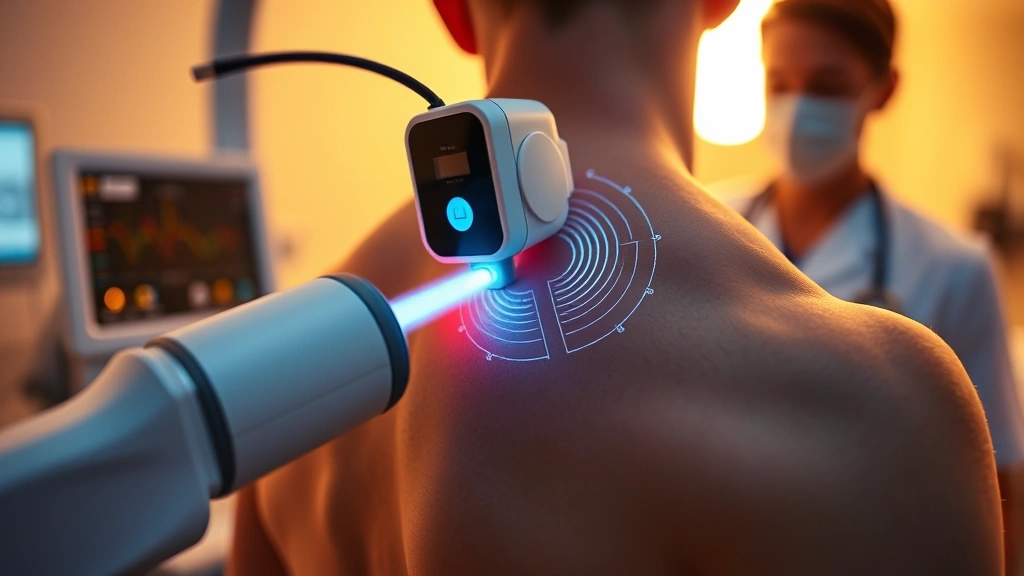
EPAT therapy utilizes focused extracorporeal shock waves to stimulate healing and regeneration in targeted tissues. The technology generates acoustic pulses that create mechanical stress on cells, triggering biological responses that promote tissue repair and reduce inflammation. Originally developed for urological applications and subsequently adapted for orthopedic conditions, EPAT has demonstrated remarkable versatility in clinical applications.
The mechanism of action involves creating microscopic cavitation bubbles within tissues, which collapse and generate shear forces. These mechanical stimuli activate cellular signaling pathways, including the upregulation of growth factors such as vascular endothelial growth factor (VEGF) and bone morphogenetic proteins (BMPs). Additionally, EPAT therapy modulates inflammatory responses by reducing pro-inflammatory cytokines, which may have systemic implications for mental health conditions characterized by neuroinflammation.
Unlike pharmacological interventions, EPAT therapy operates through purely mechanical means, making it non-invasive and free from chemical side effects. The treatment is typically administered in outpatient settings, with sessions lasting 15-30 minutes. This accessibility and safety profile have contributed to growing interest in exploring its applications beyond traditional orthopedic uses, including mental health and neurological conditions.

The Connection Between Physical and Mental Health
The mind-body connection represents one of the most robust findings in contemporary medicine. Chronic pain, physical tension, and inflammatory states significantly impact psychological well-being, contributing to depression, anxiety, and other mental health disorders. Conversely, psychological stress manifests physically through muscle tension, autonomic nervous system dysregulation, and systemic inflammation. This bidirectional relationship suggests that addressing physical dysfunction may have meaningful mental health benefits.
When individuals experience chronic musculoskeletal pain or tension, they often develop maladaptive pain-related beliefs, avoidance behaviors, and secondary anxiety disorders. Breaking this cycle through effective physical interventions can facilitate psychological improvement. Consider exploring therapy resources and articles from MindLift Daily Blog for comprehensive information about integrated treatment approaches that address both physical and mental dimensions of health.
The polyvagal theory, developed by neuroscientist Stephen Porges, provides a framework for understanding how physical interventions might influence mental states. The vagus nerve, which innervates numerous organs and regulates the parasympathetic nervous system, responds to physical stimuli. Treatments that promote vagal tone and parasympathetic activation may consequently reduce anxiety and promote emotional regulation. EPAT therapy’s effects on tissue and potentially on autonomic nervous system function warrant investigation through this theoretical lens.
Individuals suffering from EMDR therapy and evidence-based trauma treatment approaches often benefit from multimodal interventions that address both psychological and somatic dimensions of trauma. Similarly, EPAT therapy might serve as a complementary modality that addresses the physical manifestations of psychological distress.
EPAT Therapy and Neurobiological Mechanisms
The potential mental health benefits of EPAT therapy likely operate through several neurobiological pathways. First, by reducing chronic pain and physical tension, EPAT therapy decreases the continuous nociceptive input reaching the brain, thereby reducing pain-related suffering and improving mood. Pain and depression share common neurochemical substrates, including dysfunction in serotonergic and dopaminergic systems.
Second, EPAT therapy may modulate inflammatory markers that have been implicated in depression and anxiety disorders. Research increasingly demonstrates that elevated levels of pro-inflammatory cytokines such as interleukin-6 (IL-6), tumor necrosis factor-alpha (TNF-α), and C-reactive protein (CRP) correlate with depressive symptoms. By reducing systemic inflammation through localized mechanical stimulation, EPAT therapy could address an underlying biological mechanism of mood disorders.
Third, the stimulation of growth factors and neuroplasticity-promoting molecules by EPAT therapy may enhance brain-derived neurotrophic factor (BDNF) production. BDNF supports neuronal survival, growth, and synaptic plasticity, all critical for emotional regulation and cognitive function. Antidepressant medications, psychotherapy, and exercise all increase BDNF levels, suggesting that EPAT therapy might work through similar mechanisms.
Fourth, EPAT therapy’s effects on tissue regeneration and vascularity may improve blood flow to neural tissues, enhancing oxygen and nutrient delivery. Improved cerebral perfusion has been associated with better cognitive function and mood regulation. The acoustic waves generated during EPAT treatment may stimulate endothelial function and promote angiogenesis, with potential benefits for brain health.
Research Evidence and Clinical Studies
While EPAT therapy has extensive evidence supporting its use in orthopedic and urology applications, research specifically examining its mental health effects remains limited but growing. A systematic review published in the National Center for Biotechnology Information examining extracorporeal shock wave therapy (ESWT, closely related to EPAT) identified several mechanisms through which physical treatments influence psychological outcomes.
Clinical observations from practitioners using EPAT therapy report that patients frequently experience improved mood, reduced anxiety, and better sleep quality following treatment. These subjective improvements may relate to pain reduction, stress hormone normalization, or direct neurobiological effects of the acoustic stimulation. However, rigorous randomized controlled trials specifically measuring mental health outcomes remain necessary to establish definitive efficacy.
Studies examining related technologies provide supporting evidence. Research on ScienceDirect demonstrates that various forms of mechanical stimulation and vibration therapy influence mood and anxiety levels. Additionally, investigations into the effects of physical interventions on inflammation and neuroplasticity suggest plausible mechanisms through which EPAT therapy could benefit mental health.
A 2023 review examining non-pharmacological interventions for anxiety disorders highlighted the importance of investigating novel physical modalities. The authors noted that treatments addressing the somatic symptoms of anxiety often produce secondary psychological benefits, suggesting that EPAT therapy deserves empirical investigation in this context.
Expert Perspectives on Mental Health Applications
Leading researchers in psychiatry, neurology, and physical medicine have begun examining EPAT therapy’s potential for mental health applications. Dr. Bessel van der Kolk, renowned trauma specialist, has emphasized the importance of treating the body in trauma recovery, noting that top-down psychological approaches alone may be insufficient for conditions characterized by dysregulated nervous system responses. Physical modalities like EPAT therapy align with this body-inclusive approach to mental health treatment.
Physical medicine specialists report that patients with chronic pain and comorbid depression often show significant mood improvement following successful pain management with EPAT therapy. This observation supports the hypothesis that addressing the physical-mental interface produces meaningful psychological benefits. Experts note that the non-invasive nature and rapid treatment sessions make EPAT therapy particularly appealing for individuals hesitant about medication or traditional talk therapy.
Psychiatrists interested in precision medicine approaches recognize EPAT therapy as a potential tool for individuals whose mental health symptoms have significant inflammatory or pain-related components. The ability to target specific tissue regions while potentially modulating systemic inflammation offers advantages over purely pharmacological approaches that affect the entire body.
Neuroscientists studying neuroplasticity and brain health have expressed interest in EPAT therapy’s potential to enhance neural regeneration and connectivity. If EPAT therapy indeed promotes BDNF production and neurogenesis, it could complement psychological interventions by optimizing the brain’s capacity for change and learning. This perspective views EPAT therapy not as a primary mental health treatment but as a biological enhancer of psychological interventions.
Comparing EPAT to Other Therapeutic Modalities
To contextualize EPAT therapy’s potential role in mental health treatment, it is helpful to compare it to established therapeutic approaches. Traditional psychotherapy approaches like cognitive-behavioral therapy (CBT) and acceptance and commitment therapy (ACT) directly address maladaptive thought patterns and behavioral responses. These top-down approaches remain gold-standard treatments for many mental health conditions.
However, emerging evidence supports the value of bottom-up approaches that address somatic and physiological dysregulation. Modalities such as physical therapy services in Las Vegas and other locations address the body’s role in psychological health. EPAT therapy fits within this category of somatic interventions, working through physical mechanisms to influence mental states.
Compared to exercise, which extensively demonstrates mental health benefits through multiple mechanisms including endorphin release, improved sleep, and social connection, EPAT therapy is more passive and requires less active participation. This characteristic makes EPAT therapy potentially valuable for individuals with severe pain, mobility limitations, or low motivation for exercise. However, exercise likely produces superior mental health outcomes for most individuals and should not be replaced by EPAT therapy.
Relative to pharmacological interventions, EPAT therapy offers the advantages of avoiding medication side effects, potential drug interactions, and dependency concerns. However, psychiatric medications have stronger evidence bases and more rapid effects for severe mental health conditions. EPAT therapy may be most valuable as a complementary approach used alongside medications or psychotherapy rather than as a standalone treatment.
Compared to other physical medicine modalities like acupuncture, massage therapy, or chiropractic care, EPAT therapy offers the advantage of being based on well-understood biophysical principles and having strong evidence for tissue healing. These other modalities may operate through different mechanisms and have varying evidence bases for mental health applications.
Practical Considerations and Safety Profile
EPAT therapy demonstrates an excellent safety profile, with minimal adverse effects reported across thousands of clinical applications. The most common side effects include mild discomfort during treatment and temporary localized inflammation, both of which typically resolve within hours. Serious adverse events are extremely rare when treatment is administered by trained professionals using appropriate protocols.
Contraindications to EPAT therapy are limited but important to consider. Individuals with severe coagulopathies, those taking certain anticoagulant medications, and those with active infections at treatment sites should avoid EPAT therapy. Pregnant individuals should not receive treatment over the abdomen or pelvis. Beyond these contraindications, EPAT therapy is generally safe for the vast majority of individuals.
The accessibility of EPAT therapy is a significant practical advantage. Unlike some emerging mental health treatments requiring specialized facilities or extensive time commitments, EPAT therapy can be administered in outpatient clinics with brief treatment sessions. This accessibility could democratize access to novel mental health interventions, particularly in underserved communities.
Cost considerations are important in treatment selection. EPAT therapy is typically not covered by insurance for mental health applications, though coverage for orthopedic uses varies by plan. Out-of-pocket costs generally range from $300-800 per session, with treatment courses typically consisting of 4-8 sessions. This cost structure makes EPAT therapy accessible to many individuals but may limit availability for those with financial constraints. Individuals interested in comprehensive therapy resources can explore speech therapy services and other therapeutic resources available near you.
The time commitment for EPAT therapy is minimal, typically involving 20-30 minute sessions with little to no recovery time. Patients can return to normal activities immediately, making it compatible with busy lifestyles. This practicality contrasts with some mental health treatments requiring extended office visits or significant lifestyle modifications.
Future Directions in EPAT Research
The future of EPAT therapy in mental health treatment depends on rigorous clinical research establishing efficacy and defining optimal applications. High-priority research directions include randomized controlled trials examining EPAT therapy’s effects on depression, anxiety, post-traumatic stress disorder (PTSD), and chronic pain-related mood disorders. Such studies should include objective outcome measures such as inflammatory markers, neuroimaging findings, and standardized psychological assessments.
Investigation into optimal treatment parameters is needed, including ideal frequency of pulses, energy levels, treatment duration, and session spacing. Different mental health conditions may require different treatment protocols, and research must identify these specifics. Additionally, studies examining EPAT therapy as a monotherapy versus adjunctive treatment would help clarify its optimal role in comprehensive mental health care.
Mechanistic research examining EPAT therapy’s effects on inflammatory markers, growth factors, autonomic nervous system function, and brain imaging would strengthen the theoretical basis for its mental health applications. Understanding precisely how EPAT therapy influences brain function and neurochemistry would facilitate evidence-based clinical decision-making.
Research exploring EPAT therapy in combination with other treatments is particularly promising. Investigating whether EPAT therapy enhances the effectiveness of psychotherapy, medication, or other physical interventions would identify synergistic approaches. For instance, combining EPAT therapy with trauma-focused psychotherapy or examining its role in enhancing occupational therapy approaches and career development in healthcare could yield valuable insights.
Finally, investigation into biomarkers predicting EPAT therapy response would enable precision medicine approaches. Identifying which individuals show the greatest mental health benefits based on inflammatory profiles, pain characteristics, or genetic factors could optimize treatment allocation and outcomes.
FAQ
Is EPAT therapy approved by the FDA for mental health treatment?
EPAT therapy is FDA-approved for specific orthopedic and urological applications but not specifically for mental health disorders. However, FDA approval for mental health applications may follow if rigorous clinical trials demonstrate efficacy and safety. Many clinicians use EPAT therapy off-label for mental health applications based on mechanistic reasoning and preliminary clinical observations.
How quickly do mental health benefits appear after EPAT therapy?
Timeline for mental health improvements varies considerably. Some patients report mood improvements within days to weeks, while others experience more gradual changes over several treatment sessions. The latency likely depends on individual neurobiological factors, the primary mechanism of benefit (pain reduction versus anti-inflammatory effects), and concurrent treatments.
Can EPAT therapy replace antidepressant medications?
Currently, EPAT therapy should not be considered a replacement for antidepressant medications, particularly for moderate to severe depression. However, EPAT therapy may complement medications or psychotherapy, potentially enhancing overall outcomes. Individuals considering reducing psychiatric medications should consult with prescribing physicians before pursuing alternative treatments.
What is the difference between EPAT therapy and other shock wave therapies?
EPAT and ESWT (extracorporeal shock wave therapy) are closely related technologies that generate acoustic pulses to stimulate tissue healing. EPAT specifically refers to focused pulse activation technology, while ESWT includes both focused and radial shock wave applications. The mechanisms are similar, though some differences exist in treatment parameters and tissue penetration.
Are there any interactions between EPAT therapy and psychiatric medications?
No direct interactions between EPAT therapy and psychiatric medications are known. EPAT therapy operates through mechanical means rather than chemical mechanisms, making it unlikely to interact with medications. However, individuals should inform their EPAT therapy providers about all medications and medical conditions.
How many EPAT therapy sessions are typically needed for mental health benefits?
Treatment protocols vary, but mental health applications typically involve 4-8 sessions spaced one to two weeks apart. Some individuals may benefit from fewer sessions, while others may require additional treatments. Optimal session numbers remain to be determined through clinical research.
Can EPAT therapy help with anxiety disorders specifically?
EPAT therapy may benefit individuals with anxiety disorders, particularly those with comorbid chronic pain or tension. By reducing physical tension, pain, and potentially systemic inflammation, EPAT therapy could address underlying biological contributors to anxiety. However, specific clinical evidence for anxiety disorders remains limited.
Is EPAT therapy suitable for individuals with severe mental illness?
EPAT therapy may be appropriate as a complementary treatment in severe mental illness but should never replace evidence-based primary treatments such as medication and psychotherapy. Individuals with severe mental health conditions should discuss EPAT therapy with their treatment team to ensure it complements their comprehensive care plan.