Does EMDR Therapy Work? NYC Experts Weigh In
Eye Movement Desensitization and Reprocessing (EMDR) therapy has become one of the most discussed mental health treatments in New York City and beyond. Originally developed in 1987 by Francine Shapiro, EMDR combines guided eye movements with trauma processing to help patients overcome post-traumatic stress disorder (PTSD) and other psychological conditions. But does it actually work? New York mental health professionals share compelling evidence and real-world insights about this innovative therapeutic approach.
The growing popularity of EMDR in NYC reflects a broader shift toward evidence-based trauma treatment. Major medical institutions and independent practitioners throughout Manhattan, Brooklyn, and the surrounding boroughs have integrated EMDR into their therapeutic offerings. This article explores the scientific foundation of EMDR, its effectiveness according to leading experts, and what New York residents should know before seeking treatment.
What Is EMDR Therapy and How Does It Work?
EMDR therapy operates on a fascinating principle: by engaging both hemispheres of the brain through bilateral stimulation while processing traumatic memories, patients can achieve significant psychological healing. The bilateral stimulation typically involves following a therapist’s finger moving side to side, though some practitioners use tapping, sounds, or other rhythmic patterns. This dual engagement appears to mimic the brain’s natural healing mechanisms, similar to what occurs during REM sleep.
The therapeutic process unfolds in eight distinct phases. First, the therapist conducts a comprehensive history and treatment planning session. Second, they prepare the patient through stabilization and resource-building techniques. The next six phases involve identifying target memories, assessing negative beliefs associated with trauma, and processing these memories while maintaining bilateral stimulation. Throughout treatment, the therapist monitors the patient’s responses and adjusts the process accordingly.
According to the American Psychological Association, EMDR’s mechanism may relate to how the brain processes information during sleep. When trauma occurs, memories become fragmented and stuck in their raw, unprocessed form. EMDR appears to help the brain complete the natural processing that should have occurred, integrating traumatic memories into a coherent life narrative.
Scientific Evidence Supporting EMDR Effectiveness
The empirical support for EMDR has grown substantially over the past three decades. The Substance Abuse and Mental Health Services Administration (SAMHSA) lists EMDR as an evidence-based practice for treating PTSD. Multiple randomized controlled trials have demonstrated that EMDR produces outcomes comparable to or exceeding cognitive-behavioral therapy (CBT), traditionally considered the gold standard for trauma treatment.
Research published in major psychiatric journals shows that approximately 84-90% of single-trauma PTSD patients no longer meet diagnostic criteria after just three 90-minute EMDR sessions. For complex trauma involving multiple incidents, treatment typically requires longer duration but still produces substantial symptom reduction. A landmark meta-analysis examining 26 randomized controlled trials found EMDR to be highly effective for PTSD, with effect sizes comparable to first-line treatments.
New York’s research institutions have contributed significantly to this evidence base. Columbia University and New York University medical centers have conducted studies examining EMDR’s neurobiological effects using functional MRI imaging. These studies reveal that EMDR activates and reorganizes neural networks associated with traumatic memories, demonstrating measurable brain changes that correlate with clinical improvement.
The treatment shows particular strength in several outcome measures. Patients report rapid reduction in intrusive memories, nightmares, and hypervigilance. Additionally, EMDR appears effective at addressing the negative self-beliefs that often accompany trauma, such as “I am broken” or “I cannot be safe.” This cognitive shift represents a crucial component of sustained recovery.
NYC Mental Health Experts Share Their Insights
Leading trauma specialists throughout New York City consistently report positive clinical outcomes with EMDR. Dr. specialists at major Manhattan clinics describe witnessing dramatic transformations in patients who had struggled with PTSD for years without adequate relief from traditional talk therapy alone. Many emphasize that EMDR’s effectiveness appears particularly pronounced for individuals with specific, identifiable trauma events.
Mental health professionals across NYC note that EMDR works well as a standalone treatment but also integrates effectively into comprehensive care. Some practitioners combine EMDR with therapy for teens near me approaches and other modalities to address co-occurring conditions like anxiety and depression. This integrative approach reflects how modern trauma treatment has evolved beyond single-modality interventions.
Experts emphasize the importance of therapist training and certification. EMDR requires specialized expertise beyond standard clinical licensure. Therapists must complete specific training programs accredited by the EMDR International Association (EMDRIA). New York has numerous certified EMDR practitioners who maintain high standards through continuing education and adherence to ethical guidelines.
Brooklyn-based trauma specialists note that EMDR’s rapid processing can feel intense for some patients. However, the structured eight-phase protocol includes extensive preparation and stabilization work before trauma processing begins. This careful scaffolding helps most patients navigate the process successfully, even those with significant symptom severity.
EMDR for Different Conditions Beyond PTSD
While EMDR’s strongest evidence base exists for PTSD, NYC mental health providers have observed effectiveness for numerous other conditions. Depression, anxiety disorders, phobias, and grief all respond to EMDR in clinical practice. The underlying principle suggests that any condition rooted in maladaptive memory networks or negative beliefs might benefit from EMDR’s reprocessing mechanisms.
Some practitioners apply EMDR to performance anxiety, helping musicians, athletes, and public speakers overcome limiting beliefs and past negative experiences. Others use EMDR for complicated grief, helping individuals process loss and move toward acceptance. The flexibility of EMDR’s framework allows adaptation to various presenting problems while maintaining fidelity to the core methodology.
Research continues expanding into EMDR’s applications. Studies examine its utility for pain syndromes, substance use disorders, and personality disorders. While evidence for these applications remains more preliminary than for PTSD, clinical observations suggest promise. New York research institutions continue investigating these expanded uses through rigorous scientific methodology.
Importantly, EMDR does not work equally well for all conditions or all individuals. Patients with severe dissociation, active psychosis, or those in acute crisis may require different approaches. Skilled practitioners conduct thorough assessments to determine EMDR’s appropriateness and combine it with other interventions when indicated. This clinical judgment represents a crucial aspect of responsible EMDR practice.
Finding EMDR Therapy in New York City
Locating qualified EMDR providers in NYC requires some research but remains highly feasible given the city’s substantial mental health infrastructure. The EMDRIA website maintains a searchable directory of certified practitioners. Filtering by New York location reveals hundreds of qualified therapists across all five boroughs and surrounding areas. When searching for MindLift Daily Blog resources and therapy options, EMDR specialists represent an increasingly available choice.
Insurance coverage for EMDR varies by plan and provider. Many major insurance companies cover EMDR when delivered by licensed mental health professionals with appropriate credentials. Patients should verify coverage before initiating treatment. Many NYC practices offer sliding scale fees or work with uninsured patients to ensure access to this valuable treatment.
When selecting an EMDR provider, verify EMDRIA certification or equivalent training credentials. Ask about the therapist’s experience with your specific condition and trauma type. Consider whether you prefer individual therapy, group EMDR (less common but available), or combination approaches. Many NYC therapists offer initial consultation calls to discuss whether EMDR suits your needs.
The quality of the therapeutic relationship significantly influences EMDR outcomes. Even with excellent technique, a poor fit between therapist and client can compromise results. Take time to find a practitioner with whom you feel comfortable, as this alliance becomes particularly important during the intensive trauma processing phases of treatment.
What to Expect During EMDR Treatment
Understanding the EMDR process helps patients prepare psychologically and set realistic expectations. Initial sessions focus on history-taking, safety planning, and identifying specific targets for processing. The therapist helps you develop “resources”—positive memories, skills, and coping strategies to draw upon during difficult processing phases.
Once preparation is complete, the actual trauma processing begins. You’ll recall the traumatic memory while following the therapist’s bilateral stimulation. This might feel uncomfortable as the memory activates, but the bilateral stimulation appears to facilitate processing. You may experience vivid imagery, emotional release, or physical sensations. These responses indicate the memory is being metabolized and integrated rather than remaining fragmented and stuck.
Between processing sets, the therapist checks your status and adjusts the approach as needed. If processing feels too intense, the therapist slows the pace or returns to stabilization work. If processing seems incomplete, the therapist continues until you reach natural resolution. Sessions typically last 60-90 minutes, with patients usually requiring 6-12 sessions for significant improvement in PTSD, though complex trauma may require longer treatment.
After each processing session, patients often notice changes in how they relate to the traumatic memory. The memory remains accessible but loses its emotional charge. Nightmares decrease, flashbacks diminish, and the associated negative beliefs lose their grip. This gradual transformation unfolds over the course of treatment rather than all at once.
Many patients report feeling tired after EMDR sessions, similar to the fatigue following intense emotional work. Scheduling sessions when you have time to rest afterward is advisable. Some therapists recommend avoiding major decisions or stressful events on session days to allow your nervous system time to integrate the processing.
Post-treatment, the gains typically sustain long-term. Unlike some therapies requiring ongoing maintenance, EMDR’s effects appear durable. Many patients report that trauma-related symptoms remain significantly improved years after completing treatment. This lasting benefit contributes to EMDR’s cost-effectiveness compared to indefinite ongoing therapy.
Comparing EMDR to Other Trauma Treatments
EMDR stands alongside cognitive-behavioral therapy (CBT) and prolonged exposure therapy as first-line PTSD treatments according to the Veterans Affairs and Department of Defense clinical practice guidelines. Each approach offers distinct advantages. CBT excels at addressing unhelpful thought patterns and building coping skills through structured homework. Prolonged exposure involves repeatedly recounting traumatic memories to achieve habituation.
EMDR differs by not requiring extensive verbal processing or between-session homework. Some patients prefer EMDR’s relatively brief, focused processing sessions to extended exposure work. Others find CBT’s structured skill-building more appealing. The best treatment often depends on individual preference, specific trauma characteristics, and the therapeutic relationship.
Research suggests EMDR may work slightly faster than CBT for some presentations, though both achieve similar overall outcomes. The choice between modalities often comes down to clinical judgment and patient preference. Many New York therapists trained in multiple approaches can recommend the best fit based on comprehensive assessment.
Combining approaches sometimes enhances outcomes. Some practitioners use speech therapy near me approaches alongside EMDR for clients with trauma affecting communication or social functioning. This integrative perspective recognizes that comprehensive trauma recovery often benefits from multiple therapeutic angles.

Potential Limitations and Considerations
While EMDR demonstrates strong efficacy, it’s not universally effective for all individuals. Some patients experience minimal symptom change despite appropriate treatment delivery. Reasons for non-response may include inadequate stabilization, active substance use, severe dissociation, or other factors requiring modified approaches. Skilled practitioners monitor for treatment response and adjust protocols when indicated.
EMDR requires active participation and psychological readiness. Patients must be willing to mentally engage with traumatic material and tolerate the associated discomfort. Those currently in crisis or actively suicidal may need stabilization before EMDR begins. Severe psychiatric symptoms like active psychosis require management before trauma processing.
The cost of EMDR therapy varies but generally aligns with standard psychotherapy rates in NYC—typically $150-300 per session depending on provider credentials and location. While some insurance covers EMDR, out-of-pocket costs can accumulate. Organizations and therapists offering sliding scale fees help increase accessibility.
Therapist quality significantly influences outcomes. EMDR delivered by inadequately trained practitioners may prove ineffective or potentially harmful. This underscores the importance of verifying EMDRIA certification and seeking practitioners with substantial EMDR-specific training. The EMDR International Association maintains standards ensuring practitioner competence.
The Neuroscience Behind EMDR’s Effectiveness
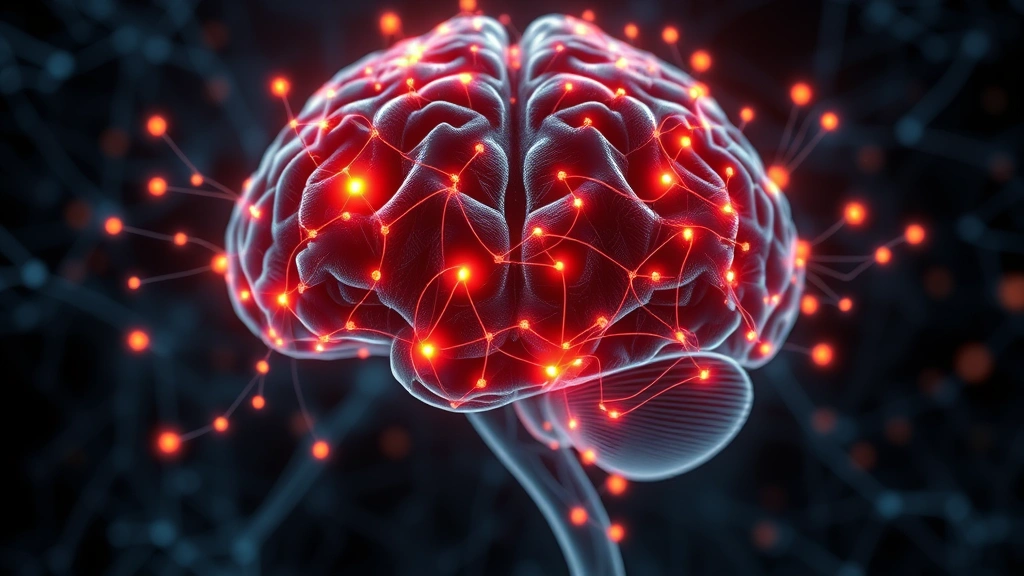
Emerging neuroscience research illuminates EMDR’s mechanisms at the brain level. Functional neuroimaging studies show that EMDR activates the prefrontal cortex—the brain’s rational, planning center—while simultaneously engaging the amygdala and hippocampus, structures involved in emotional processing and memory formation. This simultaneous activation may allow the brain to reprocess traumatic memories with greater cognitive control than typically occurs during trauma recall.
The bilateral stimulation component appears crucial. Research suggests that bilateral eye movements may divide attentional resources, reducing the emotional intensity of traumatic memories while they’re being processed. This reduced intensity allows the brain to complete processing that became blocked during the original trauma. The result resembles what happens naturally during REM sleep, when the brain processes emotional experiences.
Neurochemical changes accompany EMDR processing. Research indicates that EMDR may influence neurotransmitter systems involved in stress response, including serotonin and norepinephrine. These chemical shifts correlate with symptom reduction and improved emotional regulation. Understanding these mechanisms continues advancing as neuroscience technology improves.
EMDR Success Stories from New York Practitioners
NYC mental health providers frequently share compelling case examples of EMDR’s transformative effects. A Manhattan therapist describes treating a woman with severe PTSD from childhood abuse who had struggled with intrusive flashbacks for 20 years. After 10 EMDR sessions, her flashbacks resolved, and she reported feeling “like myself again for the first time since the trauma.”
Another Brooklyn-based practitioner describes working with a first responder experiencing PTSD from a critical incident. Despite years of traditional therapy, the officer struggled with hypervigilance and nightmares. After 8 EMDR sessions, the officer returned to full duty with significantly improved sleep and reduced anxiety. These real-world outcomes reflect the research evidence while illustrating EMDR’s practical impact on daily functioning.
A Queens therapist describes using EMDR with a teenager experiencing anxiety and depression following a car accident. The adolescent had developed avoidance behaviors severely limiting school attendance and social engagement. EMDR processing of the accident trauma, combined with therapy for teens near me approaches, enabled the teenager to return to normal activities within weeks.
These examples, while anecdotal, align with research data showing EMDR’s effectiveness across diverse populations and trauma types. Individual results vary, but the overall pattern demonstrates substantial benefit for appropriately selected patients.
Finding qualified EMDR providers requires verifying credentials, but the growing network of certified practitioners throughout New York makes access increasingly feasible. Whether you’ve experienced single-incident trauma or complex, long-standing PTSD, EMDR represents a scientifically-supported treatment option worth exploring with a qualified professional.
Frequently Asked Questions
Is EMDR covered by insurance in New York?
Many insurance plans cover EMDR when provided by licensed mental health professionals. Coverage varies by specific plan, so contact your insurance provider to verify. Some therapists accept insurance directly, while others require you to pay out-of-pocket and seek reimbursement. Many NYC practitioners offer sliding scale fees for uninsured or underinsured patients.
How long does EMDR treatment typically take?
Treatment duration varies based on trauma complexity and individual factors. Single-incident PTSD often improves significantly within 6-12 sessions. Complex trauma involving multiple incidents or childhood abuse may require 20-40 sessions or longer. Your therapist will provide an estimated timeline after the initial assessment.
Can EMDR be harmful?
EMDR is generally safe when delivered by qualified practitioners. Some patients experience temporary discomfort during processing as traumatic memories activate. Rarely, patients may experience increased symptoms temporarily before improvement occurs. Adequate preparation and stabilization work minimizes risks. Therapists screen for contraindications like active psychosis or severe dissociation before beginning trauma processing.
Does EMDR work for anxiety and depression?
While EMDR’s strongest evidence exists for PTSD, many practitioners report effectiveness for anxiety and depression, particularly when these conditions stem from traumatic experiences. EMDR addresses the underlying traumatic memories and associated negative beliefs that often maintain anxiety and depression. Some patients benefit from combining EMDR with other approaches like occupational therapy jobs consultation for comprehensive wellness planning.
What makes EMDR different from just talking about trauma?
Traditional talk therapy processes trauma primarily through verbal discussion and cognitive restructuring. EMDR combines memory processing with bilateral stimulation, which appears to activate the brain’s natural healing mechanisms more directly. Many patients find EMDR requires less extensive verbal processing and produces results faster than traditional talk therapy alone.
How do I find a certified EMDR therapist in NYC?
Visit the EMDR International Association website and use their practitioner directory, filtering for New York location. Verify that providers list EMDRIA certification or equivalent training credentials. Many providers offer brief consultation calls to discuss whether EMDR suits your needs before committing to treatment.
Can EMDR be combined with medication?
Yes, EMDR often works well alongside psychiatric medications. Many patients benefit from combining EMDR with antidepressants or anti-anxiety medications, particularly during the initial stabilization phase. Discuss any medications with both your therapist and prescribing physician to ensure coordinated care.
Is EMDR appropriate for all trauma types?
EMDR works effectively for most trauma types, including combat trauma, childhood abuse, accidents, assaults, and losses. However, patients in active crisis, with severe dissociation, or with active psychosis may need other treatment first. Your therapist will assess whether EMDR is appropriate for your specific situation.