How Dynamic Infusion Therapy Aids Mental Health
Dynamic infusion therapy represents a transformative approach to mental health treatment that combines targeted pharmacological interventions with behavioral and psychological support. This integrated methodology addresses the complex nature of mental health conditions by simultaneously targeting neurochemical imbalances while building coping mechanisms and emotional resilience. As mental health awareness continues to expand globally, understanding innovative therapeutic approaches becomes essential for individuals seeking effective treatment options.
The integration of infusion-based treatments with dynamic therapeutic practices has emerged as a significant breakthrough in psychiatry and mental wellness. Rather than relying solely on traditional oral medications, dynamic infusion therapy delivers precise doses of therapeutic compounds directly into the bloodstream, allowing for faster absorption, better bioavailability, and more consistent therapeutic effects. This method, combined with concurrent psychological interventions, creates a comprehensive treatment protocol that addresses both the physiological and psychological dimensions of mental health disorders.
Understanding Dynamic Infusion Therapy
Dynamic infusion therapy is a sophisticated medical intervention that delivers therapeutic medications or compounds through intravenous administration while simultaneously integrating behavioral and cognitive interventions. The term “dynamic” emphasizes the active, evolving nature of the treatment process—it’s not a passive administration of medication but rather an interactive therapeutic experience. Patients receive their infusions in clinical settings where trained mental health professionals and medical staff monitor progress and adapt interventions based on real-time responses.
The foundation of dynamic infusion therapy rests on understanding that mental health conditions often involve multiple biological and psychological factors. By addressing these simultaneously, practitioners can achieve more comprehensive outcomes than single-modality treatments might provide. The infusion component ensures rapid delivery of therapeutic agents, while the concurrent dynamic therapy—such as cognitive behavioral therapy, acceptance and commitment therapy, or motivational interviewing—helps patients develop sustainable coping strategies and cognitive restructuring.
This approach differs fundamentally from traditional outpatient psychiatric care, where patients might take oral medications at home while attending separate therapy sessions. Dynamic infusion therapy creates an integrated treatment environment where medical and psychological interventions occur in coordinated fashion, often during the same therapeutic session. This synchronicity allows therapists to address emotional responses and cognitive patterns as they emerge, potentially enhancing treatment efficacy.
Mechanisms of Action in Mental Health Treatment
The therapeutic mechanisms underlying dynamic infusion therapy operate on multiple biological and psychological levels. When medications are administered intravenously, they bypass the gastrointestinal system and achieve higher peak plasma concentrations more rapidly than oral formulations. This faster onset can be particularly beneficial for acute mental health crises, severe anxiety episodes, or treatment-resistant depression where conventional approaches have proven insufficient.
At the neurochemical level, infusion-based treatments often target neurotransmitter systems implicated in mood regulation, anxiety, and cognitive function. Common agents used in dynamic infusion protocols include ketamine, esketamine, and various other compounds that modulate glutamatergic, serotonergic, and dopaminergic pathways. Research from leading neuroscience institutions has demonstrated that these rapid-acting interventions can produce measurable changes in brain activity patterns within hours, compared to weeks or months for traditional antidepressants.
The psychological component operates through several mechanisms. The controlled clinical setting provides a safe environment for processing emotional material. The presence of trained therapists during infusion allows for real-time therapeutic intervention as patients experience shifts in emotional state or psychological insight. Additionally, the structured nature of the treatment—regular appointments, consistent protocols, professional oversight—creates therapeutic holding and containment that itself has healing properties. This integration with therapy for anxious avoidant attachment issues can be particularly valuable for patients whose mental health challenges involve relational patterns.
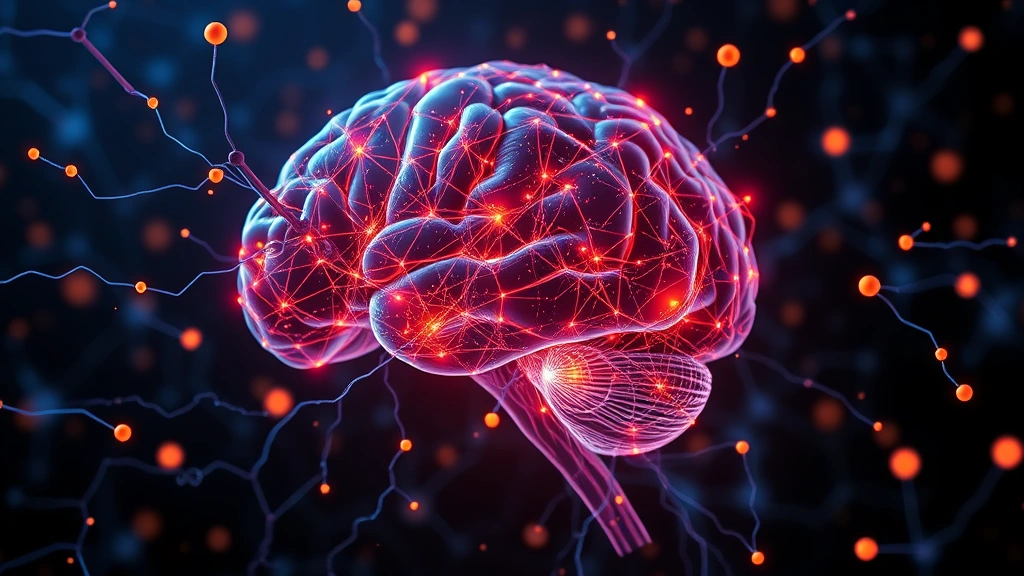
Neuroplasticity—the brain’s ability to form new neural connections—is enhanced during states of heightened neurochemical activity. When infusion therapy temporarily alters neurotransmitter availability, the brain becomes more malleable, making it an optimal window for psychological interventions to create lasting changes in thought patterns and emotional responses.
Conditions Treated with Dynamic Infusion Therapy
Dynamic infusion therapy has demonstrated particular efficacy for several mental health conditions, especially those that have proven resistant to conventional treatments. Treatment-resistant depression, defined as depression that hasn’t responded adequately to at least two trials of antidepressant medications, represents one of the primary indications. Patients with this condition often experience significant functional impairment and heightened suicide risk, making innovative approaches essential.
Major depressive disorder with acute suicidality is another critical indication for dynamic infusion therapy. The rapid onset of action can provide life-saving intervention during mental health crises. Bipolar disorder, particularly during depressive episodes, has shown responsiveness to certain infusion-based protocols when traditional mood stabilizers prove inadequate. Anxiety disorders, including generalized anxiety disorder, social anxiety, and panic disorder, may benefit from the combination of rapid neurochemical modulation and concurrent anxiety-management therapy.
Post-traumatic stress disorder (PTSD) represents an emerging application area, where the combination of infusion therapy and trauma-focused psychological interventions shows promise. The enhanced neuroplasticity during infusion allows traumatic memories to be processed and reintegrated more effectively. Obsessive-compulsive disorder and related conditions may also benefit from dynamic infusion approaches that combine pharmacological intervention with exposure and response prevention therapy. Additionally, red light therapy and other complementary approaches are sometimes integrated into comprehensive treatment plans.
Some practitioners have explored dynamic infusion therapy for chronic pain conditions with significant psychological components, recognizing the bidirectional relationship between pain perception and mental health. The comprehensive nature of this approach addresses not just symptom management but underlying psychological factors contributing to suffering.
The Integration with Traditional Therapy
The synergy between infusion-based medical interventions and traditional psychotherapy represents the true innovation of dynamic infusion therapy. Rather than viewing medication and therapy as separate treatment modalities, this approach recognizes their complementary nature. The infusion creates a biochemical window of heightened neuroplasticity and emotional accessibility, while the concurrent therapy helps patients utilize this window to create meaningful psychological change.
Cognitive behavioral therapy (CBT) is frequently integrated into dynamic infusion protocols, helping patients identify and challenge thought patterns that contribute to emotional distress. The enhanced neurochemical state during infusion may make cognitive restructuring more effective, as the brain is in a more receptive state for forming new associations and thought patterns. Dialectical behavior therapy (DBT) skills, particularly distress tolerance and emotion regulation techniques, can be taught and practiced during infusions, with immediate neurochemical support for emotional processing.
Acceptance and commitment therapy (ACT) principles align particularly well with dynamic infusion therapy, emphasizing psychological flexibility and values-based living even as neurochemistry is being modulated. The experience of infusion therapy itself becomes a metaphor for acceptance—accepting the biological reality of mental health conditions while committing to meaningful action. Comprehensive therapy resources increasingly document these integrated approaches.
Psychodynamic and insight-oriented therapy can be particularly powerful when conducted during infusion sessions, as the altered neurochemical state may facilitate access to unconscious material and emotional depth. The therapeutic relationship becomes central, with the clinician present throughout the infusion process, providing attunement and emotional support. This differs significantly from traditional psychiatry, where medication management and psychotherapy often occur with different providers in separate settings.

Clinical Evidence and Research Findings
The clinical evidence supporting dynamic infusion therapy continues to accumulate, though research in this area remains relatively recent compared to traditional psychiatric treatments. Studies examining ketamine infusions for treatment-resistant depression have demonstrated response rates of 50-70%, compared to approximately 10-20% for additional oral antidepressants in similarly resistant populations. These findings have been published in major psychiatric journals and represent a significant advancement for individuals who have exhausted conventional options.
Research from leading AI and neuroscience research organizations is beginning to explore how real-time neuroimaging during infusion therapy can personalize treatment protocols, potentially improving outcomes further. Neuroimaging studies show that rapid-acting infusion therapies produce measurable changes in brain activity within hours, with corresponding improvements in mood and anxiety symptoms.
A systematic review published in major psychiatric literature indicates that the combination of infusion therapy with concurrent psychotherapy produces superior outcomes compared to infusion therapy alone. This finding underscores the importance of the dynamic, integrated approach rather than viewing medication as the sole therapeutic agent. Effect sizes for combined treatment protocols are substantially larger than for either modality independently.
Longitudinal studies tracking patients six months to two years after completing dynamic infusion therapy protocols show sustained improvements in many cases, suggesting that the psychological gains achieved during infusion-enhanced therapy create lasting neural changes. This contrasts with some concerns about rapid-acting medications, where symptom improvement might be temporary without concurrent psychological work.
Research examining safety profiles indicates that when administered in controlled clinical settings with appropriate medical supervision, dynamic infusion therapy carries manageable risks. Studies in peer-reviewed journals continue to refine protocols and identify patient populations most likely to benefit, contributing to evidence-based practice development.
Patient Experience and Outcomes
The patient experience during dynamic infusion therapy differs substantially from traditional psychiatric care. Sessions typically last several hours, with the infusion administered over 30-60 minutes while patients rest comfortably in a clinical setting. The presence of trained clinicians throughout—both medical staff monitoring vital signs and mental health professionals facilitating therapy—creates a sense of safety and professional attentiveness.
Patients frequently report significant improvements in mood, anxiety, and cognitive clarity within days to weeks of initiating dynamic infusion therapy. Many describe a “lifting” of depressive symptoms or reduction in anxiety that feels qualitatively different from improvements achieved with oral medications. This may relate to the rapid neurochemical changes and the psychological impact of receiving intensive, personalized treatment in a supportive environment.
Long-term outcomes include not only symptom reduction but also improvements in functional capacity—returning to work, engaging in relationships, pursuing meaningful activities. Patients often report that the psychological work conducted during infusion sessions creates lasting changes in how they relate to themselves and their emotions. The professional satisfaction in occupational therapy and related fields reflects broader recognition of integrated treatment approaches.
Family members frequently observe positive changes in patients undergoing dynamic infusion therapy. Improvements in emotional regulation, increased engagement with loved ones, and reduced symptoms of withdrawal or irritability are commonly reported. Some patients describe a sense of hope restored—that their conditions, previously seeming intractable, can respond to innovative treatment approaches.
However, patient experiences vary, and not all individuals respond equally to dynamic infusion therapy. Some experience modest improvements, while others achieve remarkable recovery. Factors influencing outcomes include symptom severity, duration of illness, previous treatment responses, psychological readiness for change, and the specific therapeutic protocols employed. Comprehensive local mental health service resources can help individuals explore whether dynamic infusion therapy might be appropriate for their specific situation.
Safety Considerations and Side Effects
Like all medical interventions, dynamic infusion therapy carries potential risks and side effects that must be carefully considered and monitored. The safety profile depends significantly on which compounds are used in the infusion protocol. Ketamine-based infusions, among the most studied, can produce dissociative effects during administration—a sense of detachment or altered perception that typically resolves within hours of completing the infusion.
Common side effects during infusion may include dizziness, increased heart rate, temporary elevation in blood pressure, nausea, or headache. These are generally mild and manageable, particularly in controlled clinical settings where medical staff can monitor vital signs continuously and intervene if necessary. Post-infusion, patients may experience fatigue, mild cognitive effects, or emotional sensitivity—effects that typically resolve within 24-48 hours.
More serious adverse events are rare when dynamic infusion therapy is conducted in appropriate medical settings with proper screening and monitoring. However, contraindications exist for certain patient populations. Individuals with uncontrolled hypertension, cardiac arrhythmias, or certain medical conditions may not be appropriate candidates. Similarly, patients with active substance abuse or certain psychiatric conditions may require stabilization before beginning infusion therapy.
Psychological considerations are equally important. The intensity of the therapeutic experience during infusion, combined with rapid neurochemical changes, may temporarily increase emotional vulnerability. Some patients experience intense emotional releases or confrontation with difficult material during or after infusions. Adequate psychological support and preparation minimize risks while allowing for therapeutic benefit. Screening for dissociative disorders, psychotic vulnerabilities, and other factors helps ensure patient safety.
Long-term safety data continues to accumulate as more patients receive dynamic infusion therapy. Current evidence suggests that repeated infusions over months or years remain safe when administered by trained professionals in appropriate settings. However, ongoing monitoring and periodic reassessment of treatment necessity remain important clinical practices.
Accessibility and Future Directions
Currently, dynamic infusion therapy remains relatively limited in availability compared to traditional psychiatric care. Most programs are located in urban areas with specialized psychiatric clinics or academic medical centers. This geographic limitation means many individuals cannot easily access these treatments, representing a significant equity concern in mental health care. As evidence continues to accumulate and demand increases, more clinics are developing dynamic infusion therapy programs.
Cost represents another accessibility barrier. Infusion therapy typically requires multiple sessions over weeks or months, with each session involving medical staff, clinical space, and specialized equipment. Insurance coverage varies significantly, with some plans covering these treatments for approved indications while others consider them experimental. Out-of-pocket costs can be substantial, limiting access to individuals with adequate financial resources.
The future of dynamic infusion therapy likely involves several exciting developments. Personalized medicine approaches, informed by genetic testing and neuroimaging, may allow clinicians to predict which compounds and protocols will work best for individual patients. Virtual reality integration during infusions might enhance therapeutic effectiveness by creating immersive therapeutic environments. Artificial intelligence and machine learning could optimize treatment protocols based on real-time physiological and psychological response data.
Expanding the range of therapeutic compounds available for infusion represents another frontier. While ketamine-based protocols currently dominate research and clinical practice, other agents are being investigated. Psilocybin-assisted therapy, MDMA-assisted psychotherapy for PTSD, and various other compounds show promise in early research. As regulatory frameworks evolve, these options may become integrated into dynamic infusion therapy protocols.
Telehealth integration presents intriguing possibilities, though the infusion component necessarily requires in-person medical administration. However, pre-infusion preparation and post-infusion follow-up could potentially be enhanced through remote therapeutic contact, improving accessibility for individuals in rural or underserved areas. Training more mental health professionals in infusion-integrated therapy protocols will be essential for expanding availability.
Research continues to clarify optimal protocols for various conditions, ideal treatment frequencies and durations, and methods for predicting treatment response. As evidence accumulates, dynamic infusion therapy may become increasingly integrated into standard psychiatric practice for appropriate patient populations. The integration with physical therapy and other integrated health approaches reflects broader recognition that comprehensive mental health treatment often requires multifaceted interventions.
Frequently Asked Questions
What is the primary difference between dynamic infusion therapy and traditional psychiatric medication?
Traditional psychiatric medications are typically taken orally at home and work gradually over weeks to months. Dynamic infusion therapy delivers medications directly into the bloodstream in a clinical setting while concurrent psychotherapy is provided, creating rapid neurochemical changes combined with immediate psychological intervention. The integrated, synchronized approach distinguishes dynamic infusion therapy from conventional treatment.
How long does a typical dynamic infusion therapy session last?
Most sessions last 2-4 hours, including pre-infusion preparation, the actual infusion (typically 30-60 minutes), and post-infusion monitoring and therapeutic work. The extended duration allows for thorough medical monitoring, psychological intervention, and recovery time before patients leave the clinical setting.
How many infusions are typically required for treatment response?
Treatment protocols vary, but many programs involve 6-12 infusions over 2-4 weeks for initial treatment response. Some patients experience significant improvements after fewer sessions, while others may require additional infusions. Maintenance protocols, involving periodic infusions every few weeks or months, may be recommended for sustained benefit.
Can dynamic infusion therapy be combined with oral psychiatric medications?
Yes, many patients continue taking oral medications while undergoing dynamic infusion therapy. However, specific combinations must be carefully planned to avoid drug interactions or adverse effects. Medical oversight ensures safe integration of multiple treatment modalities.
What happens if someone doesn’t respond to dynamic infusion therapy?
Not all patients respond equally to dynamic infusion therapy. If inadequate response occurs after a complete protocol, clinicians may adjust compounds, modify therapeutic approaches, or recommend alternative treatments. The lack of response itself provides valuable information for treatment planning and exploring other options.
Is dynamic infusion therapy covered by insurance?
Coverage varies significantly by insurance plan and specific indication. Some plans cover ketamine infusions for treatment-resistant depression, while others consider them experimental. Patients should contact their insurance providers to determine coverage and any prior authorization requirements before beginning treatment.
How does dynamic infusion therapy differ from traditional psychotherapy?
Traditional psychotherapy works primarily through psychological mechanisms—changing thought patterns, processing emotions, and developing coping skills—without pharmacological intervention. Dynamic infusion therapy combines these psychological processes with rapid neurochemical modulation, creating a synergistic effect that may enhance outcomes for certain conditions.