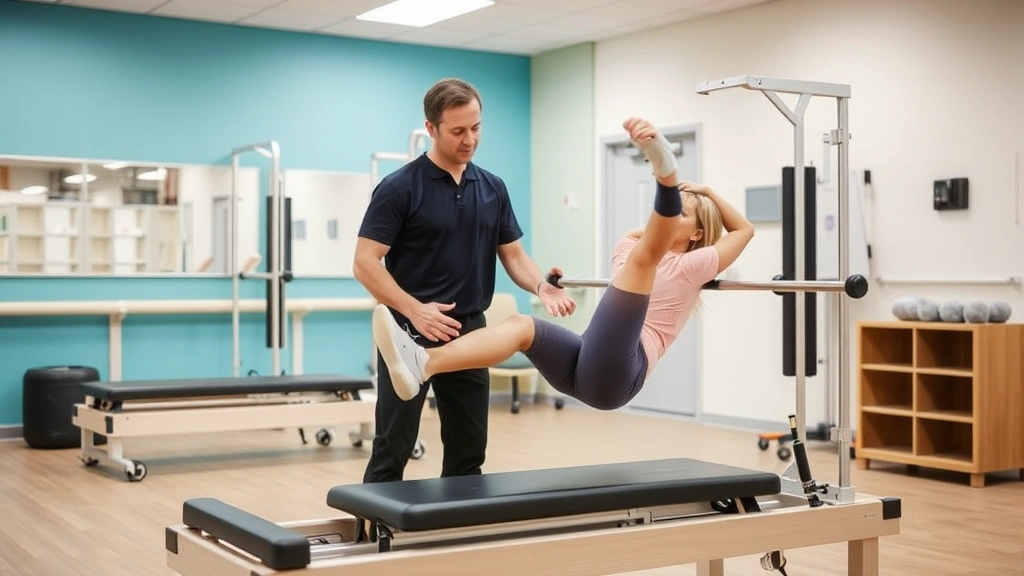
PT vs. OT: Understanding Their Unique Benefits
Physical therapy (PT) and occupational therapy (OT) are two distinct healthcare disciplines that often get confused due to their overlapping goals of improving patient function and quality of life. However, understanding the difference between PT and OT therapy is crucial for patients, healthcare providers, and anyone considering a career in these fields. While both professions share similar educational foundations and collaborative approaches, they address different aspects of human function and recovery.
The confusion between these two therapies stems from their complementary nature—many patients benefit from both simultaneously, and therapists often work together in rehabilitation settings. Yet each discipline has its own philosophy, techniques, and primary focus areas. Physical therapists concentrate on large muscle groups, mobility, and pain management, while occupational therapists emphasize functional independence in daily living activities. This comprehensive guide explores the fundamental differences, unique benefits, and practical applications of both PT and OT.
What is Physical Therapy?
Physical therapy is a healthcare discipline focused on restoring and maintaining physical function, mobility, and strength through evidence-based interventions. Physical therapists (PTs) are licensed healthcare professionals who complete extensive education, including a Doctor of Physical Therapy (DPT) degree, clinical training, and licensure examinations. According to the American Physical Therapy Association, PTs work with patients across the lifespan to address impairments, functional limitations, and disabilities resulting from injury, illness, or disease.
The primary focus of physical therapy involves evaluating and treating musculoskeletal, neurological, and cardiovascular conditions. Physical therapists utilize various modalities including therapeutic exercise, manual therapy, electrical stimulation, heat and cold therapy, and movement training. They develop individualized treatment plans addressing specific patient goals, whether that involves recovering from surgery, managing chronic pain, or improving athletic performance.
Physical therapy interventions are grounded in biomechanics and exercise physiology. Therapists assess movement patterns, muscle strength, joint range of motion, and balance to identify dysfunction. Treatment typically progresses from passive interventions (where the therapist moves the patient’s body) to active-assisted exercises (where the patient participates with assistance) to independent strengthening and functional activities. This progressive approach ensures patients gradually rebuild their capacity for daily activities.
What is Occupational Therapy?
Occupational therapy is a healthcare profession that enables people to engage in meaningful activities and occupations that contribute to health, well-being, and life satisfaction. Occupational therapists (OTs) are licensed healthcare professionals holding a Master’s or Doctoral degree in Occupational Therapy, along with professional certification and state licensure. The term “occupational” refers to any activity that occupies a person’s time—work, leisure, self-care, and social participation.
Occupational therapists focus on helping patients develop, recover, or maintain the skills necessary for independent functioning in their homes, workplaces, and communities. Rather than isolating specific muscle groups or movements, OTs address how patients perform functional activities like dressing, cooking, bathing, working at a computer, or playing with children. This holistic approach considers the person’s environment, habits, routines, and personal goals.
OT interventions include activity analysis and adaptation, assistive device training, environmental modifications, cognitive rehabilitation, and therapeutic activities designed to improve functional performance. Occupational therapists work across diverse settings—hospitals, schools, psychiatric facilities, senior living communities, and private practice—treating individuals with physical disabilities, mental health conditions, developmental delays, and cognitive impairments. The profession emphasizes client-centered care, meaning treatment plans are tailored to each person’s unique priorities and desired outcomes.
Key Differences Between PT and OT
Understanding the key distinctions between physical therapy and occupational therapy helps clarify when each discipline is most appropriate. The primary differences involve focus areas, treatment methods, and patient populations, though significant overlap exists.
Focus and Scope: Physical therapy primarily addresses large muscle groups, joint mobility, cardiovascular function, and neurological movement patterns. The goal centers on restoring physical capacity—strength, endurance, balance, and coordination. Occupational therapy focuses on functional independence in daily activities and meaningful occupations. OTs address fine motor skills, cognitive function, sensory processing, and psychological factors affecting performance.
Treatment Approach: Physical therapists typically work with patients in clinical settings or gyms, utilizing exercise equipment, resistance training, and structured movement protocols. Treatment sessions often involve repetitive exercises designed to build strength and endurance. Occupational therapists frequently conduct assessments in patients’ homes or workplaces, identifying environmental barriers and activity-specific challenges. Treatment often involves practicing actual daily activities or simulated tasks in realistic contexts.
Patient Goals: PT patients commonly aim for pain reduction, improved mobility after injury or surgery, enhanced athletic performance, or prevention of disability. OT patients typically seek independence in self-care, return to work capabilities, leisure participation, or adaptation to permanent disabilities. These goals, while different, frequently complement each other in comprehensive rehabilitation programs.
Conditions and Settings: Physical therapists work extensively with orthopedic conditions, sports injuries, post-surgical rehabilitation, neurological disorders, and cardiovascular disease. Occupational therapists treat developmental delays, mental health conditions, cognitive impairments, physical disabilities affecting daily function, and work-related injuries. Many conditions benefit from both disciplines simultaneously.

Conditions Treated by Physical Therapists
Physical therapists address a wide range of conditions affecting movement, strength, and physical function. Common conditions treated in PT include post-surgical rehabilitation following joint replacement, ligament repair, or spinal surgery. Physical therapy treatment for cerebral palsy represents a significant specialty area where PTs help individuals improve motor control and functional mobility throughout their lives.
Sports injuries constitute another major PT focus, including ankle sprains, knee ligament injuries, rotator cuff tears, and muscle strains. Physical therapists work with athletes to restore function and prevent re-injury through progressive rehabilitation protocols. Chronic pain conditions like lower back pain, neck pain, and arthritis respond well to PT interventions combining manual therapy, therapeutic exercise, and patient education.
Neurological conditions including stroke, Parkinson’s disease, multiple sclerosis, and traumatic brain injury benefit significantly from physical therapy. Therapists address movement deficits, balance impairments, and gait abnormalities resulting from neurological damage. Post-stroke rehabilitation frequently involves intensive PT to retrain movement patterns and maximize recovery of function.
Cardiovascular and pulmonary conditions also fall within PT scope. Cardiac rehabilitation programs help heart attack and heart surgery patients gradually return to normal activity levels. Pulmonary rehabilitation assists patients with chronic obstructive pulmonary disease (COPD) and other respiratory conditions to improve exercise tolerance and breathing efficiency.
Balance disorders and fall prevention represent increasingly important PT specialties, particularly for aging populations. Vestibular rehabilitation helps patients with inner ear disorders regain balance confidence. Functional mobility training, including walking aids and adaptive equipment use, helps prevent falls and maintain independence.
Conditions Treated by Occupational Therapists
Occupational therapists address conditions affecting the ability to perform meaningful daily activities and occupations. Developmental delays in children benefit from early OT intervention focusing on fine motor skills, sensory integration, and play-based learning. Children with autism spectrum disorder, cerebral palsy, and other developmental conditions work with OTs to improve self-care skills and social participation.
Mental health conditions including depression, anxiety, bipolar disorder, and schizophrenia respond to occupational therapy addressing motivation, routine establishment, social engagement, and meaningful activity participation. OTs help individuals develop healthy habits and rebuild life structure following psychiatric episodes. The occupational therapy field continues expanding in mental health settings as recognition grows for OT’s contribution to recovery.
Cognitive impairments from traumatic brain injury, dementia, or stroke receive specialized OT treatment. Therapists employ cognitive rehabilitation techniques, environmental modifications, and adaptive strategies helping individuals compensate for memory loss, attention deficits, and executive function impairments. Home safety modifications prevent accidents and support aging in place for individuals with cognitive decline.
Physical disabilities affecting hand function, upper extremity control, or functional mobility are core OT concerns. Therapists work with individuals following spinal cord injury, amputation, or stroke to adapt daily activities and learn compensatory techniques. Assistive technology training—from adaptive utensils to computer access devices—enables participation despite physical limitations.
Work-related injuries and ergonomic dysfunction represent significant OT specialties. Occupational therapists assess workplace environments, analyze job demands, and recommend modifications or adaptive strategies. Work hardening programs help injured workers safely return to employment. Ergonomic consultation prevents repetitive strain injuries affecting office workers and manufacturing employees.
Sensory processing disorders, particularly in children, receive targeted OT intervention. Therapists use sensory integration techniques to help individuals regulate responses to environmental stimuli. Older adults experiencing age-related sensory changes also benefit from OT strategies enhancing engagement despite vision or hearing changes.

When to Choose PT or OT
Determining whether a patient needs physical therapy, occupational therapy, or both depends on their specific condition, functional limitations, and goals. Patients recovering from orthopedic surgery—knee replacement, rotator cuff repair, or ACL reconstruction—typically benefit from physical therapy focusing on regaining strength, range of motion, and functional movement patterns. A physical therapist specializes in post-surgical rehabilitation protocols and progressive loading of healing tissues.
Conversely, patients struggling with self-care independence following stroke, spinal cord injury, or degenerative disease benefit from occupational therapy. An OT can assess bathroom accessibility, recommend grab bars and adaptive equipment, and train patients in modified techniques for dressing, bathing, and grooming. This functional focus directly addresses independence in daily life.
Many patients benefit from both disciplines simultaneously. Someone recovering from stroke might receive PT for lower extremity strength and gait training while also receiving OT for upper extremity fine motor recovery and kitchen safety training. Patients with multiple sclerosis might work with a PT on balance and endurance while simultaneously engaging in OT for cognitive management and work accommodation strategies.
Physician referrals typically guide initial therapy selection, though patients can often self-refer to either discipline in many states. Insurance coverage varies—some plans require physician referral for either therapy, while others allow direct access. Discussing treatment goals with healthcare providers helps determine the most appropriate therapy or combination approach.
For work-related injuries, occupational therapists often lead intervention since the primary goal involves returning to work function. However, if significant strength or mobility deficits exist, concurrent PT addresses underlying physical impairments. Similarly, complementary therapies sometimes supplement both PT and OT for comprehensive rehabilitation.
Combined Benefits of PT and OT
Integrated rehabilitation programs combining physical and occupational therapy produce superior outcomes for many conditions. This collaborative approach addresses both physical impairments and functional limitations simultaneously. A patient recovering from hip replacement might work with a PT on hip strength, range of motion, and walking mechanics while simultaneously engaging in OT for lower body dressing techniques, bathroom safety, and stair management.
Communication between PT and OT therapists ensures coordinated care avoiding conflicting goals or duplicated efforts. Treatment plans reference each other—PT progress on strength translates into OT opportunities for increased independence in activities. This integration accelerates functional recovery and prevents patients from receiving contradictory advice.
Neurological rehabilitation particularly benefits from combined PT and OT. Stroke survivors need PT’s systematic approach to movement recovery and OT’s focus on incorporating improved movement into functional activities. A patient might practice walking patterns with a PT, then immediately apply those patterns during kitchen simulation activities with an OT, reinforcing learning in meaningful contexts.
Mental health and wellness applications also benefit from integrated approaches. Physical therapy addresses physical deconditioning and pain that often accompany depression and anxiety, while occupational therapy rebuilds meaningful activity engagement and social participation. This combination addresses both physical and psychosocial aspects of recovery.
Workplace rehabilitation following injury often requires both disciplines. PT restores physical capacity—strength, endurance, flexibility—necessary for job demands. OT simultaneously addresses work-specific functional requirements, ergonomic modifications, and psychological readiness to return. This dual approach maximizes successful work reintegration and prevents re-injury.
Pediatric conditions like cerebral palsy benefit tremendously from integrated services. PT focuses on gross motor development and movement efficiency while OT addresses fine motor skills, self-care independence, and participation in play and school activities. Early intervention combining both therapies optimizes developmental outcomes.
Aging populations benefit from comprehensive programs addressing both mobility and functional independence. PT helps maintain strength, balance, and cardiovascular health—foundational to independent living. OT ensures older adults can safely perform necessary activities despite age-related changes. Together, these services support successful aging and fall prevention.
FAQ
What is the main difference between physical therapy and occupational therapy?
The primary difference involves focus: physical therapy emphasizes restoring movement, strength, and physical function through exercise and manual therapy, while occupational therapy focuses on enabling independence in daily activities and meaningful occupations through functional training and environmental adaptation. PT addresses “how the body moves,” while OT addresses “how the body functions in daily life.”
Can I receive both physical therapy and occupational therapy simultaneously?
Yes, many patients benefit from concurrent PT and OT. Combined treatment addresses both physical impairments and functional limitations comprehensively. Therapists coordinate care to ensure complementary goals and integrated progression. Insurance typically covers both when medically necessary and supported by clinical evidence.
Do I need a physician referral for physical therapy or occupational therapy?
Requirements vary by state, insurance plan, and clinical setting. Many states allow direct access to PT without physician referral, though insurance may require one. OT access varies similarly. Check your insurance coverage and state regulations, or contact therapy clinics directly to clarify referral requirements.
How long does physical therapy or occupational therapy typically last?
Duration depends on the condition’s severity, patient compliance, and functional goals. Some acute conditions resolve in 4-8 weeks, while chronic conditions or significant disabilities may require months or ongoing periodic treatment. Therapists establish realistic timelines during initial evaluation.
What qualifications should I look for in a physical therapist or occupational therapist?
Verify licensure in your state, education credentials (DPT for PTs, Master’s or Doctorate for OTs), and professional certifications. Consider therapists’ experience with your specific condition, continuing education involvement, and patient reviews. Ask about their approach and whether they practice evidence-based interventions aligned with current research.
How does speech therapy relate to physical and occupational therapy?
Speech-language pathology addresses communication and swallowing disorders, complementing both PT and OT. Patients recovering from stroke or traumatic brain injury often need all three disciplines. While PT addresses movement and OT addresses functional independence, speech therapy targets communication and swallowing function—three essential components of comprehensive rehabilitation.
Can occupational therapy help with mental health conditions?
Yes, occupational therapy effectively addresses mental health through activity engagement, routine establishment, meaningful occupation participation, and psychosocial support. OTs help individuals with depression, anxiety, and other mental health conditions rebuild life structure and engagement. Many therapy approaches integrate occupational therapy for comprehensive mental health treatment.
What is the cost difference between PT and OT?
Costs vary by location, provider, and insurance coverage but are typically comparable. Out-of-pocket costs depend on insurance copays and deductibles. Many insurance plans cover both therapies when medically necessary. Uninsured patients should ask about sliding scale fees or payment plans, as many clinics accommodate financial limitations.