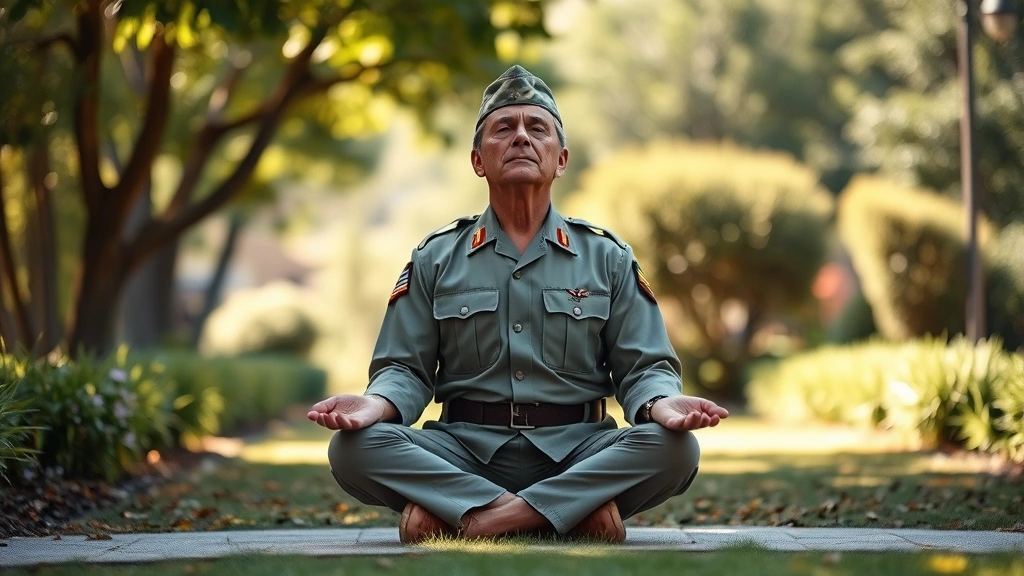
Mindfulness and PTSD: How It Helps Veterans Cope
Post-traumatic stress disorder affects millions of veterans worldwide, with combat exposure creating lasting psychological wounds that extend far beyond the battlefield. Traditional treatment approaches have shown promise, but an increasing body of research demonstrates that mindfulness-based interventions offer veterans a powerful complementary tool for managing PTSD symptoms and reclaiming their quality of life. By combining ancient contemplative practices with modern neuroscience, mindfulness provides veterans with evidence-based strategies to process trauma, reduce hypervigilance, and rebuild emotional resilience.
The intersection of mindfulness and PTSD treatment has become increasingly important as healthcare providers seek comprehensive approaches to veteran mental health. When integrated with cognitive processing therapy and other established treatments, mindfulness helps veterans develop the capacity to observe traumatic memories without being overwhelmed by them. This article explores how mindfulness works neurologically to address PTSD, examines specific techniques beneficial for veterans, and discusses how practitioners can incorporate these approaches into comprehensive care plans that may also include physical rehabilitation and other therapeutic modalities.
Understanding PTSD in the Veteran Population
Post-traumatic stress disorder represents one of the most significant mental health challenges facing veterans today. Combat exposure creates unique neurobiological changes that distinguish military PTSD from civilian trauma responses. Veterans often experience hypervigilance, intrusive memories, emotional numbing, and avoidance behaviors that significantly impair daily functioning. The prevalence of PTSD among veterans ranges from 11-20%, depending on deployment era and combat intensity, affecting not only the individual but also their families and communities.
The symptoms of PTSD manifest across four primary categories: re-experiencing (flashbacks, nightmares), avoidance (withdrawing from social situations, avoiding trauma reminders), negative mood changes (depression, anger), and arousal alterations (hypervigilance, sleep disturbances). Many veterans struggle with co-occurring conditions including traumatic brain injury, chronic pain, and substance use disorders, creating complex clinical presentations that require multifaceted treatment approaches. Understanding these manifestations is crucial for developing effective interventions that address the root causes of suffering rather than merely suppressing symptoms.
Traditional pharmacological and psychotherapeutic interventions have established efficacy, yet many veterans report incomplete symptom resolution or side effects that limit quality of life. This reality has prompted increased interest in complementary and alternative approaches, particularly therapy resources and evidence-based information that address the whole person. Mindfulness represents one such approach, offering veterans a non-pharmacological tool they can practice independently while developing greater self-awareness and emotional regulation capacity.
The Neuroscience Behind Mindfulness and Trauma Recovery
Neuroimaging studies have demonstrated that mindfulness produces measurable changes in brain structure and function, particularly in regions associated with emotional regulation and threat processing. The amygdala, which processes fear and threat detection, shows reduced reactivity following consistent mindfulness practice. Simultaneously, the prefrontal cortex—responsible for executive function, decision-making, and emotional regulation—demonstrates increased activation and stronger connectivity with the amygdala. This neurological rebalancing directly counteracts the hyperactive threat-detection system characteristic of PTSD.
When individuals experience trauma, the brain’s threat-detection system becomes sensitized, causing the amygdala to remain in a heightened state of vigilance. This hyperactivity keeps veterans in a chronic state of physiological arousal, manifesting as sleep disturbances, exaggerated startle responses, and difficulty concentrating. Research from Frontiers in Psychiatry demonstrates that mindfulness meditation literally rewires neural pathways, increasing the brain’s capacity to distinguish between actual threats and trauma-related memories.
The insula, a brain region crucial for interoception (internal body awareness), also undergoes significant changes with mindfulness practice. Veterans with PTSD often experience dissociation—a disconnection from their bodies and present moment—as a protective mechanism. By cultivating awareness of bodily sensations without judgment, mindfulness helps veterans gradually reintegrate their sense of embodiment. This process, called “somatic awareness,” proves particularly valuable when combined with physical therapy treatment approaches that address trauma held in the body.
Neurochemical changes also contribute to mindfulness’s therapeutic effects. Regular practice increases gamma-aminobutyric acid (GABA), the brain’s primary inhibitory neurotransmitter, which naturally reduces anxiety and promotes relaxation. Simultaneously, mindfulness reduces cortisol and other stress hormones, lowering the baseline physiological arousal that characterizes PTSD. These neurobiological shifts occur gradually but persistently with consistent practice, providing veterans with a scientifically validated pathway to nervous system regulation.

Key Mindfulness Techniques for Veterans with PTSD
Several specific mindfulness techniques have demonstrated particular efficacy for veterans managing PTSD symptoms. Body scan meditation involves systematically directing attention through different body regions, noticing sensations without judgment or attempts to change them. For veterans, this practice builds tolerance for bodily sensations that may trigger trauma responses, gradually desensitizing the nervous system while establishing greater embodied awareness.
Breathing-focused meditation provides an accessible entry point for mindfulness practice. By anchoring attention to the natural rhythm of breath, veterans develop a portable tool for nervous system regulation during moments of heightened anxiety or intrusive memories. Specific techniques like box breathing (inhale for four counts, hold for four, exhale for four, hold for four) offer concrete structure that appeals to military-trained minds accustomed to protocols and procedures.
Loving-kindness meditation addresses the emotional numbing and interpersonal disconnection common in PTSD. This practice involves systematically extending compassion toward oneself, loved ones, neutral individuals, difficult people, and ultimately all beings. For veterans struggling with self-blame, shame, or difficulty connecting emotionally with others, loving-kindness meditation facilitates emotional opening while maintaining psychological safety.
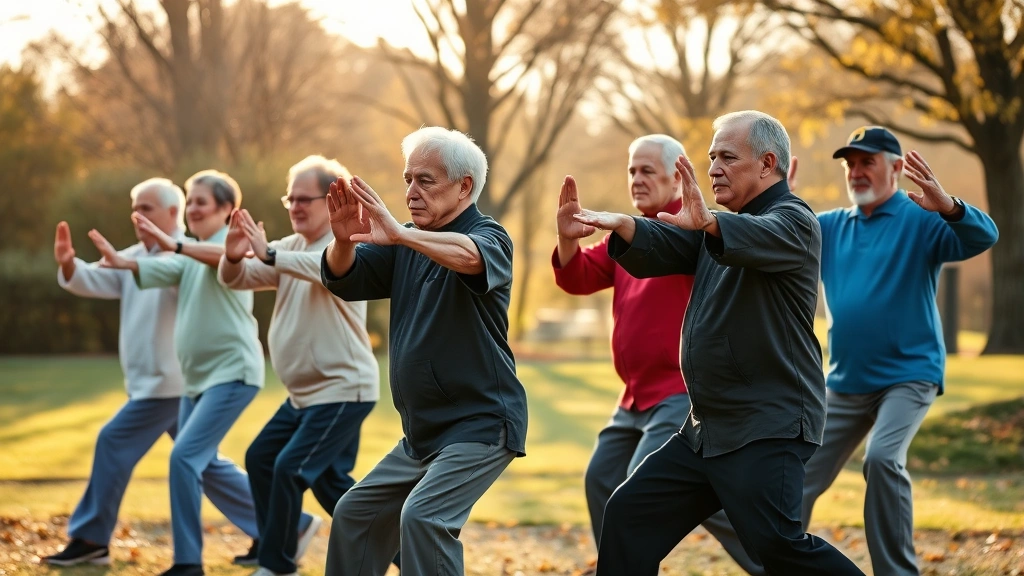
Mindful movement practices such as yoga and tai chi combine mindfulness with physical activity, offering particular benefits for trauma-sensitive populations. These practices integrate body awareness with gentle movement, helping veterans process trauma stored in their musculature while building physical strength and flexibility. The meditative quality of movement-based practices often feels more accessible to veterans than seated meditation, particularly those with hypervigilance or difficulty sitting still.
Grounding techniques help veterans manage acute flashbacks and dissociation. The 5-4-3-2-1 sensory technique—identifying five things you see, four you can touch, three you hear, two you smell, and one you taste—anchors attention to present sensory experience, interrupting trauma loops. These techniques prove invaluable during moments of crisis, offering immediate relief before more formal mindfulness practice can be engaged.
Integration with Physical Therapy and Holistic Care
Comprehensive veteran care recognizes that PTSD affects the whole person—mind, body, and spirit. When mindfulness integrates with physical rehabilitation approaches, therapeutic outcomes often exceed those achieved through isolated interventions. Many veterans experience chronic pain, mobility limitations, or other physical sequelae of combat-related injuries. Physical therapy addresses these bodily concerns while mindfulness develops the psychological capacity to engage fully in rehabilitation without being overwhelmed by pain-related anxiety or trauma triggers.
Understanding CPT codes for physical therapy becomes relevant when considering how to bill and document integrated care approaches. Therapists working with veterans should familiarize themselves with relevant billing codes while ensuring documentation reflects the evidence-based nature of combined interventions. Insurance coverage increasingly recognizes mindfulness-based interventions, particularly when delivered by qualified practitioners as part of comprehensive trauma treatment.
Veterans pursuing occupational therapy careers in veteran-serving settings benefit from understanding how mindfulness principles enhance their practice. Occupational therapists help veterans rebuild meaningful daily activities and roles disrupted by PTSD, and mindfulness skills facilitate this process by reducing anxiety about activity engagement and increasing present-moment awareness during valued occupations.
Complementary modalities like red light therapy near me may address specific physical symptoms while mindfulness addresses psychological components of trauma. This integrative approach recognizes that trauma manifests simultaneously at physiological, psychological, and behavioral levels. Veterans benefit most when all dimensions receive coordinated, evidence-based attention within a coherent treatment framework.
Implementing Mindfulness in Clinical Settings
Healthcare providers working with veterans must adapt mindfulness interventions to accommodate military culture, trauma history, and individual preferences. Military-specific mindfulness programs recognize that traditional therapeutic language may feel foreign to veterans accustomed to direct communication and practical results. Programs developed specifically for military populations often frame mindfulness in terms of combat readiness, mental resilience, and tactical advantages—framing that resonates with veteran values and experiences.
Group-based mindfulness interventions offer particular benefits for veterans by reducing isolation and facilitating peer support. Veterans often feel understood only by fellow service members who share combat experiences. Group mindfulness classes create containers where veterans practice together, normalize trauma responses, and build community around healing. This social component significantly enhances retention and outcomes compared to individual interventions alone.
Providers should establish clear expectations about mindfulness practice, acknowledging that initial sessions may feel uncomfortable or trigger trauma responses. Gradual introduction, beginning with brief practices (five to ten minutes) and extending duration as comfort increases, respects veterans’ autonomy while preventing overwhelming experiences. Offering multiple practice modalities—seated meditation, movement-based practices, breathing techniques—accommodates different learning styles and preferences.
Speech therapy near me and other therapeutic services benefit from incorporating mindfulness principles into their delivery. Speech therapists working with veterans experiencing trauma-related communication difficulties can integrate breathing awareness and present-moment focus into their sessions, creating a therapeutic environment where veterans feel safe exploring vulnerable communication.
Documentation should clearly describe mindfulness interventions, their theoretical rationale, and measured outcomes. Providers should track metrics such as PTSD symptom severity (using standardized instruments like the PCL-5), sleep quality, emotional regulation capacity, and functional improvement. This data-driven approach satisfies both clinical and administrative requirements while demonstrating mindfulness’s value within evidence-based treatment frameworks.
Challenges and Considerations for Veterans
Despite mindfulness’s proven benefits, implementation with veteran populations presents specific challenges requiring culturally competent, trauma-informed approaches. Dissociation and flashbacks sometimes emerge during meditation as the nervous system begins processing previously avoided trauma material. Skilled practitioners must recognize these responses as potentially positive signs of healing while maintaining safety and providing adequate support. Veterans should never be forced to continue practices that trigger overwhelming responses; instead, modifications should be offered collaboratively.
Some veterans express skepticism about mindfulness, perceiving it as “soft” or insufficiently practical compared to their military training. Reframing mindfulness as a tactical tool for nervous system management—similar to physical conditioning or weapons training—often increases receptiveness. Emphasizing that elite military units use mindfulness and breathing techniques to enhance performance can transform veterans’ perception from spiritual practice to combat-relevant skill development.
Access barriers including geographic distance from qualified providers, financial constraints, and limited time for practice present practical challenges. However, digital mindfulness resources, apps, and online programs increasingly provide veterans with accessible entry points. Couples therapy cost considerations and other financial concerns should not preclude veterans from accessing evidence-based mental health interventions; providers should actively connect veterans with VA benefits, grants, and sliding-scale resources.
Comorbid conditions complicate mindfulness implementation. Veterans with severe hypervigilance may find meditation triggering; those with attention deficits may struggle with focus; individuals with substance use disorders may initially lack the motivation for consistent practice. Addressing these comorbidities concurrently—through pharmacotherapy, behavioral interventions, and comprehensive care coordination—creates conditions where mindfulness can flourish.
Provider training gaps represent another significant challenge. Not all mental health professionals understand trauma-specific considerations or military culture. The American Psychological Association’s Trauma Psychology resources offer evidence-based training for providers working with trauma survivors. Specialized certification in trauma-informed mindfulness ensures providers can safely guide veterans through healing practices.
FAQ
How long does mindfulness practice take to show benefits for PTSD?
Research indicates that consistent mindfulness practice typically produces measurable symptom reduction within 4-8 weeks of regular engagement. However, individual timelines vary significantly based on trauma severity, practice consistency, and concurrent treatments. Veterans should expect gradual, progressive improvement rather than immediate relief, with deeper benefits emerging over months and years of sustained practice.
Can mindfulness replace medication for PTSD?
Mindfulness works best as a complementary approach integrated with evidence-based treatments including medication and psychotherapy. While some veterans may eventually reduce medication with provider guidance, mindfulness should not be used as a substitute for comprehensive psychiatric care. The combination of medication, psychotherapy, and mindfulness typically produces superior outcomes compared to any single intervention.
What if meditation triggers flashbacks or panic?
Flashbacks during meditation indicate the nervous system is processing trauma. Skilled providers help veterans distinguish between helpful emotional processing and overwhelming dysregulation. If practice becomes too intense, modifications include shortening duration, changing focus techniques, using guided recordings, or engaging in movement-based practices instead. Veterans should never force through overwhelming responses; collaboration with providers ensures practice remains therapeutic rather than retraumatizing.
Are there mindfulness programs specifically designed for veterans?
Yes, several evidence-based programs target veteran populations specifically, including Mindfulness-Based Stress Reduction for Combat Veterans, the Veterans Affairs Mindfulness-Based Cognitive Therapy program, and military-adapted mindfulness curricula. These programs account for military culture, combat trauma, and veteran-specific needs, often proving more effective than generic mindfulness interventions for this population.
How do I find qualified mindfulness instructors experienced with trauma?
Look for instructors with trauma-informed mindfulness certification, experience working with military populations, and credentials from recognized organizations. The VA provides mindfulness services through most medical centers. Additionally, nonprofit organizations serving veterans often offer free or subsidized mindfulness classes led by experienced facilitators familiar with combat trauma.