
How Much is Couples Therapy? Cost Breakdown
Couples therapy can be a transformative investment in your relationship, but understanding the financial commitment is essential before taking that first step. Whether you’re dealing with communication challenges, infidelity, financial stress, or general relationship dissatisfaction, knowing couples therapy prices helps you make an informed decision. The cost of couples therapy varies significantly based on location, therapist credentials, session frequency, and whether you have insurance coverage.
This comprehensive guide breaks down all the factors influencing couples therapy costs, explores different payment options, and helps you determine what you might expect to spend on this important relationship investment. We’ll also discuss how to find affordable options without compromising on quality care.
Average Couples Therapy Costs
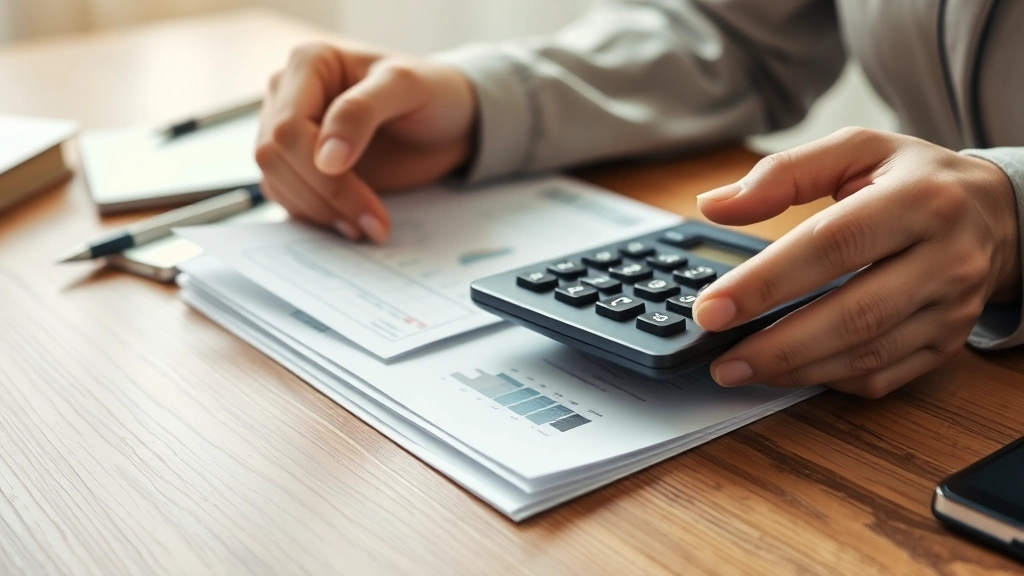
The average cost of couples therapy in the United States ranges from $100 to $300 per session, with most therapists charging between $150 and $250. A typical couples therapy session lasts 50 to 60 minutes. If you attend weekly sessions, you’re looking at approximately $600 to $1,200 per month. However, this is a general range—actual costs can be considerably higher or lower depending on your specific circumstances.
In major metropolitan areas like New York City, Los Angeles, and San Francisco, couples therapy prices tend to be significantly higher, often ranging from $200 to $400 per session or more for highly experienced therapists. In smaller cities and rural areas, you might find sessions for $75 to $150 per session. The duration of therapy also matters; some couples complete treatment in 12-20 sessions, while others may need 6-12 months of ongoing support.
According to research from the American Psychological Association, couples who invest in therapy report significant improvements in relationship satisfaction, with many seeing results within the first few sessions. This upfront investment often prevents more costly outcomes like divorce or prolonged relationship distress.
Factors Affecting Pricing
Several key factors determine how much you’ll pay for couples therapy:
- Therapist Credentials: Licensed Marriage and Family Therapists (LMFT), Licensed Professional Counselors (LPC), psychologists with PhDs, and psychiatrists typically charge more than unlicensed counselors or therapists in training. A licensed psychologist might charge $200-$350 per session, while a therapist-in-training might charge $50-$100.
- Geographic Location: Urban centers consistently charge more than rural areas. Therapists in wealthy neighborhoods or prestigious practices may charge premium rates.
- Experience Level: Highly experienced therapists with specialized training in specific modalities charge premium rates. A therapist with 20+ years of experience and published work may charge significantly more than someone newly licensed.
- Specialization: Therapists specializing in particular issues like couples therapy for ADHD, infidelity recovery, or trauma-informed care may charge higher rates due to their specialized expertise.
- Session Length: Most standard sessions are 50-60 minutes, but some therapists offer 90-minute intensive sessions for higher fees.
- Frequency: Some therapists offer discounts for weekly versus bi-weekly sessions, or package deals for multiple sessions prepaid.
The practice setting also influences pricing. Private practice therapists often charge more than those working in community mental health centers or university clinics. Therapists affiliated with prestigious institutions or who have published research may command higher fees based on their reputation and credentials.
Insurance and Coverage
Many health insurance plans cover couples therapy, though coverage varies significantly. Some key points to understand:
- In-Network vs Out-of-Network: Using an in-network therapist typically means lower out-of-pocket costs, often ranging from $20-$50 per session after your deductible is met. Out-of-network therapists may cost more, with insurance reimbursing only 50-80% of the cost.
- Deductibles: You must meet your annual deductible before insurance begins covering therapy costs. This can range from $500 to $5,000 or more depending on your plan.
- Co-pays and Co-insurance: After meeting your deductible, you typically pay a fixed co-pay ($20-$50) or a percentage of the cost (co-insurance) for each session.
- Session Limits: Some insurance plans limit the number of covered therapy sessions per year, ranging from 20 to 52 sessions annually.
- Pre-authorization: Many plans require pre-authorization before beginning therapy, and some require the therapist to justify continued treatment periodically.
It’s crucial to contact your insurance provider directly before starting therapy to understand your specific coverage. Ask about in-network providers, your deductible status, co-pay amounts, and any session limits. This information helps you budget accurately and avoid surprise bills.
For those without insurance or seeking additional support, Employee Assistance Programs (EAPs) often provide free or low-cost couples counseling sessions, typically offering 3-6 free sessions per year.
Payment Options
Beyond traditional insurance, several payment options exist for couples therapy:
- Out-of-Pocket Payment: Paying directly gives you the most flexibility in choosing therapists and may allow you to negotiate rates. Some therapists offer sliding scale fees based on income.
- Health Savings Accounts (HSAs): If you have an HSA, couples therapy qualifies as a medical expense, allowing you to use pre-tax dollars for payment.
- Flexible Spending Accounts (FSAs): Similar to HSAs, FSAs allow you to set aside pre-tax income for healthcare expenses, including therapy.
- Payment Plans: Some therapists offer payment plans or reduced rates for clients paying in advance or committing to long-term treatment.
- Sliding Scale Fees: Many therapists, particularly those in private practice, offer sliding scale fees based on household income and financial hardship.
- Online Platforms: Telehealth therapy platforms often offer more affordable options, typically $60-$150 per session.
When discussing payment with a potential therapist, ask directly about their fee structure, cancellation policies, and whether they offer any discounts or flexible payment arrangements. Many therapists appreciate clients who take financial responsibility seriously and may work with you to create an affordable treatment plan.
Affordable Alternatives
If traditional couples therapy feels financially out of reach, several affordable alternatives exist:
Community Mental Health Centers: These nonprofit organizations often provide therapy services on a sliding fee scale. Costs typically range from $10-$100 per session depending on income. Visit your local county mental health department for referrals.
University Counseling Clinics: Psychology graduate programs often provide therapy services through training clinics at significantly reduced rates. You’ll work with graduate students under licensed supervision, which maintains quality while reducing costs.
Support Groups: Free or low-cost couples support groups exist through organizations like churches, community centers, and online platforms. While not a replacement for therapy, they provide valuable peer support.
Self-Help Resources: Books, online courses, and workbooks focused on cognitive behavioral therapy principles can supplement or precede formal therapy. Resources from reputable sources help couples work on communication and conflict resolution independently.
Online Therapy Platforms: Services like BetterHelp, Talkspace, and Regain offer couples therapy starting at $60-$90 per session, significantly less than traditional in-person therapy. These platforms provide flexibility and often more immediate access to providers.
Religious or Community Organizations: Many churches, synagogues, and community organizations offer free or low-cost couples counseling as part of their services.
Comparing In-Person vs Virtual
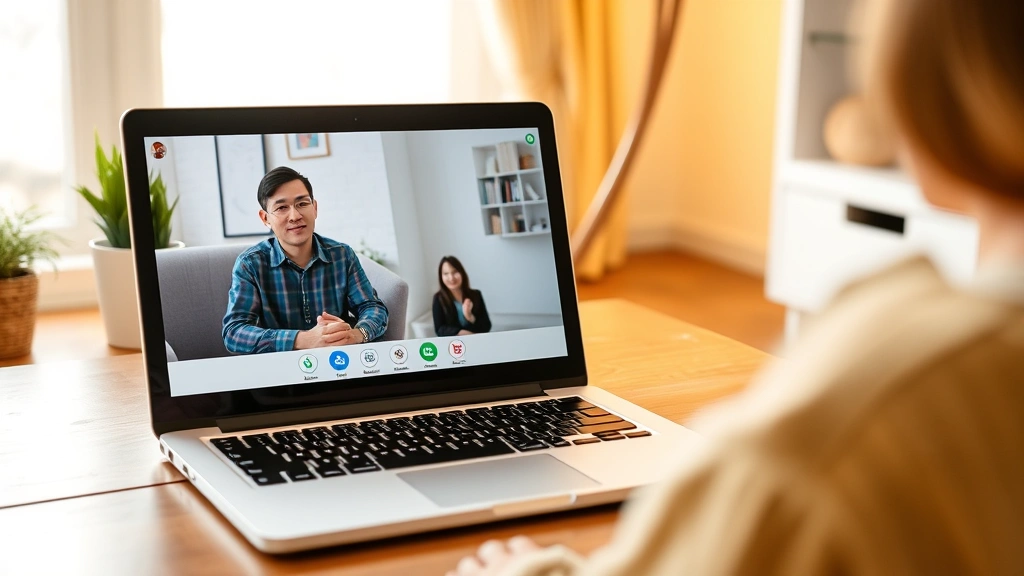
Virtual couples therapy has revolutionized access and affordability. Here’s how costs compare:
Traditional In-Person Therapy: Average cost $150-$250 per session. Includes travel time and overhead costs for the therapist. Offers face-to-face connection and may feel more personal for some couples.
Virtual Therapy Platforms: Average cost $60-$150 per session. Eliminates travel time and reduces therapist overhead. Provides convenience and flexibility, particularly valuable for busy couples or those in remote areas.
Hybrid Approach: Some therapists offer both in-person and virtual sessions at different rates, allowing couples to choose based on their needs and budget.
Research from the National Center for Biotechnology Information shows that virtual therapy produces outcomes comparable to in-person therapy for many couples, particularly for communication and relationship satisfaction issues.
When choosing between modalities, consider your comfort level with technology, privacy concerns, preference for face-to-face connection, and budget constraints. Many couples find that starting with affordable virtual therapy allows them to test the therapeutic process before committing to more expensive in-person sessions.
Understanding the broader therapy cost landscape helps contextualize couples therapy pricing. Individual therapy typically costs less per session since it involves one person, while specialized trauma therapy or intensive treatment programs may cost more.
FAQ
How much does couples therapy cost per session?
The average couples therapy session costs $100-$300, with most therapists charging $150-$250 for a 50-60 minute session. Costs vary based on location, therapist credentials, and specialization.
Does insurance cover couples therapy?
Many insurance plans cover couples therapy, though coverage varies. You’ll typically pay a co-pay or co-insurance after meeting your deductible. Some plans limit the number of covered sessions annually. Check with your specific insurance provider for details.
How long does couples therapy typically take?
Treatment duration varies widely, from 12-20 sessions for specific issues to 6-12 months or longer for deeper relationship work. Many couples see improvements within the first 3-5 sessions.
Are there affordable alternatives to traditional couples therapy?
Yes, options include community mental health centers (sliding scale fees), university counseling clinics (reduced rates), online therapy platforms ($60-$150 per session), support groups, and self-help resources.
Is virtual couples therapy less expensive than in-person?
Generally, yes. Virtual therapy typically costs $60-$150 per session compared to $150-$300 for in-person therapy. Research shows effectiveness is comparable for many couples.
Can I use my HSA or FSA for couples therapy?
Yes, couples therapy qualifies as a medical expense under both HSAs and FSAs, allowing you to use pre-tax dollars for payment.
What factors most affect couples therapy pricing?
Key factors include therapist credentials and experience level, geographic location, specialization, session length, and practice setting. Highly experienced therapists in major cities typically charge more.
How can I find a couples therapist within my budget?
Ask potential therapists about sliding scale fees, payment plans, and package discounts. Explore community mental health centers, online platforms, and whether your employer offers an EAP.